
In the competitive food industry, every detail matters, especially when it comes to packaging. Plastic food boxes are a staple, but the choice between transparent and colored options can significantly impact product appeal, preservation, and brand perception. This decision goes beyond mere aesthetics; it involves practical considerations for businesses aiming to optimize their packaging strategy. This blog post delves into the advantages and disadvantages of both transparent and colored plastic food boxes, providing insights to help B2B buyers make informed choices that align with their product needs and marketing goals.
The Allure of Transparency: Showcasing Your Product
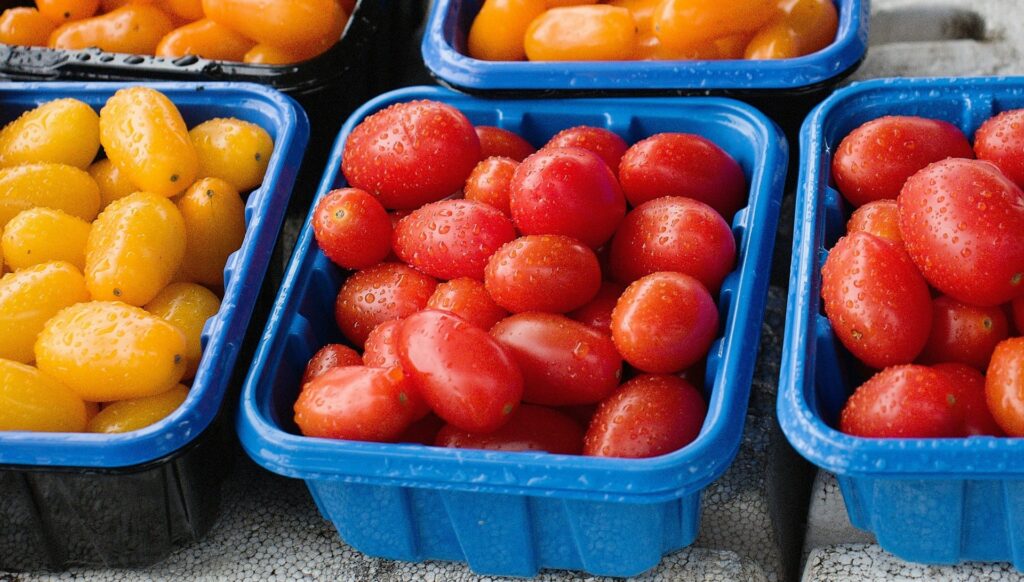
Transparent plastic food boxes offer a clear view of the product inside, which can be a significant advantage for certain food items. This direct visual appeal allows consumers to assess freshness, quality, and presentation before purchase, building trust and encouraging impulse buys.
Advantages of Transparent Plastic Food Boxes
Transparent packaging provides several benefits, particularly for fresh produce, baked goods, and ready-to-eat meals where visual appeal is paramount. It acts as a silent salesperson, allowing the product to speak for itself.
- Enhanced Visual Appeal: Consumers can see the product clearly, which is crucial for items like fresh salads, colorful fruits, or intricately decorated pastries.
- Perceived Freshness and Quality: A clear view often equates to freshness and quality in the consumer’s mind, especially for perishable goods.
- Brand Trust: Transparency fosters trust, as consumers feel confident about what they are buying.
- Reduced Returns: Customers are less likely to return products if they have seen them clearly before purchase.
- Easy Inventory Management: Businesses can quickly identify contents without opening the container, streamlining inventory checks and stock rotation.
Ideal Applications for Transparent Packaging
Transparent plastic food boxes are best suited for products where visibility is a key selling point. This includes items that are visually appealing or those where consumers need to verify the contents’ condition.
| Product Category | Examples | Why Transparency Works |
|---|---|---|
| Fresh Produce | Berries, salads, cut vegetables | Highlights freshness, color, and quality |
| Baked Goods | Cakes, pastries, cookies | Showcases intricate designs and appealing textures |
| Ready Meals | Salads, sandwiches, sushi | Allows consumers to see ingredients and portion sizes |
| Deli Items | Cheeses, cold cuts, olives | Displays variety and quality of gourmet selections |
Considerations for Transparent Packaging
While transparent packaging offers many benefits, businesses must also consider its limitations. Exposure to light can sometimes degrade certain food products, and the packaging itself might show imperfections more readily.
- Light Sensitivity: Some foods, especially those rich in vitamins or natural colors, can degrade when exposed to light.
- Condensation Visibility: Condensation inside the box can obscure the product and make it appear less appealing.
- Scratches and Blemishes: Transparent surfaces can easily show scratches, fingerprints, or dust, impacting the perceived quality of the packaging.
- UV Protection: Lack of UV protection can be an issue for products sensitive to ultraviolet light, potentially leading to spoilage or discoloration.
The Practicality of Color: Protection and Branding
Colored plastic food boxes, while obscuring the product, offer distinct advantages in terms of protection, branding, and aesthetic versatility. They can be a strategic choice for products that are sensitive to light or require a strong brand presence.
Advantages of Colored Plastic Food Boxes
Colored packaging can provide functional benefits beyond just aesthetics. It can protect light-sensitive products and offer a canvas for strong branding.
- Light Protection: Opaque colors protect light-sensitive foods from UV degradation, preserving nutrients, flavor, and color. This is crucial for products like dairy, certain oils, or spices.
- Enhanced Branding: Colors can be customized to match brand guidelines, creating a strong visual identity and shelf presence. This allows for creative designs and impactful logos.
- Concealment of Imperfections: Colored boxes can hide minor imperfections in the food product or packaging, such as condensation or slight discoloration.
- Durability Perception: Sometimes, colored plastics are perceived as more robust or durable than transparent ones, especially darker shades.
- Temperature Retention: Certain colored plastics, particularly darker ones, can offer slightly better insulation, helping to maintain food temperature for a short period.
Ideal Applications for Colored Packaging
Colored plastic food boxes are well-suited for products that benefit from light protection, require strong branding, or where the visual appeal of the product itself is not the primary selling point.
| Product Category | Examples | Why Color Works |
|---|---|---|
| Dairy Products | Yogurt, sour cream, butter | Protects from light degradation, maintains freshness |
| Processed Foods | Sauces, dips, ready-to-heat meals | Offers branding opportunities, conceals contents |
| Frozen Foods | Ice cream, frozen vegetables | Provides insulation, protects from freezer burn |
| Pet Food | Dry kibble, wet food | Strong branding, light protection for sensitive ingredients |
Considerations for Colored Packaging
While colored packaging offers benefits, it also comes with its own set of considerations. The inability to see the product can be a drawback for consumers, and color consistency is crucial for brand integrity.
- Lack of Product Visibility: Consumers cannot see the product, which might lead to hesitation for items where visual inspection is important.
- Color Consistency: Maintaining consistent color across batches is vital for brand recognition and quality perception. Inconsistent colors can lead to a perception of lower quality.
- Material Limitations: Some colors might be more difficult or expensive to achieve with certain plastic types, potentially limiting material choices.
- Recyclability Challenges: Darker or mixed-color plastics can sometimes be more challenging to recycle than clear plastics, impacting sustainability efforts.
Making the Choice: Factors to Consider
Deciding between transparent and colored plastic food boxes requires a careful evaluation of several factors. Businesses must weigh product characteristics, marketing objectives, and operational considerations to make the most effective choice.
Product Type and Shelf Life
The nature of the food product itself is a primary determinant. Perishable items that benefit from visual inspection, like fresh produce, often thrive in transparent packaging. Conversely, light-sensitive goods or those with longer shelf lives might be better suited for colored containers that offer protection.
Brand Identity and Marketing Strategy
Packaging is a powerful marketing tool. Transparent boxes emphasize the product’s natural appeal, while colored boxes offer a canvas for strong branding and visual storytelling. Consider how each option aligns with your brand’s aesthetic and message. Reliancepak offers professional customization to help businesses achieve their desired brand identity.
Regulatory Compliance and Food Safety
Regardless of color, ensuring that the plastic food box meets all relevant food safety regulations (e.g., FDA, EU standards) is non-negotiable. Both transparent and colored plastics can be food-grade, but it’s crucial to verify certifications and material composition. Always choose suppliers who prioritize food-grade materials and strict quality control.
Cost Implications
The cost of transparent versus colored plastic food boxes can vary depending on the type of plastic, the complexity of the coloring process, and order volume. While transparent options might seem simpler, specialized colored plastics with UV protection or unique pigments could incur higher costs. Businesses should conduct a thorough cost-benefit analysis.
Environmental Impact and Sustainability Goals
Sustainability is an increasingly important factor for businesses and consumers. Transparent PET is often highly recyclable, while some colored plastics, especially those with dark pigments, can be more challenging for recycling facilities to process. Consider the recyclability and the availability of recycled content when making your choice. Reliancepak is committed to environmentally friendly materials where possible.
Conclusion: A Strategic Packaging Decision
The choice between transparent and colored plastic food boxes is a strategic one that impacts product presentation, protection, and brand perception. Transparent packaging excels at showcasing fresh, visually appealing products, fostering consumer trust through clear visibility. Conversely, colored packaging offers superior light protection for sensitive foods and provides a robust platform for distinctive branding. Businesses must carefully weigh their product’s characteristics, marketing objectives, and sustainability goals when making this decision. Partnering with a reliable manufacturer like Reliancepak, which offers a wide range of customizable plastic food box solutions, ensures that you can find the perfect packaging to meet your specific needs, enhancing both product integrity and market appeal.
Frequently Asked Questions (FAQs)
Q1: Why is transparency important for some food packaging?
A1: Transparency allows consumers to visually inspect the food product, assessing its freshness, quality, and appearance, which builds trust and influences purchasing decisions.
Q2: What types of food benefit most from colored plastic packaging?
A2: Foods sensitive to light, such as dairy products, certain oils, and some processed foods, benefit from colored packaging as it provides UV protection, preserving nutrients and preventing spoilage.
Q3: Can colored plastic food boxes be recycled?
A3: Yes, many colored plastic food boxes are recyclable, but some dark or mixed-color plastics can be more challenging for recycling facilities. Always check local recycling guidelines and the plastic resin code.
Q4: How does packaging color affect branding?
A4: Packaging color is a powerful branding tool. It can reinforce brand identity, evoke specific emotions, and help products stand out on shelves, contributing to brand recognition and recall.
Q5: Does Reliancepak offer both transparent and colored plastic food boxes?
A5: Yes, Reliancepak offers a wide range of customizable plastic food boxes, including both transparent and colored options, to meet diverse business needs and branding requirements.
