
In the dynamic world of food service, the choice of disposable salad bowl material is more than just a practical decision; it’s a strategic one that impacts your brand image, operational costs, and environmental footprint. With an increasing emphasis on sustainability and evolving consumer preferences, businesses often find themselves at a crossroads: paper or plastic? This comprehensive guide delves into the pros and cons of each material, helping you make an informed decision that aligns with your menu, values, and business goals.
Understanding the Core Materials
Before diving into the comparison, it’s essential to understand the fundamental characteristics of paper and plastic as materials for disposable salad bowls. Each has a unique composition and set of properties that influence its performance and environmental impact.
Paper-Based Disposable Salad Bowls
Paper salad bowls are typically made from virgin or recycled paperboard, often coated with a lining to provide moisture resistance and prevent leaks. This lining can be polyethylene (PE), PLA (polylactic acid), or other barrier coatings. The thickness and quality of the paperboard, along with the type of lining, determine the bowl’s durability and suitability for various food types.
Plastic-Based Disposable Salad Bowls
Plastic salad bowls are commonly manufactured from various types of plastic polymers, with PET (Polyethylene Terephthalate) and PP (Polypropylene) being the most prevalent. PET is known for its clarity and rigidity, making it ideal for showcasing fresh salads. PP offers better heat resistance and flexibility. The choice of plastic depends heavily on the intended use and desired properties.
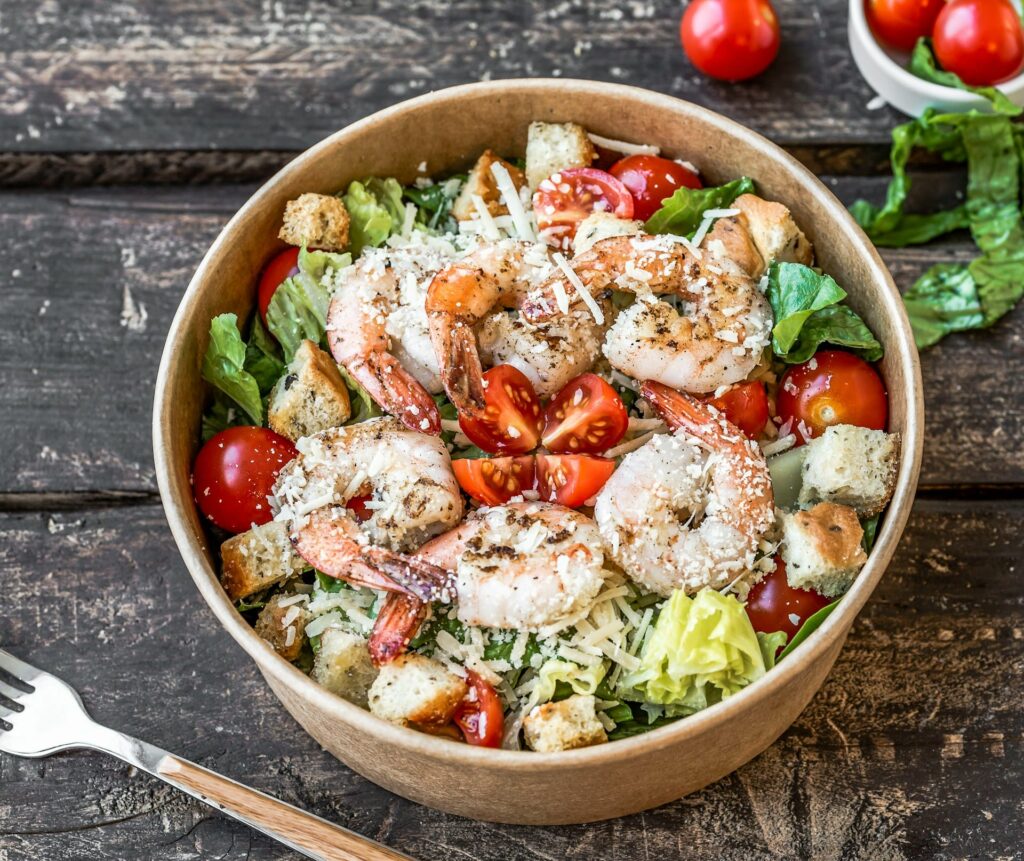
Durability and Performance: A Head-to-Head Comparison
The structural integrity and performance of disposable salad bowls are paramount for ensuring food safety and customer satisfaction. Both paper and plastic have distinct advantages and limitations in this regard.
Paper Bowl Durability
Paper bowls, especially those with robust linings, can be surprisingly durable. They are generally good for dry or moderately moist salads. However, prolonged exposure to liquids can compromise their integrity, leading to softening or leaks. The quality of the paperboard and the effectiveness of the lining are critical factors.
Plastic Bowl Durability
Plastic bowls, particularly those made from PET or PP, offer superior durability and leak resistance. They are less prone to softening from moisture and can withstand more rigorous handling during transport. Their inherent strength makes them reliable for a wider range of salad types, including those with dressings or heavier ingredients.
| Feature | Paper Bowls | Plastic Bowls |
|---|---|---|
| Leak Resistance | Good (with lining), but can degrade over time with liquids | Excellent, highly resistant to leaks |
| Structural Integrity | Good for dry/moderately moist foods, can soften with prolonged moisture | Excellent, maintains shape and strength |
| Temperature Range | Limited, generally for cold/room temperature foods | Varies by plastic type (PET for cold, PP for hot) |
| Impact Resistance | Moderate, can dent or tear | High, more resistant to drops and impacts |
Environmental Impact and Sustainability
In today’s eco-conscious market, the environmental footprint of packaging is a significant consideration. Both paper and plastic disposable salad bowls have different implications for sustainability.
Paper Bowl Environmental Footprint
Paper bowls are often perceived as more environmentally friendly due to their renewable resource origin (trees). If they are made from recycled content and are compostable (with appropriate lining), their environmental impact can be lower. However, the production process for paper can be resource-intensive, and not all paper bowls are easily recyclable or compostable due to their linings.
Plastic Bowl Environmental Footprint
Traditional plastic bowls, derived from fossil fuels, have a higher carbon footprint during production and are a major contributor to landfill waste and ocean pollution if not properly recycled. However, advancements in plastic recycling technologies and the development of recycled content plastics (rPET) are improving their sustainability profile. Some plastics are also more widely recyclable than certain types of lined paper products.
Key Sustainability Considerations
- Renewability of Resources: Paper comes from renewable sources, while traditional plastics do not.
- Recyclability: Check local recycling infrastructure. Some plastics (like PET) are widely recycled, while certain lined paper products may not be.
- Compostability/Biodegradability: Only specific types of paper bowls (e.g., PLA-lined or bagasse) are industrially compostable. Biodegradable plastics are also emerging but require specific conditions to break down.
- Carbon Footprint: Consider the energy and emissions associated with both production and end-of-life disposal.
Cost-Effectiveness and Supply Chain
The financial implications of choosing between paper and plastic disposable salad bowls are crucial for any food business. This includes not only the unit cost but also factors related to storage, shipping, and potential waste management fees.
Paper Bowl Costs
Paper bowls can sometimes be more expensive per unit than their plastic counterparts, especially for specialized compostable or high-quality lined versions. However, their lighter weight can sometimes lead to lower shipping costs. Storage requirements might be similar, but paper can be more susceptible to moisture damage in storage.
Plastic Bowl Costs
Plastic bowls often offer a more competitive unit price, particularly for large wholesale orders. Their durability can also reduce instances of breakage or spoilage, leading to less waste. Shipping costs might be slightly higher due to density, but their robust nature simplifies handling and storage.
| Cost Factor | Paper Bowls | Plastic Bowls |
|---|---|---|
| Unit Price | Generally higher, especially for eco-friendly options | Often more competitive, especially for bulk |
| Shipping Costs | Potentially lower due to lighter weight | Potentially higher due to density |
| Storage Durability | Susceptible to moisture damage | Highly resistant to moisture |
| Waste Management | Varies by local recycling/composting facilities | Varies by local recycling facilities |
Aesthetic Appeal and Brand Presentation
The visual presentation of your food is a critical component of the customer experience. The choice of disposable salad bowl material plays a significant role in how your salads are perceived.
Paper Bowl Aesthetics
Paper bowls offer a natural, often rustic, aesthetic that aligns well with organic or health-focused brands. They provide an excellent surface for custom printing, allowing for vibrant branding and design. The opaque nature of most paper bowls means the salad itself is not fully visible until opened, creating a sense of anticipation.
Plastic Bowl Aesthetics
Plastic bowls, particularly those made from clear PET, excel in showcasing the vibrant colors and freshness of your salads. Their transparency allows customers to see the product before purchase, which can be a strong selling point. They often have a sleek, modern appearance that can elevate the perceived value of the food.
Functionality and User Experience
Beyond aesthetics, the practical functionality of the disposable salad bowl impacts both your staff’s efficiency and your customers’ dining experience.
Paper Bowl Functionality
Paper bowls are generally easy to stack and store. They can be comfortable to hold, especially if they have a slightly textured surface. However, their susceptibility to moisture can be a drawback for very wet salads or those consumed over a longer period. Lids for paper bowls need to fit securely to prevent spills.
Plastic Bowl Functionality
Plastic bowls are highly functional, offering excellent leak resistance and often coming with secure, tight-fitting lids. They are generally robust enough to handle various salad ingredients and dressings without compromising integrity. Some plastic bowls are also microwave-safe (PP), adding to their versatility for certain menu items.
Customization and Branding Opportunities
Both paper and plastic offer avenues for customization, allowing you to reinforce your brand identity and create a memorable packaging experience.
Customizing Paper Bowls
Paper bowls are highly customizable. They can be printed with intricate designs, logos, and brand messaging using various printing techniques. This allows for full-wrap branding and a strong visual impact. The natural texture of paper can also add to the tactile experience.
Customizing Plastic Bowls
Plastic bowls can also be customized, primarily through printing on the surface or on labels. While full-wrap printing might be less common than with paper, clear plastic offers the unique advantage of allowing the food itself to be part of the visual branding. Embossing or debossing logos can also be an option for some plastic types.
Regulatory Compliance and Food Safety
Regardless of the material chosen, ensuring regulatory compliance and food safety is non-negotiable for disposable salad bowls. Both paper and plastic options must meet stringent standards.
Paper Bowl Compliance
Paper bowls must comply with food contact material regulations, which often focus on the safety of the paperboard itself and, crucially, the barrier coatings used. Suppliers must provide documentation confirming that their products are safe for direct food contact and do not leach harmful substances.
Plastic Bowl Compliance
Plastic bowls must also adhere to strict food contact regulations, such as those set by the FDA in the United States or the EU’s food contact materials legislation. This includes ensuring that the plastic polymers are food-grade and that no harmful chemicals migrate into the food. Reputable suppliers will readily provide relevant certifications.
Supplier Considerations: Partnering with Reliancepak
When making your final decision between paper and plastic disposable salad bowls, the choice of supplier is as critical as the material itself. A reliable partner can ensure consistent quality, timely delivery, and compliance with all necessary standards.
Reliancepak, a leading manufacturer and trading company with 9 production lines, offers a wide range of disposable food containers, including both paper and plastic options. They understand the diverse needs of B2B clients and prioritize product quality and customer satisfaction. Whether you lean towards the eco-friendly appeal of paper or the robust functionality of plastic, Reliancepak can provide solutions tailored to your specific requirements.
Their commitment to professional customization means your disposable salad bowls can effectively carry your brand message, regardless of the material. Furthermore, Reliancepak’s adherence to international standards, evidenced by EU and FDA food-grade certificates, ensures that all products are safe and compliant. With fast delivery and a focus on one-stop procurement, Reliancepak simplifies the process of sourcing high-quality disposable salad bowls for your business.
Conclusion: Making the Right Choice for Your Business
The decision between paper and plastic disposable salad bowls is multifaceted, with no single
right answer for every business. It ultimately depends on your specific menu, target audience, brand values, budget, and local waste management infrastructure.
Consider the following:
- For cold, grab-and-go salads where visual appeal is key and recycling infrastructure for PET is strong: Plastic (PET) might be your best bet.
- For hot or reheatable items, or if durability is paramount: Plastic (PP) could be the ideal choice.
- For brands emphasizing natural aesthetics, compostability (where facilities exist), or a renewable resource story: Paper-based options, especially those with eco-friendly linings, are highly suitable.
By carefully weighing the pros and cons of each material, understanding your business needs, and partnering with a reliable supplier like Reliancepak, you can make an informed decision that not only meets your operational demands but also resonates with your customers and contributes positively to your brand image. The right disposable salad bowl will enhance your product, streamline your operations, and support your business growth.
Frequently Asked Questions (FAQs)
Q1: Are paper disposable salad bowls truly eco-friendly?
A1: Paper bowls are often considered more eco-friendly because they are made from renewable resources. However, their environmental impact depends on factors like the source of the paper, the type of lining used (many have plastic linings), and whether they are recyclable or compostable in your local area. Look for certifications like FSC for responsible forestry and BPI for compostability.
Q2: Can plastic disposable salad bowls be recycled?
A2: Many plastic disposable salad bowls, especially those made from PET (Polyethylene Terephthalate), are recyclable. However, the actual recyclability depends on local recycling facilities and whether they accept the specific type of plastic. Always check the recycling codes on the bottom of the bowls (e.g., #1 for PET, #5 for PP) and your local recycling guidelines.
Q3: Which material is better for hot salads: paper or plastic?
A3: For hot salads, polypropylene (PP) plastic bowls are generally better as they are designed to be microwave-safe and can withstand higher temperatures without deforming or leaching chemicals. Most paper bowls are not suitable for hot foods unless specifically designed with heat-resistant linings.
Q4: How do I choose between clear plastic and opaque paper bowls for my salads?
A4: The choice depends on your desired aesthetic and how you want to present your product. Clear plastic bowls (like PET) are excellent for showcasing the vibrant colors and freshness of your salads, allowing customers to see the product before purchase. Opaque paper bowls offer a more natural, rustic look and provide a larger surface area for custom branding and design.
Q5: What are the benefits of using PLA-lined paper bowls?
A5: PLA (Polylactic Acid) is a plant-based bioplastic often used as a lining for paper bowls, making them industrially compostable. This offers an eco-friendly alternative to traditional plastic linings, as PLA-lined bowls can break down in commercial composting facilities, reducing landfill waste. However, they require specific composting conditions and are not suitable for home composting.
Q6: Does Reliancepak offer both paper and plastic disposable salad bowls?
A6: Yes, Reliancepak offers a wide range of disposable food containers, including both paper and plastic options, to meet the diverse needs of their B2B clients. They can provide solutions tailored to your specific requirements, ensuring quality, compliance, and customization for your brand.
Q7: How important is customization for disposable salad bowls?
A7: Customization is very important for branding and marketing. Branded disposable salad bowls reinforce your brand identity, create a professional image, and enhance the customer experience. Many suppliers, including Reliancepak, offer options for logo printing, custom designs, and unique sizes to help your brand stand out.