
In the dynamic food service industry, the choice of food packaging is a critical decision that impacts everything from food safety and preservation to brand image and environmental responsibility. Among the most common options, plastic and paper disposable food containers stand out, each offering distinct advantages and disadvantages. Businesses, from bustling restaurants to catering services, must carefully weigh these factors to select the best packaging solution for their specific needs. This comprehensive guide will delve into a detailed comparison of plastic and paper food containers, exploring their pros and cons to help you make an informed choice that aligns with your operational requirements, sustainability goals, and customer expectations.
Plastic Food Containers: Advantages and Disadvantages
Plastic disposable food containers have been a staple in the food industry for decades, primarily due to their versatility, durability, and cost-effectiveness. They come in various forms, including PET, PP, and HDPE, each with specific properties.
Advantages of Plastic Food Containers
- Durability and Strength: Plastic containers are highly resistant to breakage, leaks, and cracks, making them ideal for transporting liquids and heavy food items. They offer excellent protection against external elements, ensuring food integrity.
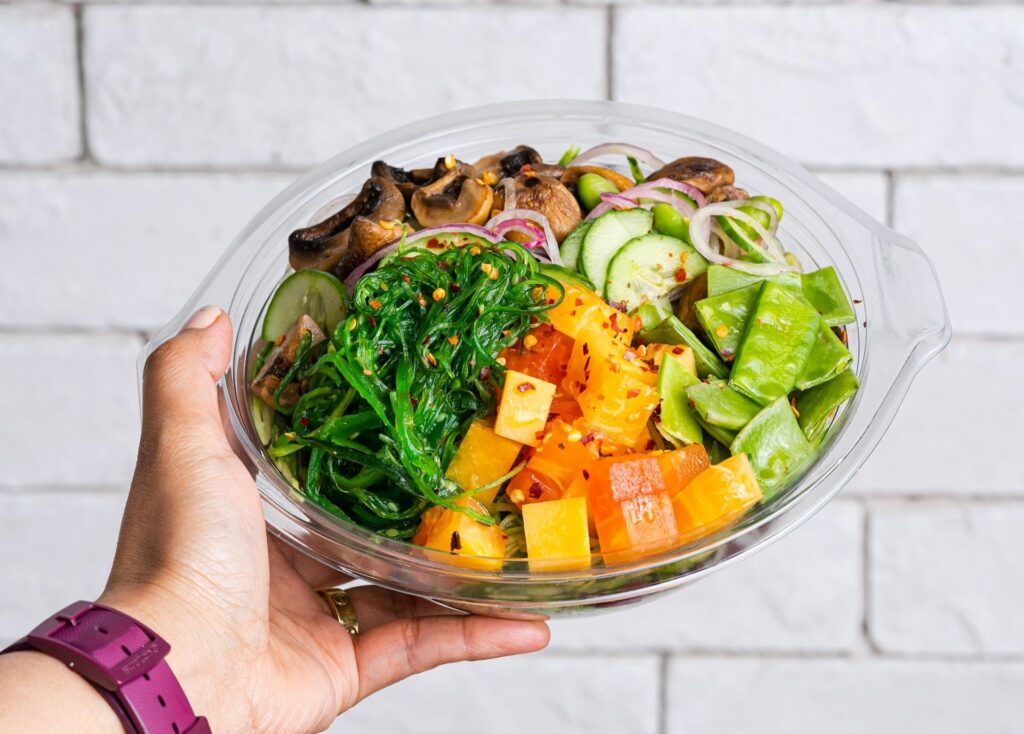
- Visibility: Clear plastic options, particularly PET, provide excellent product visibility, allowing customers to see the food inside. This enhances presentation and can drive impulse purchases.
- Barrier Properties: Many plastics offer superior barrier properties against moisture, oxygen, and odors, which helps in extending the shelf life of food products and maintaining their freshness.
- Temperature Versatility: Certain plastics, like PP, are microwave-safe and can withstand a range of temperatures, from freezing to reheating, offering convenience for both businesses and consumers.
- Cost-Effectiveness: Historically, plastic containers have been more economical to produce, leading to lower unit costs for businesses, especially for bulk orders.
Disadvantages of Plastic Food Containers
- Environmental Concerns: The most significant drawback of plastic is its environmental impact. Many plastics are not easily recyclable, and those that are often face challenges with recycling infrastructure. Plastic pollution is a major global issue.
- Perception: Growing consumer awareness about environmental issues has led to a negative perception of single-use plastics, which can impact a brand’s image.
- Limited Heat Resistance (for some types): While PP is heat-resistant, other plastics like PET are not suitable for hot foods or microwave use, limiting their application.
- Chemical Leaching Concerns: Although food-grade plastics are deemed safe, some consumers have concerns about potential chemical leaching, especially when exposed to heat.
Paper Food Containers: Advantages and Disadvantages
Paper food containers, often made from paperboard or kraft paper, have gained significant traction as a more environmentally friendly alternative to plastic. They are frequently coated or lined to enhance their performance.
Advantages of Paper Food Containers
- Environmental Friendliness: Paper is a renewable resource, and many paper containers are biodegradable and compostable, especially those without plastic linings. This makes them a preferred choice for businesses focused on sustainability.
- Recyclability: Uncoated paper containers are widely recyclable. Even some coated paper containers are becoming recyclable through specialized facilities.
- Printability and Branding: Paper offers an excellent surface for printing, allowing for vibrant branding, custom designs, and marketing messages, which can significantly enhance brand recognition.
- Heat Insulation: Paperboard containers, particularly those designed for hot beverages or soups, offer good insulation properties, helping to keep food warm.
- Microwave Safe: Most paper containers are microwave-safe, providing convenience for reheating food.
Disadvantages of Paper Food Containers
- Moisture and Grease Resistance: Unless coated with PE or other barriers, paper containers can be susceptible to moisture and grease absorption, leading to leaks and structural degradation.
- Durability: Paper containers are generally less durable than plastic and can be more prone to tearing or crushing, especially when wet or under pressure.
- Visibility: Opaque paper containers do not offer product visibility, which can be a disadvantage for items where visual appeal is crucial.
- Cost: Depending on the coatings and design, paper containers can sometimes be more expensive than their plastic counterparts.
- Recycling Challenges (for coated paper): While paper is recyclable, paper containers with plastic or wax linings can be difficult to recycle in standard facilities, requiring specialized processes.
Comparison: Plastic vs. Paper Food Containers
Here’s a comparative overview of plastic and paper disposable food containers:
| Feature | Plastic Food Containers | Paper Food Containers |
|---|---|---|
| Durability | High (resistant to leaks, cracks, breakage) | Moderate (can be prone to moisture/grease issues) |
| Visibility | Excellent (especially clear PET) | Low (opaque, no product visibility) |
| Barrier | Excellent (oxygen, moisture, odor) | Moderate (requires coatings for effective barrier) |
| Heat Resistance | Varies by type (PP good, PET low) | Good (most are microwave-safe) |
| Environmental Impact | High (plastic pollution, limited recyclability for some types) | Low (renewable, biodegradable, compostable options) |
| Cost | Generally cost-effective | Can be higher, especially for coated/specialized types |
| Branding | Good (labeling, printing) | Excellent (full-surface printing) |
Making the Right Choice for Your Business
Choosing between plastic and paper disposable food containers depends on your specific business needs, product type, and sustainability goals. Consider the following:
- Food Type: For liquids, greasy foods, or items requiring strong barriers, plastic might be more suitable. For dry goods, baked items, or foods consumed quickly, paper can be an excellent choice.
- Temperature Requirements: If your food needs to be microwaved or kept hot, PP plastic or coated paper are good options. For cold foods, PET plastic offers great visibility.
- Sustainability Goals: If reducing environmental footprint is a top priority, opt for compostable paper or highly recyclable plastics like PET and HDPE, ensuring proper disposal methods are in place.
- Brand Image: Align your packaging choice with your brand’s values. If you promote an eco-conscious image, paper or sustainable plastic alternatives will resonate better with your customers.
- Budget: Evaluate the cost-effectiveness of each option, considering both unit price and potential savings from reduced waste or enhanced brand perception.
Reliancepak offers a comprehensive range of both plastic and paper disposable food containers, including environmentally friendly options. We provide solutions that meet stringent food-grade certifications (EU, FDA) and offer professional customization to align with your brand’s unique requirements. Our goal is to help you find the perfect balance between functionality, cost, and sustainability.
Conclusion
The debate between plastic and paper disposable food containers is complex, with each material presenting a unique set of pros and cons. Plastic excels in durability, barrier properties, and often cost, while paper shines in environmental friendliness, recyclability, and branding opportunities. The optimal choice ultimately depends on a careful assessment of your specific food products, operational needs, and commitment to sustainability. By understanding these differences, businesses can make informed decisions that not only protect their food but also enhance their brand and contribute positively to the environment. Partner with Reliancepak to explore the best packaging solutions for your business.
FAQ
Q1: Which is better for hot food, plastic or paper?
A1: For hot food, both plastic (specifically PP) and paper (especially coated paperboard) can be suitable. PP plastic offers good heat resistance and is microwave-safe. Coated paper containers also perform well with hot foods and are often microwave-safe. The best choice depends on specific temperature requirements and desired insulation.
Q2: Are paper containers always more environmentally friendly than plastic?
A2: Not always. While paper is renewable and biodegradable, its environmental impact can increase if it’s heavily coated with plastic or if it’s not properly recycled or composted. Highly recyclable plastics like PET, when recycled effectively, can also be a sustainable choice. It’s important to consider the entire lifecycle.
Q3: Can plastic food containers be customized with branding?
A3: Yes, plastic food containers can be customized through various methods such as labeling, direct printing, or embossing. This allows businesses to effectively showcase their brand logo, colors, and other marketing messages, enhancing brand recognition.
Q4: What should I consider when choosing between clear and opaque containers?
A4: Clear containers (typically PET plastic) are excellent for showcasing the product’s visual appeal, which can drive sales for items like salads or desserts. Opaque containers (often paper or colored plastic) are suitable when product visibility is not critical or when you want to protect the food from light exposure.