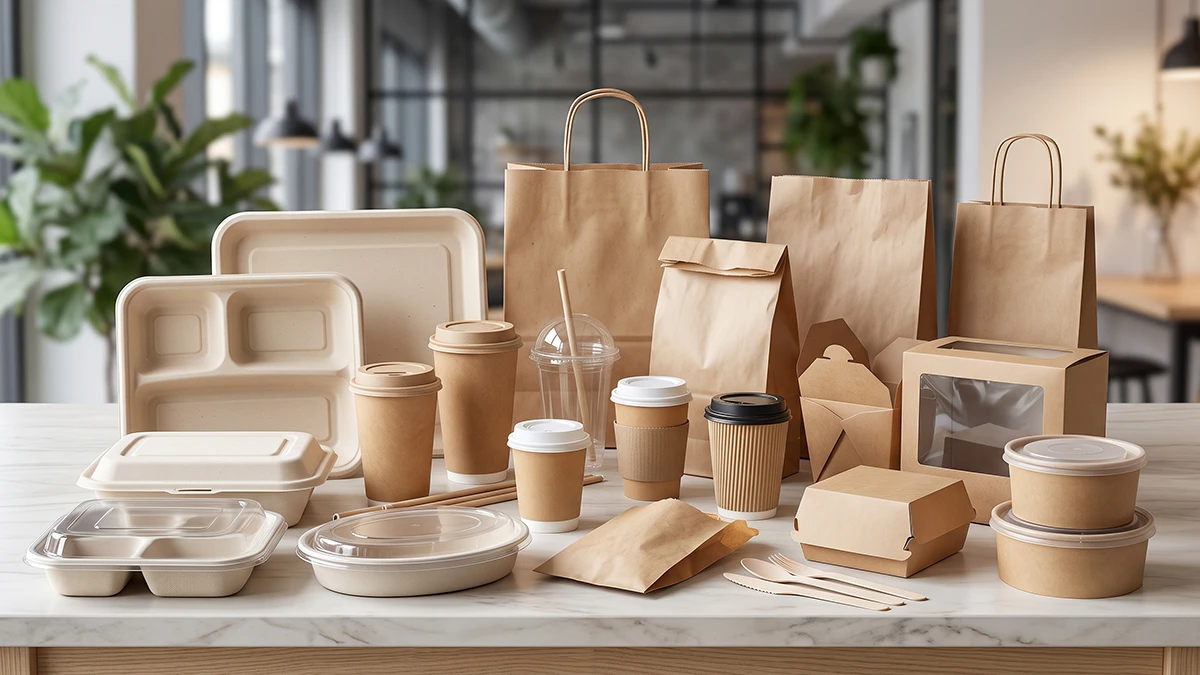
In the world of disposable dinnerware, the choice between bagasse and traditional paper plates often comes down to a critical factor: strength. For businesses in the food service industry, caterers, or event organizers, the durability of a plate directly impacts customer satisfaction and operational efficiency. This article delves into a comprehensive comparison, examining why bagasse plates are increasingly becoming the preferred choice for those seeking robust and reliable disposable solutions.
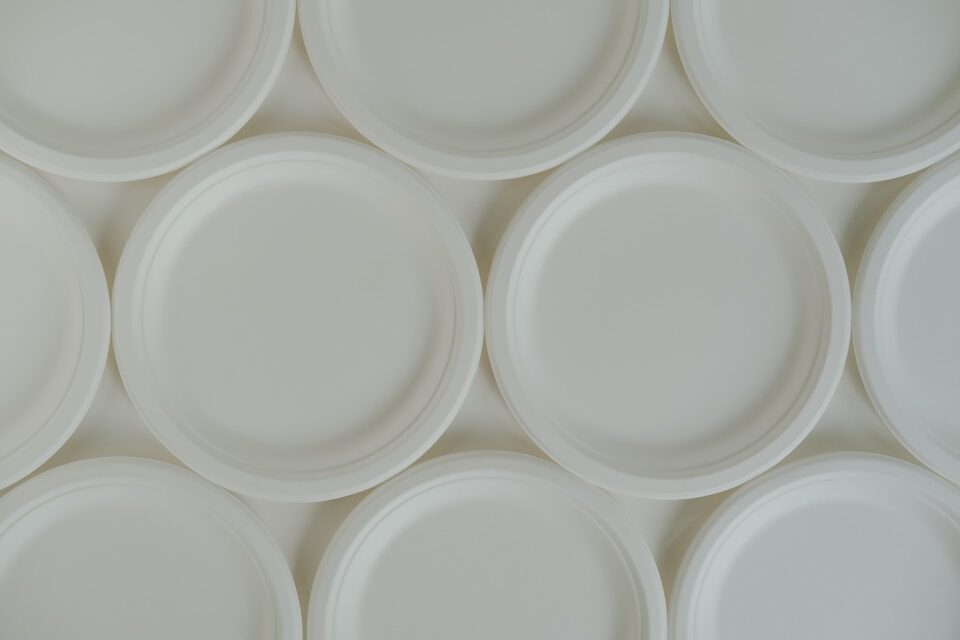
Understanding Bagasse and Paper Plate Composition
To truly understand the strength differences, it’s essential to look at what these plates are made from and how their manufacturing processes contribute to their structural integrity.
What is Bagasse?
Bagasse is a byproduct of sugarcane processing. After sugarcane stalks are crushed to extract their juice, the fibrous residue that remains is bagasse. This natural fiber is then pulped and molded under high pressure and heat to form plates and other tableware. This process creates a dense, interwoven structure.
What are Paper Plates Made Of?
Traditional paper plates are typically made from wood pulp. While some may have a thin coating for water resistance, their core structure is cellulose fibers. The strength of a paper plate can vary significantly based on the paper’s thickness, the type of pulp used, and any added coatings.
The Strength Showdown: Bagasse vs. Paper
When put to the test, bagasse plates consistently demonstrate superior performance in several key areas compared to their paper counterparts.
Superior Durability and Rigidity
Bagasse plates are inherently more rigid and less prone to bending or collapsing under the weight of food. The natural long fibers of sugarcane provide a robust matrix that resists tearing and sagging, even with heavier meals. In contrast, paper plates, especially those without a strong coating, can quickly become flimsy when loaded with food, leading to spills and customer frustration.
Resistance to Hot and Oily Foods
One of the most significant advantages of bagasse plates is their natural resistance to grease and moisture. The dense fibrous structure of bagasse prevents liquids and oils from soaking through, maintaining the plate’s integrity. Paper plates, unless heavily coated with wax or plastic (which often negates their eco-friendliness), tend to absorb moisture and oil, leading to sogginess and potential leakage. This makes bagasse an ideal choice for serving hot, saucy, or oily dishes.
Heat Tolerance
Bagasse plates exhibit excellent heat tolerance, making them microwave-safe and suitable for serving hot foods directly. They can withstand high temperatures without deforming or releasing harmful chemicals. While some paper plates are microwave-safe, many are not, and those with plastic coatings can pose health risks when heated.
Why Reliancepak Recommends Bagasse Plates
At Reliancepak, we understand the importance of reliable and sustainable packaging solutions for B2B clients. Our bagasse plates are designed to meet the rigorous demands of the food service industry, offering a combination of strength, eco-friendliness, and performance that traditional paper plates simply cannot match. We ensure our products, including bagasse plates, are food-grade certified (EU, FDA, etc.) and offer fast delivery and professional customization to meet your specific branding needs.
Comparative Analysis: Bagasse vs. Paper Plates
| Feature | Bagasse Plates | Paper Plates (Standard) | Paper Plates (Coated) |
|---|---|---|---|
| Raw Material | Sugarcane fiber (bagasse) | Wood pulp | Wood pulp with wax/plastic coating |
| Strength | High (rigid, resistant to bending/tearing) | Low to Medium (can sag, tear easily) | Medium to High (coating adds rigidity) |
| Grease/Moisture Resistance | Excellent (natural resistance) | Poor (absorbs liquids, prone to sogginess) | Good (coating provides barrier) |
| Heat Tolerance | High (microwave-safe) | Low (can deform, not always microwave-safe) | Varies (some microwave-safe, others not) |
| Eco-friendliness | Highly Sustainable (byproduct, compostable) | Varies (recyclable if uncoated, often not compostable) | Low (coatings make recycling/composting difficult) |
| Cost | Moderate to High | Low | Moderate |
Conclusion: The Clear Winner for Durability
In the ongoing debate of strength and reliability, bagasse plates emerge as the clear winner over traditional paper plates. Their inherent fibrous structure, natural resistance to heat and moisture, and superior rigidity make them an excellent choice for any business prioritizing performance and customer experience. While paper plates may offer a lower initial cost, the long-term benefits of bagasse in terms of durability, reduced spills, and environmental responsibility often outweigh the price difference.
FAQ
Q1: Are bagasse plates truly compostable?
Yes, bagasse plates are 100% compostable and biodegradable, breaking down naturally without leaving harmful residues.
Q2: Can bagasse plates be used for heavy meals?
Absolutely. Their robust construction makes them suitable for serving a wide range of foods, including heavy or saucy dishes.
Q3: Do bagasse plates affect the taste of food?
No, bagasse plates are made from natural fibers and do not impart any taste or odor to the food.
Q4: Are bagasse plates more expensive than paper plates?
Generally, bagasse plates can be slightly more expensive than basic paper plates, but their superior performance and eco-benefits often justify the cost.