
Choosing the right disposable sushi trays is an important decision for any restaurant or catering business serving sushi. The tray not only holds the sushi but also contributes to the overall presentation and customer experience. Plastic, paper, and wood are the most common materials, and each offers its own set of advantages and disadvantages. This article will guide you in selecting the best disposable sushi trays for your specific needs, carefully considering cost, performance, and environmental impact.
What Makes a Great Disposable Sushi Tray? – Essential Qualities
Several key qualities define a great disposable sushi tray. First and foremost is food safety. The tray must be made from food-grade, non-toxic materials that prevent contamination of the sushi. Durability and sturdiness are also critical, ensuring the tray can hold the weight of the sushi without bending, breaking, or leaking, especially during transport. Aesthetically, the presentation is vital; the tray should enhance the visual appeal of the sushi, making it more attractive to customers. Increasingly, sustainability and environmental impact1 are important considerations. Choosing recyclable, compostable, or sustainably sourced materials demonstrates a commitment to environmental responsibility. Finally, cost-effectiveness2 plays a significant role. Businesses must consider the initial cost of the trays as well as disposal expenses.
Food Safety: Ensuring a Clean and Healthy Dining Experience
Food safety is paramount when selecting disposable sushi trays. The materials used must be certified food-grade and free from harmful chemicals that could leach into the sushi. Proper manufacturing processes and hygiene standards are also essential to prevent contamination. Choose trays from reputable suppliers who prioritize food safety and can provide certifications to verify their claims.
Durability & Sturdiness: Reliable Support for Your Sushi Creations
A durable and sturdy disposable sushi tray is crucial, especially for takeout and delivery orders. The tray must be able to withstand the weight of the sushi and resist bending or breaking during transport. Look for trays made from materials that offer sufficient structural integrity and can maintain their shape under pressure. This prevents embarrassing spills and ensures the sushi arrives in perfect condition.
Presentation & Aesthetics: Enhancing the Visual Appeal of Your Sushi
The disposable sushi tray plays a significant role in the overall presentation of the sushi. Choose trays that complement the colors and textures of the sushi, enhancing its visual appeal. Consider the shape, size, and design of the tray to create an attractive and appetizing display. A well-presented sushi platter can significantly enhance the customer experience and increase sales.
Sustainability & Environmental Impact: Making a Responsible Choice
In today’s environmentally conscious world, sustainability is an increasingly important consideration when choosing disposable sushi trays. Opt for trays made from recyclable, compostable, or sustainably sourced materials. This demonstrates a commitment to environmental responsibility and appeals to customers who value sustainability. Choosing eco-friendly options can also reduce your business’s carbon footprint and minimize waste.
Cost-Effectiveness: Balancing Quality and Budget
Cost-effectiveness is always a factor when making business decisions. While it’s important to choose high-quality disposable sushi trays that meet your needs, you also need to stay within your budget. Compare the prices of different materials and suppliers to find the best value for your money. Consider the long-term costs as well, such as disposal fees and potential savings from using eco-friendly materials.
Plastic Disposable Sushi Trays: Affordable and Practical?
Plastic disposable sushi trays have long been a popular choice due to their affordability and practicality. These trays are generally the lowest-cost option, making them attractive for businesses operating on tight budgets. Their durable and moisture-resistant nature ensures they can withstand the rigors of transport and prevent leaks. Plastic trays are also easy to clean (before disposal) and stack, saving space and simplifying operations.
Advantages of Plastic Trays
The affordability of plastic disposable sushi trays makes them a cost-effective option for high-volume operations. Their durability and resistance to moisture ensure they can withstand the demands of takeout and delivery. The stackable design saves valuable storage space in busy kitchens. These advantages contribute to the practicality and widespread use of plastic trays in the sushi industry.
Disadvantages of Plastic Trays
However, the significant environmental concerns associated with plastic cannot be ignored. Many plastics are difficult to recycle effectively, and their production relies heavily on fossil fuels, contributing to carbon emissions. Furthermore, plastic sushi trays can sometimes appear less upscale than other options, potentially detracting from the overall presentation, especially in higher-end establishments.
Paper Disposable Sushi Trays: An Eco-Friendly Choice?
Paper disposable sushi trays are rapidly gaining popularity as an environmentally friendly alternative to plastic. Often made from recycled paperboard, these trays are a sustainable choice that aligns with the growing demand for eco-conscious packaging. Paper trays are generally biodegradable and compostable, meaning they break down naturally in the environment, reducing landfill waste.
Advantages of Paper Trays
Paper disposable sushi trays offer a significantly reduced environmental impact compared to plastic. Their biodegradable and compostable nature minimizes waste and supports sustainable practices. The natural aesthetic of paper can also enhance the presentation of sushi, appealing to customers who appreciate eco-friendly packaging.
Disadvantages of Paper Trays
Paper sushi trays are typically less durable than plastic, especially when exposed to moisture. They may not be suitable for heavier sushi or those with a lot of sauce. They can also be slightly more expensive than their plastic counterparts, which may be a concern for businesses operating on tight budgets. Careful consideration is needed.
Wood Disposable Sushi Trays: Elegant and Sustainable?
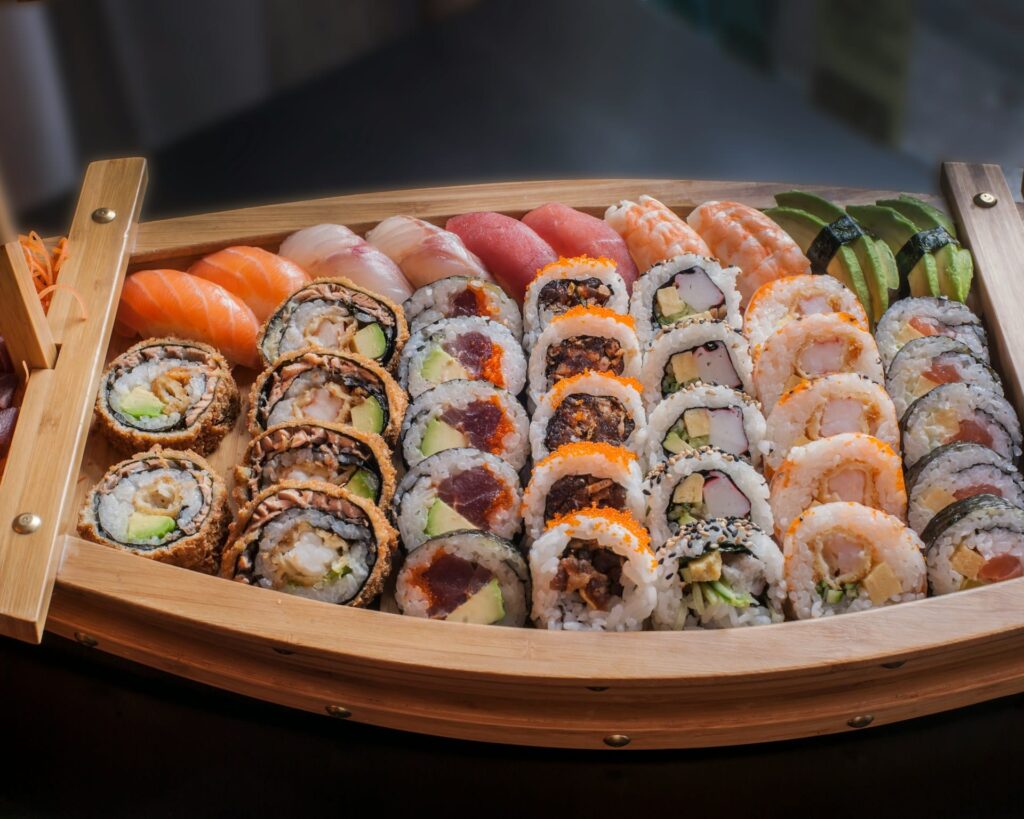
Wood disposable sushi trays offer an elegant and traditional presentation that can significantly enhance the perceived value of the sushi. Made from a renewable resource, wood provides a sophisticated and upscale look that appeals to customers seeking a premium dining experience.
Advantages of Wood Trays
The elegant presentation offered by wood disposable sushi trays can elevate the dining experience and enhance the perceived quality of the sushi. Wood is a renewable resource, making it a sustainable option when sourced responsibly. The natural beauty of wood adds a touch of sophistication to any sushi platter.
Disadvantages of Wood Trays
Wood sushi trays are generally the most expensive option. Their sustainability depends heavily on responsible sourcing practices. It’s crucial to choose trays made from sustainably managed forests to minimize environmental impact. Furthermore, wood can absorb moisture, so a liner is often required to prevent the sushi from becoming soggy.

Reliancepak: Your Partner for Quality Disposable Sushi Trays
At Reliancepak, we understand the importance of providing high-quality disposable sushi trays that meet the diverse needs of our customers. We offer a comprehensive range of options in plastic, paper, and wood, ensuring that you can find the perfect fit for your business. Our commitment to sustainability drives us to offer recycled plastic options, sustainably sourced wood trays, and compostable paper alternatives. We strive to provide durable, aesthetically pleasing, and environmentally responsible disposable sushi trays to help you create a memorable dining experience for your customers. We work closely with our clients to deliver personalized service.
Comparison Chart: A Quick Overview
| Feature | Plastic Disposable Sushi Trays | Paper Disposable Sushi Trays | Wood Disposable Sushi Trays |
|---|---|---|---|
| Durability | High | Medium (can improve with lining) | Medium to High (depends on wood type) |
| Cost | Low | Medium | High |
| Sustainability | Low (Recycled options available) | High (Biodegradable & Compostable) | Medium (Depends on Sourcing) |
| Presentation | Moderate | Good (Rustic, Natural) | Excellent (Elegant, Traditional) |
| Moisture Resistance | High | Low to Moderate (Depends on lining) | Moderate (Requires Lining) |
The above data is estimated and for reference only.
Choosing the Right Disposable Sushi Trays for Your Business: Key Considerations
Selecting the ideal disposable sushi trays hinges on carefully considering your specific business needs and priorities. Consider your target audience: are you catering to budget-conscious customers or those seeking a premium experience? What are your sustainability goals? Do you want to minimize your environmental impact? What kind of presentation are you aiming for? By carefully weighing these factors, you can make an informed decision.
Conclusion
Choosing the right disposable sushi trays is a crucial decision that impacts your bottom line, brand image, and environmental responsibility. By carefully weighing the pros and cons of plastic, paper, and wood, you can select the option that best meets your specific needs. Remember to consider food safety, durability, presentation, sustainability, and cost-effectiveness.