
Kraft paper has emerged as a leading choice for food packaging, offering a blend of natural appeal, durability, and sustainability. This versatile material, known for its strength, is increasingly favored by businesses and consumers alike. Its unique properties make it an excellent option for a wide range of food applications, from takeout containers to bakery boxes.
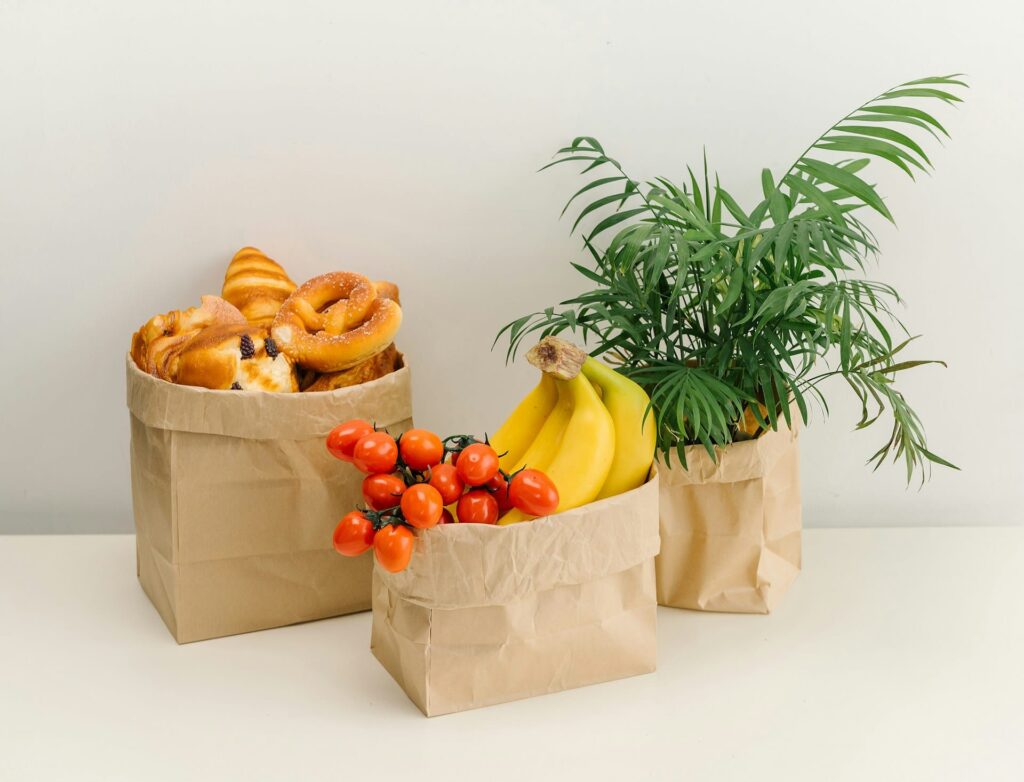
What is Kraft Paper?
Kraft paper is a naturally biodegradable material widely used across various industries for packaging and protection. The term “kraft” originates from the German word for “strength,” reflecting its robust nature. This material is produced through the kraft pulping process, which results in a remarkably durable and tear-resistant product.
The Kraft Process
The manufacturing of kraft paper involves a chemical process that enhances its strength. Wood chips are treated with sulfates, which significantly improves the durability of the final paper product. This method contrasts with traditional paper-making processes that often involve grinding wood chips and mixing them with adhesives.
Key Benefits of Kraft Paper in Food Packaging
Kraft paper offers numerous advantages that make it an ideal choice for food packaging. Its unique combination of durability, cost-efficiency, and aesthetic appeal sets it apart from other materials.
Durability and Protection
Kraft paper is renowned for its exceptional tensile strength, making it highly resistant to rips and punctures. This characteristic is vital in food service, where packaging must withstand handling and transportation stresses. Furthermore, the tightly woven natural fibers provide a degree of moisture resistance, helping to maintain the integrity of the packaging even when in contact with wet food items or in humid environments.
Cost-Efficiency
Compared to many other eco-friendly packaging materials, kraft paper is relatively affordable. Its manufacturing process is straightforward and requires fewer resources, contributing to its lower cost. This allows businesses to manage packaging expenses effectively without compromising on quality or sustainability.
Natural Aesthetic Appeal
One of the most appealing aspects of kraft paper is its inherent brown hue, which imparts a natural and artisanal charm. This rustic look is particularly popular in craft-oriented and locally-sourced food venues. It enhances the visual appeal of food presentations and aligns with consumer preferences for natural and environmentally responsible products.
Applications of Kraft Paper in Food Packaging
Kraft paper’s versatility allows for a wide range of innovative packaging options within the food industry. While traditionally used for corrugated boxes, its application in food packaging has expanded significantly.
Diverse Food Applications
Kraft paper is suitable for various food items, including:
- Paper soup bowls
- Paper salad bowls
- Takeaway boxes for fried food, burgers, sandwiches, and sushi
- Takeout paper bags
Enhanced Functionality
Many kraft paper food containers feature laminated surface treatments to provide excellent oil and water resistance. This protective layer effectively isolates moisture, oil, and other external factors, ensuring the packaging remains intact and the food fresh. These laminated boxes can also withstand high temperatures, further enhancing their utility in food service.
Environmental Impact and Sustainability
Kraft paper is considered an environmentally conscious choice due to its sustainable and renewable nature. It is made from wood pulp, a renewable resource, and is both biodegradable and recyclable.
Eco-Friendly Production and Disposal
The production of kraft paper has a relatively low environmental footprint. Its biodegradability means it breaks down naturally, reducing landfill waste. Moreover, its recyclability contributes to a circular economy, minimizing the need for virgin materials.
Comparison: Kraft Paper vs. Regular Paper
While both are paper-based, kraft paper offers distinct advantages over regular paper, especially for packaging.
| Feature | Kraft Paper | Regular Paper |
|---|---|---|
| Strength | High tensile strength, tear-resistant | Lower strength, more prone to tearing |
| Durability | Enhanced due to sulfate treatment | Less durable |
| Moisture | Some resistance, can be laminated for more | Low resistance |
| Aesthetics | Natural, rustic brown hue, good for printing | Varies, often bleached white, less textured |
| Sustainability | Biodegradable, recyclable, renewable resource | Varies, often bleached, less eco-friendly |
Frequently Asked Questions (FAQ)
Q1: Is kraft paper food packaging safe?
A1: Yes, kraft paper food packaging is generally safe. Many products are made from food-grade paper materials and can be laminated to prevent direct contact with food, ensuring hygiene and safety.
Q2: Can kraft paper packaging be customized?
A2: Absolutely. Kraft paper’s neutral shade and compatibility with various printing methods make it an ideal canvas for custom designs, logos, and branding elements.
Q3: Is kraft paper packaging suitable for hot food?
A3: Yes, especially when laminated. Laminated kraft paper containers can withstand high temperatures, making them suitable for hot food items like soups and fried dishes.
Q4: How does kraft paper contribute to sustainability?
A4: Kraft paper is made from renewable wood pulp, is biodegradable, and recyclable. These properties help reduce carbon footprint and minimize environmental impact compared to traditional packaging materials.