TL;DR: Food brands are switching to sugarcane packaging because it offers a powerful combination of high performance, genuine sustainability, and a strong positive story that today’s consumers want. It’s a plant-based plastic alternative that reduces reliance on fossil fuels.
Sugarcane packaging, a type of bioplastic known as Bio-PE (Polyethylene), is gaining traction among food brands for several compelling reasons. It is a direct, drop-in replacement for conventional plastic, offering the same durability and protective qualities. Critically, it is made from a rapidly renewable resource—sugarcane—which captures carbon dioxide from the atmosphere as it grows. This process creates a circular system, making the packaging carbon-neutral over its lifecycle. For brands, this switch is a tangible, marketable step toward their sustainability goals, enhancing brand image and directly appealing to the growing demographic of eco-conscious consumers.
If you’re curious about how a material derived from a plant can compete with traditional plastic, you’re in the right place. Let’s explore the real business drivers behind this green packaging shift.
Why is sugarcane packaging considered a superior eco-friendly option?
The core appeal lies in its renewable nature and carbon footprint. Unlike conventional plastics derived from finite fossil fuels, sugarcane is a biomass that regrows every year.
During its growth phase, the sugarcane plant absorbs CO? from the atmosphere. This offsets the emissions released when the packaging is eventually incinerated or composted, creating a neutral or even negative carbon footprint over its full lifecycle.
This circular model is a stark contrast to the linear “take-make-dispose” model of traditional plastics. For brands aiming for Net Zero, this is a major strategic advantage. To understand the full range of eco-friendly materials available, our Ultimate Guide to Sugarcane Packaging provides a detailed comparison.
Does switching to ‘green’ packaging mean compromising on quality?
Absolutely not. This is a key misconception. Sugarcane-based plastic, or Bio-PE, is chemically identical to its fossil-fuel counterpart.
This means it performs exactly the same. It provides:
- Excellent durability and impact resistance.
- Strong moisture and aroma barriers to keep food fresh.
- Full compatibility with existing filling and sealing machinery.
Brands don’t have to choose between protecting their product and protecting the planet. They get both. This performance parity makes the transition to a sustainable packaging trend seamless for operations and reliable for customers.
How does this packaging support a brand’s sustainability goals?
Adopting sugarcane packaging for food brands is one of the most visible and effective eco packaging solutions for demonstrating a commitment to the environment. It provides a concrete story that marketing and communication teams can leverage.
Today’s consumers, especially younger generations, actively seek out brands that align with their values. Using packaging made from plants is a simple, understandable, and positive message. It directly enhances brand sustainability and can be a deciding factor at the point of sale. This strategic move is central to a modern green packaging strategy, helping to build loyalty and trust.
Is sugarcane packaging a practical and scalable solution?
Yes, the scalability and practicality are proven. Major global brands in beverages, dairy, and snacks have already integrated sugarcane packaging into their supply chains at a massive scale. The supply chain for sugarcane is well-established and geographically diverse, reducing the risk of disruption.
Furthermore, since it’s a “drop-in” solution, it requires no capital investment to retrofit production lines. This makes it a low-risk, high-reward decision for businesses looking to innovate without operational headaches.
Conclusion
The shift toward sugarcane packaging is more than a fleeting trend; it’s a smart business response to market demands and environmental realities. It delivers the performance brands need with the sustainability credentials that consumers desire. By making the switch, food companies can future-proof their operations, strengthen their brand identity, and play a part in building a more circular economy.
FAQ
Is sugarcane packaging biodegradable?
No, the most common type (Bio-PE) is not biodegradable but is recyclable within existing plastic streams.
Does producing sugarcane packaging harm the environment?
Responsibly sourced sugarcane has a significantly lower environmental impact than extracting and refining petroleum for plastic.
What types of food products is it suitable for?
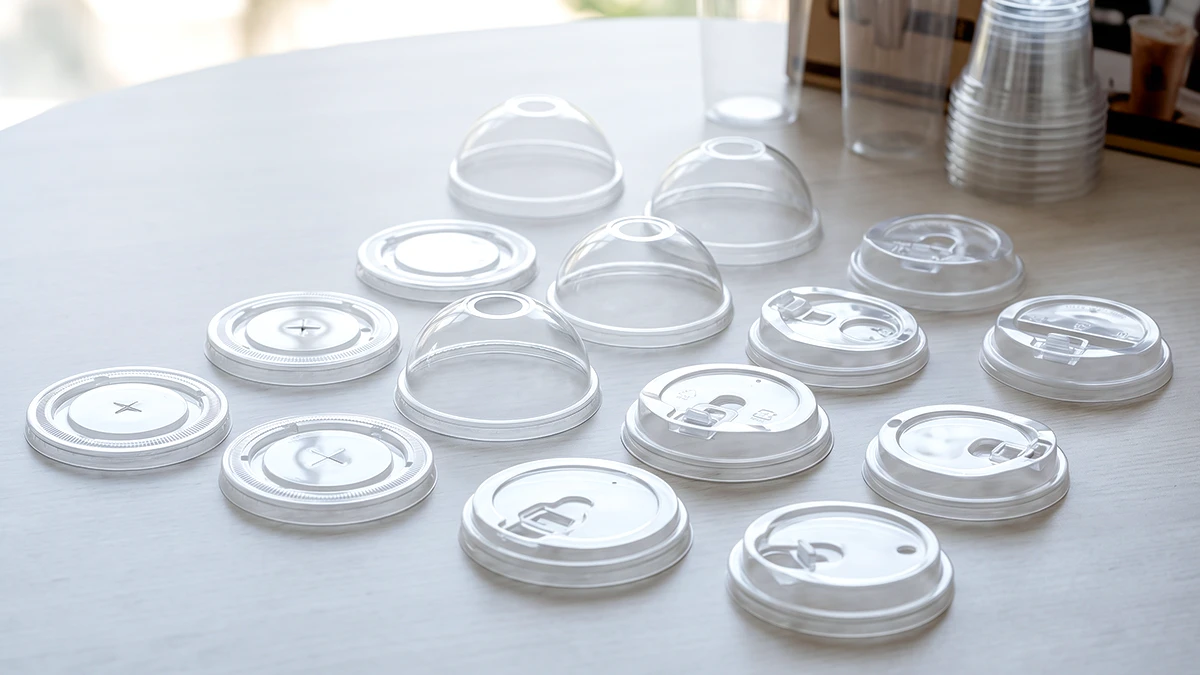
It’s versatile and used for bottles, tubs, lids, and films for products like water, juices, yogurts, and snacks.
Is it more expensive than traditional plastic?
There can be a slight premium, but the cost is decreasing as adoption grows, and the marketing value often offsets the difference.