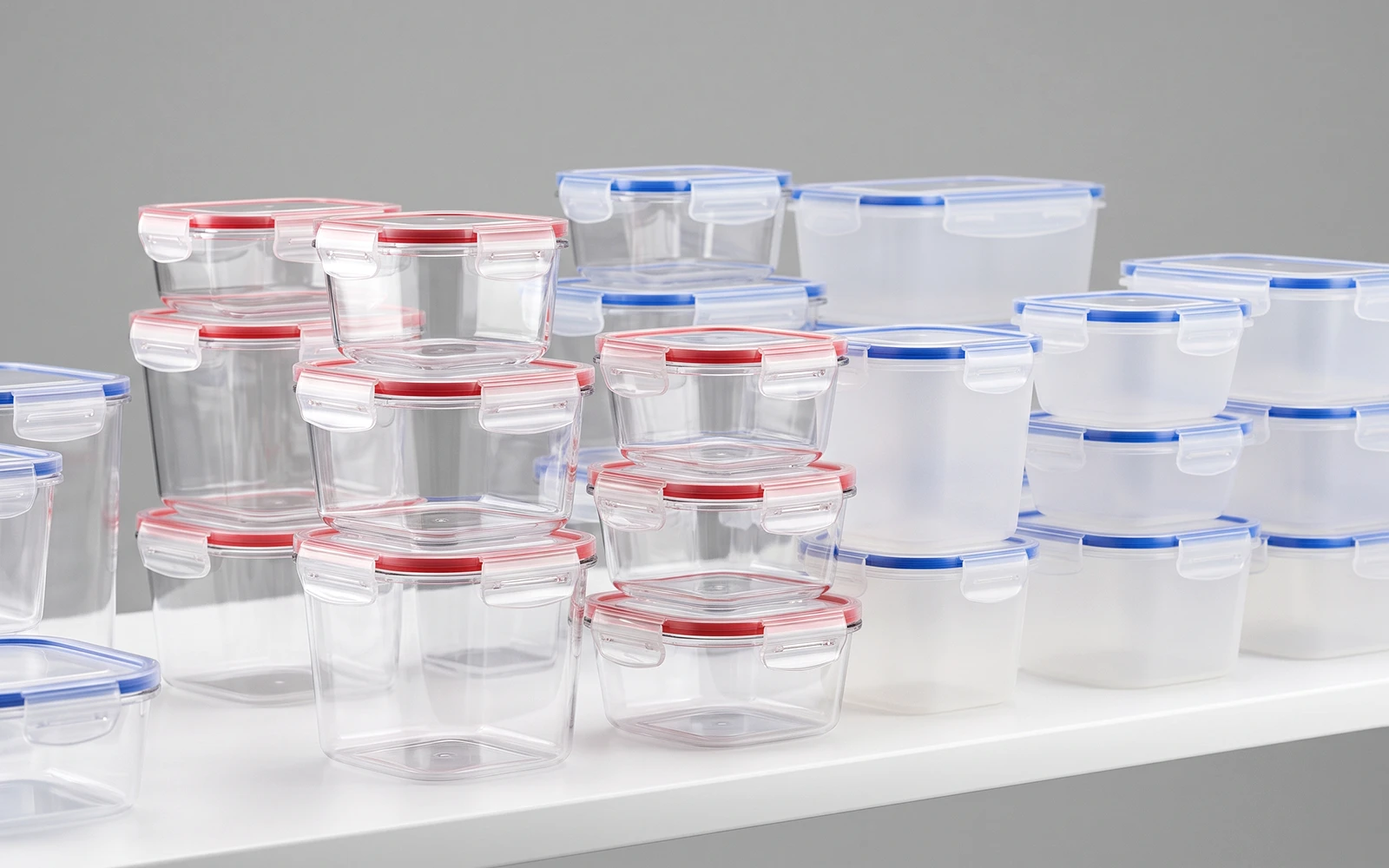
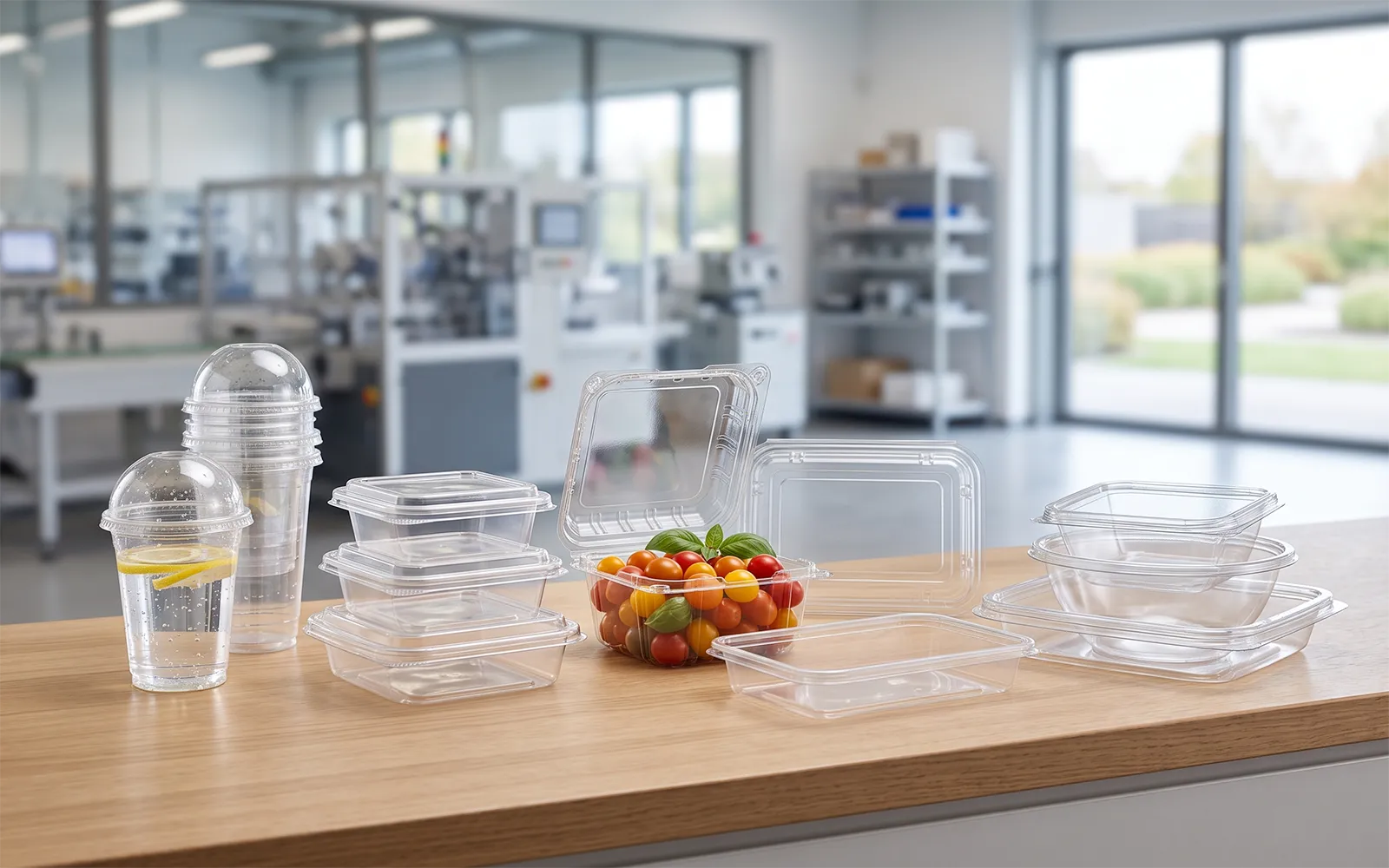
PET packaging solutions refer to packaging products made from polyethylene terephthalate — a thermoplastic polymer used across a wide range of industries for its combination of clarity, barrier performance, and recyclability. If you’re sourcing packaging for food products, pharmaceuticals, or consumer goods, you’ve likely encountered PET as a material option. Understanding what PET can and cannot do matters more than ever, given increasing regulatory pressure around plastic use and recyclability.
Unlike many packaging materials that excel in one area but fall short in others, PET offers a practical middle ground: it is transparent enough for product visibility, strong enough for stacking during transport, and compatible with existing recycling streams in most developed markets. But not all PET packaging is the same, and the right choice depends heavily on your application.
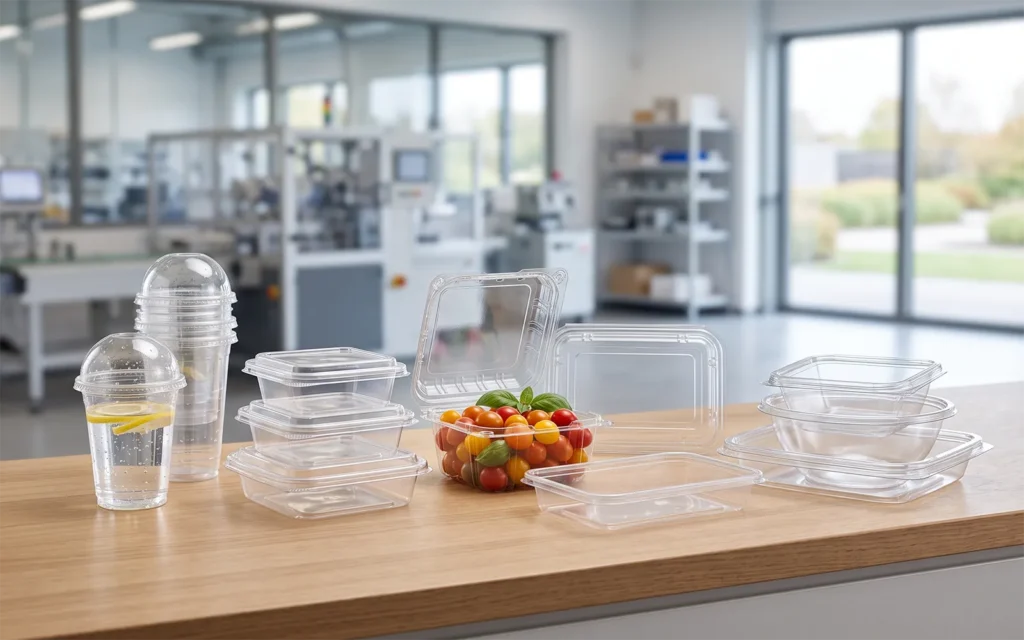
Common Types of PET Packaging Solutions
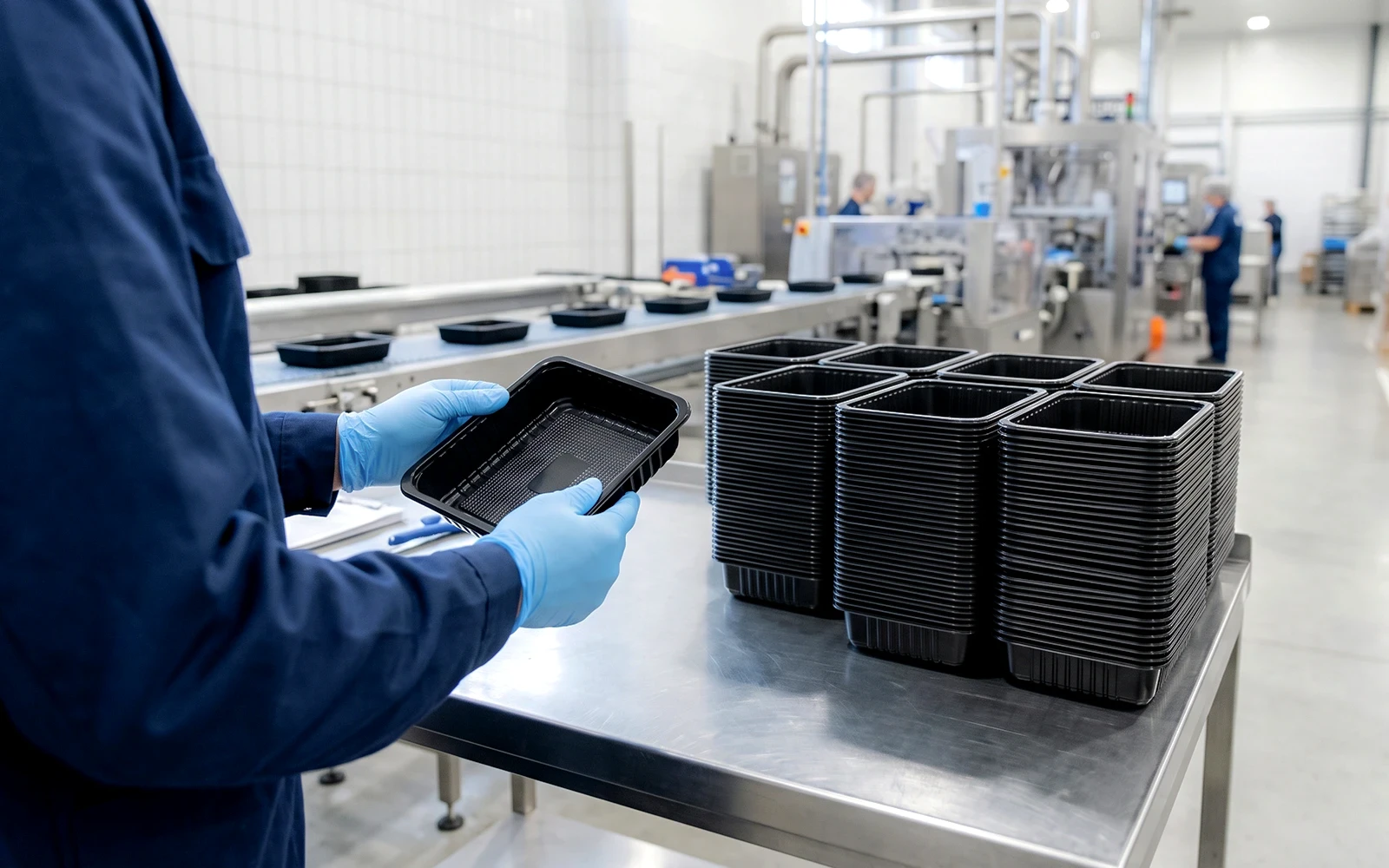
PET is processed through two primary methods: injection-stretch blow moulding for bottles and jars, and thermoforming for trays, containers, and clamshells. The table below breaks down the most common formats and their typical uses.
| Packaging Format | Manufacturing Method | Typical Applications |
|---|---|---|
| PET Bottles & Jars | Injection-stretch blow moulding | Beverages, sauces, cooking oils, pharmaceuticals |
| Thermoformed Trays | Sheet extrusion + thermoforming | Fresh meat, seafood, ready meals, produce |
| Clamshell Containers | Thermoforming | Bakery items, salad mixes, takeaway food |
| PET Lidding Film | Roll-fed thermoforming | Sealing trays for extended shelf life |
| Custom PET Containers | Injection moulding or thermoforming | Cosmetics, electronics packaging, industrial parts |
Each format serves a distinct purpose, and selecting the wrong type — for example, using a standard tray where a high-barrier version is needed — can lead to product spoilage or increased costs from secondary overpackaging.
Industries That Depend on PET Packaging
Food and beverage remains the largest consumer of PET packaging solutions, driven by the material’s FDA and EU food-contact approval, optical clarity, and lightweight structure. Within this sector, fresh protein packaging (meat, poultry, seafood) relies heavily on high-barrier PET trays that extend chilled shelf life without freezing.
Pharmaceutical and healthcare applications use PET for blister packs and bottle packaging where chemical resistance and FDA compliance are non-negotiable. Unlike glass, PET is shatter-resistant, reducing liability in transit and on pharmacy shelves.
Personal care and household products increasingly adopt PET because of its design flexibility — the material accepts custom colours, textures, and labelling without compromising recyclability. Brands under sustainability pressure are replacing PVC and PS with PET wherever possible.
For B2B buyers, the key question is not whether PET works, but which grade and format matches your production requirements, filling line compatibility, and end-market expectations.
Practical Considerations When Sourcing PET Packaging
Procuring PET packaging solutions at scale is not simply a matter of picking a supplier and placing an order. A few operational realities are worth planning for:
- Material grade matters. Virgin food-grade PET, rPET (recycled content), and APET (amorphous) each behave differently under heat, filling, and sealing. Confirm which grade your filling equipment supports.
- Barrier requirements vary. Standard PET offers moderate oxygen and moisture barrier. For products requiring extended shelf life — fresh meat, dairy, or oxygen-sensitive foods — you will need multi-layer or coated barrier PET.
- MOQ and tooling. Custom tray or container shapes require mould tooling, which involves upfront investment and longer lead times. Standard shapes are more cost-effective for initial runs.
- Logistics and lead time. PET packaging is voluminous but lightweight. Sourcing from a supplier with export experience and reliable shipping routes — particularly for markets in Europe, the Americas, and Southeast Asia — reduces freight surprises.
Rigid PET packaging solutions for food processing and distribution offer the best balance when weight reduction, product visibility, and recyclability are all priorities. The commercial advantage comes from working with a supplier who understands both material science and the practical constraints of your production line.
Frequently Asked Questions
Is PET packaging safe for food contact?
Yes. Food-grade PET meets FDA (US) and EU Regulation 10/2011 standards. It does not contain BPA or phthalates and is widely accepted as safe for direct food contact across major global markets.
Can PET packaging be recycled?
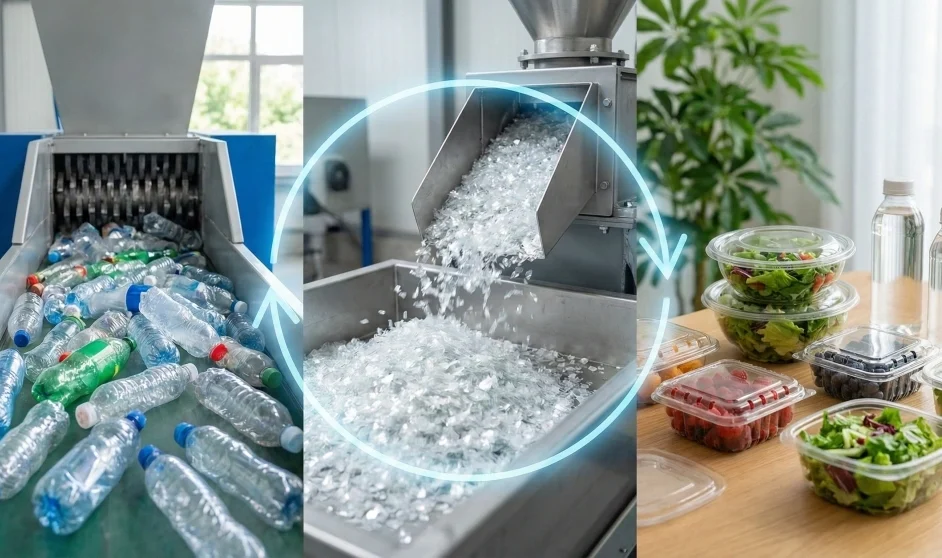
Yes. PET is one of the most widely recycled plastics globally. Most municipal recycling programmes accept it, and many countries have established collection and reprocessing infrastructure.
What is the difference between PET, APET, and rPET?
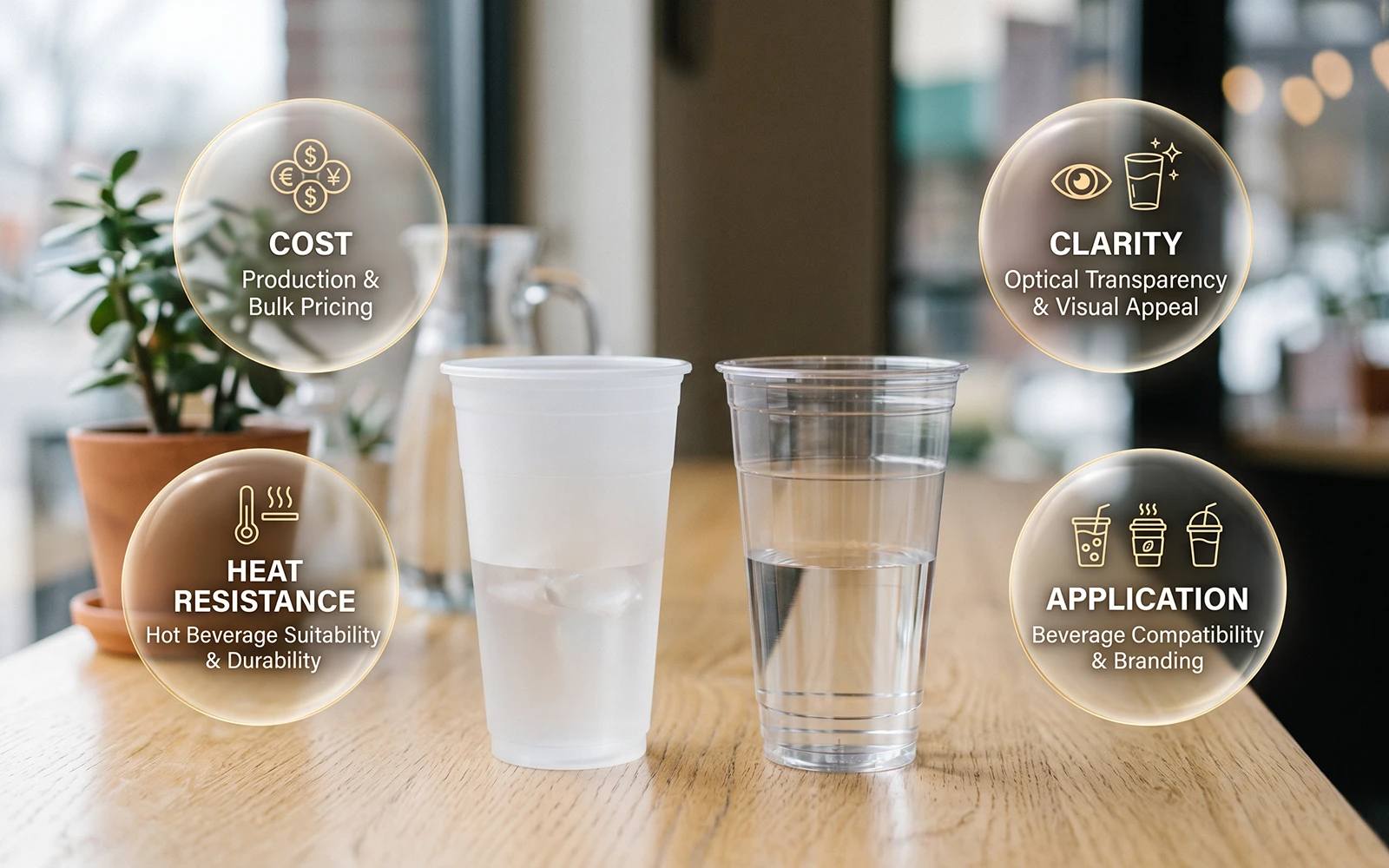
PET is the base polymer. APET (amorphous PET) is the transparent, thermoformable version used for trays. rPET contains recycled content. Each has different sealing, clarity, and thermal properties depending on the application.
How do I choose the right PET packaging for my product?
Start by identifying your filling temperature, sealing method, required shelf life, and whether product visibility matters. These four factors narrow your options significantly before you approach a supplier.
What MOQ should I expect for custom PET trays?
For custom thermoformed trays, MOQs typically range from 10,000 to 50,000 pieces depending on complexity. Standard off-the-shelf shapes have no minimum order beyond a carton quantity.