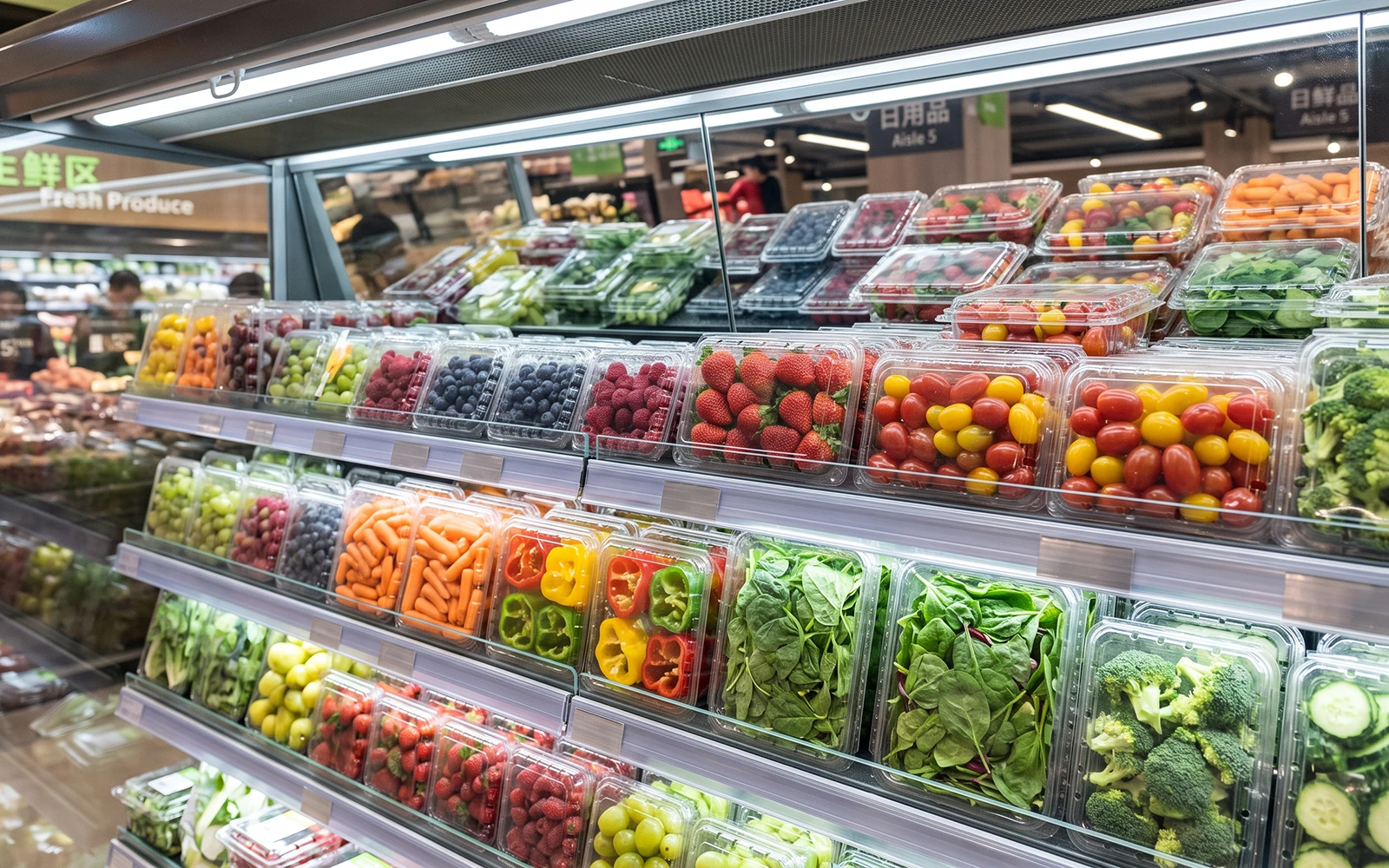
Walk through any retail aisle and you will see clamshell packaging in half a dozen different forms—each engineered for a specific product weight, shelf presence, and security requirement. Choosing the wrong style means either overpaying for protection your item does not need or, worse, watching returns spike because the packaging failed. This guide breaks down every major type so you can match your product to the right clamshell the first time.
What Makes a Clamshell a Clamshell?
At its core, a clamshell is a thermoformed or rigid plastic container composed of two halves that close around a product like a shell. The hinge, seal method, and material thickness vary widely, but the principle stays the same: clear visibility plus physical protection in a single unit.
The format gained traction decades ago in electronics retail, where shoplifting drove the need for tamper-evident packaging. Today, clamshells serve industries from fresh produce to automotive parts, and the range of styles has expanded to match.
Full-Seal Clamshells
Full-seal clamshells bond both halves permanently through heat sealing or RF (radio frequency) sealing. Once the bond is set, the only way to access the product is to cut through the plastic—leaving obvious evidence of tampering.
This type works well for high-value electronics, medical devices, and pharmaceutical accessories where tamper evidence is a priority. The permanent seal also keeps dust, moisture, and contaminants away from sensitive components during transit and shelf life.
The trade-off is consumer frustration. Rigid full-seal clamshells are famously difficult to open—often called “wrap rage” in consumer feedback. If your target market values a premium unboxing experience, you may need to balance security with features like perforated tear strips or easy-open tabs.
Trapped Blister Clamshells
A trapped blister clamshell sandwiches a printed cardboard insert between two formed plastic halves. The card carries your branding, product specs, barcodes, and regulatory information, while the rigid plastic provides structural protection and product visibility.
This format dominates hardware stores, DIY retail, and home improvement channels. Hanging-hole punch-outs on the card make it compatible with peg displays, and the flat surface area on the insert gives marketing teams room for bilingual instructions or multi-language compliance text.
One practical consideration: the cardboard must be die-cut to match the thermoformed cavity exactly. Misalignment creates gaps that compromise the seal and can let the product shift during shipping.
Mock Clamshells (Two-Piece)
Mock clamshells use two separate plastic pieces that snap together without a permanent hinge. They offer more flexibility in shape because each half is independently formed—useful when the product has an irregular profile or when you need different cavity depths on each side.
Assembly takes slightly longer on packing lines since operators must align and press-fit both halves rather than folding a single hinged piece closed. For high-volume operations, this added step can affect throughput unless you invest in automated snap-close equipment.
Mock clamshells also allow different materials or colors on each half, which some brands use to create visual contrast or indicate “open here” instructions.
Fold-Over Clamshells
A single sheet of plastic folds over the product along a scored or thermoformed hinge line. Fold-over clamshells use less material than two-piece alternatives, which lowers per-unit cost and reduces shipping weight.
Stationery, craft supplies, and small consumer goods frequently use this style. The lighter construction suits items where the packaging primarily serves a display and anti-theft function rather than heavy-duty protection.
The limitation is structural rigidity. Fold-over designs thin out at the hinge, so they are not ideal for products over roughly 500 grams or items that face significant compression loads during palletization.
How the Types Compare at a Glance
| Type | Seal Method | Resealable | Best For | Relative Cost |
|---|---|---|---|---|
| Full-Seal | Heat or RF | No | Electronics, medical devices | Higher |
| Trapped Blister | Heat + card sandwich | No | Hardware, DIY retail | Medium |
| Mock (Two-Piece) | Snap-fit | Yes (limited) | Irregular-shaped products | Medium |
| Fold-Over | Tuck or snap | Yes | Stationery, light consumer goods | Lower |
How to Select the Right Type for Your Product
Start with three questions:
- How heavy is the product? Items above 1 kg generally need the rigidity of full-seal or trapped blister formats.
- Does the customer need to reaccess the item? If resealability matters (think refillable cartridges or multi-use tools), mock or fold-over designs make more sense.
- Where will it be displayed? Peg-hook retail favors trapped blister clamshells with card inserts. Shelf displays can use any format, but full-seal units often include a built-in stand or hang tab.
Material choice follows from these decisions. PET (polyethylene terephthalate) is the most common thermoforming plastic for clamshells—it is clear, recyclable in many municipal streams, and FDA-compliant for food-contact applications. PVC costs less but faces increasing regulatory scrutiny in European and some North American markets.
Sizing Considerations
Cavity depth, flange width, and overall footprint all affect how your clamshell performs on the shelf and in transit. A few practical guidelines:
- Leave at least 3 mm of clearance around the product on all sides to prevent stress marks on the plastic during thermoforming.
- Flange widths of 8–12 mm provide enough surface for heat sealing while keeping material usage in check.
- For trapped blister designs, the card should extend 5 mm beyond the plastic flange on each edge to avoid delamination under hanging weight.
If you are sourcing clamshell packaging for food or consumer goods, Reliancepak offers custom thermoformed clamshells with FDA-compliant materials and fast global delivery. You can request free samples to evaluate cavity fit and seal integrity before committing to a production run. Visit reliancepak.com or email admin@bereliance.com for specifications.
FAQ
What is the most tamper-resistant type of clamshell packaging?
Full-seal clamshells provide the highest level of tamper evidence. The permanent heat or RF bond cannot be opened and resealed without visible damage to the plastic.
Can clamshell packaging be made from recycled materials?
Yes. Many manufacturers now offer clamshells made from post-consumer recycled (PCR) PET. The material maintains clarity and rigidity while reducing virgin plastic consumption. Availability and PCR percentage vary by supplier.
What is a trapped blister clamshell used for?
It is commonly used in hardware and DIY retail where a printed cardboard insert displays branding and product information while the plastic shell protects the item from impact and tampering.
How do I choose between a mock clamshell and a fold-over clamshell?
Mock clamshells suit irregularly shaped products that need independent cavity geometries on each half. Fold-over clamshells work best for lightweight, regularly shaped items where lower material cost and faster packing matter more than structural rigidity.
Are clamshells suitable for food packaging?
Yes, provided the plastic material carries appropriate food-contact certifications such as FDA compliance in the United States or EU regulation 1935/2004 in Europe. PET is the most widely accepted food-safe option.