
In an era defined by increasing environmental awareness, the packaging industry is undergoing a profound transformation. Businesses across sectors, particularly those in food and retail, are actively seeking sustainable alternatives to traditional packaging materials. This shift is driven by consumer demand, regulatory pressures, and a genuine commitment to reducing ecological footprints. Among the myriad of eco-friendly options emerging, kraft paper boxes have consistently risen to prominence, leading the charge in sustainable packaging trends. This blog post will delve into the key drivers of eco-friendly packaging, highlight the leading trends, and explain why kraft paper boxes are at the forefront of this green revolution, offering unparalleled benefits for B2B clients like you.

The Driving Forces Behind Eco-Friendly Packaging
The push for sustainable packaging is not a fleeting fad; it is a fundamental shift driven by a confluence of powerful factors:
1. Consumer Demand and Brand Image
Modern consumers are increasingly conscious of the environmental impact of their purchases. They actively seek out brands that demonstrate a commitment to sustainability, and packaging is often the first touchpoint for this perception. Businesses that adopt eco-friendly packaging can significantly enhance their brand image, build customer loyalty, and attract a growing segment of environmentally aware consumers.
2. Regulatory Pressures and Corporate Social Responsibility (CSR)
Governments and international bodies are implementing stricter regulations on packaging waste, plastic use, and recyclability. Companies are responding by setting ambitious sustainability targets as part of their Corporate Social Responsibility initiatives. Adopting eco-friendly packaging helps businesses comply with evolving regulations and meet their internal CSR goals, demonstrating responsible corporate citizenship.
3. Resource Scarcity and Supply Chain Resilience
The reliance on finite resources for traditional packaging materials is becoming unsustainable. Eco-friendly packaging often utilizes renewable resources or recycled content, contributing to a more resilient and sustainable supply chain. This reduces dependence on volatile raw material markets and promotes long-term operational stability.
4. Waste Reduction and Circular Economy Principles
The global waste crisis necessitates a move towards a circular economy, where materials are kept in use for as long as possible. Eco-friendly packaging, designed for recyclability, compostability, or reusability, plays a vital role in minimizing landfill waste and maximizing resource efficiency. This approach transforms waste into valuable resources, closing the loop in material cycles of material consumption.
Key Eco-Friendly Packaging Trends
The packaging industry is rapidly evolving, with several key trends shaping its sustainable future. These trends reflect a collective effort to minimize environmental impact and promote a more circular approach to material use.
1. Increased Use of Recycled Content
One of the most impactful trends is the growing adoption of packaging made from recycled materials. This reduces the demand for virgin resources, conserves energy, and diverts waste from landfills. Consumers and businesses alike are increasingly seeking products packaged in materials with a high percentage of post-consumer recycled (PCR) content.
2. Emphasis on Recyclability and Compostability
Designing packaging for its end-of-life is paramount. The focus is on creating packaging that can be easily recycled through existing infrastructure or composted, returning organic matter to the soil. This trend necessitates clear labeling and consumer education to ensure proper disposal.
3. Reduction of Plastic and Single-Use Materials
There is a significant global movement to reduce reliance on conventional plastics, particularly single-use plastics, due to their persistence in the environment and challenges with recycling. Businesses are actively exploring alternatives that offer similar functionality without the environmental burden.
4. Lightweighting and Material Optimization
Minimizing the amount of material used in packaging, without compromising product protection, is another critical trend. Lightweighting reduces transportation costs, lowers carbon emissions, and conserves resources. This involves innovative design and material selection.
5. Bio-based and Renewable Materials
The shift towards materials derived from renewable resources, such as plant-based plastics (bioplastics) and sustainably sourced paper, is gaining momentum. These materials offer a lower carbon footprint and can often be compostable, providing a more sustainable alternative to fossil fuel-based plastics.
6. Reusable and Refillable Packaging Systems
While more complex to implement, the development of reusable and refillable packaging models represents a significant step towards a truly circular economy. This trend aims to eliminate single-use packaging altogether by designing systems where containers are returned, cleaned, and refilled for multiple uses.
Why Kraft Paper Boxes Lead the Way
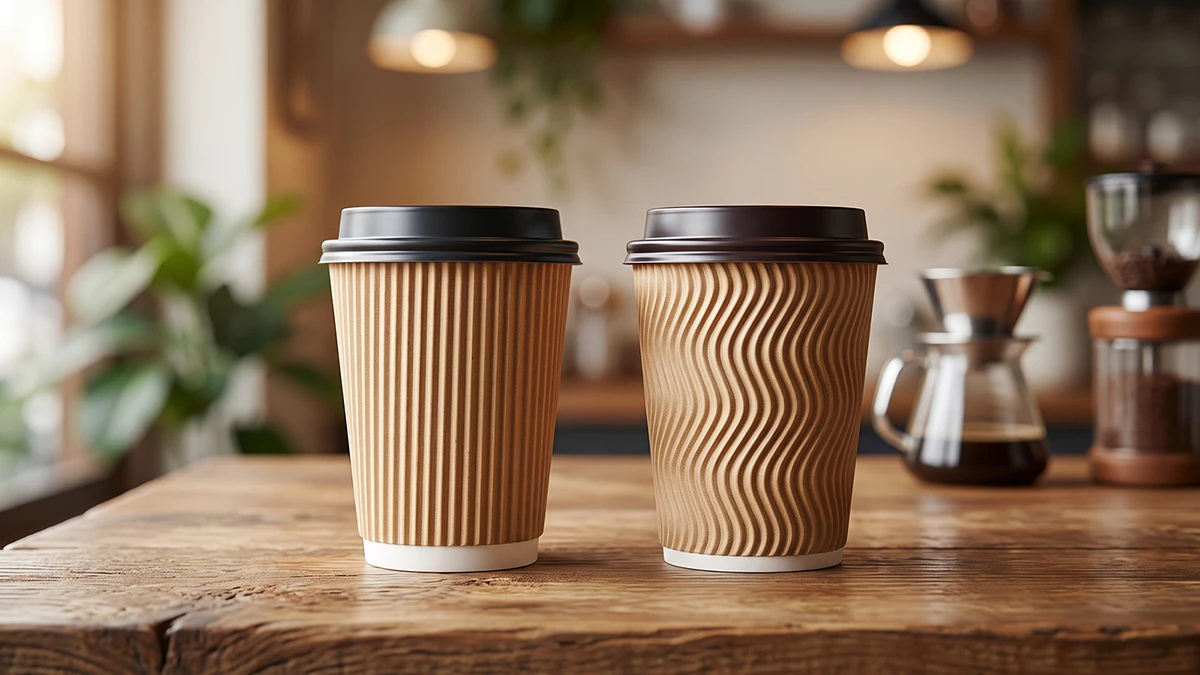
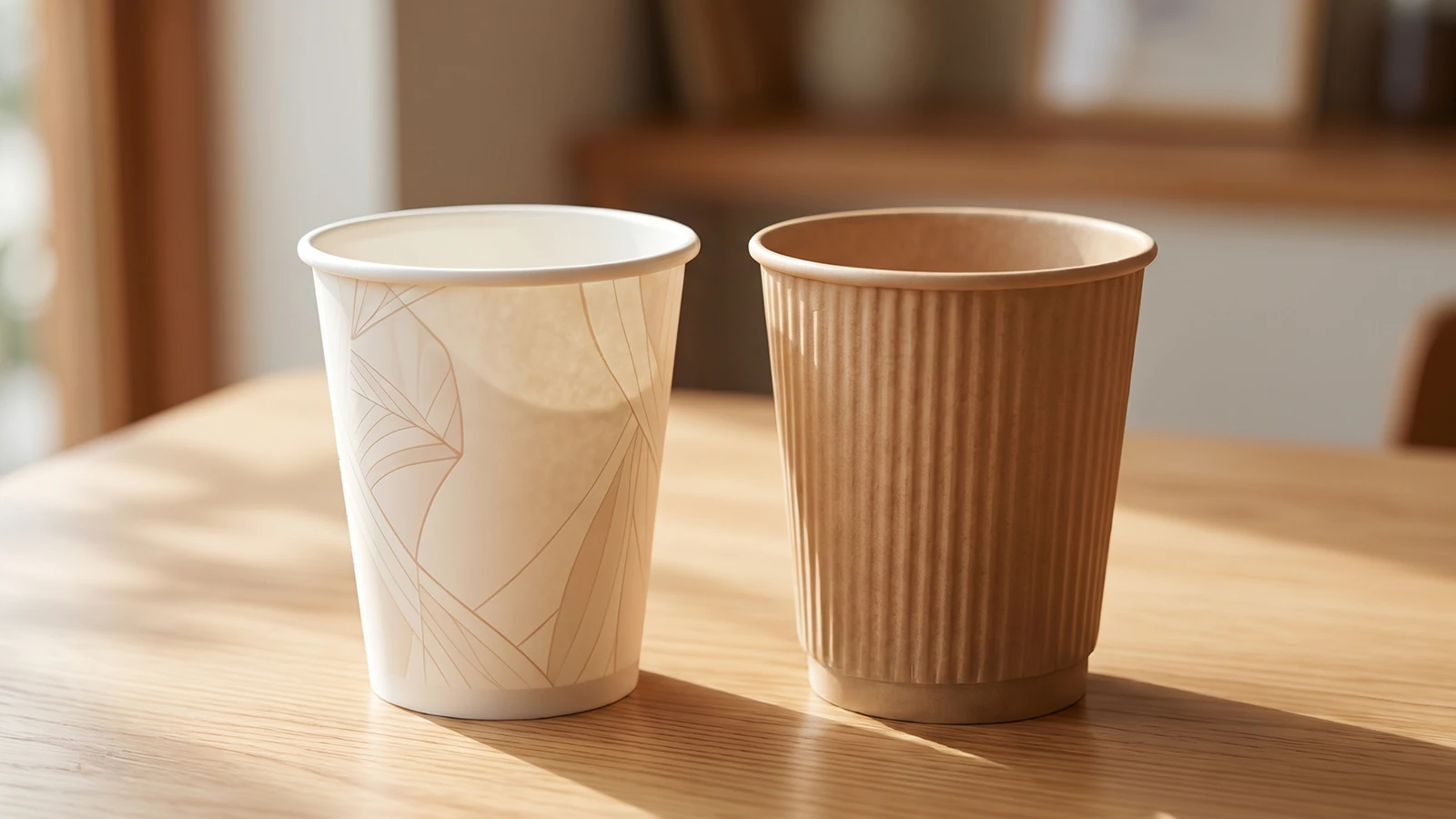
Amidst these evolving eco-friendly packaging trends, kraft paper boxes stand out as a versatile and highly effective solution. Their inherent properties and adaptability make them a frontrunner in sustainable packaging.
1. Renewable Resource Base
Kraft paper is made from wood pulp, a renewable resource. When sourced from sustainably managed forests, the production of kraft paper has a significantly lower environmental impact compared to materials derived from fossil fuels. This aligns perfectly with the trend towards bio-based and renewable materials.
2. High Recyclability and Compostability
As discussed in previous blogs, natural kraft paper is highly recyclable. Even with certain food-grade coatings like PLA, many kraft paper boxes are commercially compostable. This dual capability makes them an excellent choice for businesses committed to circular economy principles, ensuring that packaging can be returned to the material stream or to the earth.
3. Reduced Plastic Dependence
Kraft paper boxes offer a direct and effective alternative to plastic packaging, helping businesses reduce their plastic footprint. This is particularly relevant for food packaging, where plastic reduction is a major industry goal. By choosing kraft, companies can meet consumer expectations for less plastic and contribute to a cleaner environment.
4. Lightweight and Durable
Despite their robust nature, kraft paper boxes can be designed to be surprisingly lightweight. This contributes to material optimization and reduces transportation emissions. Their inherent strength also ensures product protection, minimizing damage and waste throughout the supply chain.
5. Versatility and Customization
Kraft paper is incredibly versatile, allowing for a wide range of designs, shapes, and sizes. It can be easily printed on, offering excellent branding opportunities. Furthermore, with the application of food-grade coatings, kraft boxes can be made leak-proof and grease-resistant, catering to diverse product needs without compromising on sustainability.
6. Positive Consumer Perception
The natural, earthy aesthetic of kraft paper often resonates positively with consumers, conveying a sense of authenticity and environmental responsibility. This visual appeal, combined with the material’s sustainable attributes, reinforces a brand’s commitment to eco-conscious practices.
Reliancepak, with its extensive experience and 9 production lines, is at the forefront of providing high-quality kraft paper box solutions. Our products are designed to meet the rigorous demands of B2B clients, offering fast delivery, professional customization, and environmentally friendly materials with certifications like EU and FDA food-grade standards. We empower businesses to embrace sustainable packaging without sacrificing performance or cost-effectiveness.
Conclusion
The landscape of packaging is rapidly evolving, with eco-friendly solutions taking center stage. Kraft paper boxes, with their renewable resource base, high recyclability and compostability, plastic reduction capabilities, and inherent versatility, are undoubtedly leading the way in these sustainable packaging trends. For B2B clients, embracing kraft paper packaging is not just an environmental choice; it is a strategic business decision that enhances brand reputation, meets regulatory demands, and resonates with a growing segment of environmentally conscious consumers. By partnering with a reliable supplier like Reliancepak, you can confidently transition to packaging solutions that are both high-performing and environmentally responsible, securing a sustainable future for your business.
Frequently Asked Questions (FAQs)
Q1: What are the main drivers of eco-friendly packaging trends?
A1: Key drivers include increasing consumer demand for sustainable products, stricter environmental regulations, corporate social responsibility initiatives, and the global push for waste reduction and circular economy principles.
Q2: How do kraft paper boxes contribute to sustainability?
A2: Kraft paper boxes are made from renewable resources, are highly recyclable and often compostable, help reduce plastic waste, and are lightweight yet durable, contributing to a lower environmental footprint.
Q3: Are kraft paper boxes always eco-friendly?
A3: While inherently eco-friendly, the overall sustainability of kraft paper boxes depends on factors like responsible sourcing, the type of coatings used (if any), and proper end-of-life disposal (recycling or composting).
Q4: Can kraft paper boxes replace all types of plastic packaging?
A4: Kraft paper boxes can replace many types of plastic packaging, especially for dry, moist, or greasy foods when treated with appropriate barriers. However, specific applications may still require specialized materials.
Q5: How can businesses transition to more eco-friendly packaging?
A5: Businesses can start by assessing their current packaging, researching sustainable alternatives like kraft paper, partnering with experienced suppliers, and educating their customers on proper disposal methods.