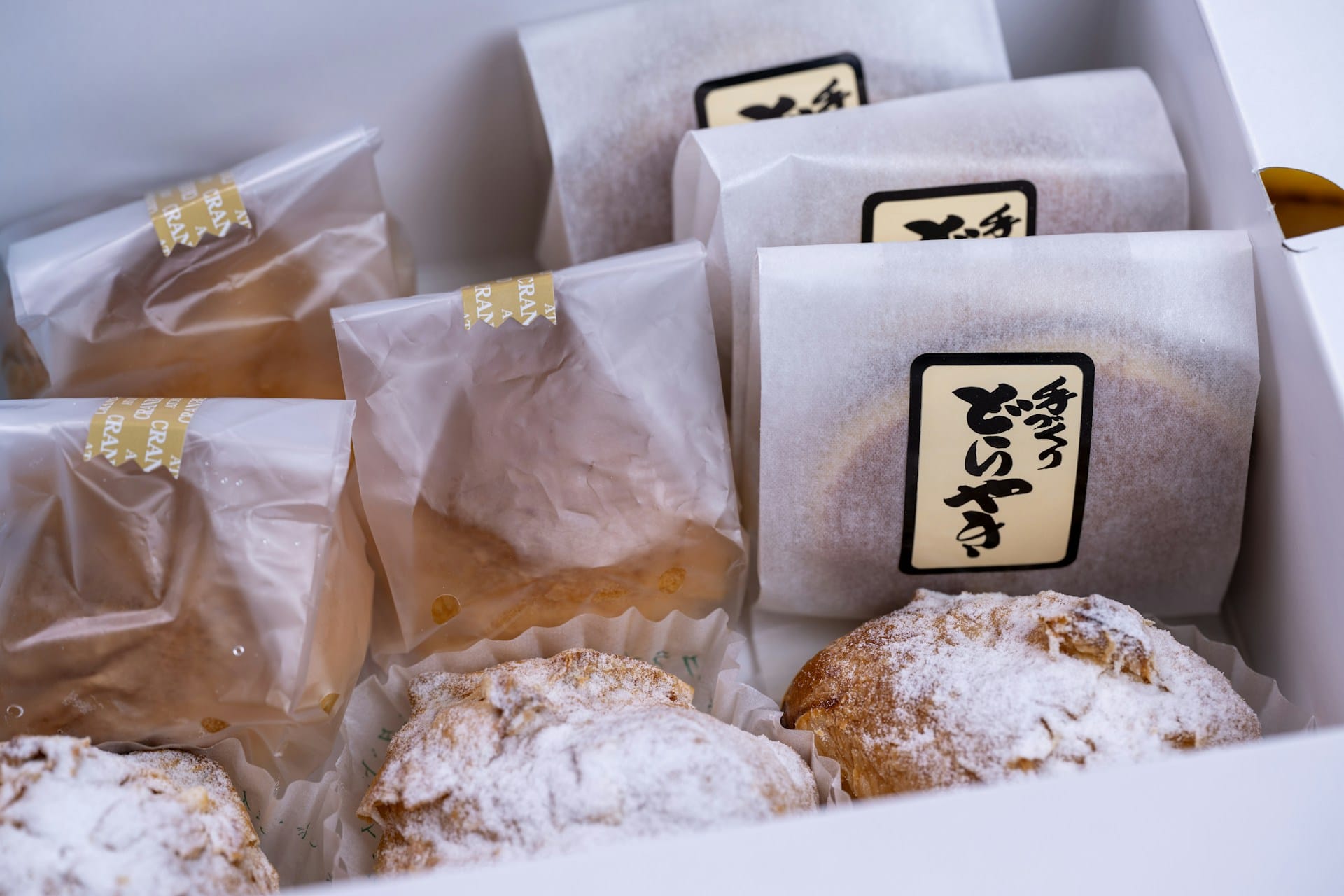
Introduction: Navigating Bakery Packaging Choices
Choosing the right packaging for your bakery products is a critical decision. It impacts product freshness, brand perception, and operational costs. For B2B clients, this choice extends to sustainability goals and supply chain efficiency. This blog post delves into the key considerations when comparing paper and plastic bakery packaging supplies. We will explore their advantages and disadvantages to help you make an informed decision for your business.
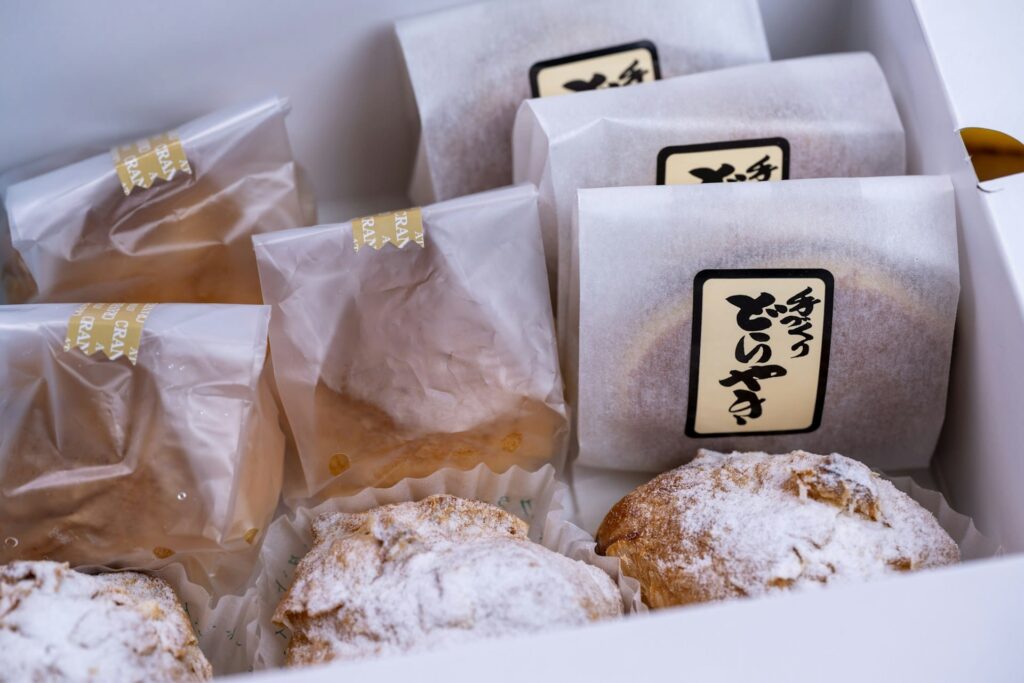
Paper Packaging: Advantages and Disadvantages
Paper-based packaging has long been a staple in the bakery industry. Its natural appeal and perceived environmental benefits make it a popular choice. However, it also comes with certain limitations that businesses must consider.
Advantages of Paper Bakery Packaging
Paper packaging offers several compelling benefits, particularly for businesses focused on sustainability and brand image.
- Environmental Friendliness: Paper is biodegradable, recyclable, and often made from renewable resources. This aligns well with growing consumer demand for eco-conscious products.
- Brand Customization: Paper offers excellent printability, allowing for vibrant designs and strong brand messaging. This is crucial for creating a memorable unboxing experience.
- Breathability: Paper allows baked goods to breathe, which can be beneficial for certain products. It helps prevent sogginess and maintains crust crispness.
- Cost-Effectiveness: In many cases, paper packaging can be a more economical option, especially for standard designs and bulk orders.
Disadvantages of Paper Bakery Packaging
Despite its benefits, paper packaging also presents some challenges that need to be addressed.
- Moisture Sensitivity: Paper is highly susceptible to moisture, which can compromise its structural integrity. This makes it less suitable for high-moisture products or humid environments.
- Durability Concerns: Compared to plastic, paper is generally less durable and more prone to tearing or crushing. This can be a concern during transportation and handling.
- Limited Visibility: Opaque paper packaging does not allow customers to view the product inside. This can sometimes hinder impulse purchases.
- Barrier Properties: Standard paper offers limited barrier protection against oxygen, moisture, and odors. This can impact the shelf life of delicate baked goods.
Plastic Packaging: Advantages and Disadvantages
Plastic packaging is ubiquitous in the food industry, including bakeries, due to its protective qualities and versatility. It offers distinct benefits but also faces scrutiny regarding its environmental impact.
Advantages of Plastic Bakery Packaging
Plastic packaging provides several functional advantages that are highly valued in the food sector.
- Superior Protection: Plastic offers excellent barrier properties against moisture, oxygen, and contaminants. This significantly extends the shelf life of baked goods and maintains their freshness.
- Durability and Strength: Plastic containers are robust and resistant to crushing and tearing. This ensures product integrity during transit and handling, reducing spoilage and waste.
- Transparency: Clear plastic packaging allows for optimal product visibility. This enables customers to see the product before purchase, which is a significant marketing advantage for visually appealing baked goods.
- Versatility and Design: Plastic can be molded into various shapes and sizes, offering immense flexibility in packaging design. This allows for custom solutions that perfectly fit different bakery items.
- Cost-Effectiveness: Often, plastic packaging can be more cost-effective to produce and transport due to its lightweight nature and durability.
Disadvantages of Plastic Bakery Packaging
Despite its functional benefits, plastic packaging comes with notable drawbacks, primarily environmental.
- Environmental Impact: The most significant concern is plastic’s non-biodegradable nature and its contribution to landfill waste and ocean pollution. Recycling infrastructure varies widely and is not always efficient.
- Perception: Consumers are increasingly aware of plastic pollution, leading to a negative perception of businesses that heavily rely on plastic packaging. This can impact brand image.
- Limited Breathability: Plastic’s strong barrier properties can sometimes be a disadvantage, as it may trap moisture and lead to condensation. This can make some baked goods soggy.
- Recycling Challenges: While many plastics are recyclable, the process can be complex and costly. Not all types of plastic are easily recyclable, and contamination can be an issue.
Paper vs. Plastic: A Comparative Overview
To summarize the key differences, here’s a comparative table outlining the main aspects of paper and plastic bakery packaging:
| Feature | Paper Packaging | Plastic Packaging |
|---|---|---|
| Environmental Impact | Biodegradable, recyclable, renewable resources | Non-biodegradable, recycling challenges |
| Protection | Limited barrier against moisture/oxygen | Excellent barrier against moisture/oxygen |
| Durability | Less durable, prone to tearing/crushing | Highly durable, resistant to crushing/tearing |
| Product Visibility | Opaque, no product visibility | Transparent, excellent product visibility |
| Customization | Excellent printability, strong branding | Versatile shapes, good branding |
| Cost | Often economical for standard designs | Often cost-effective due to lightweight/durability |
| Best For | Dry goods, eco-conscious branding | Moist goods, extended shelf life, product display |
Making the Right Choice for Your Bakery
Selecting between paper and plastic bakery packaging is not a one-size-fits-all decision. It requires a careful evaluation of your specific product needs, brand values, and target market. Consider the following factors:
Product Type and Shelf Life
- Moisture Content: For products with high moisture content, such as cheesecakes or cream-filled pastries, plastic often provides superior protection. It prevents moisture loss or absorption, extending freshness.
- Fragility: Delicate items that require robust protection during transport benefit from the structural integrity of plastic. Think about items that could easily be crushed.
- Desired Shelf Life: If your products need a longer shelf life, the barrier properties of plastic are generally more effective. This is crucial for distribution over wider areas.
Brand Image and Sustainability Goals
- Eco-Conscious Branding: If your brand emphasizes sustainability, paper packaging can reinforce this message. Highlight its recyclability and biodegradability to your customers.
- Premium Presentation: High-quality paper packaging with custom printing can convey a premium feel. This is particularly effective for artisanal or gourmet baked goods.
- Consumer Perception: Understand your target audience’s preferences regarding packaging materials. Many consumers are willing to pay more for environmentally friendly options.
Operational Efficiency and Cost
- Logistics: Lightweight plastic can reduce shipping costs. Its durability also minimizes damage during transit, leading to fewer returns and less waste.
- Storage: Consider the storage requirements for both types of packaging. Plastic containers often stack efficiently, saving space.
- Customization Needs: Evaluate the complexity and cost of custom printing for both materials. Reliancepak offers professional customization for both paper and plastic options, ensuring your brand stands out.
Conclusion: A Balanced Approach to Bakery Packaging
Ultimately, the choice between paper and plastic bakery packaging is nuanced. It depends on a careful balance of product requirements, environmental considerations, and business objectives. Many businesses adopt a hybrid approach, utilizing paper for some products and plastic for others. This strategy allows them to leverage the strengths of each material while mitigating their weaknesses.
Reliancepak understands these complexities. We offer a wide range of both paper and plastic bakery packaging solutions. Our goal is to help B2B clients find the perfect balance that meets their specific needs. We ensure product integrity, enhance brand appeal, and support sustainable practices.
FAQs
Q1: Is paper packaging always more eco-friendly than plastic?
A1: While paper is biodegradable and often recyclable, its production can be resource-intensive. Plastic can be recycled, but infrastructure varies. The most eco-friendly choice often depends on the specific product, local recycling facilities, and overall lifecycle assessment.
Q2: Can plastic bakery packaging be sustainable?
A2: Yes, advancements in plastic recycling technologies and the development of recycled content plastics (rPET) are making plastic packaging more sustainable. Choosing recyclable plastics and ensuring proper disposal are key.
Q3: How can Reliancepak help with my bakery packaging needs?
A3: Reliancepak offers a diverse portfolio of both paper and plastic bakery packaging. We provide professional customization services, fast delivery, and environmentally friendly material options. Our team can help you select the best solutions for your products.
Q4: What types of baked goods are best suited for paper packaging?
A4: Paper packaging is ideal for dry baked goods like cookies, bread, and pastries without high moisture content. It allows for breathability and is excellent for branding.
Q5: What types of baked goods are best suited for plastic packaging?
A5: Plastic packaging is best for moist items such as cakes, cupcakes, and pastries with creams or fillings. Its superior barrier properties protect against moisture loss and external contaminants, extending shelf life.