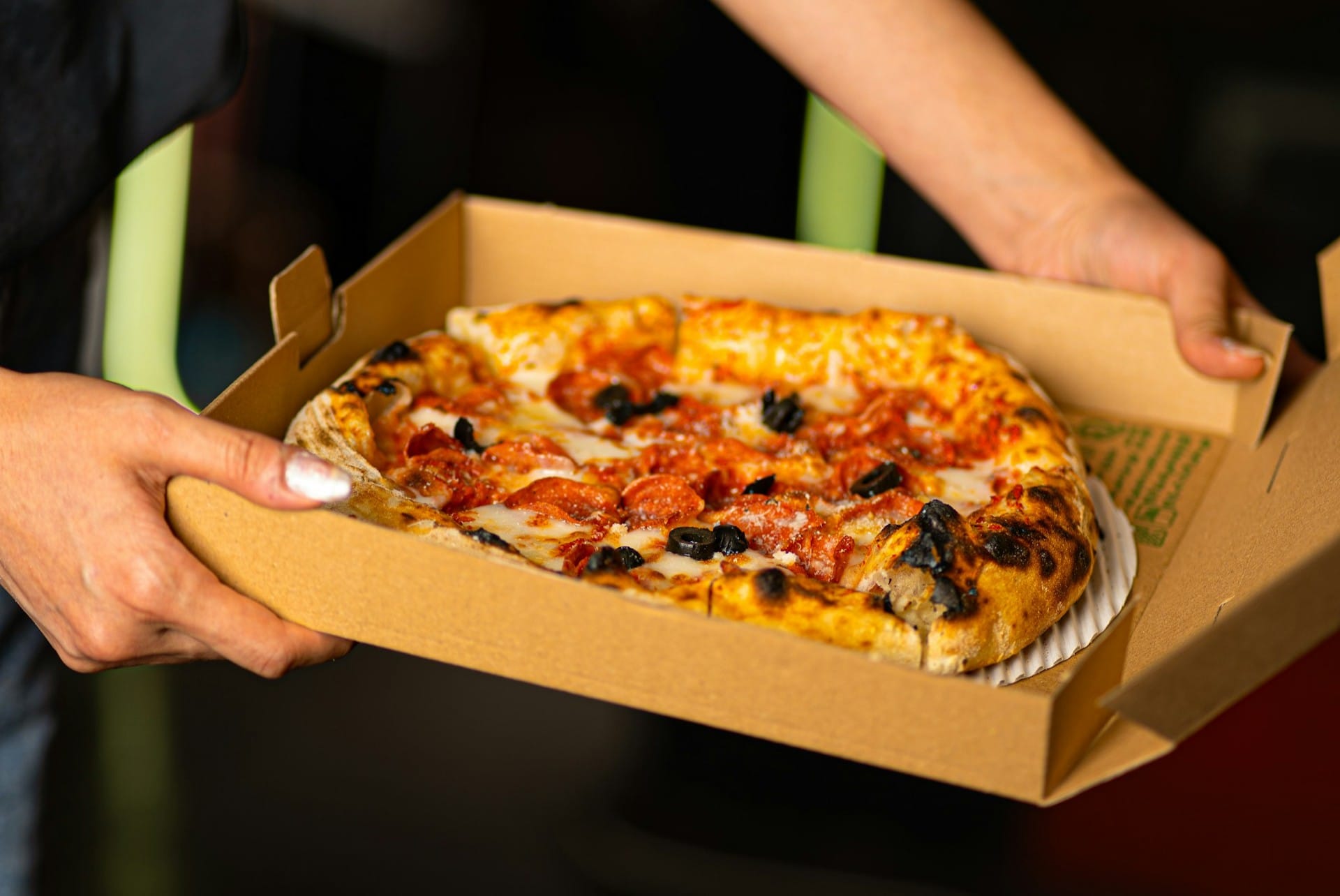
Custom pizza box printing allows brands to create unique, branded packaging that enhances customer experience and promotes their business. This guide covers the essential printing options, materials, and considerations for buyers.
Custom pizza box printing involves various techniques like flexographic printing, litho-laminating, and digital printing, each offering distinct advantages in terms of cost, print quality, and order volume. Flexography is ideal for large runs and simpler designs due to its efficiency and lower cost per unit. Litho-laminating provides high-resolution, photographic quality designs suitable for premium branding or complex graphics, often applied to smaller to medium batches. Digital printing offers unparalleled flexibility for small orders, variable data, and quick turnaround times, albeit at a higher cost per unit. Material choices typically include single-wall, double-wall, or corrugated cardboard, selected based on insulation needs and structural integrity.

Thinking about upgrading your pizza packaging? Custom printed pizza boxes are more than just containers; they’re powerful marketing tools. Let’s delve into everything you need to know about customizing your pizza boxes, helping you make an informed decision that truly reflects your brand.
Why Should My Business Invest in Custom Pizza Box Printing?
You might wonder if custom boxes are worth the investment. From our experience, the benefits are clear. Branded packaging instantly elevates your perceived quality, turning a functional item into a memorable brand touchpoint. Every delivery becomes a mobile advertisement, building brand recognition and fostering customer loyalty. It’s a subtle yet effective way to stand out in a competitive market.
What Are the Main Types of Printing for Custom Pizza Boxes?
Choosing the right printing method is crucial for balancing cost, quality, and your specific needs. We generally see three primary options:
1. Flexographic Printing (Flexo)
Often considered the workhorse of packaging printing, flexography is an economical choice for larger production runs. It uses flexible relief plates and fast-drying inks.
- Pros: Cost-effective for high volumes, quick turnaround for bulk orders, good for simple graphics and spot colors.
- Cons: Limited in color complexity and photographic detail, can have slight “banding” or less crisp edges compared to other methods.
- Best For: Businesses needing thousands of boxes, simple logos, brand colors, and basic text.
2. Litho-Laminating (Offset Printing)
When you need that “wow” factor with vibrant colors and sharp images, litho-laminating steps in. This process involves printing high-resolution graphics onto a thin paper sheet using offset printing, which is then laminated onto the corrugated cardboard.
- Pros: Exceptional print quality, photographic detail, wide color gamut, premium look and feel.
- Cons: Higher cost per unit, longer setup times, typically best for medium to large runs.
- Best For: Gourmet pizzerias, brands requiring intricate designs, promotional imagery, or a truly premium unboxing experience.
3. Digital Printing
The newest player in custom packaging, digital printing directly applies ink onto the box material without plates. This method offers unparalleled flexibility.
- Pros: No setup costs for plates, ideal for small runs or on-demand printing, allows for variable data printing (e.g., personalized messages), fast turnaround times.
- Cons: Generally highest cost per unit, slower for very large quantities compared to flexo.
- Best For: Startups, limited-time promotions, seasonal designs, or businesses needing smaller quantities with design flexibility.
What Material Options Are Available for Pizza Boxes?
The type of cardboard affects both the box’s quality and the print’s appearance.
- Corrugated Cardboard: This is the standard, offering excellent insulation and strength. It comes in different flutes (e.g., E-flute, B-flute) affecting thickness and rigidity.
- Kraft vs. White Liner:
- Kraft (Brown): The classic, rustic look. Offers a natural, unbleached feel. Prints well with darker colors or designs that embrace the earthy tone.
- White Liner: Provides a clean, bright canvas for vibrant colors and intricate designs. Essential for achieving true-to-design color accuracy.
What Key Factors Should I Consider Before Ordering?
Navigating the ordering process can feel overwhelming, but focusing on these points will streamline your decision.
Order Volume
| Printing Method | Best for Volume | Cost Efficiency |
|---|---|---|
| Flexographic | High (1,000s+) | High |
| Litho-Laminating | Medium to High | Medium |
| Digital | Low to Medium | Low (per unit) |
Design Complexity
- Simple Logos/Text: Flexo is often sufficient and cost-effective.
- Photographic Images/Gradients: Litho-laminating or digital printing will provide the best results.
Budget
Clearly define your budget upfront. While digital might have a higher per-unit cost, its lack of plate charges could make it more affordable for small runs. Conversely, flexo’s initial plate costs are offset by its low per-unit price on large orders.
Turnaround Time
Digital printing usually offers the fastest turnaround, making it great for urgent needs. Flexo and litho-laminating require more lead time due to plate creation and setup.
Conclusion
Choosing the right custom pizza box printing option for your business is a strategic decision that affects your brand image and bottom line. By understanding the differences between flexographic, litho-laminating, and digital printing, along with material considerations and your specific needs, you can select a solution that perfectly captures your brand’s essence and leaves a lasting impression on your customers. We’re here to help you get started on creating packaging that tastes as good as the pizza inside!
FAQ
- Is custom pizza box printing expensive? It can vary widely. Factors like printing method, order volume, material, and design complexity all influence the final cost.
- Can I print on the inside of the pizza box? Yes, internal printing is possible with certain methods, adding another layer of branding or a special message.
- What’s the minimum order quantity for custom pizza boxes? MOQs depend heavily on the printer and chosen method. Digital printing often has the lowest MOQs, sometimes starting in the hundreds.
- How long does it take to get custom printed pizza boxes? Turnaround times range from a few weeks for digital prints to 6-8 weeks for flexographic or litho-laminated orders, including design approval and production.
- Do custom boxes affect the pizza’s temperature? The printing itself doesn’t significantly impact insulation. The cardboard’s thickness and flute type are the primary factors.