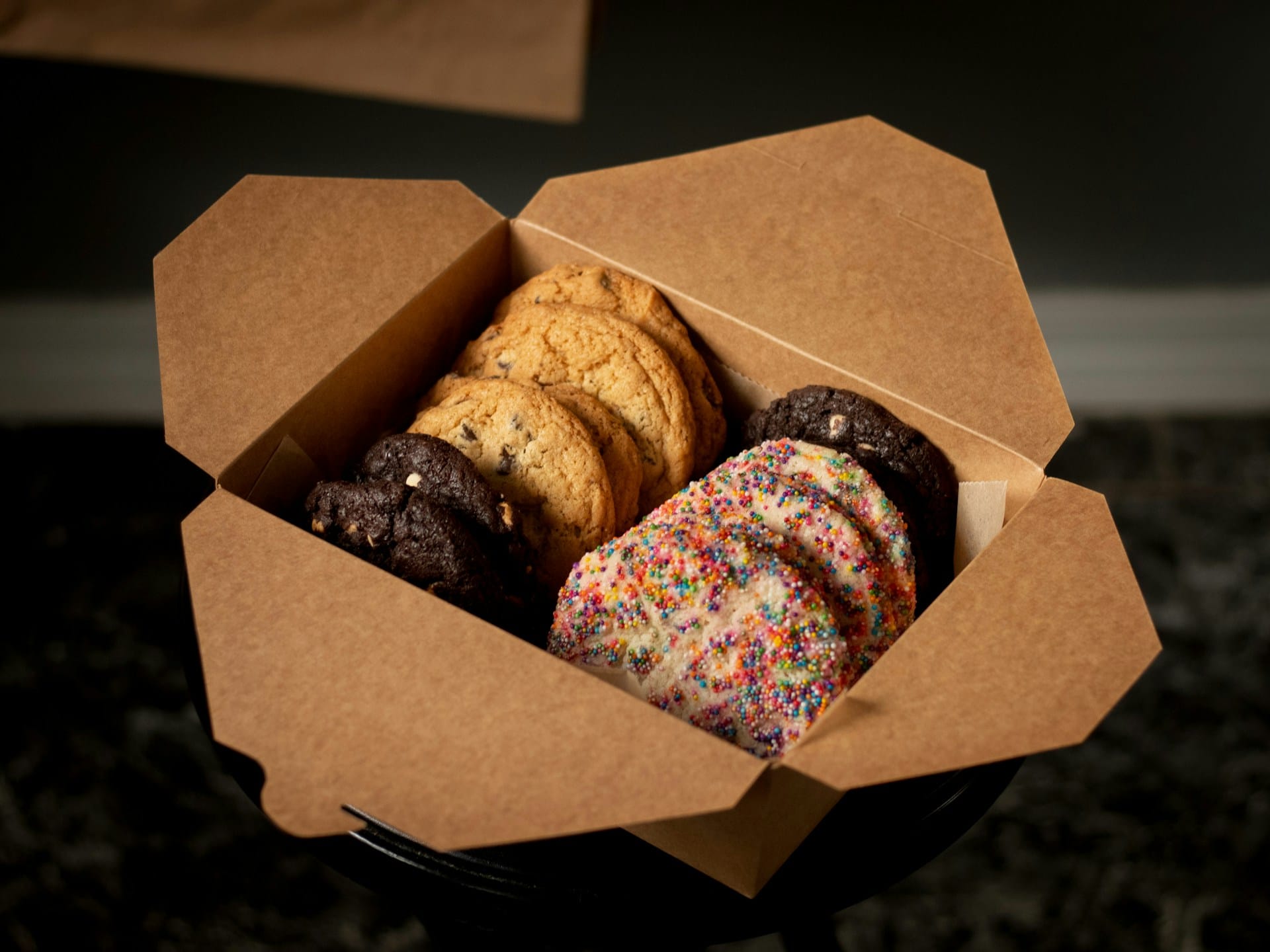
Kraft boxes have become one of the most popular packaging solutions in the food, retail, and e-commerce industries due to their excellent environmental friendliness, natural aesthetics, and structural strength. This guide provides a comprehensive analysis of Kraft box material selection, customization processes, cost structure, and procurement strategies for various applications, helping you make informed B2B purchasing decisions.
A Kraft box is a packaging container made from Kraft paper pulp, known for its high strength, tear resistance, and 100% recyclability. Key considerations for procuring Kraft boxes include understanding material types (e.g., food-grade Kraft, bleached Kraft), distinguishing structural differences (e.g., from corrugated boxes), mastering customization techniques (e.g., printing, coatings), and analyzing bulk purchasing cost factors. For B2B buyers, selecting a supplier that offers professional customization, meets food safety standards (such as FDA/EU certification), and ensures a stable supply chain is crucial.
In an era increasingly focused on sustainability and brand differentiation, packaging is no longer just about product protection; it is a reflection of brand value. As a classic and eco-friendly packaging form, the Kraft box is rapidly gaining market share. If you are planning to procure high-quality Kraft boxes for your business, you need an authoritative and systematic guide to navigate the complex purchasing process.
1. In-Depth Understanding of Kraft Box Fundamentals
1.1 What is a Kraft Box, and Why is it So Popular?
A Kraft box, as the name suggests, is a box primarily made from Kraft Paper. The name “Kraft” originates from the German word for “strength” or “power,” which perfectly summarizes the core advantage of this material. It typically features a natural brown color but is also available in a white, bleached version.
The popularity of Kraft boxes stems from their multiple advantages:
- Sustainability: Kraft paper is made from wood pulp, usually produced using the Kraft Process, which effectively recovers most chemicals. The paper itself is fully biodegradable and recyclable.
- High Strength: Long fibers and a dense structure give it excellent tear and puncture resistance, making it ideal for shipping and product protection.
- Natural Aesthetic: The simple, natural brown tone adds an organic, handcrafted, and eco-conscious brand image to the product.
If you wish to delve deeper into the definition of a Kraft box and its unique appeal in gift packaging, we recommend reading our branch blog: [What is a kraft gift box?].
1.2 Kraft Boxes vs. Corrugated Boxes: Key Structural Differences
In the packaging world, Kraft boxes and corrugated boxes are two frequently mentioned concepts, but they have fundamental differences in structure and application. Understanding this distinction is vital for determining the level of protection your product requires.
A Kraft box usually refers to a folding carton made from single or multiple layers of solid Kraft paperboard, suitable for lighter or medium-weight products such as food, cosmetics, or small retail items.
A corrugated box, however, is a composite structure consisting of at least one layer of fluting sandwiched between two linerboards (often Kraft paper). This structure provides corrugated boxes with superior cushioning and compression strength, making them the preferred choice for shipping and heavy-duty packaging.
| Feature | Kraft Box (Folding Carton) | Corrugated Box |
|---|---|---|
| Structure | Single or multiple layers of solid paperboard | Three or more layers (Linerboard + Fluting) |
| Primary Function | Product display, retail packaging | Shipping, cushioning, heavy-duty protection |
| Strength | Good, suitable for light to medium items | Excellent, suitable for heavy or fragile items |
| Typical Application | Food inner packaging, cosmetic boxes, gift boxes | Shipping containers, e-commerce outer packaging, large product packaging |
For a comprehensive understanding of the structure, performance, and application differences between these two types of packaging, please refer to our detailed comparison article: [Which Box Is Better: Corrugated or Kraft?].
2. Core Materials: Selection and Manufacturing of Food-Grade Kraft Paper
2.1 Understanding Different Types of Kraft Paper
Kraft paper is not a single material; it is categorized into various types based on the degree of bleaching, fiber source, and processing method, each suitable for different packaging needs. Material selection is particularly critical for food packaging.
| Kraft Paper Type | Characteristics | Typical Applications |
|---|---|---|
| Unbleached Kraft | Original brown color, highest strength, lower cost, best environmental profile. | Shipping packaging, heavy-duty paper bags, outer packaging boxes. |
| Bleached Kraft | White appearance, offers better printing results and visual appeal. | Cosmetic packaging, premium retail boxes, gift boxes. |
| Food-Grade Kraft | Specially treated, free from harmful chemicals, meets food contact safety standards. | Bakery items, fast food, takeout boxes. |
| Recycled Kraft | Contains recycled fibers, highly eco-friendly, but strength and print quality may be slightly lower than virgin fiber. | Eco-themed packaging, non-food retail packaging. |
Especially for packaging that comes into direct contact with food, you need an in-depth understanding of the properties of different food-grade Kraft papers to ensure packaging safety and functionality. Please consult our specialized guide: [Understanding Different Types of Kraft Paper Used for Food].
2.2 The Manufacturing Process of Food-Grade Kraft Boxes
As a B2B buyer, understanding the manufacturing process of Kraft boxes helps you evaluate the supplier’s professional capabilities and quality control. The production of food-grade Kraft boxes is a highly standardized process, where every step, from raw material selection to final forming, is crucial.
This process typically includes:
- Pulping: Converting wood into high-strength Kraft paper pulp using the sulfate process.
- Papermaking: Forming the pulp into Kraft paper rolls of various basis weights and thicknesses.
- Coating/Treatment: Applying food-grade coatings or grease-proof treatments as required.
- Printing and Die-Cutting: Printing according to the design and precise die-cutting for shaping.
- Gluing and Forming: Assembling the die-cut paperboard into the final box structure.
If you are interested in the complete industrial process “from pulp to finished product,” our branch blog provides a detailed manufacturing breakdown: [How Are Kraft Food Boxes Made? A Manufacturing Guide].
3. Customization: Coatings, Printing, and Design Elements
3.1 Coating Technology: Balancing Functionality and Sustainability
The natural properties of Kraft boxes make them susceptible to grease and moisture. To meet the functional requirements of applications like food packaging, coating technology is essential. The correct coating not only protects the contents but also extends the packaging’s lifespan.
| Coating Type | Primary Function | Environmental Profile | Typical Applications |
|---|---|---|---|
| Polyethylene (PE) Coating | Moisture and grease resistance, provides sealing. | Not compostable, recyclable (requires specialized processing). | Liquid foods, high-fat food packaging. |
| Biodegradable/Compostable Coating (PLA/Water-based) | Grease and moisture resistance, aligns with eco-trends. | Industrially or home compostable. | Eco-friendly takeout boxes, salad containers. |
| Grease-Proof Coating | Prevents grease penetration, keeps packaging exterior clean. | Generally recyclable. | Fried chicken, burgers, bakery packaging. |
When selecting a coating, you must weigh functional needs, budget, and sustainability goals. We have a dedicated article that explains the pros and cons of these coating options in detail: [What Are the Different Types of Kraft Box Coatings].
3.2 Printing and Design: Making Your Brand Stand Out
The natural brown base color of Kraft paper provides a unique canvas for print design. While it may not reproduce colors as perfectly as white paperboard, its distinct texture lends the brand an authentic, organic feel.
Key Customization Elements:
- Printing Technology:
- Flexography: Suitable for high-volume, simple designs, and cost-effective.
- Offset Printing: Suitable for high-resolution, complex color patterns, often used for pre-printed linerboard.
- Digital Printing: Suitable for small batches, variable designs, or personalization needs.
- Surface Finishes: Hot stamping (gold/silver), spot UV, embossing, etc., can enhance the packaging’s tactile and visual impact.
- Structural Design: Window cutouts, handles, inserts, and dividers to improve user experience and product protection.
4. Procurement Strategy: Costs, Wholesale, and Supplier Selection
4.1 Kraft Box Wholesale Pricing Guide: Cost Breakdown and Key Factors
For B2B buyers, understanding the cost structure of Kraft boxes is the first step toward efficient procurement. The wholesale price is not a fixed number; it is dynamically influenced by multiple factors.
Key Factors Influencing Wholesale Price:
- Raw Material Costs: Basis weight of the Kraft paper, virgin/recycled fiber ratio, and global pulp price fluctuations.
- Size and Structure: Larger boxes and more complex structures (e.g., auto-lock bottom, special folds) incur higher costs.
- Order Quantity (MOQ): Bulk purchasing is the most effective way to reduce unit costs. Suppliers typically set a Minimum Order Quantity (MOQ).
- Printing and Coating: The number of print colors, printing technology (Flexo vs. Offset), and special coatings (e.g., compostable coatings) significantly affect the price.
- Shipping and Logistics: The flat or pre-folded state of the packaging, destination, and shipping method.
To help you gain a clearer grasp of cost breakdown and negotiation techniques, we have prepared a detailed wholesale pricing guide: [Kraft Box Wholesale Pricing Guide: Cost Breakdown & Key Factors – Link 6].
4.2 How to Choose the Right Kraft Box Supplier?
Selecting a reliable supplier is the cornerstone of ensuring packaging quality and supply chain stability. As a supplier that integrates trading and manufacturing (like Reliancepak), we deeply understand the core needs of B2B buyers.
Supplier Evaluation Criteria:
| Evaluation Dimension | Key Consideration Points | Procurement Advice |
|---|---|---|
| Certifications | Does the supplier hold ISO, FSC, FDA/EU food-grade certifications? | Prioritize suppliers with international certifications to ensure compliance. |
| Production Capacity | Number of production lines, daily output, customization capability. | Confirm if their capacity can meet your bulk and urgent order needs. |
| Quality Control (QC) | Internal QC process, raw material traceability system. | Request samples (Free Sample) for testing to evaluate actual quality. |
| Design and Service | Do they offer professional design support, rapid prototyping, and one-stop purchasing services? | Choose a partner that provides Professional Customization services. |
| Supply Chain Stability | Raw material inventory, lead time (Fast Delivery). | Understand their export experience and main export countries to assess logistics capability. |
5. Kraft Box Applications and Industry Solutions
The application range of Kraft boxes is extremely broad; they are capable of handling everything from delicate gift packaging to heavy-duty shipping cartons. However, their advantages are particularly prominent in the food service industry.
5.1 Food Service Industry: Bakeries, Cafés, and Takeout Packaging
In bakeries, cafés, and dessert shops, Kraft packaging’s natural, handcrafted image aligns perfectly with the product’s aesthetic. It is not just a container but a part of the brand story.
Typical Applications:
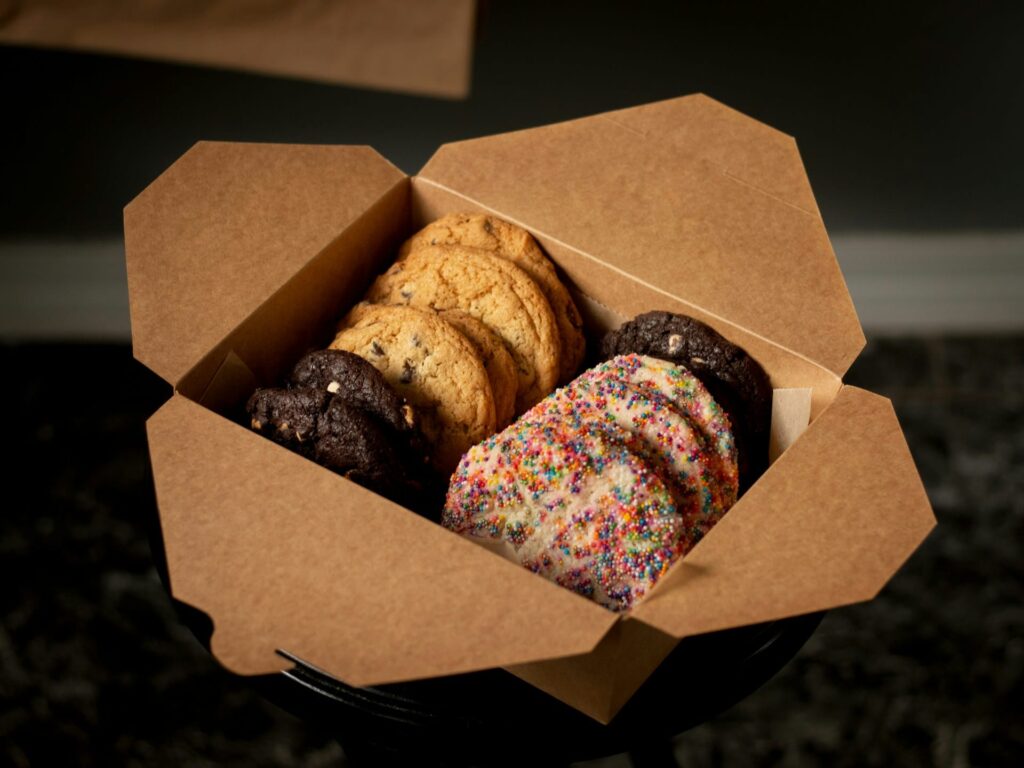
- Bakery Packaging: Cake boxes, cookie boxes, macaron boxes, often requiring grease-proof coatings.
- Cafés: Coffee cup sleeves, takeout meal boxes, sandwich wraps.
- Takeout/Fast Food: Burger boxes, fry containers, salad bowls, emphasizing leak-proof and insulation properties.
For these niche markets, packaging selection needs to be more refined; for example, size, coating, and structural design must be optimized according to the food’s characteristics. We have written a procurement guide specifically for buyers in the food service industry: [Is Kraft Packaging Right for Your Food Shop?].
5.2 Packaging Material Comparison: Kraft, PET, and Paperboard
Before making a final purchasing decision, B2B buyers often weigh various materials. Besides Kraft paper, PET (Polyethylene Terephthalate) and general Paperboard are also common choices.
| Material | Core Advantages | Core Disadvantages | Best Application Scenarios |
|---|---|---|---|
| Kraft Paper | Eco-friendly, high strength, natural aesthetic. | Not water/grease resistant (requires coating), lower color reproduction in printing. | Eco-friendly retail, bakery, dry goods packaging. |
| PET | High transparency, excellent moisture resistance, lightweight. | Not biodegradable, limited recyclability, not heat resistant. | Fresh produce, salads, products requiring high visibility. |
| Paperboard | Excellent print quality, controllable cost, diverse structures. | Lower strength than Kraft paper, environmental profile depends on fiber source. | Cosmetics, pharmaceuticals, high-precision print packaging. |
For wholesale buyers requiring large-scale procurement, understanding the performance differences and cost-effectiveness of these materials is crucial. Please refer to our material comparison analysis: [Which Is Better: Kraft, PET, or Paperboard for Wholesale?].
Conclusion
The Kraft box, as a versatile, high-strength, and eco-friendly packaging solution, is undoubtedly an ideal choice for modern B2B buyers. Successful procurement is not just about finding the lowest price; it is about understanding material properties, mastering customization details, and establishing a long-term partnership with a supplier that offers consistent quality and professional service. Through this guide, we hope you can confidently navigate the world of Kraft box procurement and select the best packaging for your brand.
Frequently Asked Questions (FAQ)
Q1: Is the Kraft box truly more eco-friendly than other paper boxes?
A: Yes. Kraft paper is typically made from virgin wood pulp, and the production process has a high chemical recovery rate. The finished product is 100% biodegradable and recyclable. Compared to paperboard containing large amounts of bleach or non-degradable coatings, Kraft paper offers a distinct environmental advantage.
Q2: What is the typical Minimum Order Quantity (MOQ) for procuring Kraft boxes?
A: The MOQ varies by supplier and customization complexity. For standard sizes and simple printing, some suppliers may accept orders of a few hundred units. However, for fully customized sizes, structures, or complex printing, the MOQ is usually 5,000 to 10,000 units or more to ensure cost-effective production.
Q3: How can I ensure the Kraft boxes I procure are food-grade?
A: You must require the supplier to provide relevant food contact safety certifications, such as US FDA certification and EU food contact materials regulations. Simultaneously, ensure the safety of the coating materials, confirming they are free from harmful substances like BPA (Bisphenol A).
Q4: Can Kraft boxes be printed in full color?
A: Yes, Kraft boxes can be printed in color. However, due to the natural brown base color, the printed colors will appear softer and darker than on white paperboard. If vibrant colors are required, it may be necessary to first print a white ink base layer on the paperboard.
Q5: Which is better for e-commerce shipping: corrugated or Kraft boxes?
A: Corrugated boxes are better suited for e-commerce shipping. The corrugated structure provides superior cushioning and compression strength, effectively protecting the product during logistics. Kraft boxes (folding cartons) are better suited as the retail packaging for the product itself.