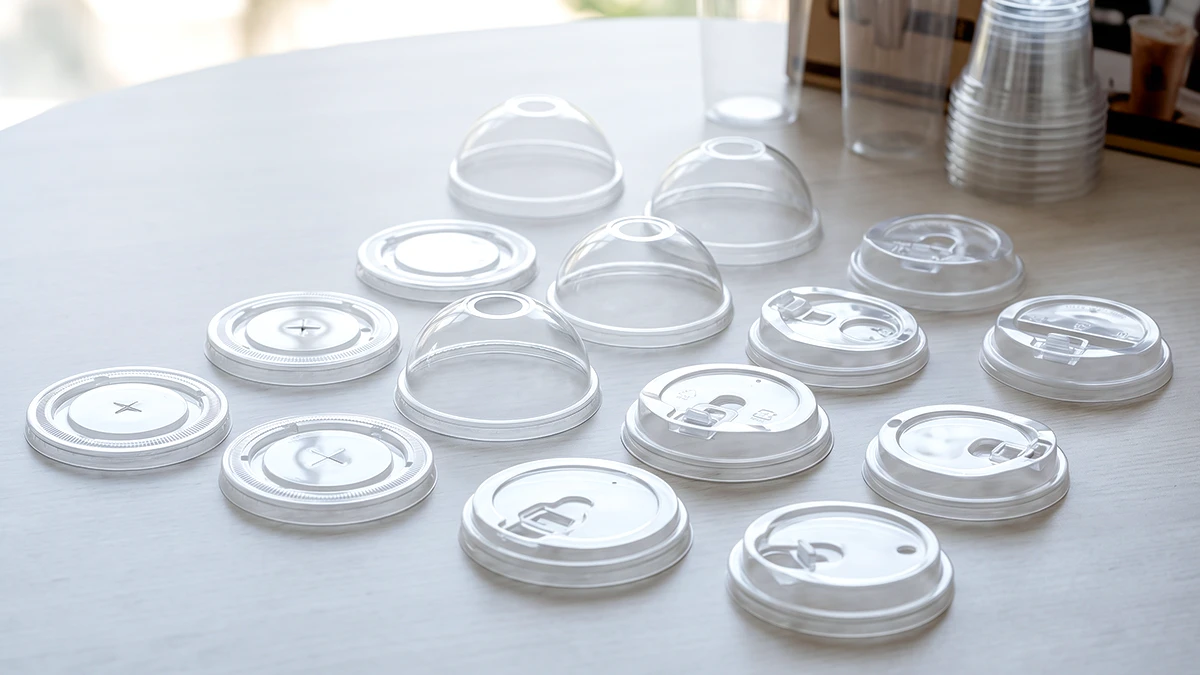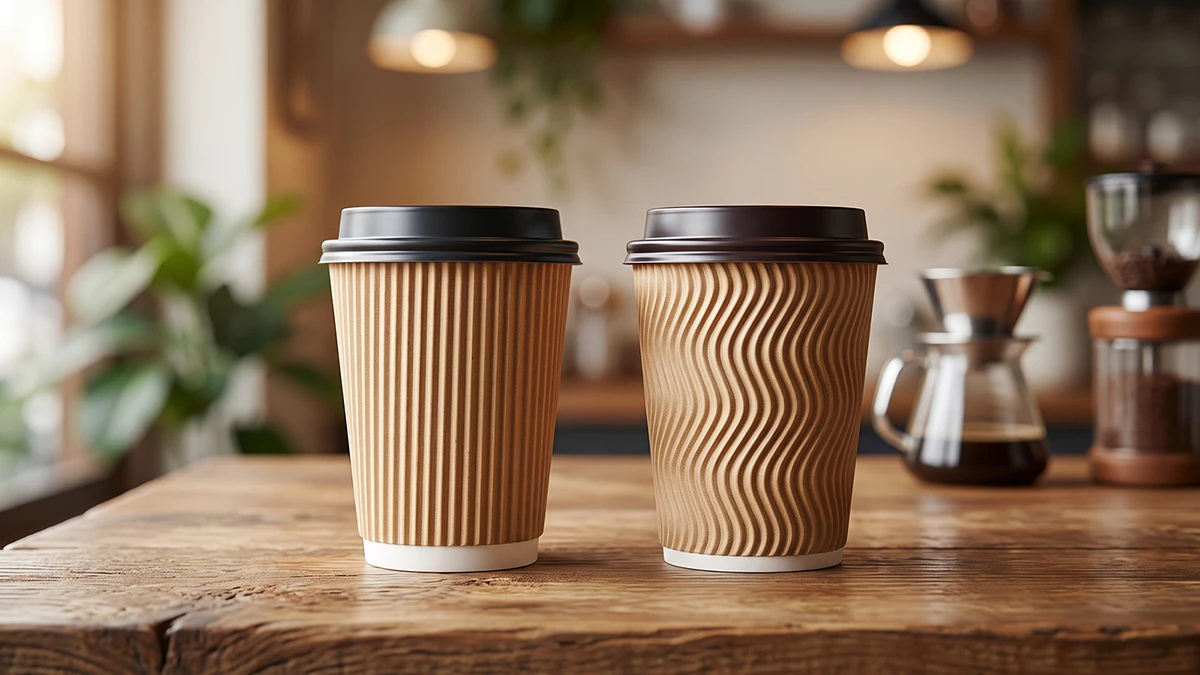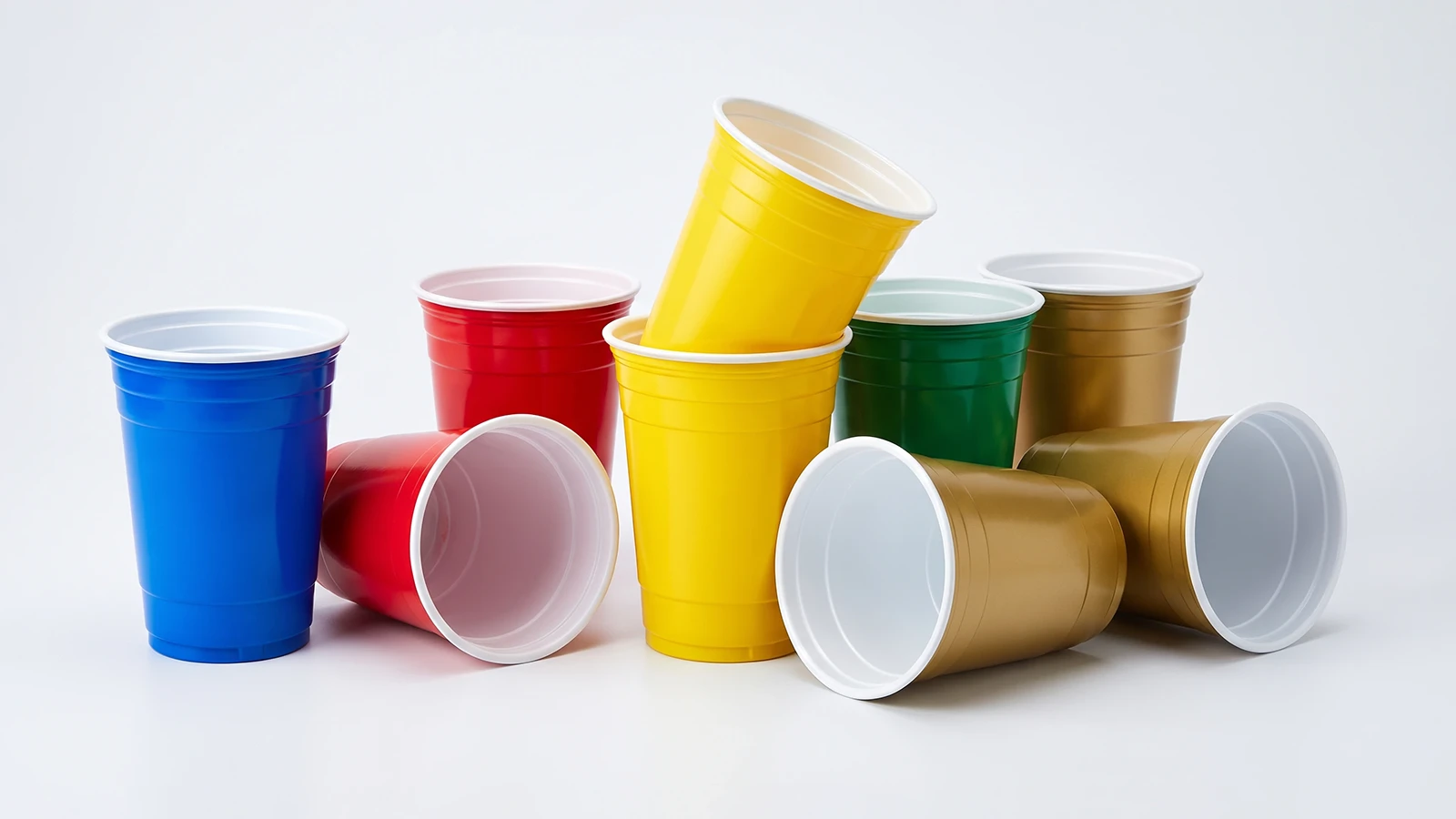
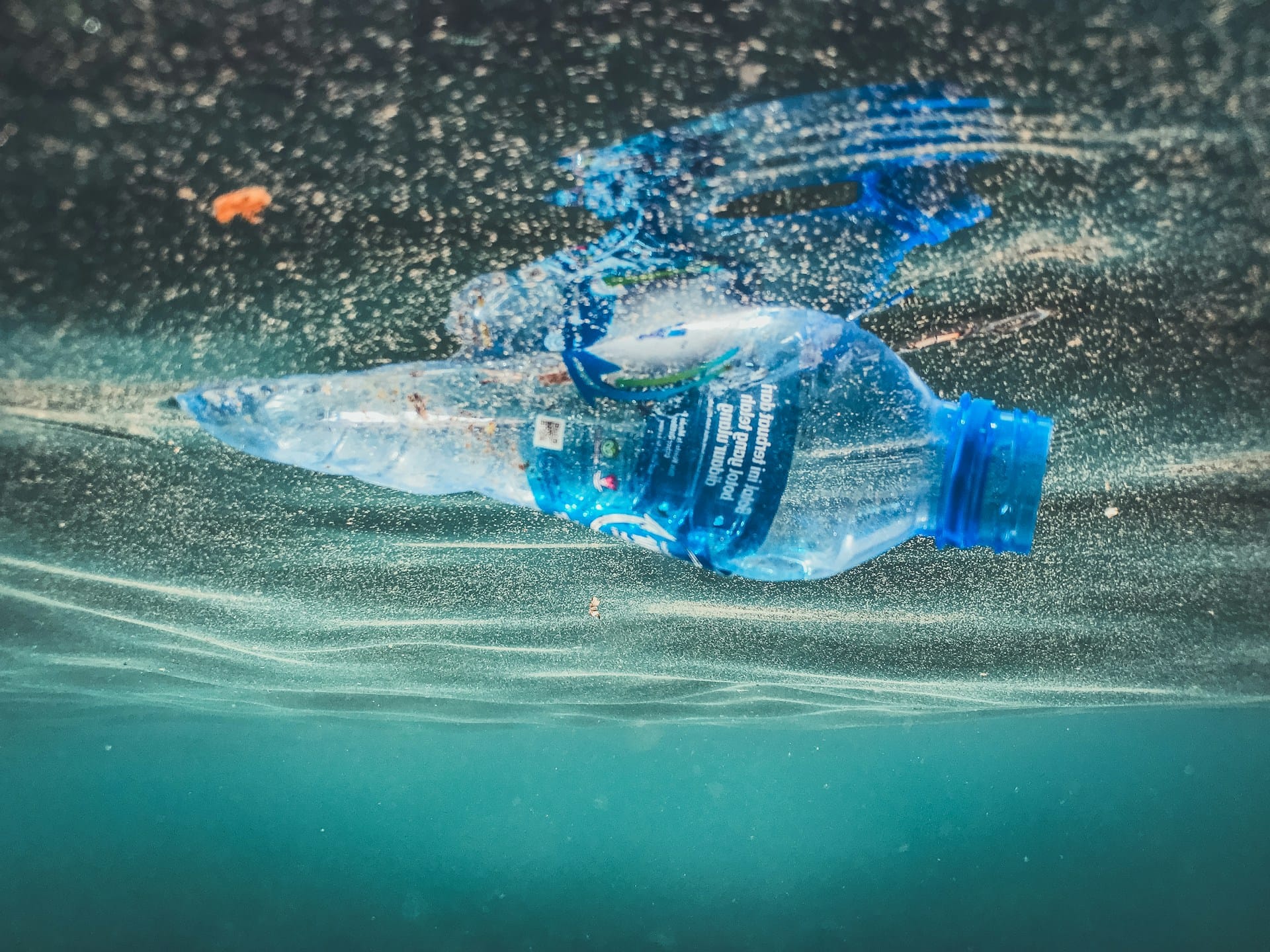
Bagasse tableware helps reduce plastic waste by providing a fully biodegradable alternative that decomposes within 60 to 90 days under composting conditions, directly replacing petroleum-based disposables that persist in environments for hundreds of years. This sugarcane fiber material offers comparable performance to plastic while generating zero microplastic pollution during its breakdown process.
The foodservice industry faces mounting pressure from regulators, consumers, and corporate sustainability mandates to eliminate single-use plastics from supply chains. Restaurants, caterers, and food manufacturers struggle to identify replacement materials that meet operational requirements without compromising food safety or budget constraints. This article examines the specific mechanisms through which bagasse tableware addresses plastic pollution, quantifies environmental impact reductions, and provides B2B buyers with actionable data for sustainability reporting and procurement decisions.
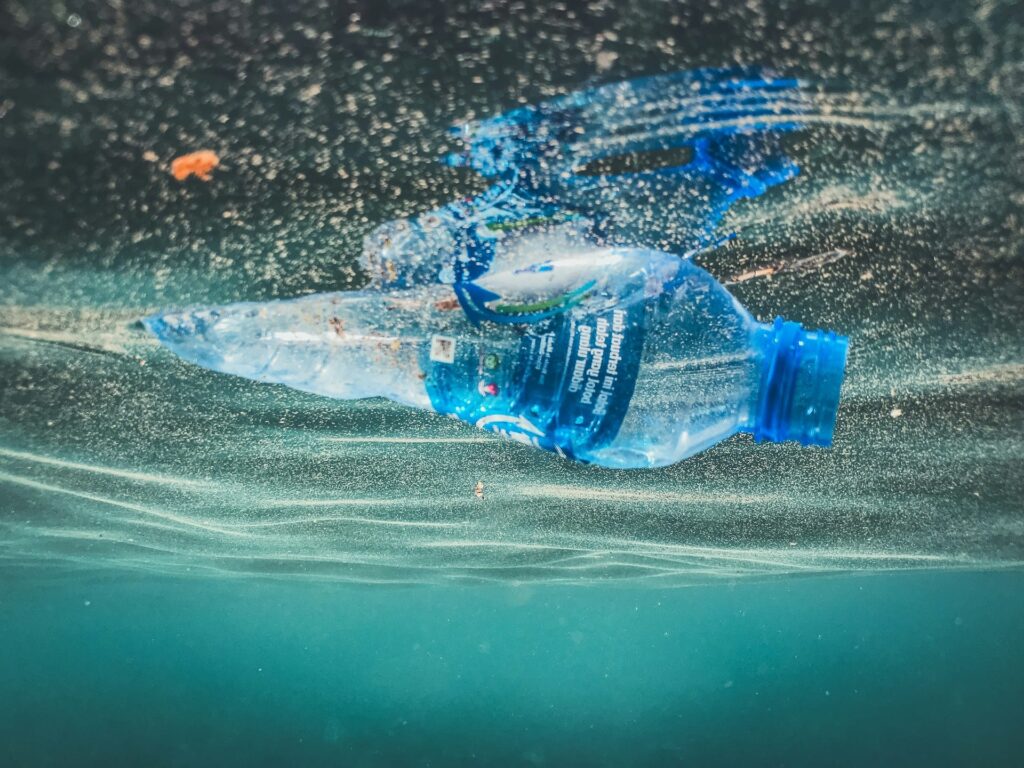
What Makes Bagasse an Effective Plastic Replacement Material?
Bagasse serves as an effective plastic replacement because its natural cellulose fiber structure provides heat resistance, moisture tolerance, and structural strength comparable to polystyrene while maintaining complete biodegradability. The material transforms agricultural waste into functional packaging without requiring petroleum inputs or generating persistent pollutants.
The Composition Advantage Over Petroleum Products
Here’s the deal: sugarcane bagasse contains 40-50% cellulose combined with hemicellulose and lignin that create natural bonding strength when processed under heat and pressure. This plant-based composition delivers performance metrics that match or exceed plastic alternatives in most foodservice applications.
Performance characteristics of bagasse versus plastic:
- Temperature tolerance up to 120°C compared to 70-90°C for polystyrene
- No chemical leaching when heated, unlike plastic containers
- Natural grease resistance without synthetic coatings
- Microwave safe without releasing harmful compounds
- Complete decomposition versus 400+ year plastic persistence
The fiber structure also provides natural insulation that keeps hot foods warm while protecting customers from burns, a safety advantage that thin plastic containers cannot match.
Upcycling Agricultural Waste Streams
Sugarcane processing generates approximately 280 million metric tons of bagasse globally each year as a byproduct of juice extraction. Before tableware manufacturing emerged as a viable industry, mills burned this material for energy or disposed of it in landfills where it contributed to methane emissions.
Converting bagasse into tableware creates value from waste while preventing both disposal emissions and the need for virgin plastic production. Each ton of bagasse used for packaging represents petroleum that stays in the ground and carbon that remains sequestered in a functional product until composting returns it to the soil.
| Material Property | Bagasse | Polystyrene Plastic |
|---|---|---|
| Raw Material Source | Agricultural waste | Petroleum extraction |
| Production Energy | Lower | Higher |
| End-of-Life | Compostable (60-90 days) | Landfill (400+ years) |
| Microplastic Generation | None | Continuous fragmentation |
| Chemical Leaching Risk | None | Present when heated |
This comparison demonstrates why bagasse represents a fundamentally different environmental proposition than the plastic products it replaces.
Key Takeaway: B2B buyers selecting bagasse tableware eliminate petroleum demand, prevent microplastic generation, and convert agricultural waste into functional products that return safely to the environment after use.
How Much Plastic Waste Can Businesses Actually Eliminate?
Businesses switching from plastic to bagasse tableware can eliminate 60-80% of their disposable packaging plastic footprint, with each 1,000 units replaced diverting 18-25 kilograms of plastic from landfills and preventing decades of environmental persistence. These measurable reductions translate directly into sustainability reporting metrics and regulatory compliance documentation.
Quantifying Per-Unit Environmental Impact
Here’s what the data reveals about direct substitution benefits: a typical restaurant using 5,000 disposable containers weekly generates approximately 6,500 kilograms of plastic waste annually. Transitioning to bagasse reduces this figure to zero persistent plastic while creating compostable organic matter instead.
Environmental benefits per 1,000 units replaced:
- 18-25 kg plastic diverted from landfills
- 45-60 kg CO2 equivalent emissions avoided
- Zero microplastic particles entering waterways
- Complete material return to soil within one composting cycle
- Elimination of centuries-long environmental burden
For B2B buyers seeking comprehensive guidance on bagasse materials and manufacturing, understanding these per-unit metrics enables accurate calculation of total environmental impact across operations of any scale.
Corporate Sustainability Reporting Applications
Major retailers, hospitality chains, and institutional foodservice providers require documented sustainability metrics from supply chain partners. Bagasse tableware provides verifiable data points for common reporting frameworks.
Metrics suitable for sustainability reporting:
- Total plastic tonnage eliminated (directly measurable)
- Carbon footprint reduction per packaging unit
- Waste diversion rates from landfill
- Compostable material generation volumes
- Supply chain petroleum dependency reduction
These figures support ESG disclosures, CDP reporting, and corporate sustainability commitments that increasingly influence B2B purchasing decisions and partnership qualifications.
Scaling Impact Across Operations
The plastic reduction impact multiplies across multi-location operations and supply chains. A restaurant group with 50 locations each using 3,000 containers weekly eliminates over 230,000 kilograms of plastic annually through complete bagasse transition.
| Operation Scale | Weekly Units | Annual Plastic Eliminated | CO2 Reduction |
|---|---|---|---|
| Single Restaurant | 3,000 | 2,800 kg | 7,800 kg |
| 10-Location Chain | 30,000 | 28,000 kg | 78,000 kg |
| 50-Location Group | 150,000 | 140,000 kg | 390,000 kg |
| Regional Distributor | 500,000 | 468,000 kg | 1,300,000 kg |
These projections demonstrate the substantial aggregate impact achievable through systematic procurement transitions.
Key Takeaway: B2B buyers can calculate precise plastic elimination metrics for sustainability reporting by multiplying per-unit figures across their operational volume, creating documented evidence of environmental progress for stakeholders and regulators.
What Regulatory Advantages Does Bagasse Provide Over Plastic?
Bagasse tableware positions businesses ahead of expanding single-use plastic regulations worldwide, providing compliance protection in markets where polystyrene bans already exist while preparing operations for restrictions currently under development in additional jurisdictions. Proactive transition eliminates regulatory risk while competitors face forced changes under compressed timelines.
Current Global Regulatory Landscape
Government restrictions on single-use plastics continue accelerating across major markets, making bagasse adoption a strategic business decision with legal compliance implications.
Active and upcoming regulations affecting foodservice packaging:
- European Union Single-Use Plastics Directive banning expanded polystyrene containers
- United States state-level polystyrene bans in California, New York, Maine, Maryland, and six additional states
- Canadian prohibition on specific single-use plastic categories
- United Kingdom plastic packaging tax on items with less than 30% recycled content
- Australian National Plastics Plan targeting 2025 elimination goals
Businesses operating across multiple jurisdictions face complex compliance requirements that bagasse satisfies uniformly, simplifying procurement and reducing legal exposure.
Future-Proofing Against Emerging Restrictions
Here’s the deal: regulatory momentum consistently moves toward stricter plastic limitations rather than relaxation. Businesses transitioning now avoid future costs associated with rushed compliance when new restrictions take effect.
Emerging regulatory trends to anticipate:
- Extended producer responsibility schemes increasing plastic disposal costs
- Municipal composting requirements favoring certified compostable products
- Corporate sustainability disclosure mandates affecting supply chain choices
- International shipping restrictions on plastic packaging materials
- Consumer protection regulations addressing microplastic contamination
Bagasse products carrying certifications like OK Compost and BPI verification meet requirements across current and anticipated regulatory frameworks.
Certification Standards Supporting Compliance
Reputable bagasse tableware manufacturers provide documentation supporting regulatory compliance and corporate sustainability verification:
- FDA food contact approval for US market requirements
- EU food safety compliance for European distribution
- BPI certification confirming industrial compostability
- OK Compost certification verifying decomposition standards
- TUV and DIN CERTCO testing documentation
| Certification | Geographic Application | What It Verifies |
|---|---|---|
| FDA Compliance | United States | Food contact safety |
| EU 1935/2004 | European Union | Food contact materials |
| BPI Certified | North America | Industrial compostability |
| OK Compost | International | Composting performance |
These certifications provide documented evidence supporting both regulatory compliance and sustainability claims.
Key Takeaway: B2B buyers selecting certified bagasse tableware gain protection against current plastic restrictions while positioning operations for compliance with emerging regulations across global markets.

How Does Bagasse Decomposition Compare to Plastic Persistence?
Bagasse tableware completely decomposes within 60 to 90 days under commercial composting conditions, returning nutrients to soil while plastic alternatives fragment into microplastics that persist for 400 to 1,000 years and contaminate ecosystems throughout their degradation period. This fundamental difference in end-of-life behavior determines the long-term environmental impact of packaging choices.
The Composting Process Explained
Commercial composting facilities maintain temperatures between 55-65°C with controlled moisture and oxygen levels that accelerate natural decomposition. Under these conditions, bagasse fibers break down through microbial action into carbon dioxide, water, and organic matter indistinguishable from natural soil components.
Stages of bagasse decomposition:
- Days 1-14: Surface colonization by thermophilic bacteria
- Days 15-45: Primary fiber breakdown and structural collapse
- Days 45-75: Secondary decomposition of remaining cellulose
- Days 75-90: Complete integration into finished compost
The resulting material contributes to soil health rather than creating pollution, completing a circular cycle from agricultural growth through product use and back to agricultural input.
Plastic Fragmentation and Microplastic Generation
Here’s what makes plastic fundamentally different: petroleum-based materials do not biodegrade. Instead, they fragment into progressively smaller pieces while retaining their polymer structure indefinitely.
The plastic degradation pathway includes:
- Initial fragmentation from UV exposure and mechanical stress
- Continued breakdown into microplastics (smaller than 5mm)
- Further reduction to nanoplastics (smaller than 1 micrometer)
- Persistent environmental contamination across all ecosystems
- Bioaccumulation through food chains including human consumption
A single plastic container discarded today will continue generating microplastic particles for 20 generations, affecting environments and organisms not yet born.
Environmental Contamination Differences
The contrast between bagasse and plastic end-of-life impacts extends beyond decomposition timeline to the nature of materials released during breakdown.
| Impact Category | Bagasse After 90 Days | Plastic After 90 Years |
|---|---|---|
| Material State | Soil nutrients | Microplastic fragments |
| Ecosystem Impact | Beneficial | Contaminating |
| Water Quality | No effect | Persistent particles |
| Food Chain Entry | None | Bioaccumulation |
| Remediation Required | None | Impossible at scale |
This analysis reveals why material choice today determines environmental conditions for centuries.
Key Takeaway: B2B buyers choosing bagasse over plastic make decisions with consequences extending far beyond their operational timeline, preventing pollution that would otherwise persist for hundreds of years while creating materials that benefit rather than burden future environments.
What Practical Steps Enable Successful Plastic-to-Bagasse Transitions?
Successful transitions from plastic to bagasse tableware require systematic assessment of current usage patterns, identification of appropriate product substitutions, supplier qualification, and staff training to ensure operational continuity while achieving environmental objectives. Rushed implementations without adequate planning often generate avoidable problems and unnecessary costs.
Conducting Usage Assessment
Begin transition planning by documenting current plastic packaging consumption across all product categories and use cases.
Assessment components to document:
- Product types currently in use (containers, plates, bowls, cups)
- Daily and weekly consumption volumes by category
- Temperature and moisture requirements for menu items
- Storage capacity and environmental conditions
- Current supplier relationships and contract terms
This baseline data enables accurate comparison of bagasse alternatives and calculation of transition costs and environmental impact improvements.
Matching Products to Applications
Here’s the deal: not every plastic product requires identical bagasse replacement. Strategic matching optimizes both performance and budget.
Product matching considerations:
- Hot foods requiring temperature resistance: standard bagasse products
- High-moisture items with extended hold times: coated bagasse options
- Delivery applications needing secure closure: clamshell designs with locking tabs
- Presentation-focused service: premium finish product lines
- High-volume commodity applications: cost-optimized standard products
Testing samples with actual menu items before large orders prevents costly mismatches between product capabilities and operational requirements.
Implementation Timeline Development
Phased transitions allow operational learning and adjustment while demonstrating commitment to sustainability goals.
Recommended transition phases:
- Phase 1: Convert highest-visibility front-of-house items (4-6 weeks)
- Phase 2: Transition delivery and takeout containers (4-6 weeks)
- Phase 3: Replace remaining back-of-house disposables (4-6 weeks)
- Phase 4: Optimize product selection based on operational learning (ongoing)
| Transition Phase | Products | Timeline | Success Metrics |
|---|---|---|---|
| Phase 1 | Plates, bowls | Weeks 1-6 | Customer feedback, staff adoption |
| Phase 2 | Clamshells, containers | Weeks 7-12 | Delivery performance, leak rates |
| Phase 3 | Specialty items | Weeks 13-18 | Complete plastic elimination |
| Phase 4 | Optimization | Ongoing | Cost efficiency, waste reduction |
This structured approach minimizes operational disruption while building organizational capability.
Key Takeaway: B2B buyers achieve successful plastic elimination through methodical transition planning that matches bagasse products to specific applications, phases implementation for operational learning, and establishes clear metrics for measuring environmental and operational outcomes.
Taking Action on Plastic Waste Reduction
Bagasse tableware offers B2B buyers a proven pathway to meaningful plastic waste elimination with documented environmental benefits, regulatory compliance advantages, and operational performance matching conventional alternatives. The transition from petroleum-based disposables to plant-fiber products represents one of the most direct actions available for reducing corporate environmental impact.
Reliancepak provides comprehensive bagasse tableware solutions with nine production lines, established export operations across global markets, and professional customization capabilities. Our products carry FDA and EU food safety certifications, supporting both operational requirements and sustainability documentation needs. Free samples enable testing before commitment, while competitive wholesale pricing makes environmental responsibility economically accessible.
The businesses acting now establish both environmental leadership and competitive positioning as markets continue shifting toward sustainable packaging expectations.
Frequently Asked Questions
Can I switch to bagasse without changing my food packaging workflow?
Yes, bagasse products are designed as direct replacements for plastic equivalents with matching sizes and form factors. Staff require minimal retraining since handling, storage, and food packaging procedures remain essentially unchanged from current plastic product workflows.
How do I document plastic reduction for corporate sustainability reports?
Request weight specifications from your bagasse supplier and multiply by units purchased to calculate total plastic eliminated. Most suppliers provide per-unit weight data, and the difference between plastic and bagasse weights represents your documented reduction for reporting purposes.
Will bagasse products work with my existing composting waste stream?
Yes, certified bagasse tableware integrates with commercial composting programs accepting food-soiled packaging. Verify your local facility accepts BPI or OK Compost certified products, as some operations have specific material requirements for their composting processes.
Can I get the same products in bagasse that I currently buy in plastic?
Most standard foodservice packaging formats are available in bagasse including plates, bowls, clamshells, compartment trays, and specialty containers. Custom products matching specific plastic items can typically be manufactured with appropriate minimum order quantities and lead times.
How do I verify that bagasse products actually decompose as claimed?
Request certification documentation including BPI or OK Compost verification from your supplier. These third-party certifications require standardized testing confirming decomposition within specified timeframes under composting conditions, providing documented evidence supporting environmental claims.