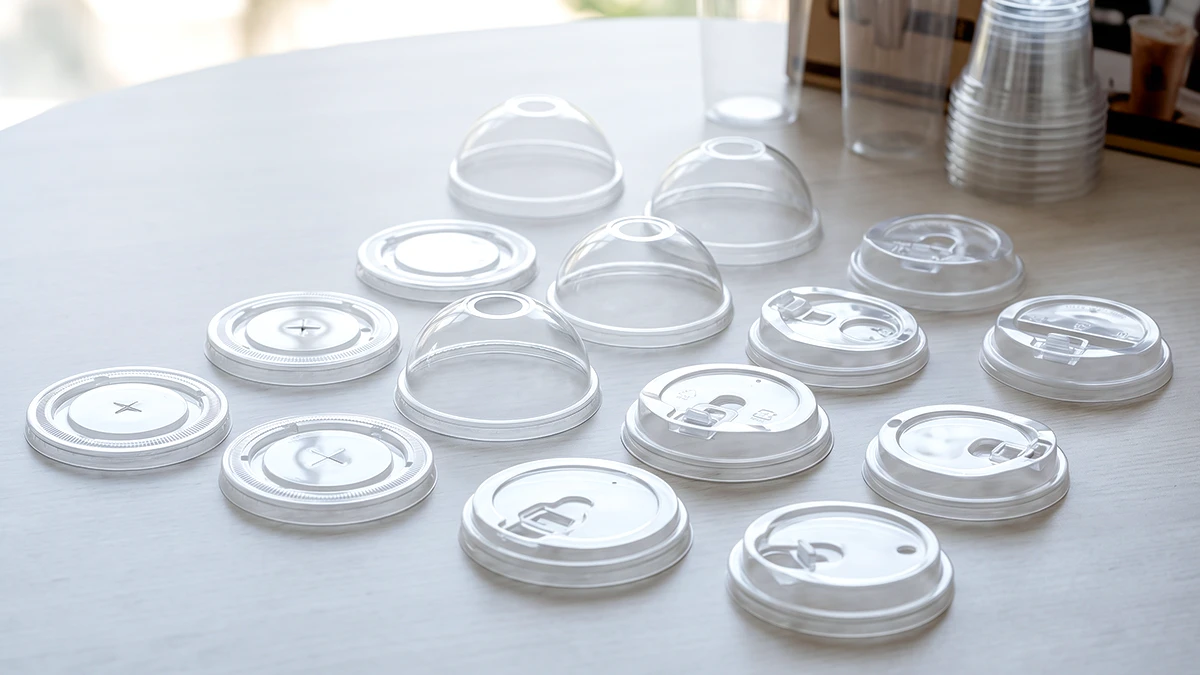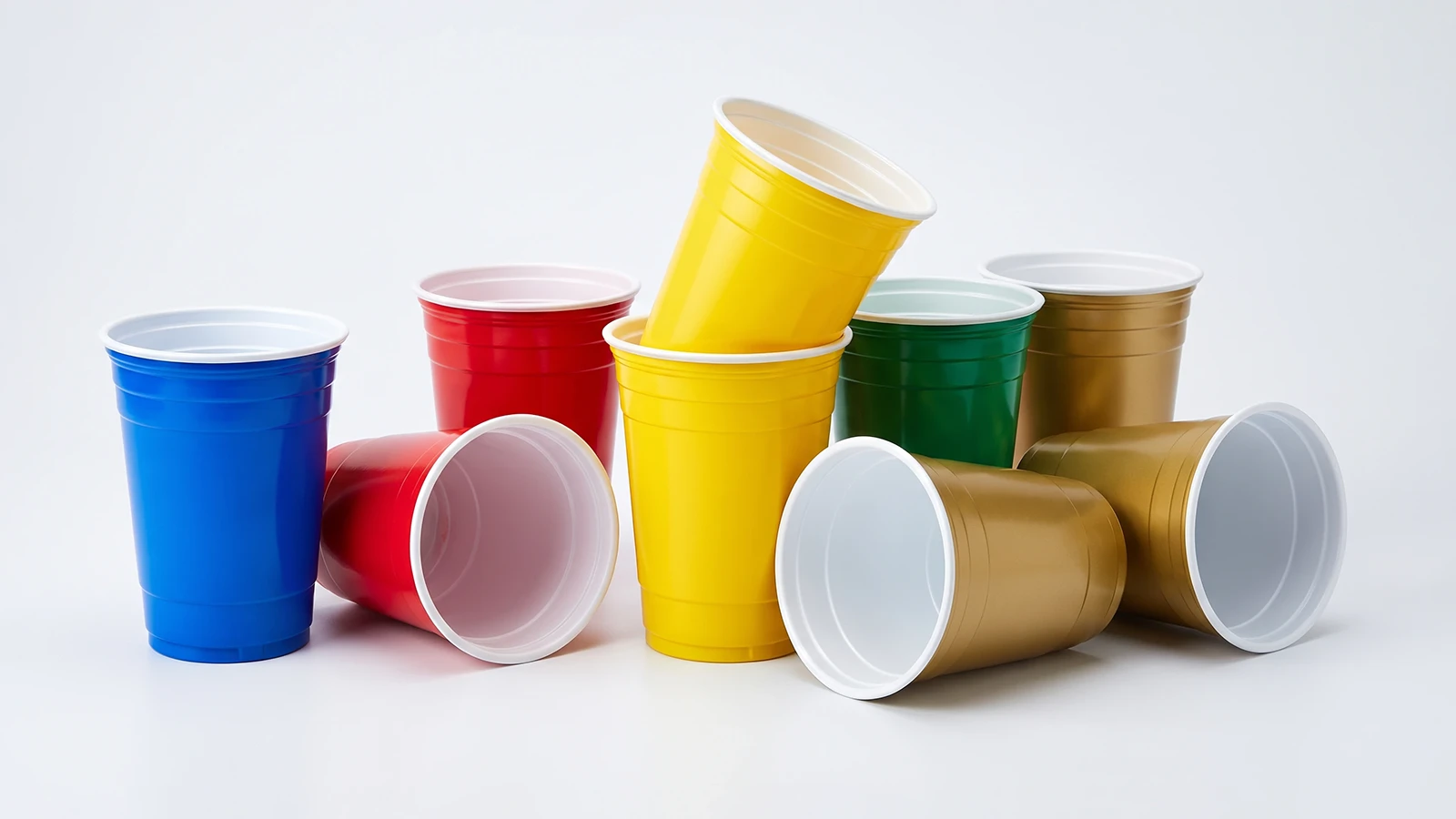

Bagasse plates provide a sustainable alternative to plastic by utilizing sugarcane fiber waste that decomposes within 60 to 90 days under composting conditions, eliminating the centuries-long environmental persistence associated with petroleum-based disposables. These plant-based plates match plastic performance for heat resistance, structural integrity, and food safety while generating zero microplastic pollution during breakdown.
Foodservice operators face mounting pressure from multiple directions when selecting disposable plates. Customers increasingly expect eco-friendly options, regulations restrict plastic usage in growing numbers of jurisdictions, and corporate sustainability mandates demand measurable environmental improvements. Yet many buyers remain uncertain whether bagasse plates can truly handle demanding kitchen environments without compromising food presentation or operational efficiency. This article examines exactly how bagasse plates deliver practical plastic replacement across real-world applications, addressing performance characteristics, environmental metrics, and implementation considerations that matter most to B2B decision-makers.
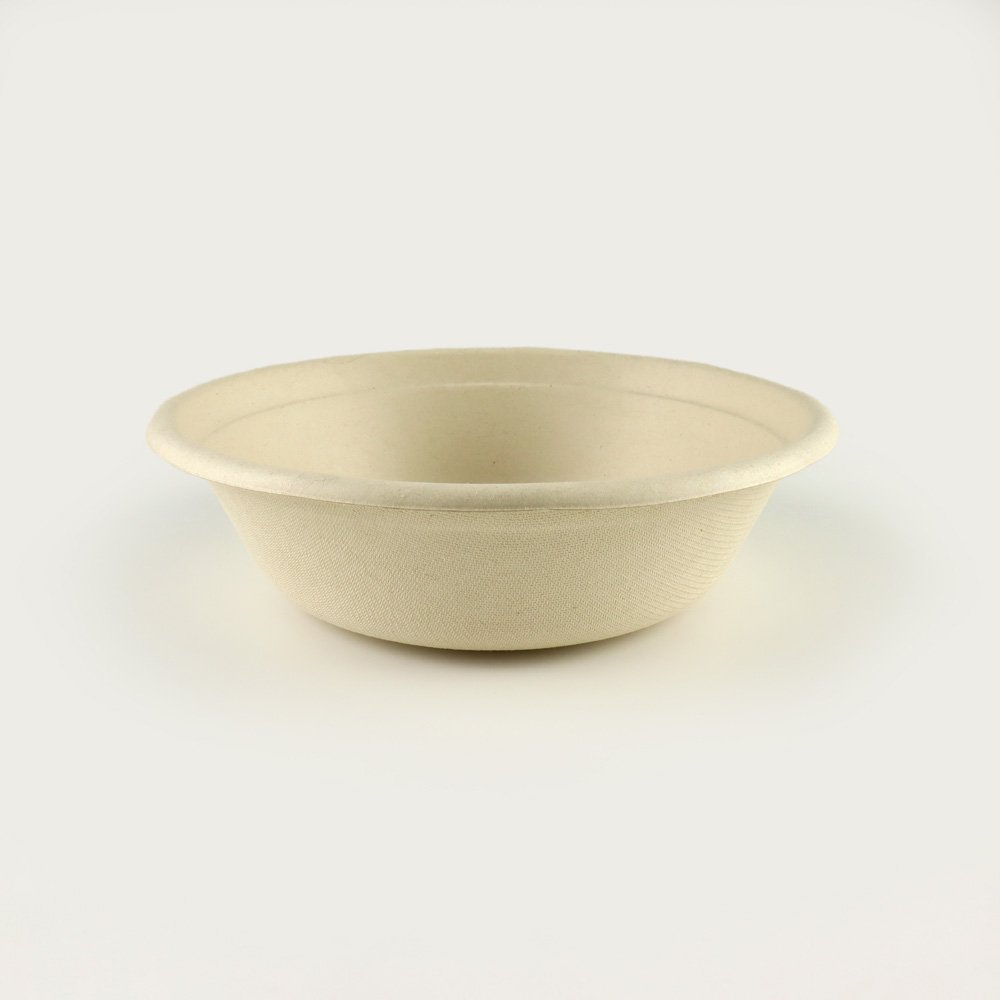


Why Do Bagasse Plates Represent a Genuine Environmental Solution?
Bagasse plates address plastic pollution at its source by replacing persistent petroleum products with rapidly biodegradable plant fiber that returns to earth within a single composting cycle. The environmental case extends far beyond simple decomposition advantages.
The Carbon Footprint Advantage
Here’s the deal: bagasse plates achieve carbon neutrality through a closed-loop agricultural cycle that plastic cannot replicate.
Sugarcane absorbs atmospheric CO2 during growth, and this carbon remains sequestered in bagasse fibers until composting releases it back to the atmosphere. The net effect creates balance rather than the continuous carbon addition generated by extracting and processing fossil fuels for plastic production.
Measurable environmental benefits per 1,000 bagasse plates versus plastic equivalents:
- 18-22 kg of plastic diverted from landfills and oceans
- 40-55 kg reduction in CO2 equivalent emissions
- Zero contribution to the 8 million tons of plastic entering oceans annually
- Complete elimination of microplastic generation during degradation
Agricultural Waste Transformation
Bagasse represents authentic upcycling rather than resource consumption. Global sugarcane processing generates approximately 280 million metric tons of this fibrous byproduct each year after juice extraction.
Before tableware manufacturing emerged as a viable industry:
- Mills burned most bagasse for energy recovery
- Remaining material accumulated as agricultural waste
- Disposal created additional environmental burden
- Valuable fiber resources went unutilized
Bagasse tableware manufacturing transforms this waste stream into functional products without requiring additional agricultural land, water resources, or crop cultivation specifically for packaging purposes.
Regulatory Alignment Benefits
Government restrictions on single-use plastics continue expanding, making bagasse adoption strategically valuable beyond environmental considerations.
| Region | Regulation Status | Plastic Plate Impact |
|---|---|---|
| European Union | Single-Use Plastics Directive active | Banned categories expanding |
| United States | 10+ states with polystyrene bans | Municipal restrictions growing |
| Canada | Single-use plastics prohibition enacted | Federal enforcement active |
| Australia | National Plastics Plan targets set | Phase-out timelines established |
Businesses selecting bagasse plates today position themselves ahead of regulatory requirements while building resilience against future restrictions.
Key Takeaway: B2B buyers choosing bagasse plates gain quantifiable environmental improvements, regulatory compliance protection, and authentic sustainability credentials that withstand scrutiny from increasingly informed customers and stakeholders.
How Do Bagasse Plates Perform Compared to Plastic in Real Applications?
Bagasse plates match or exceed plastic performance across most foodservice scenarios while providing superior characteristics for specific high-demand applications including hot food service and microwave reheating.
Heat Resistance and Structural Integrity
Here’s what operational testing reveals: bagasse plates maintain complete structural integrity at temperatures reaching 120°C, outperforming polystyrene alternatives that begin softening at 70-90°C.
This heat tolerance translates directly into practical advantages:
- Hot entrees served directly from warming equipment without plate deformation
- Microwave reheating safe without chemical migration concerns
- Steam table compatibility for buffet and catering operations
- No warping or buckling under freshly cooked food items
The natural cellulose fiber structure creates insulating properties that prevent heat transfer to external surfaces, reducing burn risk during handling and improving customer experience.
Food Compatibility Across Menu Categories
Bagasse plates accommodate diverse food types that challenge other eco-friendly alternatives.
Optimal applications include:
- Grilled proteins and roasted vegetables
- Rice and grain-based dishes
- Pasta preparations with moderate sauce
- Fried items requiring grease resistance
- Cold salads and fresh preparations
- Desserts and pastry items
| Food Category | Hold Time | Performance Notes |
|---|---|---|
| Hot Entrees | 45-60 minutes | Maintains rigidity throughout service |
| Fried Foods | 30-45 minutes | Moderate grease absorption acceptable |
| Cold Items | 60+ minutes | Excellent stability with chilled foods |
| Sauced Dishes | 30-45 minutes | Raised edges contain liquids effectively |
Microwave Safety Distinction
Plastic plates present documented risks when microwaved, with potential chemical leaching that raises food safety concerns. Bagasse plates eliminate this issue entirely through their natural fiber composition.
The FDA-compliant material contains no petroleum derivatives, plasticizers, or synthetic compounds that could migrate into food during heating. This safety profile proves particularly valuable for:
- Meal prep operations with reheating requirements
- Institutional foodservice where plates may be microwaved multiple times
- Delivery services where customers reheat food at home
Key Takeaway: Bagasse plates deliver operational performance that meets professional foodservice standards while providing safety advantages for heated food applications that plastic alternatives cannot match.
What Should Buyers Consider When Transitioning from Plastic to Bagasse Plates?
Successful plastic-to-bagasse transitions require systematic evaluation of operational requirements matched against product specifications, with attention to staff training and customer communication strategies.
Product Selection Criteria
Here’s the critical factor: not all bagasse plates perform identically, and matching product specifications to operational needs prevents performance issues.
Essential evaluation factors include:
- Plate diameter options matching current portion standards
- Edge height appropriate for menu item types
- Weight capacity sufficient for heaviest served items
- Compartmented options for meal tray applications
- Surface finish compatible with food presentation standards
Standard bagasse plate specifications available from quality manufacturers:
- Diameter options: 6-inch, 7-inch, 9-inch, 10-inch
- Compartmented versions: 2-section, 3-section, 5-section
- Weight capacities: up to 500g per standard plate
- Temperature tolerance: -20°C to 120°C continuous
Operational Implementation Steps
Successful transitions follow methodical validation processes rather than immediate full-scale switching.
Recommended implementation sequence:
- Request samples from multiple suppliers for comparison
- Conduct staff testing with actual menu items
- Gather feedback on handling and presentation
- Test storage and inventory management procedures
- Calculate accurate cost-per-serving figures
- Pilot program with limited menu items or locations
- Full rollout with documented procedures
Addressing Moisture Considerations
Bagasse plates perform excellently with most foods but benefit from appropriate matching to high-moisture applications.
For liquid-heavy menu items:
- Select plates with enhanced raised edges
- Consider PFAS-free coated options for extended hold times
- Train staff on appropriate product-to-food matching
- Establish reasonable service time expectations
| Application Challenge | Recommended Solution |
|---|---|
| High-moisture foods | Coated plate options |
| Extended hold times | Vented storage, timely service |
| Heavy portions | Heavy-duty product lines |
| Presentation standards | Consistent supplier selection |
Key Takeaway: B2B buyers who invest in systematic product evaluation, staff training, and phased implementation achieve smooth plastic-to-bagasse transitions that maintain operational efficiency while advancing sustainability objectives.
How Does Bagasse Plate Pricing Compare to Plastic Economics?
Bagasse plates typically carry 15-30% price premiums over plastic equivalents at the unit level, but comprehensive cost analysis reveals economic advantages that offset or eliminate this differential for most operations.
Direct Cost Factors
Current wholesale pricing for bagasse plates reflects manufacturing scale expansion that has steadily reduced premiums over recent years.
Typical wholesale ranges (USD per 1,000 units):
- 6-inch plates: $35-50
- 9-inch plates: $45-65
- 10-inch plates: $55-75
- Compartmented trays: $60-85
Here’s what changes the calculation: volume commitments substantially reduce per-unit costs, with discounts of 18-22% achievable at quantities exceeding one million units annually.
Hidden Cost Savings
Operations switching to bagasse plates often discover savings that traditional cost comparisons overlook.
Measurable cost reductions include:
- Avoided regulatory compliance costs and potential fines
- Reduced waste disposal fees where compostable streams cost less
- Marketing value generating customer preference and loyalty
- Risk mitigation against future plastic restriction impacts
- Simplified supplier relationships through sustainable packaging consolidation
Total Cost of Ownership Perspective
When environmental externalities and business risk factors enter calculations, bagasse plates frequently achieve cost parity or advantage over plastic alternatives.
| Cost Factor | Plastic Plates | Bagasse Plates |
|---|---|---|
| Unit Price | Lower (baseline) | 15-30% premium |
| Disposal Cost | Standard waste rates | Often reduced (compost) |
| Regulatory Risk | Increasing exposure | Minimal exposure |
| Customer Perception | Declining favorability | Strong positive response |
| Future Price Trend | Rising (petroleum) | Stable to declining |
Strategic procurement through established supplier relationships delivers additional value through price stability, priority allocation during supply constraints, and access to new product development.
Key Takeaway: B2B buyers evaluating total cost of ownership rather than unit price alone typically find bagasse plates economically competitive when regulatory protection, customer preference, and operational risk factors receive appropriate weight in purchasing decisions.
Taking Action Toward Sustainable Plate Solutions
Bagasse plates represent a proven, practical pathway for foodservice operations committed to eliminating plastic waste without compromising operational requirements. The combination of superior heat tolerance, complete biodegradability, competitive economics at scale, and regulatory alignment creates compelling value for B2B buyers ready to advance their sustainability commitments.
Reliancepak delivers comprehensive bagasse plate solutions backed by nine production lines, established export relationships across global markets, and professional customization capabilities for branded applications. Our free sample program allows operational testing before commitment, while food-grade certifications meeting both EU and FDA standards ensure compliance confidence across international markets.
Organizations making the plastic-to-bagasse transition today establish competitive advantages that strengthen as consumer expectations and regulatory requirements continue evolving toward environmental responsibility.
Frequently Asked Questions
Can I use bagasse plates for both hot and cold food service?
Yes, bagasse plates handle temperature ranges from -20°C to 120°C effectively, making them suitable for everything from chilled salads to hot entrees fresh from cooking equipment. The natural fiber structure provides insulation that maintains food temperature while protecting hands from heat transfer.
How do I store bagasse plates to maintain quality before use?
Keep bagasse plates in original sealed packaging within climate-controlled storage areas maintaining moderate humidity levels. Properly stored products maintain full quality for 12-24 months. Avoid direct sunlight exposure, water contact, and extreme temperature fluctuations that could affect fiber integrity.
Can I get custom branded bagasse plates for my business?
Yes, bagasse plates accept embossed logos and custom designs through specialized mold production. Minimum order quantities for customization typically start at 50,000-100,000 units depending on design complexity, with lead times of 60-90 days for initial branded orders.
Will bagasse plates work in my existing plate dispensers and storage systems?
Yes, standard bagasse plate dimensions match conventional sizing, and stackable designs integrate with most existing dispensing equipment. Request samples to verify compatibility with your specific equipment before committing to volume orders.
How do I communicate the environmental benefits to my customers?
Display simple signage noting that plates compost within 60-90 days and are made from sugarcane agricultural waste. Customers respond positively to straightforward environmental messaging that explains both the material origin and disposal benefits without technical complexity.