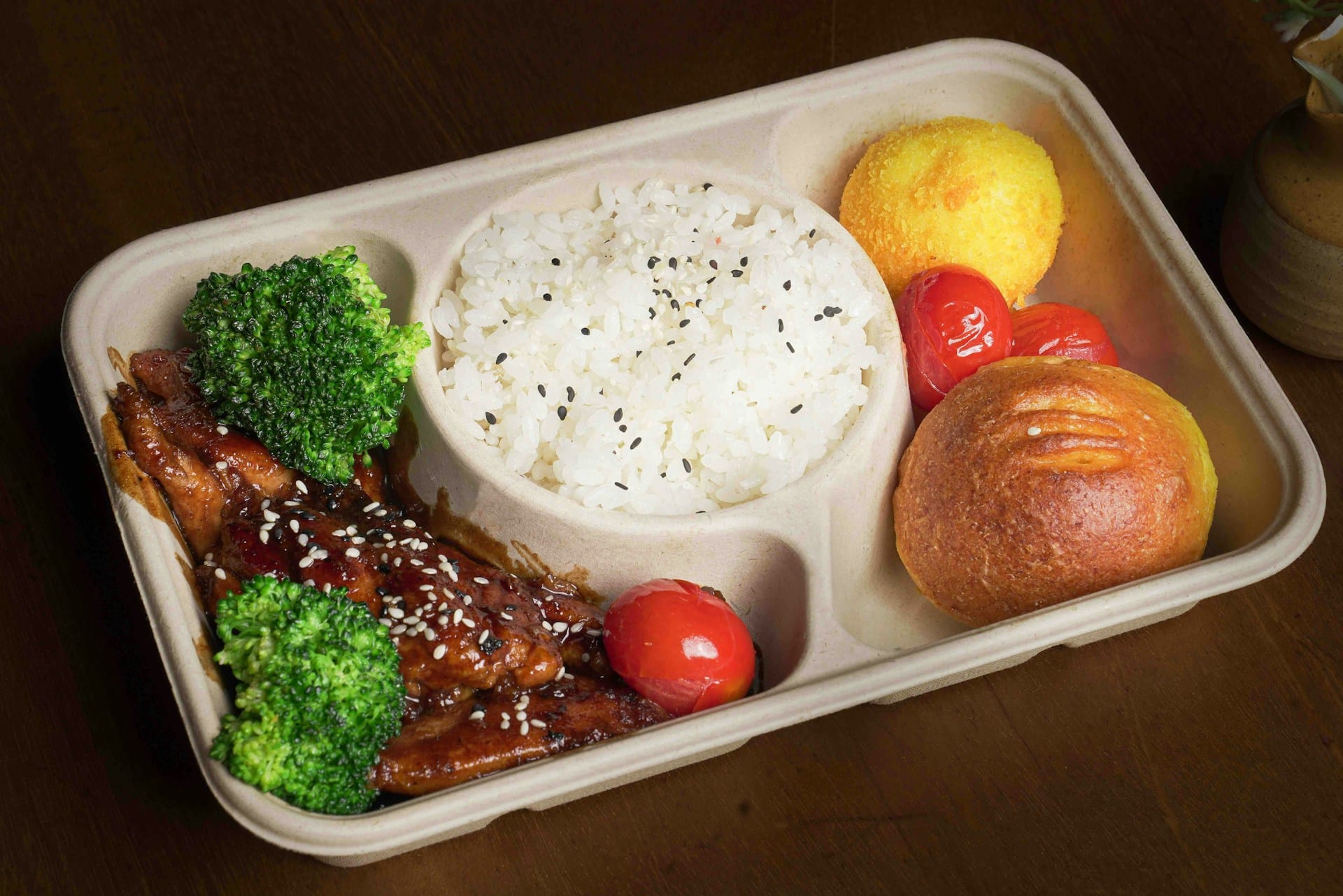
Bagasse tableware safely accommodates hot foods up to 120°C, cold preparations, greasy items, and moderately liquid dishes, making it suitable for nearly every menu category in commercial foodservice operations. This plant-based packaging handles everything from sizzling grilled proteins to fresh salads without compromising structural integrity or food safety.
Foodservice operators transitioning to sustainable packaging often worry about whether eco-friendly alternatives can actually handle their diverse menu offerings. The wrong container choice leads to soggy bottoms, structural failures during delivery, and frustrated customers. This guide breaks down exactly which food categories work best with bagasse tableware, how to match products to specific dishes, and practical hold-time expectations that keep your operations running smoothly.
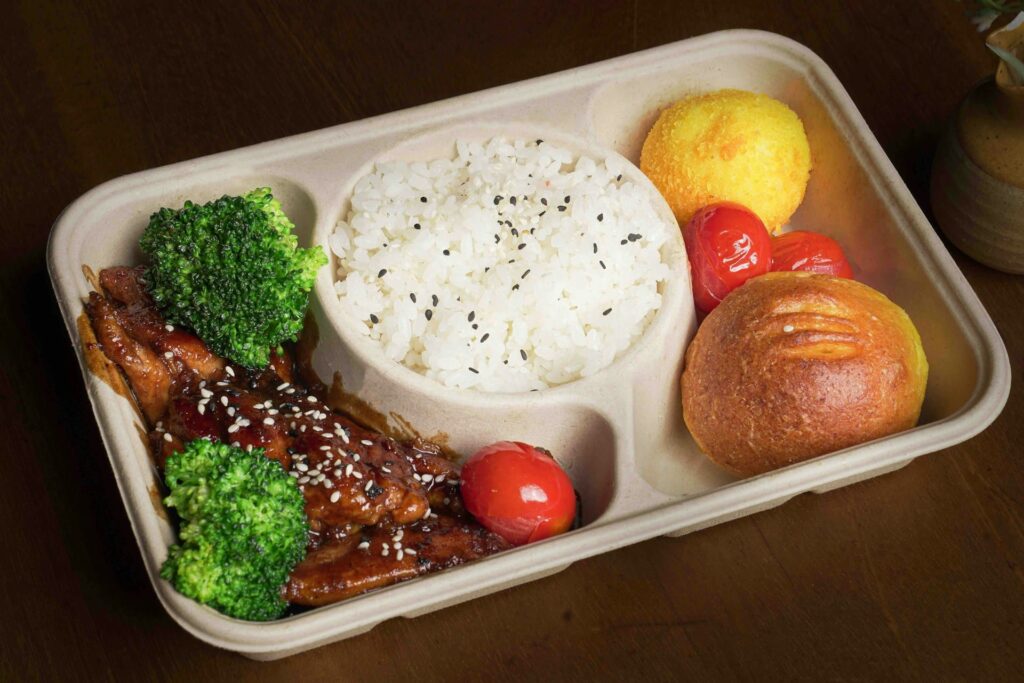
Which Hot Foods Perform Best in Bagasse Containers?
Bagasse tableware excels with hot foods due to its natural heat resistance up to 120°C and superior insulating properties that keep meals at serving temperature without transferring heat to external surfaces.
The fibrous structure of sugarcane-derived bagasse creates natural air pockets that function as insulation. This means customers can comfortably hold containers without burning their hands while food stays warm longer than in standard plastic alternatives.
Grilled and Roasted Items
Here’s the deal: proteins coming straight off the grill represent the ideal use case for bagasse packaging.
Optimal hot food applications include:
- Grilled chicken breasts, steaks, and fish fillets
- Roasted vegetables and root preparations
- BBQ ribs and pulled pork servings
- Rotisserie chicken portions
- Kebabs and skewered meats
The material’s breathability allows steam to escape gradually, preventing the “steam box” effect that makes crispy items soggy.
Fried Food Applications
Bagasse containers maintain fried food quality better than sealed plastic alternatives.
- French fries and potato wedges retain crispness for 30-45 minutes
- Fried chicken stays crispy with proper venting
- Tempura and battered items maintain texture
- Onion rings and appetizer baskets perform well
For comprehensive information on bagasse material properties and manufacturing processes, refer to our complete guide to [bagasse tableware].
| Hot Food Category | Recommended Hold Time | Best Container Style |
|---|---|---|
| Grilled proteins | 45-60 minutes | Clamshells with vents |
| Fried items | 30-45 minutes | Perforated containers |
| Rice/grain bowls | 45-60 minutes | Deep bowls with lids |
| Hot sandwiches | 60+ minutes | Standard clamshells |
Steam venting proves critical for maintaining hot food quality during transport and holding periods.
Key Takeaway: B2B buyers serving hot menu items gain a competitive advantage with bagasse containers that maintain food temperature and texture while providing comfortable handling for end consumers.
How Does Bagasse Handle Greasy and Oily Foods?
Bagasse demonstrates moderate to high grease resistance through its natural fiber density and optional PFAS-free coatings, making it suitable for most oil-containing menu items without leakage or structural compromise.
The compressed sugarcane fibers create a naturally dense barrier that resists oil penetration for typical meal consumption timeframes. Unlike paper products requiring wax coatings, standard bagasse provides adequate grease protection for most applications.
Pizza and Greasy Takeout
Here’s what restaurant operators need to know about oily food service:
- Pizza slices hold well for 45-60 minutes
- Burger containers resist beef fat effectively
- Fried chicken packaging maintains integrity
- Chinese takeout with oil-based sauces performs adequately
- Mexican food items with cheese and meat fats work well
When to Select Enhanced Grease Resistance
Certain high-fat applications benefit from coated bagasse products:
- Extra-cheesy preparations with pooling oils
- Deep-fried items held for extended periods
- Foods with butter-based sauces
- Items with rendered bacon fat
| Grease Level | Standard Bagasse | Coated Bagasse |
|---|---|---|
| Light oil | Excellent | Excellent |
| Medium grease | Good | Excellent |
| Heavy/pooling | Adequate | Excellent |
| Extended hold | Limited | Good |
Product selection matched to actual menu requirements prevents both over-specification and performance failures.
Key Takeaway: Most B2B foodservice operations can use standard bagasse products for greasy foods, reserving premium coated options only for high-fat items with extended hold requirements.
What Are the Guidelines for Serving Liquid-Based Foods?
Bagasse containers handle soups, stews, and saucy dishes effectively when operators select appropriate bowl depths and understand realistic hold-time limitations for liquid-heavy preparations.
The material provides good wet strength for typical meal service windows, though it lacks the complete liquid impermeability of plastic containers. Proper product selection makes liquid foods fully viable in bagasse packaging.
Soup and Stew Service
Effective liquid food practices include:
- Deep bowl designs with adequate freeboard
- Secure lid attachment preventing spills
- Hold times under 30 minutes for best results
- Portion sizing leaving space below rim
Saucy Preparations and Curries
Here’s the deal with sauce-heavy dishes:
- Pasta with marinara or cream sauces works well
- Indian curries and Thai dishes perform adequately
- Stir-fry items with sauce maintain integrity
- Braised meats with gravy hold effectively
For very long transport times or exceptionally liquid-heavy items, consider serving sauces in separate containers.
Key Takeaway: B2B buyers can confidently serve most liquid-containing foods in bagasse tableware by matching bowl depth to portion size and maintaining reasonable hold-time expectations.

Which Cold Foods Work Well in Bagasse Tableware?
Cold food applications represent an often overlooked strength of bagasse tableware, with the material providing excellent performance for salads, fresh preparations, and chilled items without the condensation problems that affect some alternatives.
Salad and Fresh Preparations
Bagasse serves cold applications effectively:
- Garden salads and grain bowls
- Fresh fruit servings
- Cold pasta salads
- Sushi and sashimi presentations
- Deli sandwiches and wraps
- Chilled desserts
Temperature Considerations
The natural insulating properties that benefit hot foods also help maintain cold food temperatures during transport and display.
| Cold Food Type | Performance Rating | Notes |
|---|---|---|
| Leafy salads | Excellent | Dressing on side preferred |
| Grain bowls | Excellent | Extended hold times possible |
| Fresh fruit | Excellent | No moisture concerns |
| Sushi/sashimi | Good | Food-grade certified required |
Key Takeaway: B2B operators serving mixed menus benefit from bagasse versatility across both hot and cold preparations, simplifying inventory management while maintaining sustainable packaging standards.
Frequently Asked Questions
Can I serve soup in bagasse bowls for delivery orders?
Yes, bagasse bowls handle soup effectively for delivery timeframes under 30 minutes. Select deep bowl designs with secure lids and leave adequate freeboard below the rim to prevent spillage during transport.
How long can fried foods stay crispy in bagasse containers?
Fried items typically maintain acceptable crispness for 30-45 minutes in vented bagasse containers. The perforated designs allow steam escape that prevents the soggy texture common with sealed plastic packaging.
Will very hot foods melt or damage bagasse tableware?
No, bagasse tolerates temperatures up to 120°C without structural damage or chemical leaching. Foods directly from grills, fryers, and ovens can be served immediately in bagasse containers without cooling periods.
Can bagasse containers hold foods with heavy oil content overnight?
No, extended exposure to pooling oils may eventually penetrate standard bagasse products. For prepared foods requiring overnight storage, select PFAS-free coated bagasse options or transfer to appropriate storage containers.
Do I need different bagasse products for hot versus cold foods?
No, the same bagasse products serve both hot and cold applications effectively. Selection should focus on container depth, portion size matching, and lid requirements rather than temperature-specific product lines.