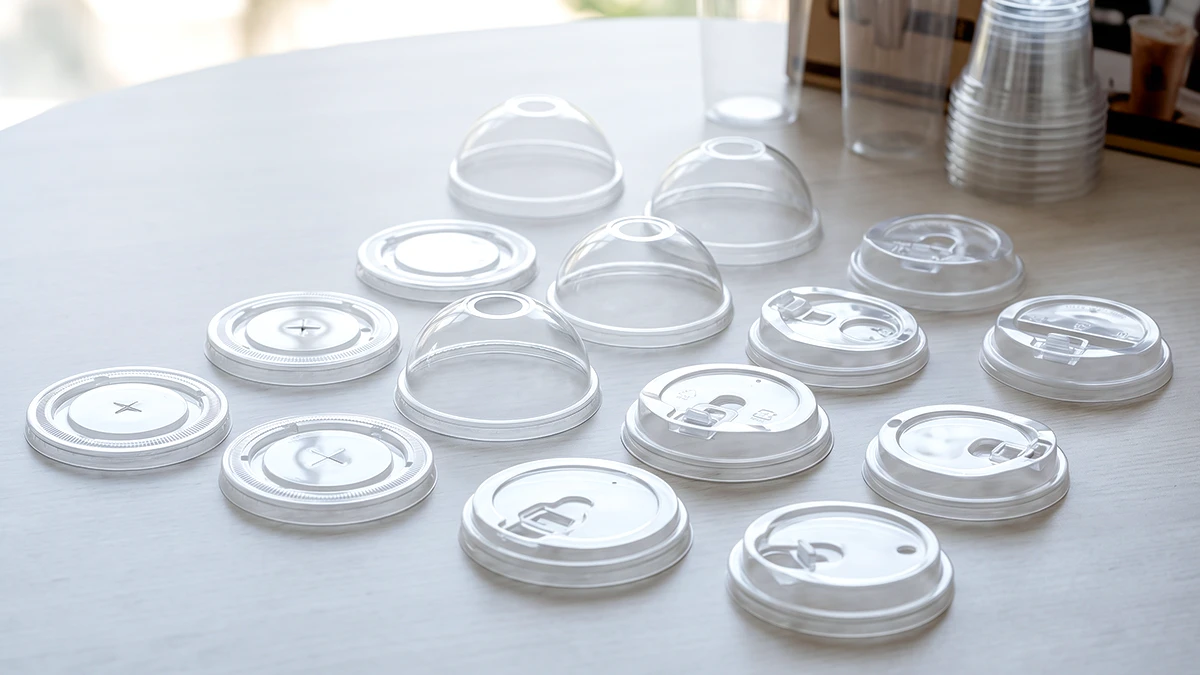
Recycled polyethylene terephthalate (rPET) has emerged as a premier material for cold-chain application due to its unique combination of thermal stability, impact resistance, and moisture barrier properties. When used in refrigerated or frozen supply chains, this material maintains its structural integrity at low temperatures, ensuring that perishable goods reach consumers without packaging failure or contamination.
Managing the logistics of temperature-sensitive products involves significant risks regarding material brittleness and seal integrity. You might worry that switching to recycled content could compromise the durability of your trays or bottles when subjected to sub-zero environments. This technical analysis explores how the molecular structure of high-quality recycled resins handles thermal stress, providing a reliable framework for implementing sustainable food-contact solutions in demanding refrigerated environments.
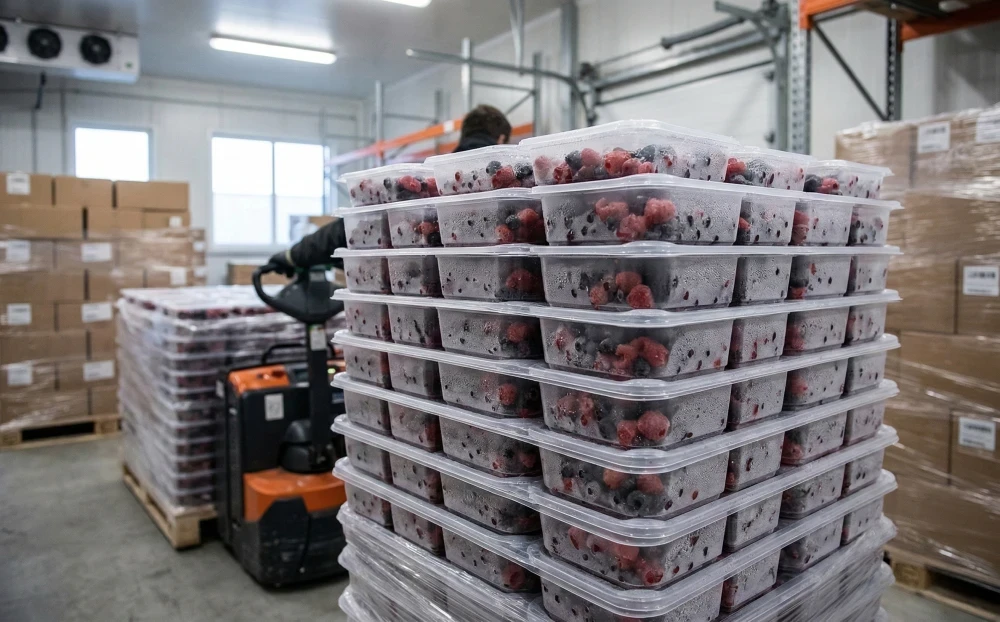
How does rPET maintain structural integrity in cold environments?
Recycled PET maintains structural integrity because it possesses a relatively low glass transition temperature compared to other polymers, allowing it to remain tough rather than brittle in a typical cold-chain application. The polymer chains in rPET are engineered to retain their flexibility even when temperatures drop to 0°C or lower, preventing the “cracking” common in less stable plastics.
Molecular resilience under thermal stress
Here’s the deal. The mechanical performance of the material in cold storage is largely determined by its intrinsic viscosity (IV), which is carefully restored during the decontamination process.
- Impact Strength: High IV levels ensure that containers can survive the physical shocks of automated sorting and truck transport in freezing conditions.
- Flexural Modulus: The material maintains a balance of stiffness and give, allowing lids to stay securely snapped onto trays despite the contraction caused by cold.
- Creep Resistance: Even under the weight of stacked pallets in a cold room, the material resists deformation over long periods.
| Property | Cold-Chain Requirement | rPET Performance |
|---|---|---|
| Low-Temp Toughness | Prevent brittle fracture | Excellent (down to -20°C) |
| Seal Integrity | Maintain airtight barriers | High (supports heat sealing) |
| Dimensional Stability | Resist shrinking/warping | Superior to many polyolefins |
This structural reliability ensures that the packaging does not become a point of failure in the broader logistics chain, protecting both the product and the brand’s reputation for quality.
Key Takeaway: The physical durability of rPET in sub-zero temperatures makes it a technically viable alternative to virgin resins for heavy-duty refrigerated transport.
Why is moisture resistance critical for refrigerated rPET?
Moisture resistance is critical because cold-chain environments are prone to condensation and high humidity, which can weaken fiber-based packaging or cause inferior plastics to lose their grip. Since rPET is naturally hydrophobic, it does not absorb water from the atmosphere, ensuring that the packaging remains rigid and protective throughout the “last mile” of delivery.
Performance in high-humidity zones
The reality is that condensation is the enemy of packaging stability, particularly when moving products from cold storage to ambient retail shelves.
- Barrier Consistency: Unlike paper-based alternatives, rPET provides a 100% moisture barrier that prevents the contents from drying out or absorbing external odors.
- Anti-Fog Compatibility: The material easily accepts anti-fog coatings, which are essential for maintaining product visibility in refrigerated display cases.
- Surface Hygiene: Because it does not absorb moisture, the surface of the container does not support the growth of mold or bacteria during prolonged cold storage.
| Environmental Factor | Impact on Packaging | rPET Advantage |
|---|---|---|
| Condensation | Can soften cardboard/paper | Remains 100% rigid |
| Temperature Cycling | Expansion/Contraction stress | Minimal dimensional change |
| Ice Formation | Can cause surface micro-cracks | High surface tension resists ice grip |
By resisting the effects of water and humidity, rPET ensures that food products remain visible and safe, even when the external environment is highly unstable.
Key Takeaway: The hydrophobic nature of rPET is a decisive advantage in refrigerated logistics, where moisture and condensation would otherwise compromise packaging strength.
What makes rPET an efficient choice for cold-chain logistics?
The efficiency of rPET in these scenarios stems from its high strength-to-weight ratio, which allows for thinner walls without sacrificing the protection needed for heavy, cold-filled products. This lightweighting capability directly translates to lower transportation energy and reduced carbon emissions, aligning with the sustainability goals of modern global supply chains.
Optimizing the refrigerated supply chain
It gets better. Using advanced molding techniques, manufacturers can create complex geometries that improve airflow around the product in cold storage.
- Thermal Conductivity: rPET has low thermal conductivity, which helps maintain a stable internal temperature for a short duration during loading and unloading.
- Uniform Wall Thickness: Precision thermoforming ensures there are no thin spots that might fail when the material contracts in a freezer.
- Nesting and Stacking: The high tensile strength allows for thinner, stackable designs that maximize space in refrigerated containers, reducing the number of trips required.
| Logistics Benefit | Technical Reason | Economic Result |
|---|---|---|
| Reduced Fuel Usage | Lower packaging weight | Lower freight costs |
| Space Optimization | High-load stacking strength | More units per pallet |
| Material Recovery | 100% Recyclability | Closed-loop cost savings |
These efficiencies make the material not just a “green” choice, but a high-performance logistics tool that helps control the escalating costs of cold-chain management.
Key Takeaway: The ability to down-gauge packaging while maintaining cold-temp performance offers a rare opportunity to improve both sustainability and bottom-line logistics costs.
Conclusion
The adoption of recycled resins in temperature-controlled logistics represents a significant advancement in sustainable engineering. By leveraging the inherent thermal and mechanical strengths of the material, companies can ensure that their products are protected by packaging that is as resilient as it is environmentally responsible. As the cold-chain industry continues to grow, the role of high-performance recycled materials will be central to achieving a balance between food safety, logistics efficiency, and circularity.
FAQ
Does rPET become brittle in a freezer?
Generally, no. While all plastics become slightly stiffer in the cold, high-quality rPET remains durable enough to withstand standard handling at typical freezer temperatures (-18°C to -20°C).
Can rPET be used for “Hot-Fill then Chill” processes?
Yes. rPET can handle moderate hot-fill temperatures (up to 70°C) and can be immediately transferred to a chilling environment without cracking or losing its shape.
Is there a risk of chemical migration in the cold?
Actually, chemical migration is significantly reduced at lower temperatures. Because the polymer chains are less mobile in the cold, food-safe rPET is even more stable in a refrigerator than at room temperature.
Does recycled content affect the clarity of frozen food trays?
No. Advanced decontamination and filtration ensure that the material remains crystal clear, allowing consumers to see the quality of the frozen product inside.
Is rPET more expensive for cold-chain use?
While the material cost may fluctuate, the logistics savings from reduced weight and lower failure rates often make it more cost-effective than heavier or more brittle alternatives over the long term.