
Choosing the right tray for sushi can be a challenge. While traditional options like wooden or ceramic trays have their appeal, plastic sushi trays may offer a more practical solution. The problem? Incorrect storage and handling can lead to soggy or poorly presented sushi. Discover how a sushi plastic tray can maintain your sushi’s quality and help your kitchen run efficiently. Keep reading for expert insights.
Sushi plastic trays offer an affordable, practical, and hygienic alternative for storing and serving sushi. Learn how these trays help preserve sushi freshness, reduce waste, and enhance kitchen efficiency.
Explore the benefits of sushi plastic trays for better storage, food presentation, and cost-effectiveness in your kitchen.
Introduction to Sushi Plastic Trays
When it comes to serving sushi, presentation and freshness are key. Traditional trays, such as those made from wood or ceramic, are commonly used to serve sushi in restaurants. However, for home chefs or small-scale eateries, sushi plastic trays have become a go-to option for their practicality, durability, and cost-effectiveness. But is a sushi plastic tray the best choice for your kitchen? This article explores the advantages and limitations of sushi plastic trays to help you make an informed decision.
1. The Advantages of Sushi Plastic Trays
Affordability and Cost-Efficiency
One of the primary reasons many kitchens opt for plastic sushi trays is their affordability. Plastic trays are significantly less expensive than their wooden or ceramic counterparts, making them a cost-effective choice for both home and commercial kitchens. They are available in various sizes and shapes, offering versatility for different sushi presentations and serving needs.
Hygienic and Easy to Clean
Plastic sushi trays are easier to clean and maintain compared to wood or ceramic trays. Wood, for example, can absorb moisture and oil, potentially leading to bacterial growth, while ceramic trays can be easily chipped or cracked. Plastic trays, on the other hand, are non-porous and more resistant to staining, which makes them more hygienic and suitable for high-volume use.
Durability and Longevity
Another benefit of plastic sushi trays is their durability. Unlike ceramic trays, which are prone to breakage if dropped, plastic trays are highly resistant to cracking and can withstand the rigors of daily use. For busy kitchens, this makes them a practical choice that offers long-term value.
Lightweight and Convenient
Plastic sushi trays are lightweight, which makes them easier to handle and transport, especially for caterers or sushi takeout businesses. Whether you’re delivering sushi to customers or moving them around your kitchen, plastic trays provide ease of use and convenience without compromising the integrity of the sushi itself.
2. How Sushi Plastic Trays Help Maintain Freshness
Sushi’s freshness is crucial, and plastic sushi trays play an essential role in preserving it. These trays often feature tight-fitting lids or a smooth, non-absorbent surface that prevents the sushi from drying out. This helps maintain the delicate texture and flavor of the sushi, particularly when stored for short periods.
Sealing and Storing
Many plastic trays are designed with snap-on lids, allowing for airtight storage. This feature helps to lock in moisture and reduce exposure to air, which can dry out sushi rolls or affect the quality of the ingredients. For sushi that needs to be transported or stored temporarily, these trays offer a convenient and effective solution.
Non-Absorbent Material
Unlike wood, which can absorb moisture and lead to sogginess, plastic trays are designed to keep sushi fresh without affecting its texture. This is especially important for ingredients like fish or rice, which require careful handling to prevent degradation.
3. Environmental Considerations
While plastic sushi trays offer several practical benefits, there are environmental concerns associated with their use. The production and disposal of plastic contribute to environmental pollution and waste, which is a growing concern in the foodservice industry.
Sustainability of Plastic Trays
To address this issue, many manufacturers now produce eco-friendly plastic trays made from recyclable or biodegradable materials. Some of these trays are made from recycled PET (RPET) plastic, which helps reduce the environmental impact by repurposing plastic waste. Choosing eco-friendly options is an excellent way to balance functionality with environmental responsibility.
Alternatives to Traditional Plastics
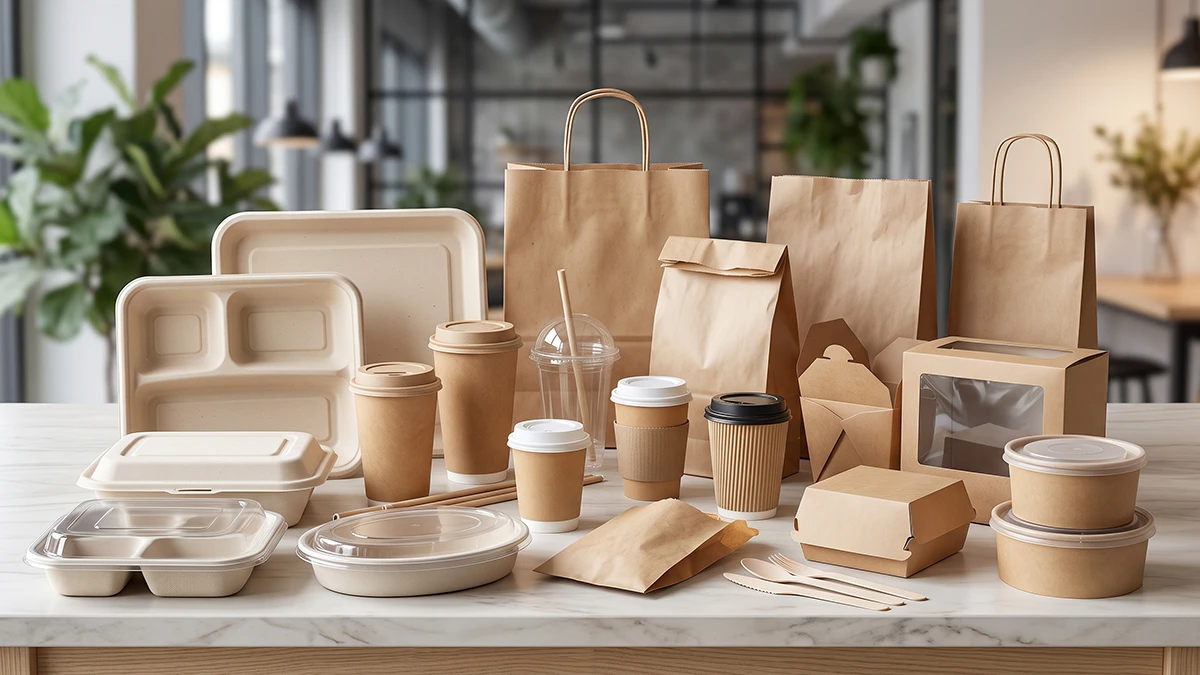
As the demand for sustainable packaging grows, alternatives to traditional plastic trays, such as bamboo or sugarcane trays, are gaining popularity. These materials are biodegradable, compostable, and provide an eco-friendly option for those looking to reduce their environmental footprint.
4. Best Practices for Using Sushi Plastic Trays
To make the most of your sushi plastic tray, there are several best practices to follow:
Proper Storage
To maintain freshness, store sushi trays in a cool environment away from direct sunlight. Avoid stacking heavy items on top of the trays, as this could damage the sushi or the tray itself.
Avoid Using for Long-Term Storage
Plastic sushi trays are best suited for short-term storage. For long-term storage, consider using specialized containers designed for refrigeration, as plastic trays may not provide adequate insulation for extended periods.
Use for Serving and Display
While plastic sushi trays are suitable for serving sushi in a casual setting, they may not offer the same aesthetic appeal as traditional wooden or ceramic trays. If presentation is a priority, consider using plastic trays for serving sushi in casual or takeout settings, while reserving more decorative options for formal events or fine dining.
Conclusion: Is a Sushi Plastic Tray Right for Your Kitchen?
For most kitchens, sushi plastic trays are a practical and cost-effective choice. Their affordability, ease of cleaning, durability, and ability to preserve freshness make them a go-to option for many foodservice operations. However, the decision ultimately depends on the specific needs of your kitchen, the scale of your operations, and your environmental priorities. By considering both the benefits and drawbacks, you can determine if a sushi plastic tray is the right choice for you.