
The environmental impact of plastic packaging is undeniable, especially when it comes to single-use items like sushi trays. Traditional plastic trays contribute to rising pollution and waste, taking hundreds of years to decompose. As consumers demand more sustainable options, biodegradable sushi trays present a viable solution. This article explores the benefits of adopting these eco-friendly alternatives in the food industry.
Biodegradable sushi trays offer a sustainable solution to the environmental challenges of plastic packaging. Made from plant-based materials, these trays are compostable, reducing waste and supporting a cleaner future for the planet.
Sushi trays, a staple in the food industry, are often made from plastic, leading to a significant environmental burden. Plastic waste accumulates in landfills and oceans, contributing to pollution and harming wildlife. The consequences of plastic overuse are dire, including soil and water contamination, resource depletion, and long-term ecosystem damage. A practical and eco-friendly alternative, biodegradable sushi trays offer a promising solution to mitigate these issues, reducing the carbon footprint of the food packaging industry. In this article, we’ll explore how these trays are reshaping the way sushi is packaged, distributed, and consumed.
Sustainable Materials and Eco-Friendly Benefits
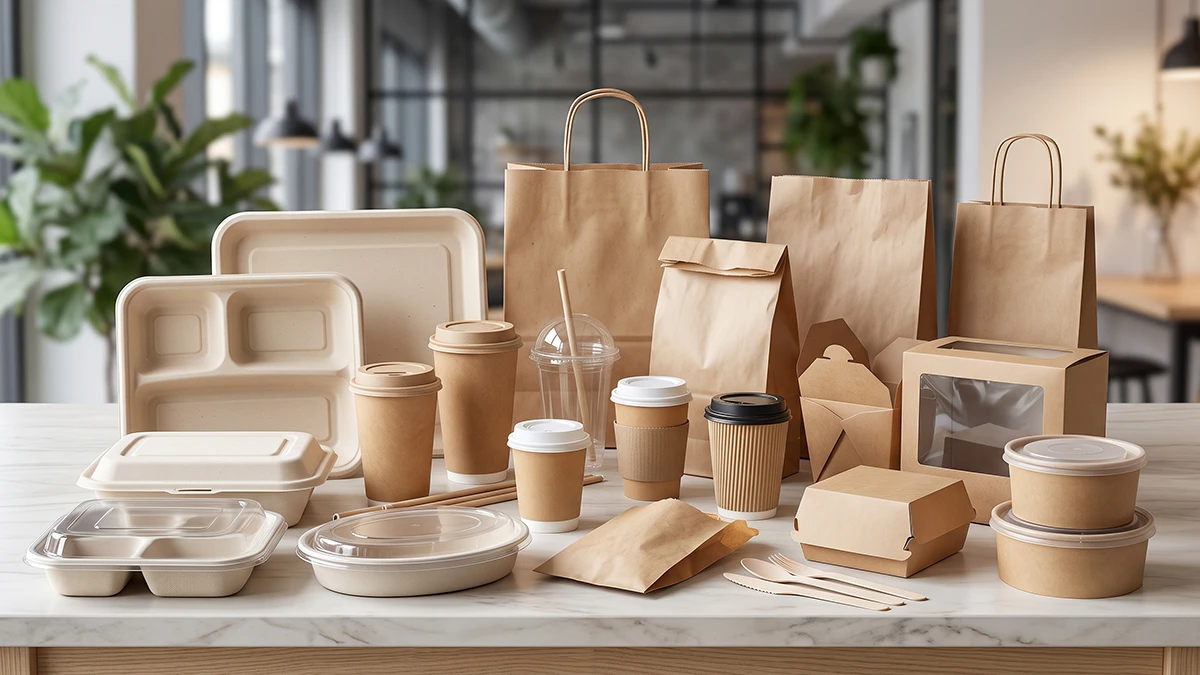
One of the key advantages of biodegradable sushi trays is the use of plant-based materials, such as cornstarch, sugarcane fiber, and bamboo pulp. These materials are renewable, compostable, and break down naturally over time, unlike plastic. When disposed of properly, biodegradable trays decompose into organic matter, returning to the earth without leaving harmful residues. In contrast, plastic trays take hundreds of years to degrade, often releasing toxic chemicals into the environment in the process.
The switch to biodegradable sushi trays also supports the circular economy by promoting the recycling of organic waste. For instance, trays made from cornstarch can be composted along with other organic materials, such as food scraps, which can then be used to enrich soil. This process helps close the loop on waste, reducing the amount of trash sent to landfills while benefiting local ecosystems.
A Safer and Healthier Option for Consumers
In addition to environmental benefits, biodegradable sushi trays are often free from harmful chemicals that are commonly found in traditional plastic packaging, such as BPA (bisphenol A). BPA has been linked to various health problems, including hormone disruption and developmental issues. By using biodegradable trays, sushi providers can offer a safer and healthier product to consumers, ensuring that the packaging does not leach harmful substances into the food.
Biodegradable trays are also non-toxic and non-reactive with food, which means they won’t affect the taste or quality of sushi. They provide a more natural and safe alternative for storing and serving food, ensuring that the packaging does not compromise food safety or flavor.
Cost-Effectiveness in the Long Run
Although biodegradable sushi trays can be slightly more expensive to produce than plastic alternatives, they offer long-term cost benefits. As the demand for eco-friendly packaging increases, production costs are expected to decrease, making these trays more affordable for businesses. Moreover, biodegradable trays are often more lightweight than plastic trays, reducing transportation costs and energy consumption during shipping.
Additionally, businesses that switch to biodegradable packaging may benefit from increased consumer loyalty and market share. Eco-conscious consumers are willing to pay a premium for products that align with their values, and companies that adopt sustainable practices can build stronger relationships with their customer base.
Supporting Global Sustainability Goals
The use of biodegradable sushi trays is a step towards meeting global sustainability goals. Governments and organizations around the world are introducing stricter regulations on plastic use, aiming to reduce plastic pollution and promote sustainable practices. By adopting biodegradable packaging, sushi businesses can stay ahead of these regulations, avoiding potential fines and contributing to a cleaner, more sustainable future.
Furthermore, biodegradable packaging aligns with the growing trend of corporate social responsibility (CSR). Brands that commit to sustainability are often seen as more trustworthy and responsible, which can improve their reputation and brand image. As consumer demand for environmentally friendly products continues to rise, businesses that adopt biodegradable packaging will be better positioned for long-term success.
The Future of Food Packaging
As the global focus on sustainability intensifies, the food industry is likely to see further innovations in eco-friendly packaging. Biodegradable sushi trays are just one example of how companies are responding to consumer demand for greener alternatives. Other industries are also exploring plant-based packaging options, such as biodegradable cups, cutlery, and food containers, as they work to reduce their environmental impact.
The adoption of biodegradable sushi trays represents a broader shift toward sustainability in food packaging, driven by both consumer demand and regulatory pressure. With ongoing research and development in biodegradable materials, the future of packaging looks increasingly green and sustainable.
Conclusion: A Greener Path Forward
Biodegradable sushi trays offer a sustainable and health-conscious solution to the environmental challenges posed by plastic packaging. By reducing waste, supporting composting efforts, and promoting safer, toxin-free materials, these trays contribute to a cleaner, healthier planet. As businesses and consumers continue to prioritize sustainability, biodegradable sushi trays are poised to become the standard in the food packaging industry.