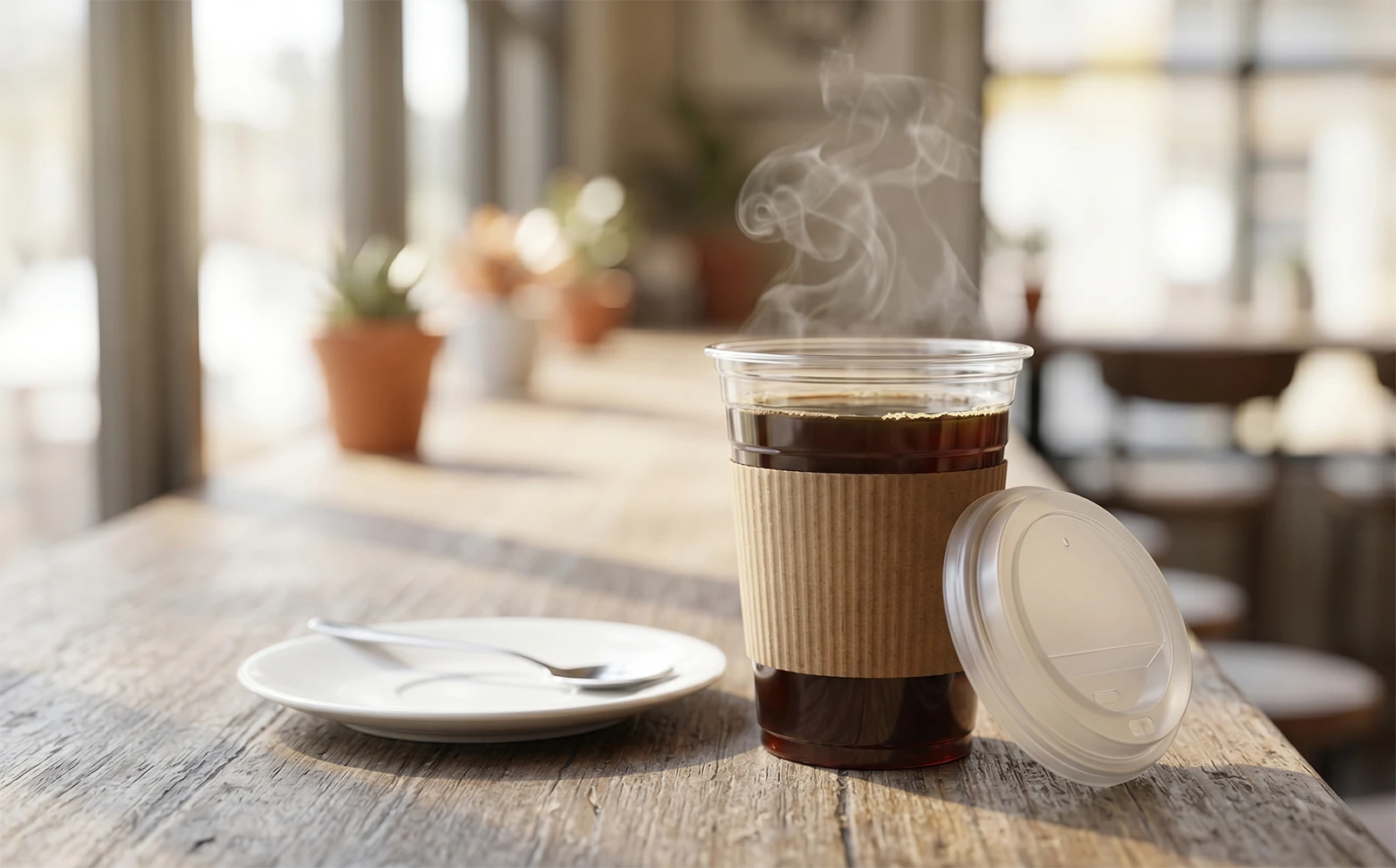
PP cups can safely handle hot drinks and microwave heating up to temperatures of 120 degrees Celsius due to the high melting point and thermal stability of polypropylene plastic. This material maintains its shape and structural integrity, making it a reliable choice for demanding food service environments.
As a procurement manager supplying busy cafes or food delivery businesses, you face constant complaints about melting plastic containers, leaks, and chemical odors when serving hot coffee or heating meals. Selecting inadequate beverage containers leads to warped packaging and safety hazards for your consumers. This guide outlines the exact thermal boundaries and safety standards of pp cups, ensuring your inventory meets high operational expectations as part of your broader strategy outlined in The Complete Guide to PP Cups: Types, Safety & Bulk Buying.
What is the thermal limit of polypropylene containers?
Polypropylene containers maintain structural integrity up to 120 degrees Celsius, allowing them to hold boiling liquids without melting. Sourcing high-quality pp cups prevents structural deformation when exposed to sudden temperature spikes during commercial food preparation.
Understanding the melting point of polypropylene
Here’s the deal. The raw polymer possesses a high melting threshold near 160 degrees Celsius, which provides an excellent buffer for hot beverage service.
- The material absorbs thermal energy without softening during standard operations.
- It retains shape when holding hot brewed tea or fresh coffee.
- Chemical bonds remain stable, preventing warping under heat stress.
Cold resistance and freezing capabilities
Think about it. Commercial use often requires moving containers from sub-zero storage directly to heating stations.
- Polypropylene tolerates temperatures down to minus 20 degrees Celsius.
- The plastic maintains flexibility instead of becoming brittle when frozen.
- It resists impact cracking during cold-chain transport.
| Thermal State | Temperature Range | Structural Reaction |
|---|---|---|
| Deep Freeze | -20°C to 0°C | Remains flexible, resists impact |
| Room Temp | 0°C to 40°C | High clarity, stable barrier |
| Hot Fill | 40°C to 100°C | Rigid, no chemical odor |
| Microwave | 100°C to 120°C | Safe for short-term heating |
Evaluating these thermal thresholds helps buyers choose the correct specifications for diverse food service menus.
Key Takeaway: Polypropylene provides the widest thermal safety margin among disposable plastics, allowing safe containment from deep freeze to boiling temperatures.
Why are polypropylene cups safe for microwave use?
Polypropylene cups are safe for microwave use because the non-polar molecular structure of the plastic prevents it from absorbing microwave radiation directly. Purchasing certified pp cups ensures that the container only warms up from the heat of the food inside, minimizing the risk of burns.
Non-polar molecules and radiation resistance
It gets better. Standard microwave ovens heat food by exciting water molecules, leaving non-polar plastics unaffected.
- The container does not generate independent heat when exposed to radiation.
- Energy passes through the plastic directly into the beverage.
- The structural walls maintain original thickness and tensile strength.
Preventing chemical migration during heating
Consider this. High temperatures often accelerate chemical leaching in lower-grade plastic alternatives.
- The inert polymer structure resists breakdown under microwave conditions.
- No harmful monomers transfer into fat-rich or acidic liquids.
- The material stays free from volatile organic compounds during heating cycles.
| Plastic Type | Microwave Compatibility | Primary Operational Risk |
|---|---|---|
| Polypropylene (PP) | Fully Compatible | None within standard time limits |
| PET Plastic | Incompatible | Warping and melting above 60°C |
| Polystyrene (PS) | Incompatible | Styrene migration under high heat |
Understanding how different polymers react to microwave energy protects your business from safety recalls.
Key Takeaway: Verifying the microwave-safe designation on your packaging prevents structural failures and ensures regulatory compliance during food preparation.
How can buyers minimize operational risks with hot liquids?
Buyers can minimize operational risks with hot liquids by specifying heavy-weight walls or utilizing external sleeves to protect consumers from thermal discomfort. Ordering high-performance pp cups ensures a secure rim seal that prevents accidental spills during high-volume takeout service.
Managing structural rigidity under heat
Moving forward. Thinner walls might flex excessively when filled with boiling water, creating a spill hazard.
- Specify a higher gram weight for hot beverage applications.
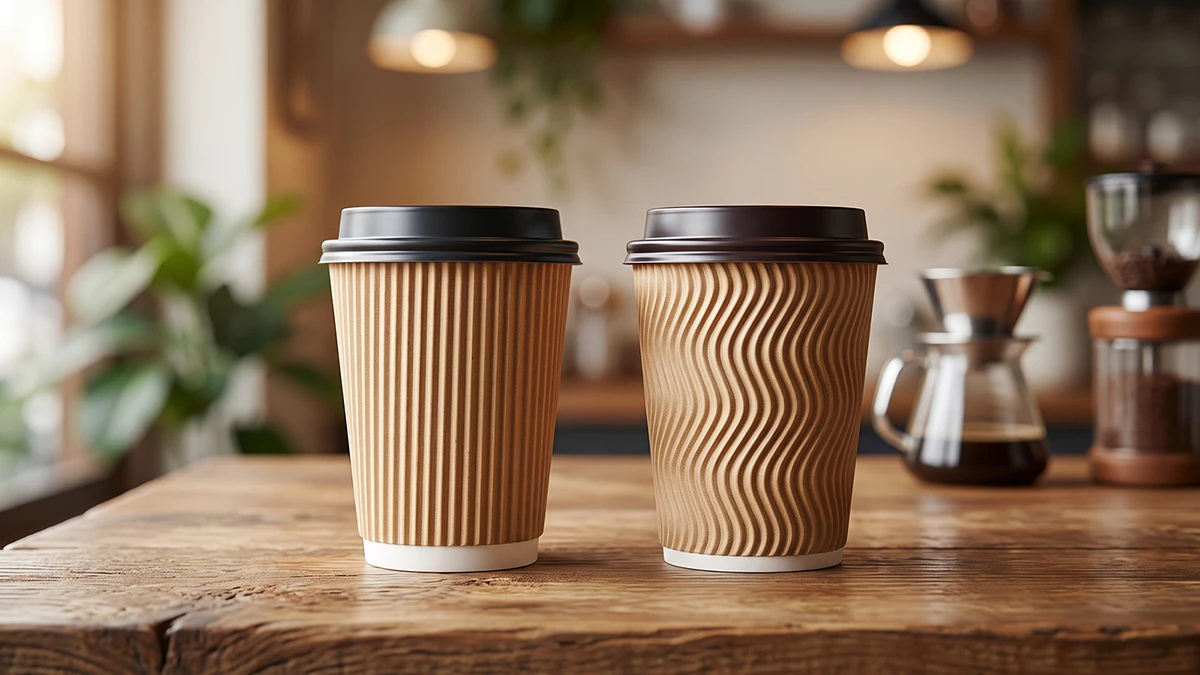
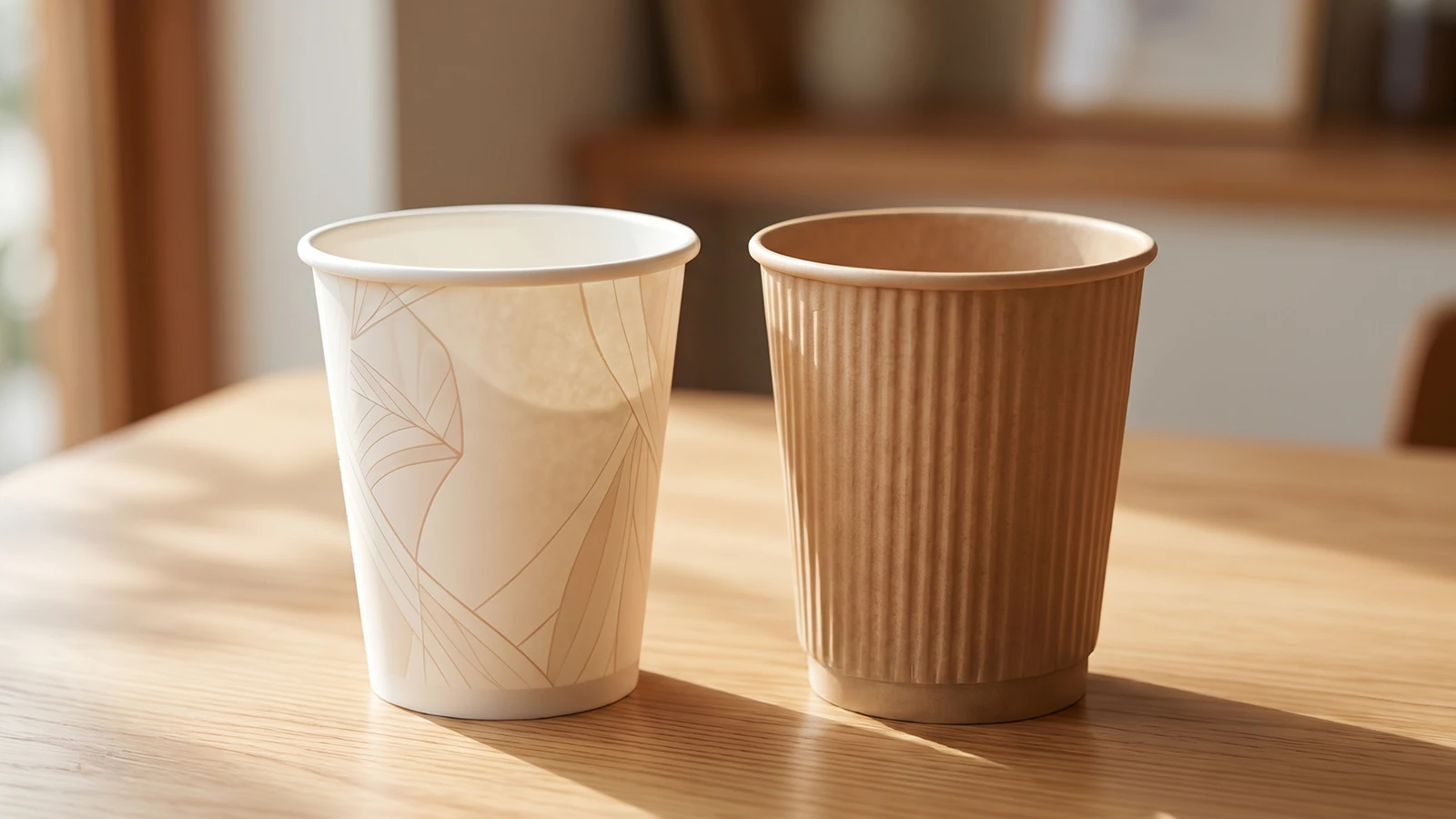
- Select textured or ribbed outer surfaces to improve grip.
- Utilize double-wall configurations for premium coffee menus.
Ensuring lid compatibility under steam pressure
You should know. Hot liquids generate steam that can dislodge poorly fitted closures during delivery.
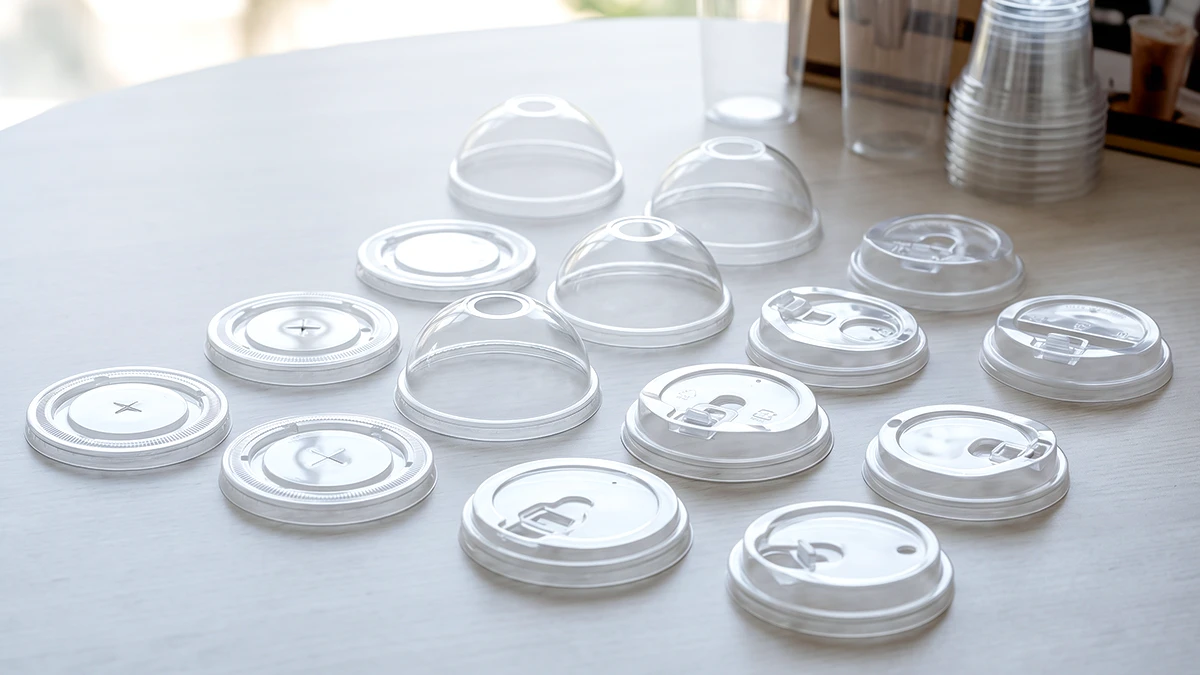
- Source lids with integrated steam vents to relieve pressure.
- Verify the snap-fit mechanism remains tight when the rim expands slightly from heat.
- Test matching components under commercial transport simulations.
| Hazard Type | Cause | Procurement Fix |
|---|---|---|
| Lid Dislodgement | Steam pressure buildup | Vented sip-hole closures |
| Sidewall Flexing | Insufficient material weight | Increased gram weight specification |
| Hand Discomfort | High thermal conductivity | Corrugated sleeves or double-walls |
Implementing a strict procurement checklist addresses common packaging vulnerabilities before bulk shipments arrive.
Key Takeaway: Combining thermal-resistant containers with properly vented, tight-fitting closures eliminates leakage risks in hot beverage delivery operations.
Conclusion
Managing hot beverage applications demands packaging that performs under intense thermal stress without sacrificing user safety. Reliancepak provides certified, heat-tolerant solutions engineered to withstand demanding commercial environments. With our integrated factory model operating nine advanced production lines, we deliver consistent quality and professional customization for global distributors. Contact our team at admin@bereliance.com or visit reliancepak.com to secure free samples and verify our thermal specifications for your inventory needs.
Our vision is to set the benchmark for food-safe packaging through advanced material engineering and reliable B2B supply chain solutions.
Frequently Asked Questions
Can I microwave these containers with the lid attached?
No. Standard flat or dome closures can trap steam and cause pressure accumulation, so you must remove the lid or use a vented closure before heating.
Do hot liquids cause these containers to alter the taste of beverages?
No. The inert composition of the material ensures that no chemical migration occurs to affect the natural flavor profile of coffee or tea.
How do I identify if a container is safe for microwave heating?
Yes, you can identify it by checking the bottom for the resin identification code number five alongside the official microwave-safe wave symbol.
Will heating oily foods exceed the safe temperature limits?
Yes, it might. Certain cooking oils can exceed 120 degrees Celsius quickly in a microwave, so avoid overheating high-fat contents in disposable packaging.
Is a separate sleeve required when serving hot coffee?
Yes, it is recommended. Although the material handles the heat safely without melting, an external sleeve protects the customer from skin discomfort.