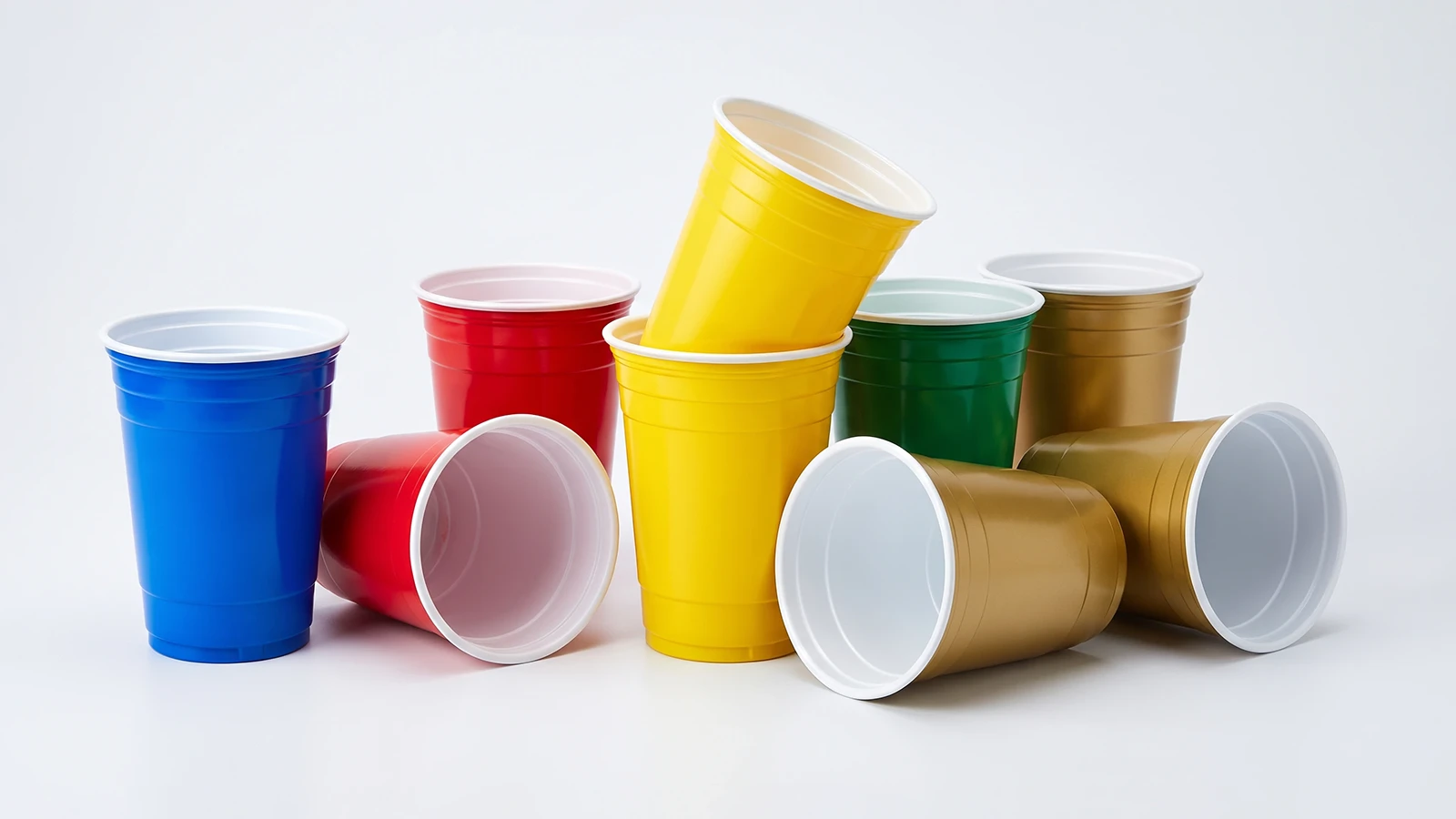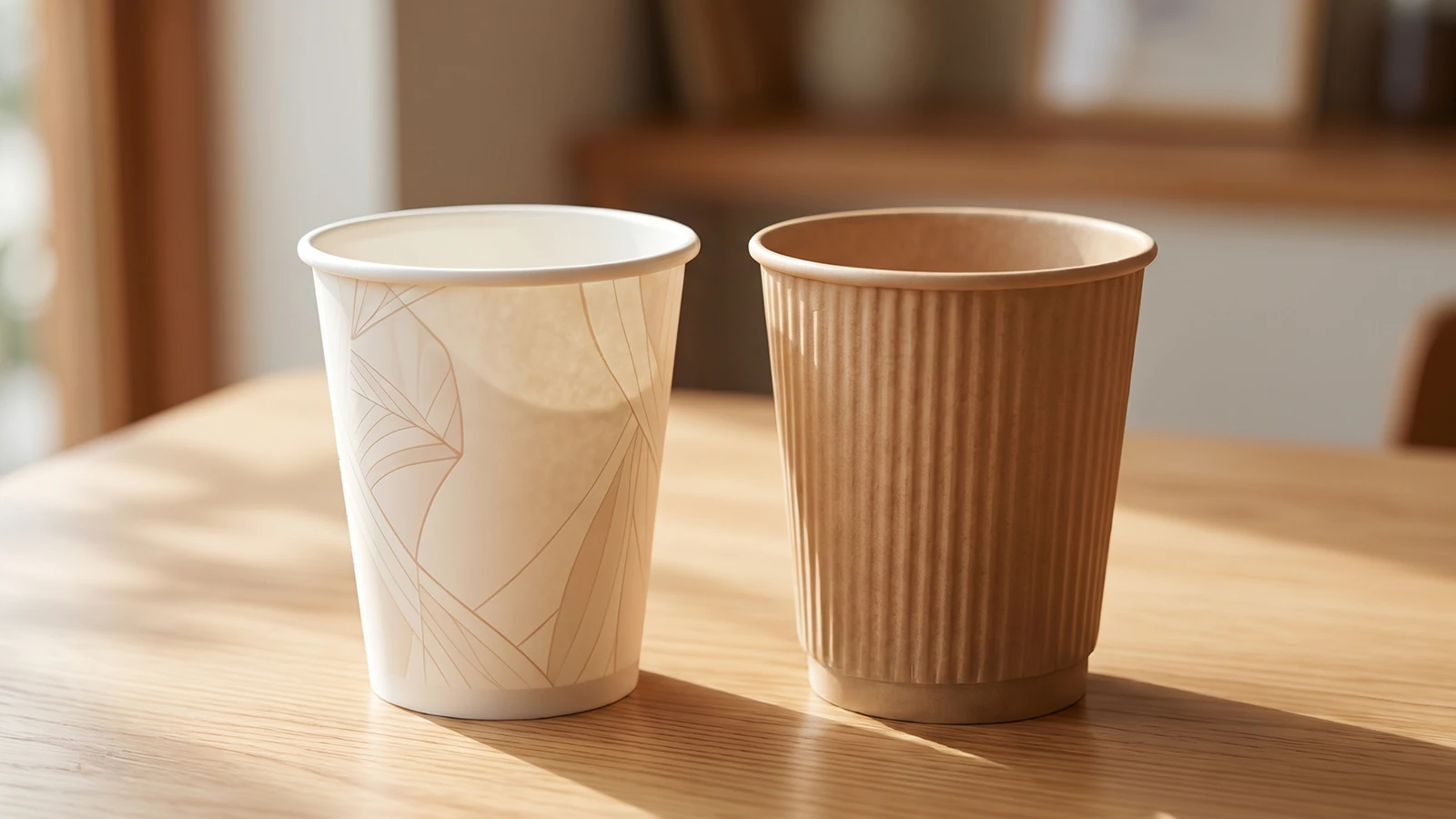
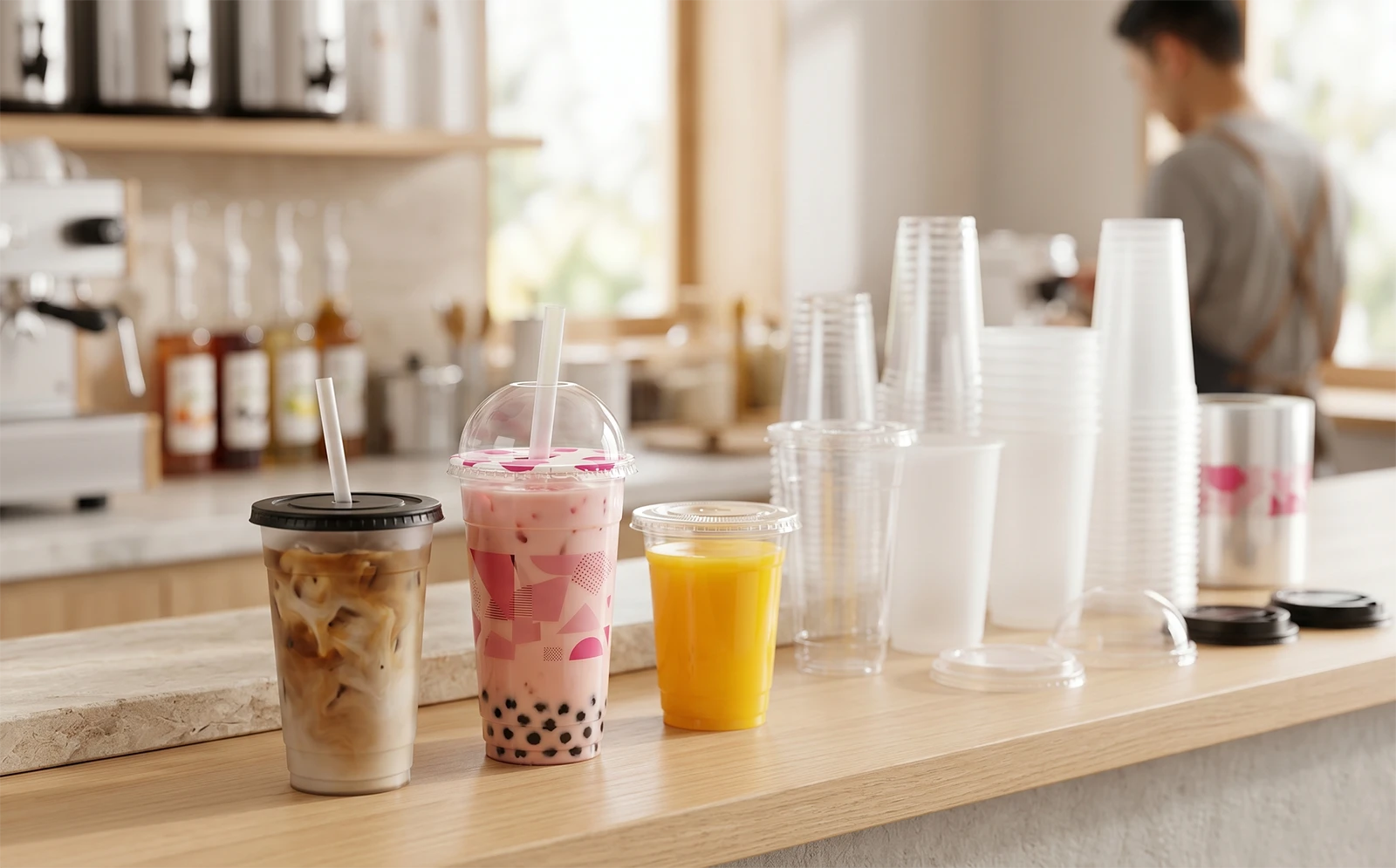
PP cups are high-performance food containers made from polypropylene plastic, specifically engineered to withstand high temperatures and provide a chemical-resistant barrier for a wide range of beverages and food products. These containers are widely recognized by the resin identification code number 5 and are preferred in the B2B packaging industry for their durability and versatility in both hot and cold applications.
As a procurement manager or business owner, you likely face the challenge of balancing strict food safety compliance with the need for cost-efficient, reliable supply chains. Inconsistent quality between samples and bulk orders or delays in delivery can disrupt your entire operation and harm your reputation with clients. This guide provides the technical knowledge and procurement strategies needed to source pp cups that meet international standards while streamlining your inventory management through stable, factory-direct partnerships.
What are pp cups and their main material features?
PP cups are drinking vessels manufactured from polypropylene, a rugged and heat-tolerant thermoplastic polymer that maintains structural integrity when exposed to hot liquids or microwave radiation. This material choice is popular because it offers a high melting point and excellent resistance to fats and organic solvents, which prevents the packaging from degrading or leaching when in contact with various food types.
Here is the deal. When you evaluate these containers for your business, you need to look beyond the surface level to understand the technical attributes that drive performance in a commercial setting.
Technical performance and durability
The structural characteristics of polypropylene ensure that these cups do not crack easily under pressure. Unlike more brittle plastics, polypropylene has a degree of flexibility that allows it to absorb impact during shipping and handling without shattering.
Think about it:
- Polypropylene has a high melting point, usually around 160 degrees Celsius.
- The material is naturally BPA-free and does not contain phthalates.
- It provides a translucent or “frosted” appearance, though high-clarity versions are available.
- It is resistant to stress cracking, even when used with acidic juices or oily substances.
| Feature | Polypropylene (PP) Specification |
| Resin Code | #5 |
| Temperature Range | -20°C to 120°C |
| Chemical Resistance | High (Acids, Bases, Oils) |
| Flexibility | High (Impact resistant) |
The material properties of polypropylene make it the most adaptable choice for diverse menus that include both iced and steaming beverages.
Key Takeaway: Choosing pp cups ensures your packaging remains stable across extreme temperature variations, protecting the user and the integrity of the product.
How do pp cups compare to pet plastic cups?
PP cups differ from PET (Polyethylene Terephthalate) cups primarily in their thermal stability and visual clarity, with polypropylene offering superior heat resistance while PET provides a glass-like transparency for cold drinks. While PET is the standard for iced coffee and smoothies where aesthetics are the priority, polypropylene is the functional winner for applications requiring heat or microwave use.
Clarity versus heat tolerance
The bottom line is that your choice depends on the specific beverage being served. PET is stunningly clear but will warp or melt if the liquid temperature exceeds 60 degrees Celsius. In contrast, polypropylene can handle boiling water without losing its shape.
Consider these differences:
- PP cups have a slightly cloudy or milky appearance compared to the crystal clarity of PET.
- PET is strictly for cold use, whereas PP is a multi-purpose material.
- Polypropylene is lighter in weight, which can sometimes lead to lower shipping costs per unit.
- PP lids often provide a more secure, snap-on fit that is necessary for hot takeaway drinks.
| Attribute | PP Cups | PET Cups |
| Visual Appearance | Translucent/Frosted | Crystal Clear |
| Heat Resistance | Up to 120°C | Up to 60°C |
| Microwave Safe | Yes | No |
| Primary Use | Hot & Cold Drinks | Cold Only |
While PET wins on shelf appeal for colorful cold beverages, polypropylene offers the operational flexibility needed for a broader range of food service requirements.
Key Takeaway: Use PET for visual branding of cold items, but rely on pp cups for any application where heat or microwave heating is a factor.
Are pp cups safe for food and beverage packaging?
PP cups are widely considered one of the safest forms of plastic packaging because they are inert, heat-stable, and do not leach harmful chemicals into food or drink when used within their rated temperature ranges. Major global health authorities, including the FDA in the United States and the European Food Safety Authority, have approved polypropylene for repeated food contact.
Compliance and certification standards
The safety of your packaging is non-negotiable, especially when dealing with international trade and large-scale distribution. You must verify that your supplier adheres to rigorous testing protocols to ensure every batch is free from contaminants.
It gets better. High-quality manufacturers provide documentation to prove their products meet these standards:
- FDA 21 CFR 177.1520 compliance for food contact.
- EU Regulation No 10/2011 concerning plastic materials intended to come into contact with food.
- Migration testing to ensure no harmful substances transfer to the food.
- Heavy metal testing to meet environmental and safety regulations.
| Certification | Focus Area | Requirement for B2B |
| FDA | US Market Safety | Mandatory for US imports |
| EU Food Grade | European Market Safety | Mandatory for EU imports |
| ISO 9001 | Quality Management | Proof of manufacturing stability |
| BPA-Free Test | Chemical Safety | Market preference for health-conscious users |
Safety certifications are not just paperwork; they are your primary defense against legal liability and product recalls in the food industry.
Key Takeaway: Verify that your pp cups carry verified food-grade certifications to guarantee user safety and ensure smooth customs clearance in global markets.
What sizes and lid options are available for pp cups?
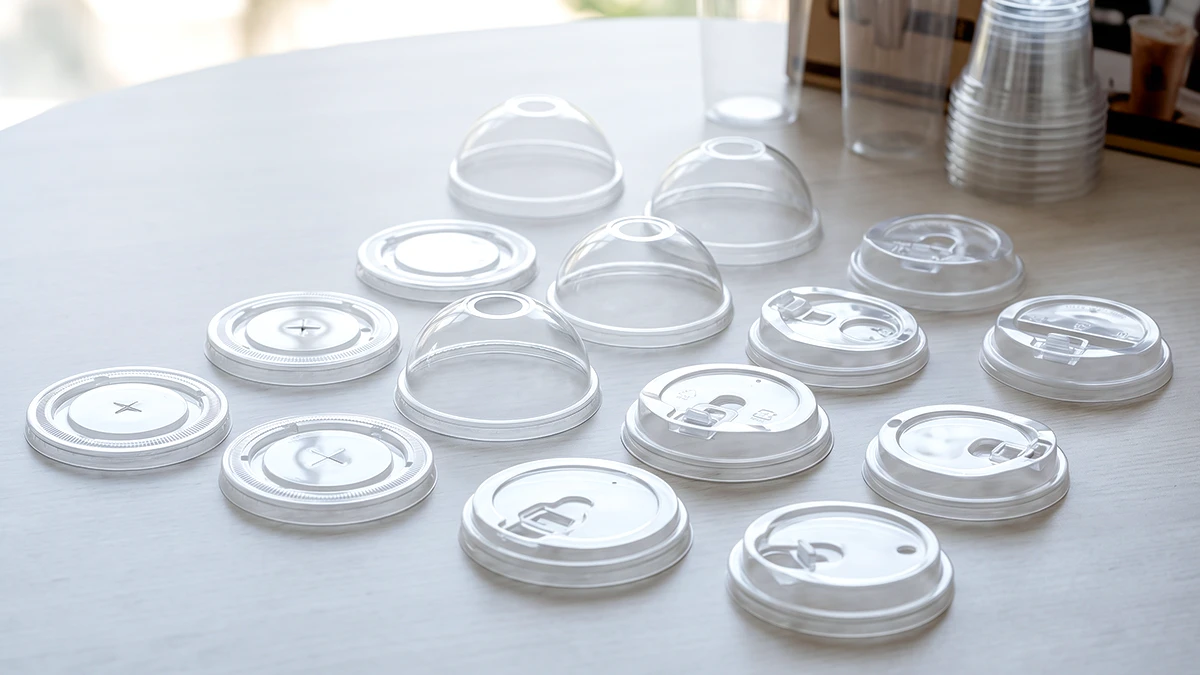
PP cups are available in a vast array of standardized sizes, typically ranging from 8oz to 32oz, with specialized lid designs that cater to different consumption styles like straw-slotted lids or dome lids for whipped toppings. Having a wide range of options allows you to maintain a consistent brand look across your entire drink menu while providing the specific functionality each beverage requires.
Matching lids to application
Choosing the right lid is just as vital as the cup itself. A poor fit leads to leaks, which is the most common cause of customer dissatisfaction in the food delivery and takeaway sector.
Here is how you should think about it:
- Flat lids are ideal for stackability and standard cold drinks.
- Dome lids provide extra space for toppings like cream or fruit.
- Reclosable lids are a trend for hot coffee to prevent spills during transit.
- Universal diameter sizing (e.g., 90mm or 95mm) allows you to use one lid size for multiple cup volumes, reducing your SKU count.
| Cup Size | Common Diameter | Typical Application |
| 12oz (360ml) | 90mm / 95mm | Small juice or coffee |
| 16oz (500ml) | 95mm | Standard bubble tea or soda |
| 22oz (700ml) | 95mm | Large smoothies or tea |
| 32oz (1000ml) | 120mm | Family-sized or specialty buckets |
Standardizing your cup diameters across different volumes can significantly simplify your inventory and lower the risk of staff using the wrong lid.
Key Takeaway: Optimize your procurement by selecting pp cups with universal diameters, which streamlines lid inventory and minimizes the risk of leaks.
Can pp cups handle hot drinks and microwave heating?
PP cups are specifically designed to handle temperatures up to 120 degrees Celsius, making them perfectly safe for hot coffee, tea, and even microwave reheating without the risk of the plastic melting or releasing odors. This thermal resilience is the defining characteristic of polypropylene, distinguishing it from almost every other common disposable plastic container used in the beverage industry.
Thermal limits and user safety
While the material can handle the heat, you must also consider the comfort of the person holding the cup. Polypropylene is a better insulator than PET, but for extremely hot liquids, additional features may be required to prevent burns.
Keep this in mind:
- Always check for the “Microwave Safe” symbol on the bottom of the cup.
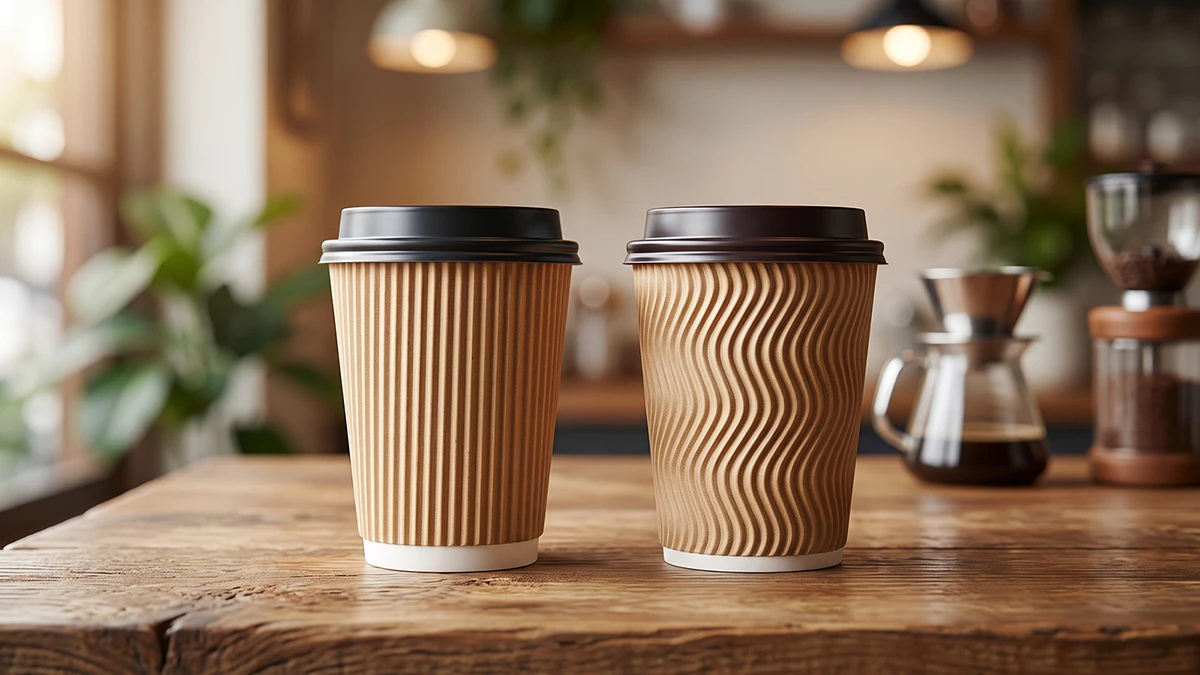
- Double-wall PP designs are available for superior insulation for hot coffee.
- Avoid heating oils or high-sugar liquids to extreme temperatures in these cups, as they can exceed the melting point of the plastic.
- Textured or frosted surfaces can provide a better grip and a slight thermal barrier for the hand.
| Condition | PP Cup Reaction | Safety Recommendation |
| Boiling Water (100°C) | Stable | Use a sleeve or double-wall |
| Microwave (2 min) | Safe | Ensure lid is removed or vented |
| Freezing (-20°C) | Flexible | Avoid sudden impact when frozen |
| Dishwasher | Safe | Use top rack for reusable versions |
The ability to move from the refrigerator to the microwave makes polypropylene the most functional choice for meal prep and versatile drink service.
Key Takeaway: Rely on pp cups for any beverage program that involves heat, as they offer the highest thermal safety margin of any disposable plastic.
What customization options exist for custom printed pp cups?
Custom printed pp cups allow businesses to transform a simple commodity into a powerful marketing tool through high-resolution offset or flexographic printing that showcases logos, brand colors, and social media handles. In a competitive market, personalized packaging increases brand recall and helps your product stand out on social media, where visual presentation is a major driver of new customers.
Printing techniques and design limits
Modern manufacturing allows for precise color matching and intricate designs, but the choice of printing method depends on your volume and the complexity of your artwork.
Another point to consider:
- Offset printing is best for high-detail, multi-color designs at large volumes.
- Flexographic printing is often more cost-effective for simpler logos and shorter runs.
- Heat transfer printing can provide a premium, almost photographic quality for high-end branding.
- Ink safety is paramount; ensure your manufacturer uses food-grade, low-migration inks.
| Printing Method | Best For | Color Limit |
| Offset | High detail / High volume | Up to 6 colors |
| Flexo | Simple logos / Speed | 1-4 colors |
| Silk Screen | Low volume / Bold colors | 1-2 colors |
| Heat Transfer | Photographic quality | Full color |
Customization is not limited to printing; you can also choose frosted finishes or custom shapes to further differentiate your brand in the marketplace.
Key Takeaway: Use custom printed pp cups to turn your packaging into a mobile billboard, but choose the printing method that aligns with your volume and design complexity.
How can you ensure quality when buying pp cups in bulk?
When buying pp cups in bulk, you must implement a rigorous quality control process that includes verifying factory certifications, requesting pre-production samples, and conducting independent inspections to ensure the final shipment matches the approved prototype. For large-scale buyers, the risk of a “bait and switch”—where samples are high quality but the bulk order is made from inferior or recycled resin—can be mitigated by working with integrated trade and factory partners.
Procurement checklists and supplier verification
A reliable supplier should offer transparency regarding their production lines and raw material sourcing. You should seek partners who operate their own manufacturing facilities, as this provides better control over lead times and quality consistency.
Moving forward, use this checklist for your next order:
- Request a Certificate of Analysis (COA) for the raw polypropylene resin.
- Ask for physical samples to test lid fit and rim smoothness.
- Confirm the lead time and ensure the factory has enough production lines (e.g., 9 lines) to handle your volume.
- Verify the shipping terms and insurance to protect against damage during transit.
| Checkpoint | What to Look For | Red Flag |
| Sample Testing | Tight lid seal / No odor | Brittle plastic / Poor fit |
| Factory Audit | Automated production lines | Manual, dusty environments |
| Documentation | Valid FDA/EU certs | Expired or blurry copies |
| Communication | Fast, technical responses | Vague or delayed replies |
Consistency in bulk orders is the foundation of a successful distribution business, as it reduces waste and prevents customer complaints.
Key Takeaway: Secure your supply chain by choosing a factory-integrated supplier that provides verified samples and maintains high-capacity production lines for stable delivery.
Final Thoughts on Sourcing PP Cups
The transition to high-quality pp cups is a strategic move for any business looking to provide safe, durable, and versatile packaging. By understanding the material science, safety regulations, and procurement best practices outlined in this guide, you can make informed decisions that protect your margins and your customers.
Reliancepak stands as your dedicated partner in this journey, offering a one-stop procurement experience for all your food packaging needs. With our integrated factory and trade model, supported by nine advanced production lines, we provide the fast delivery and professional customization that your business demands. We invite you to contact us at admin@bereliance.com or visit reliancepak.com to request your free samples and experience the reliability that global buyers trust.
Our vision is to set the global standard for food-grade packaging through innovation in sustainable materials and uncompromising manufacturing excellence.
Frequently Asked Questions
Can I microwave PP cups without them melting?
Yes. Polypropylene has a high melting point of approximately 160 degrees Celsius, which is well above the temperature of boiling water or standard microwave heating. As long as the cup is labeled as microwave-safe and does not contain substances that could reach extreme temperatures like certain oils, it will maintain its shape and safety.
How do I tell if a cup is made of PP or PET?
Yes, you can distinguish them by checking the bottom of the cup. Look for the resin identification code; a “5” inside the triangle indicates PP, while a “1” indicates PET. Additionally, PP is usually more flexible and slightly translucent, whereas PET is rigid and crystal clear.
Is it possible to get free samples before placing a wholesale order?
Yes. Professional suppliers like Reliancepak provide free samples so you can verify the material quality, thickness, and lid compatibility before committing to a large-scale purchase. This is a standard part of the B2B procurement process to ensure the product meets your specific requirements.
Are PP cups recyclable?
Yes. Polypropylene is fully recyclable and is classified under recycling code #5. While the infrastructure for recycling polypropylene is widely available in many regions, you should encourage your end-users to check local guidelines to ensure the cups are processed correctly in their municipal recycling systems.
Can I use the same lid for different sizes of PP cups?
Yes, provided the cups have the same rim diameter. Many manufacturers design their 12oz, 16oz, and 22oz cups with a universal 95mm diameter precisely so that businesses can stock a single lid type for multiple cup sizes, which simplifies inventory management and reduces costs.