
Switching to bagasse tableware typically involves a 15-30% price premium over conventional plastic at the unit level, but total cost analysis reveals that regulatory compliance savings, waste disposal reductions, and brand value gains often neutralize or reverse this differential within 12-18 months of implementation.
Many B2B buyers hesitate at the checkout line when comparing bagasse quotes against their current plastic supplier pricing. The spreadsheet shows higher numbers, and procurement teams face pressure to justify every dollar. Yet this surface-level comparison misses the financial forces reshaping disposable packaging economics. This article breaks down the real cost structure of bagasse adoption, identifies hidden savings most buyers overlook, and provides actionable strategies for maximizing return on your sustainable packaging investment.

What Direct Costs Should Buyers Expect When Purchasing Bagasse Tableware?
Bagasse tableware commands wholesale prices approximately 20-30% above plastic equivalents, though this gap has narrowed considerably as production scale increases and petroleum-based material costs rise.
Current market pricing reflects manufacturing complexity, raw material logistics, and order volumes. Understanding these baseline figures helps buyers budget accurately and negotiate effectively.
Wholesale Price Benchmarks by Product Category
Here’s the deal: pricing varies significantly by product type, with simpler items showing smaller premiums over plastic alternatives.
Typical wholesale ranges for bagasse products (USD per 1,000 units):
- 9-inch round plates: $45-65
- 6-inch plates: $30-45
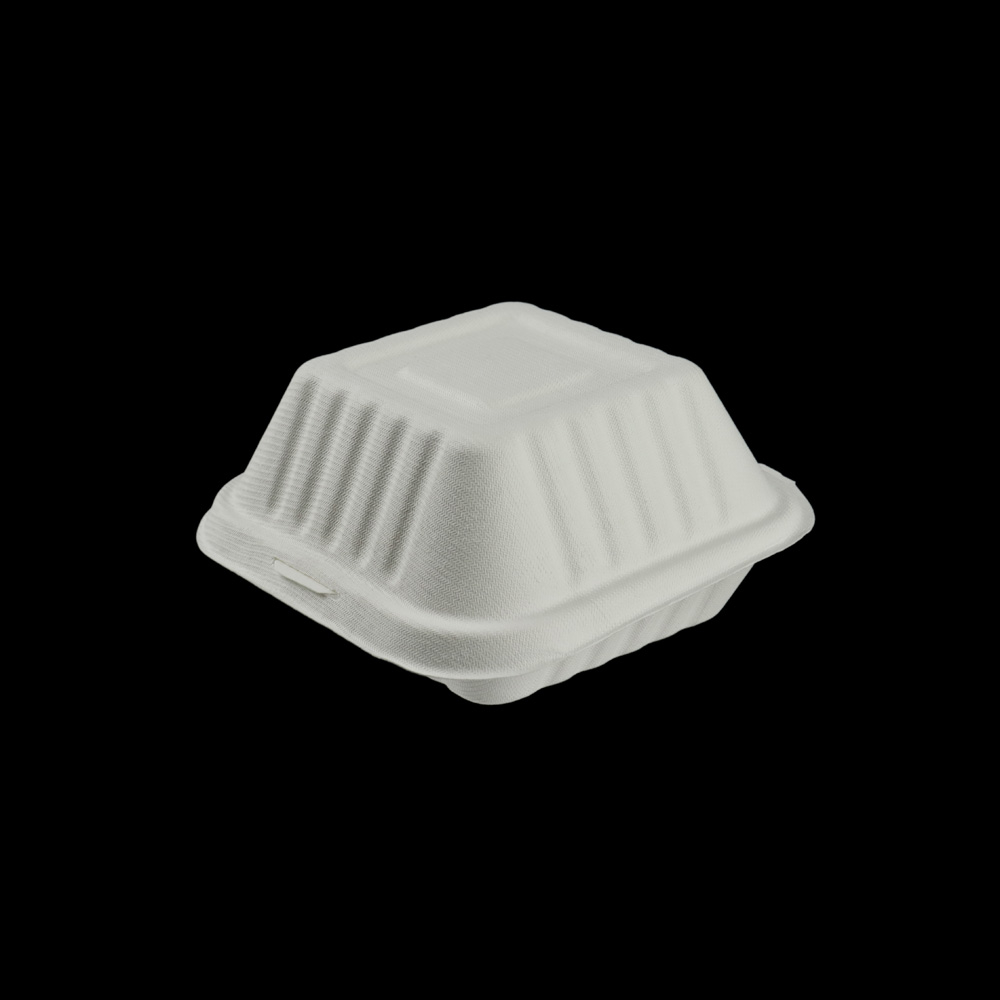
- Clamshell containers (medium): $70-95
- 16oz bowls: $50-70
- Compartmented meal trays: $60-85
These figures represent standard quality products from established manufacturers. Premium options with enhanced coatings or custom features command higher prices.
Factors Influencing Unit Pricing
Multiple variables affect the final cost per unit delivered to your facility:
- Order volume commitments
- Shipping distance from manufacturing source
- Product complexity and customization requirements
- Coating specifications for moisture resistance
- Certification requirements for target markets
Volume Discount Structures
Strategic purchasing dramatically reduces effective per-unit costs. Most suppliers offer tiered pricing that rewards commitment.
| Order Volume | Typical Discount | Effective Premium vs Plastic |
|---|---|---|
| 50,000 units | Base price | 25-30% |
| 100,000 units | 5-8% | 18-25% |
| 500,000 units | 12-15% | 12-18% |
| 1,000,000+ | 18-22% | 5-12% |
This analysis demonstrates how volume purchasing compresses the apparent cost disadvantage substantially.
Key Takeaway: B2B buyers who commit to meaningful volumes can reduce the bagasse price premium to single-digit percentages, making the sustainability upgrade economically accessible for operations of all sizes.
What Hidden Savings Offset Bagasse Price Premiums?
The true financial picture of bagasse tableware emerges only when buyers account for cost reductions that never appear on supplier invoices but significantly impact bottom-line results.
Most procurement analyses focus exclusively on purchase price, ignoring substantial savings that accumulate across operations, compliance, and marketing functions.
Waste Disposal Cost Reductions
Here’s the deal: compostable waste often costs less to process than general landfill waste, and this differential continues widening as landfill tipping fees increase.
Measurable disposal savings include:
- Reduced landfill tipping fees (compostable streams often 15-25% cheaper)
- Avoided contamination penalties in recycling programs
- Lower waste hauling frequency with composting partnerships
- Potential revenue from commercial composting relationships
Operations generating significant packaging waste report annual disposal savings of $2,000-8,000 depending on volume and local fee structures.
Regulatory Compliance Cost Avoidance
Plastic restrictions now affect foodservice operations across multiple jurisdictions, creating compliance costs that bagasse adoption eliminates entirely.
Compliance-related savings include:
- Avoided fines for single-use plastic violations
- Eliminated costs of tracking regulatory changes across markets
- Reduced legal review expenses for packaging compliance
- Prevention of forced rapid transitions with premium pricing
Brand Value and Customer Retention Benefits
Sustainability positioning generates measurable revenue impacts that offset packaging cost differences:
- Premium pricing acceptance among eco-conscious consumers
- Customer retention improvements in competitive markets
- Corporate client acquisition requiring sustainable supply chains
- Social media and PR value from environmental commitments
| Savings Category | Annual Range (Mid-Size Operation) |
|---|---|
| Waste Disposal | $2,000-8,000 |
| Compliance Avoidance | $3,000-15,000 |
| Customer Retention | $5,000-25,000 |
| Risk Mitigation | Variable |
These figures represent conservative estimates for operations processing 500,000+ units annually.
Key Takeaway: B2B buyers who calculate total cost of ownership rather than purchase price alone typically discover that bagasse tableware delivers neutral or positive financial returns within the first year of adoption.


How Can Buyers Minimize Transition Costs to Bagasse Products?
Strategic transition planning reduces both direct expenses and operational disruption, allowing businesses to capture sustainability benefits without budget strain.
The most successful transitions follow phased approaches that generate early wins while building organizational capability.
Phased Implementation Strategy
Avoid the temptation to switch everything simultaneously. Graduated transitions provide multiple advantages:
- Start with highest-visibility items where sustainability messaging matters most
- Test operational compatibility before committing full inventory
- Spread capital requirements across multiple budget cycles
- Train staff progressively rather than overwhelming with changes
Recommended phase sequence:
- Takeout containers (highest customer visibility)
- Plates and bowls (highest volume items)
- Specialty items (lowest urgency)
Supplier Negotiation Tactics
Here’s the deal: suppliers expect negotiation, and prepared buyers achieve substantially better terms.
Effective negotiation approaches include:
- Request samples before committing to evaluate quality firsthand
- Obtain quotes from multiple qualified suppliers
- Propose annual volume commitments for price stability
- Negotiate favorable payment terms (reduced deposits, extended payment windows)
- Explore mixed-product orders to improve shipping efficiency
Inventory Management Optimization
Smart inventory practices reduce working capital requirements during transition:
- Coordinate transition timing with natural inventory depletion
- Negotiate supplier-held inventory arrangements for large commitments
- Implement just-in-time ordering once supplier reliability is established
| Strategy | Cost Reduction Impact |
|---|---|
| Volume Commitment | 10-22% price reduction |
| Multi-supplier Quotes | 5-15% through competition |
| Phased Rollout | 30-50% reduced cash flow impact |
| Extended Terms | Improved working capital |
Strategic approaches compound to deliver substantial total savings.
Key Takeaway: B2B buyers who approach bagasse transition strategically rather than reactively can reduce effective costs by 25-35% compared to rushed or unplanned implementations.
What Long-Term Financial Trends Favor Bagasse Investment?
Market dynamics increasingly favor bagasse economics, suggesting that early adopters gain compounding advantages over competitors who delay transition.
Understanding these trends helps buyers frame bagasse adoption as strategic investment rather than cost burden.
Plastic Cost Trajectory
Multiple forces drive conventional plastic packaging costs upward:
- Petroleum price volatility affecting raw material costs
- Carbon pricing mechanisms increasing production expenses
- Regulatory compliance costs for plastic manufacturers
- Extended producer responsibility fees in expanding jurisdictions
Industry analysts project plastic packaging costs rising 3-7% annually above general inflation through 2030.
Bagasse Production Scale Effects
Here’s the deal: bagasse manufacturing continues achieving efficiency gains as global production expands.
Cost reduction drivers include:
- New manufacturing capacity reducing supply constraints
- Process automation improving production efficiency
- Expanded sugarcane processing infrastructure
- Competition among suppliers intensifying
These factors suggest bagasse price premiums will continue compressing over the coming years.
Regulatory Momentum
Government restrictions on single-use plastics show no signs of reversing. Current and announced regulations affecting foodservice packaging include EU Single-Use Plastics Directive enforcement, US state-level polystyrene bans expanding to additional states, Canadian single-use plastics prohibition implementation, and emerging market regulations following developed economy patterns.
| Factor | Impact on Bagasse Economics |
|---|---|
| Plastic Cost Increases | Reduces relative premium |
| Bagasse Scale Expansion | Reduces absolute cost |
| Regulatory Pressure | Increases switching urgency |
| Consumer Demand | Supports premium pricing |
Trend convergence strongly favors early bagasse adoption.
Key Takeaway: B2B buyers who transition to bagasse tableware now position themselves advantageously for a market environment where sustainable packaging becomes both economically superior and legally required.
Taking the Next Step Toward Cost-Effective Sustainability
Bagasse tableware pricing has reached the point where informed buyers can achieve sustainability goals without financial sacrifice. The combination of volume purchasing, hidden cost savings, and favorable market trends creates genuine economic opportunity alongside environmental benefits.
Reliancepak supports your transition with competitive wholesale pricing backed by nine production lines, free samples for operational testing, and food-grade certifications meeting both EU and FDA standards. Our team provides transparent cost analysis helping you build the business case for sustainable packaging that satisfies both finance departments and environmental commitments.
The economics of disposable packaging have shifted permanently. Organizations recognizing this reality and acting strategically today secure advantages that compound as the market continues evolving toward sustainability requirements.
Frequently Asked Questions
Can I reduce bagasse costs by mixing orders with plastic products from the same supplier?
Yes, many suppliers offer improved terms for larger combined orders even when product types vary. This approach maintains purchasing leverage while allowing gradual transition at your preferred pace.
How do I calculate the true cost comparison between bagasse and my current plastic packaging?
Include waste disposal fees, any regulatory compliance costs, customer feedback impact, and marketing value alongside unit prices. Request a cost analysis template from your supplier to ensure comprehensive comparison.
Will bagasse prices decrease if I commit to a long-term supply agreement?
Yes, most manufacturers offer 10-20% discounts for annual commitments with defined volumes. These agreements also provide price stability protection against market fluctuations.
Can I pass bagasse packaging costs to customers through menu price adjustments?
Yes, research consistently shows consumers accept modest price increases for demonstrably sustainable packaging. Many operations report successful 2-5% price adjustments with positive customer response.
How do shipping costs compare between bagasse and plastic products?
Bagasse products typically weigh slightly more than plastic equivalents, increasing shipping costs marginally. However, consolidating orders and optimizing container loading usually neutralizes this difference for substantial orders.