TL;DR: In 2025, party cup design trends are blending sustainability, bold color palettes, and smart customization — all while keeping functionality front and center. Whether you’re sourcing for events or retail, these changes will shape your next bulk order.
If you’re planning inventory for Q4 2025 or just curious how party cups are evolving, you’re in the right place. I’ll walk you through what’s trending — from eco-smart materials to viral-worthy prints — and why these shifts matter for your business. For a deeper dive into materials and bulk purchasing, check out our full guide: The Complete Guide to Party Cups: From Material to Wholesale.

Why 2025 Is a Turning Point for Party Cup Design
Gone are the days of plain red plastic cups. Buyers now expect more than function — they want cups that tell a story, reflect their brand, or match a theme. And in 2025, design isn’t just about looks. It’s about alignment with values: sustainability, inclusivity, and memorability.
Innovative Cup Design: Form Meets Function
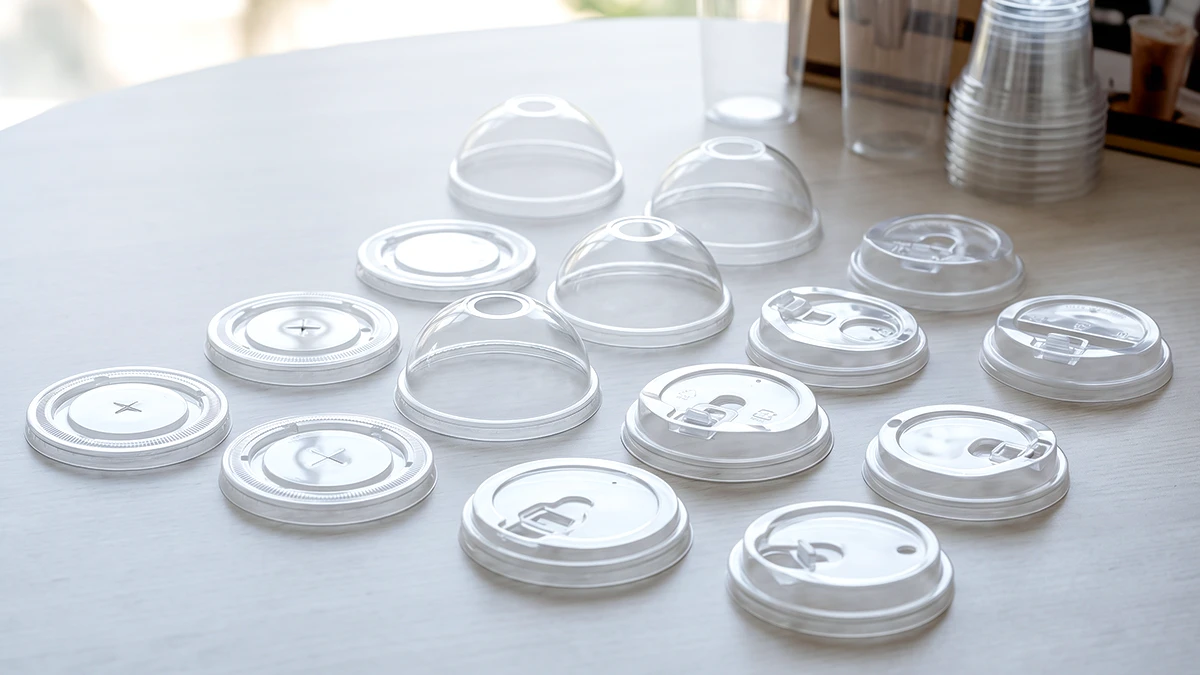
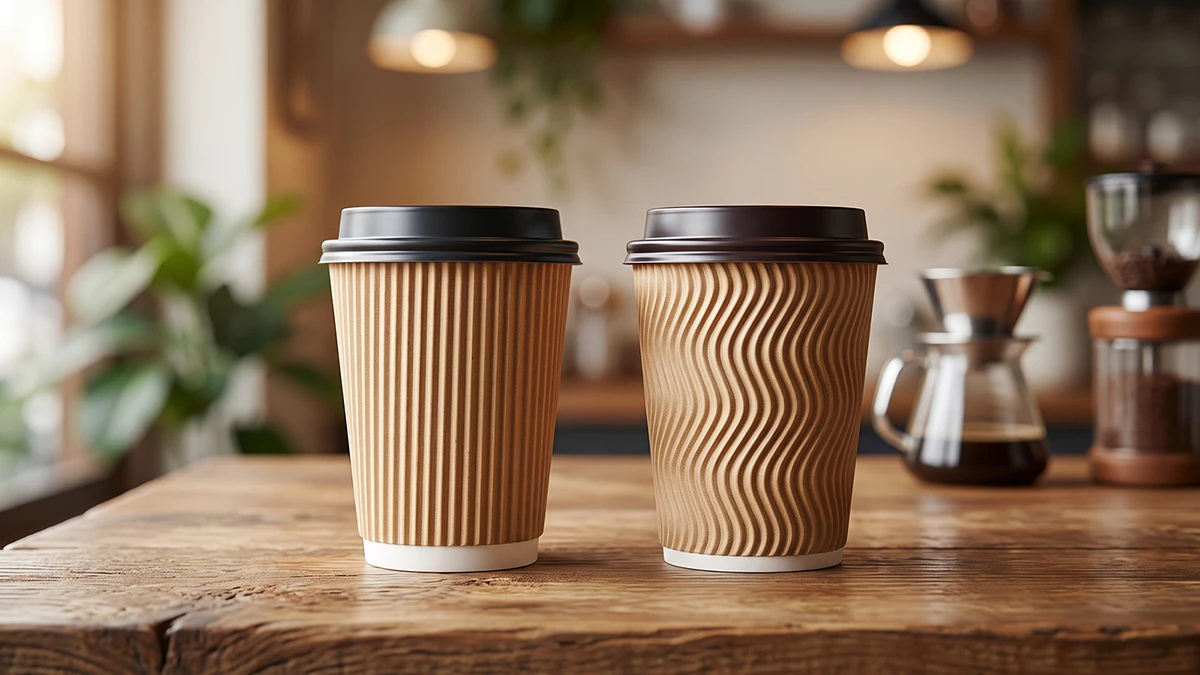
Smart shapes and structures are taking off. Think double-walled insulated cups for outdoor parties, collapsible designs for easy shipping, and ergonomic grips for comfort. Some brands are even experimenting with built-in lids or measuring lines — yes, even for disposable cups.
These features aren’t just clever — they reduce waste and enhance user experience. That’s why more wholesalers are now offering customizable molds. If you’re ordering in bulk, ask your supplier about shape options. It could make your product stand out in a crowded market.
Color Trends: Bolder, Brighter, More Intentional
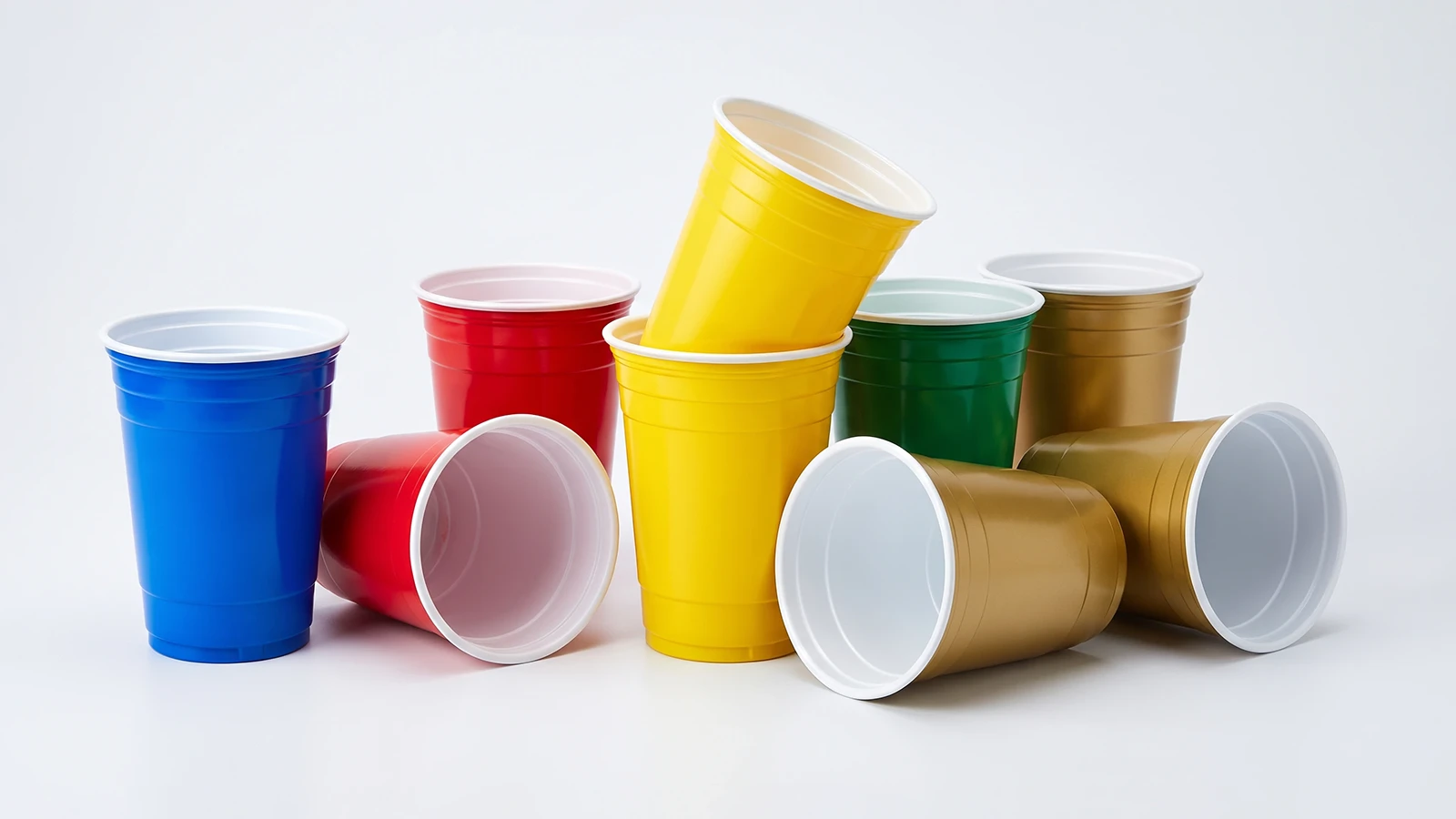
2025’s color palette is loud, proud, and purposeful. Expect:
- Ultra violet and electric teal for music festivals
- Earthy terracotta and moss green for garden parties
- Rainbow gradients for Pride and LGBTQ+ events
- Matte finishes over gloss — they feel more premium and less “disposable”
Color isn’t just aesthetic. It drives engagement. A well-chosen hue can boost social shares — think Instagrammable moments that turn a party into a branded event.
Sustainable Design Is No Longer Optional
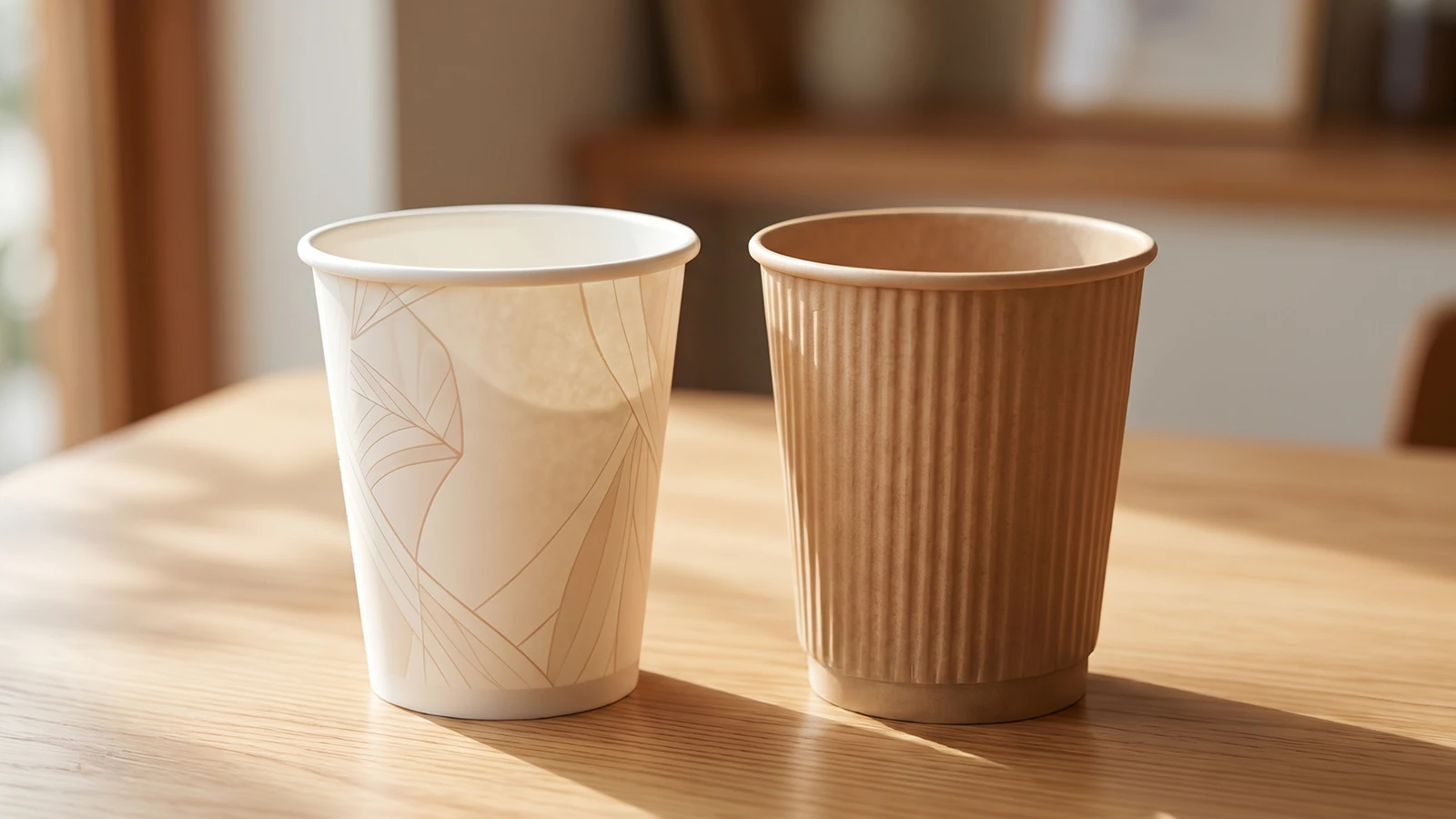
If you’re not offering compostable, recyclable, or plant-based cups in 2025, you’re behind. Bioplastics from sugarcane, molded fiber, and even seaweed-based materials are going mainstream.
And it’s not just about the material. Packaging also counts. Minimalist, plastic-free wraps and bulk cartons with recyclable ink are becoming standard. Consumers — and corporate buyers — are voting with their wallets. Sustainability sells.
New Packaging Trends: Less Waste, More Wow
The unboxing experience matters — even for party cups. In 2025, look for:
- Flat-pack designs to reduce shipping volume
- Stackable wraps that double as display stands
- QR codes linking to recycling instructions or brand stories
- Transparent windows to showcase prints without opening the package
These small touches build trust and reduce friction for end-users.
Final Thought: Design Isn’t Just for Designers
Party cups are no longer just containers. They’re marketing tools, brand builders, and part of the experience. Whether you’re buying for schools, weddings, or retail shelves, paying attention to these 2025 design trends can give you a serious competitive edge.
Still unsure where to start? Head back to our full guide — The Complete Guide to Party Cups: From Material to Wholesale — for sourcing tips, vendor checklists, and cost breakdowns.
FAQ
Q: What are the biggest party cup design trends for 2025?
A: Bold colors, sustainable materials, functional shapes, and eco-friendly packaging are leading the way.
Q: Are sustainable cups more expensive?
A: Not always. Bulk pricing and new materials like molded fiber are making them more competitive.
Q: Can I customize cup shapes in 2025?
A: Yes — many wholesalers now offer custom molds for ergonomic or themed designs.
Q: What color palettes are trending?
A: Bright neons for festivals, earth tones for garden events, and inclusive rainbow gradients.
Q: Do packaging trends matter for party cups?
A: Absolutely. Easy-to-recycle, minimalist packaging improves brand perception and reduces waste.