
What Are the Key Trends in Biodegradable Food Packaging?
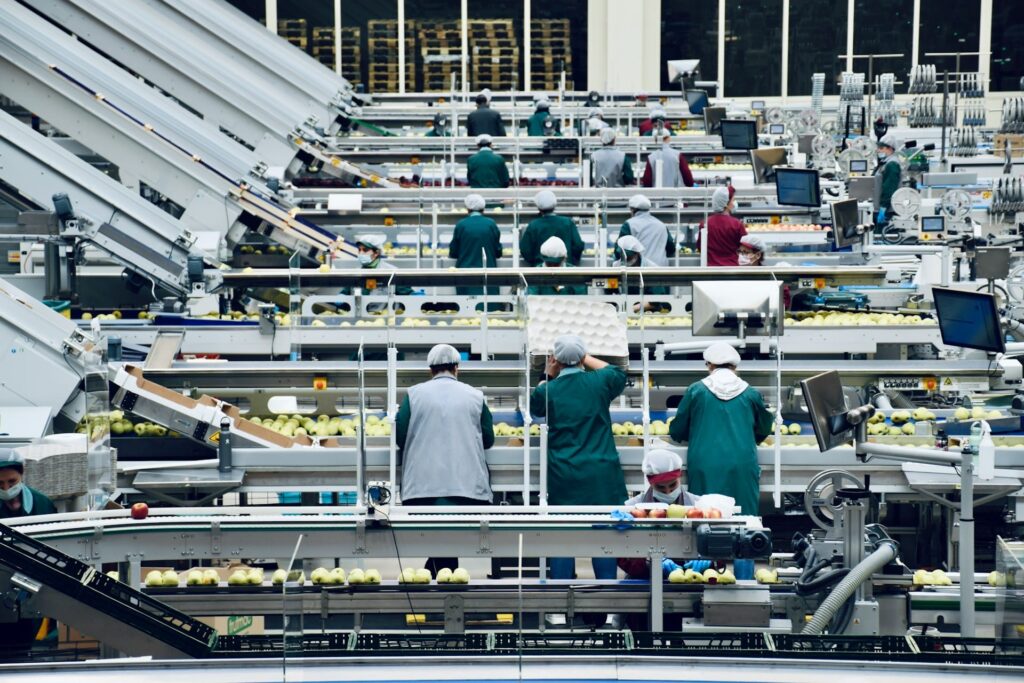
Biodegradable packaging trends in the global food packaging market center on regulatory acceleration, material performance improvements, and cost reduction trajectories that signal a structural shift toward sustainable packaging solutions. You source packaging for food service clients who increasingly ask about sustainability options, yet the market landscape shifts so rapidly that yesterday’s information may already be […]
How to Choose the Best Biodegradable Packaging for Wholesale
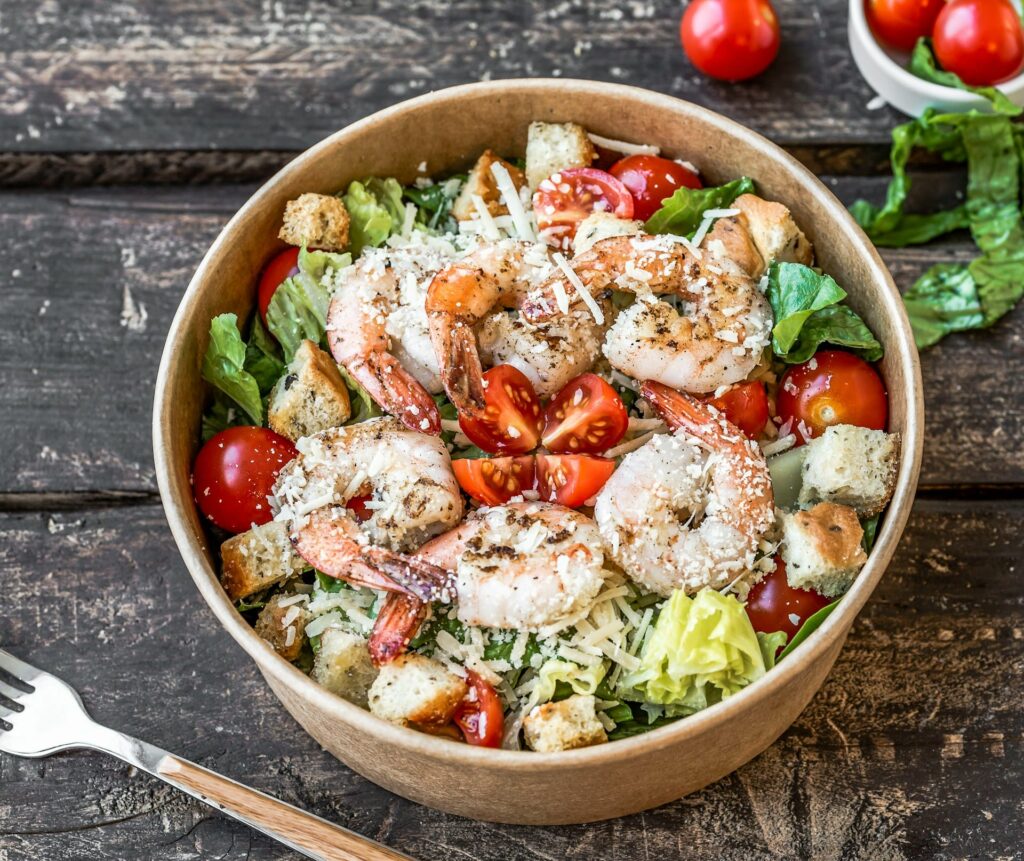
Choosing the best biodegradable packaging for wholesale purchase requires evaluating material certifications, supplier manufacturing capabilities, product specifications matching your application needs, and total cost of ownership rather than unit price alone. The decision impacts your operational efficiency, regulatory compliance, and ultimately your customers’ perception of your brand. You are likely facing pressure from multiple directions: […]
How Do Biodegradable Packaging Costs Compare to Plastic?
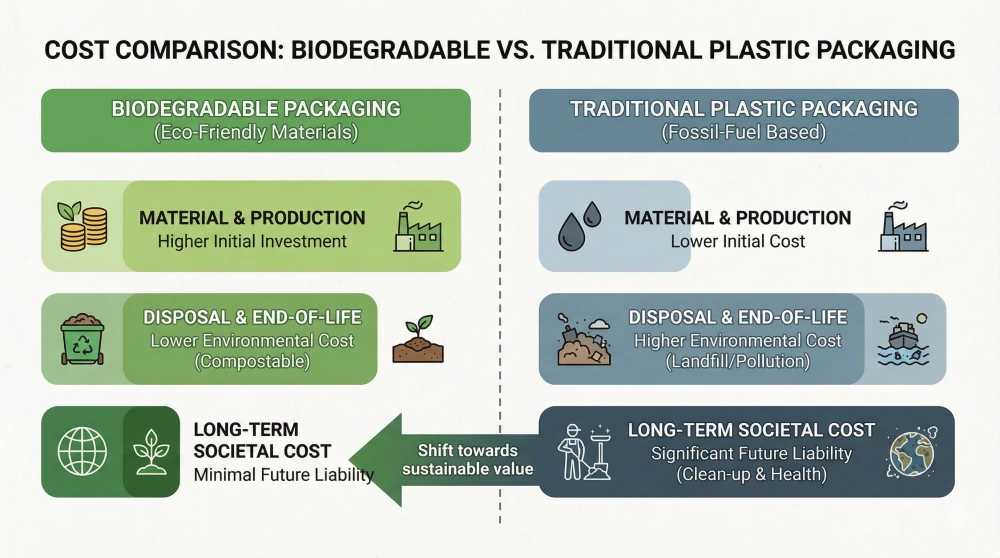
Biodegradable packaging typically costs 15-40% more than traditional plastic packaging at the point of purchase, but total cost of ownership analysis reveals a more nuanced picture when factoring in disposal fees, regulatory compliance expenses, and brand value considerations. For B2B buyers making procurement decisions, understanding both direct and indirect cost components determines whether the investment […]
What Biodegradable Containers Work Best for Meal Prep?
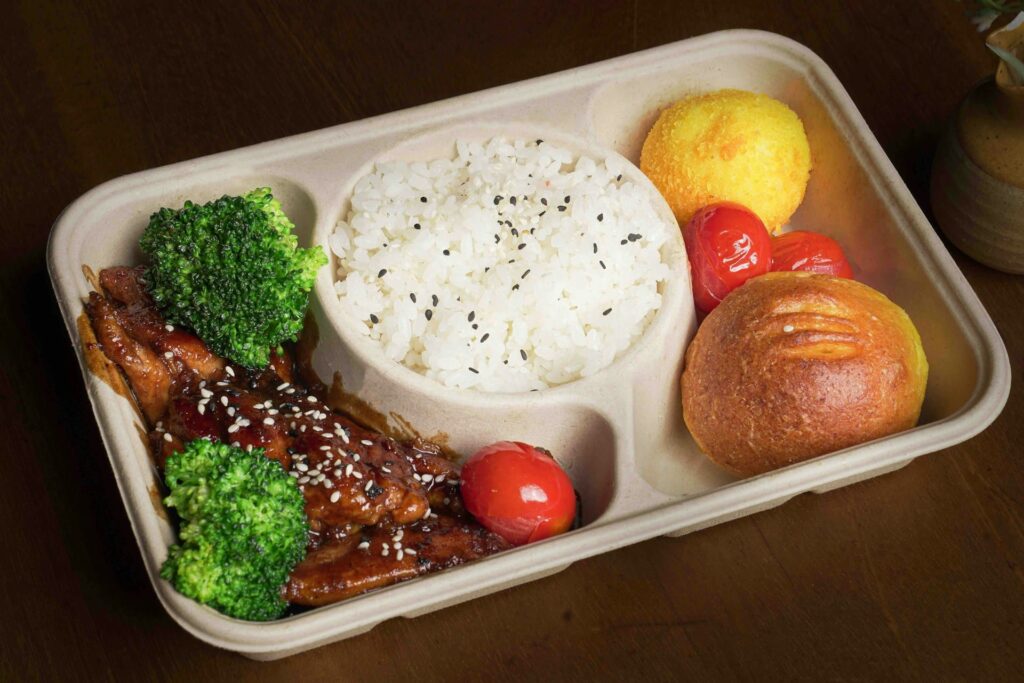
Biodegradable food containers are packaging solutions made from plant-based materials like bagasse, PLA, and paper pulp that decompose naturally after disposal, offering restaurants, meal prep companies, and food service distributors functional alternatives to conventional plastic containers for hot and cold food applications. You source thousands of containers monthly for your food service clients, and the […]
How Close Is Biodegradable Packaging to Replacing Plastic?
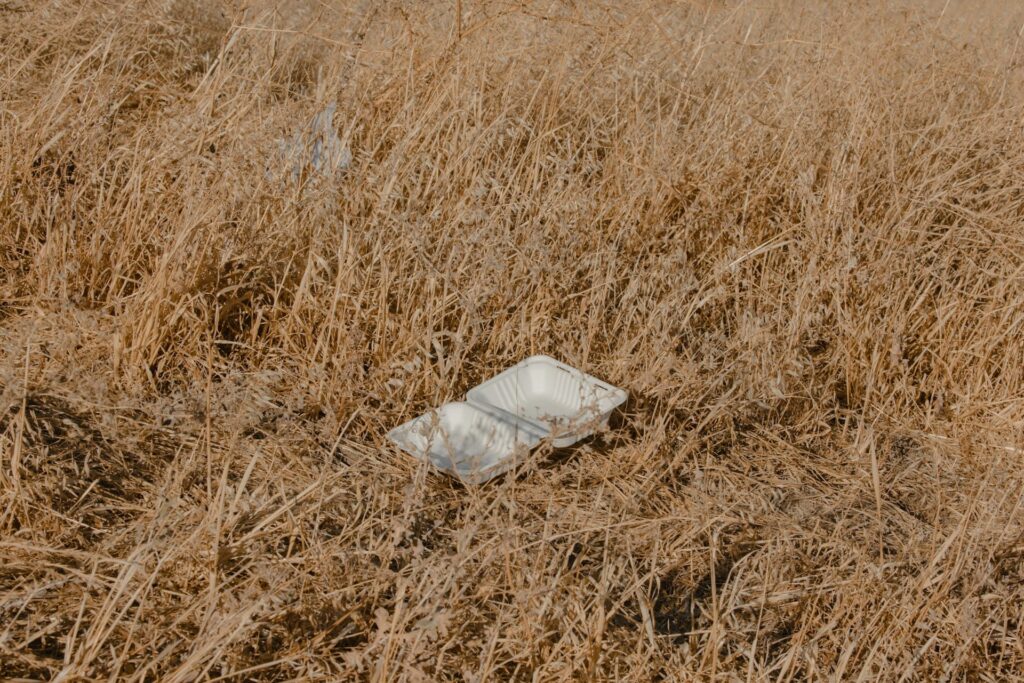
Biodegradable packaging will partially replace plastic in bulk food packaging over the next decade, capturing an estimated 20-30% market share in specific applications where food contamination makes recycling impractical, while coexisting with recyclable plastics in applications with established collection and processing infrastructure. You source thousands of food containers, trays, and wraps each quarter for distribution […]
How to Choose Biodegradable Cups and Lids for Foodservice?

Biodegradable cups and lids are food service products manufactured from plant-based materials such as PLA, paper with bio-coatings, and bagasse, designed to decompose through natural biological processes while delivering functional performance comparable to conventional plastic alternatives. You source thousands of cups monthly for your distribution network, and your clients now demand sustainable options that actually […]
How Do PLA and Bagasse Decompose in Real Conditions?

PLA and bagasse are both genuinely biodegradable materials, though they decompose under different conditions and timelines. PLA requires industrial composting facilities with sustained high temperatures to break down effectively, while bagasse biodegrades in both industrial and home composting environments, making it more versatile for end-of-life disposal. You have likely seen competing claims from suppliers about […]
What Materials Are 100% Biodegradable for Packaging?
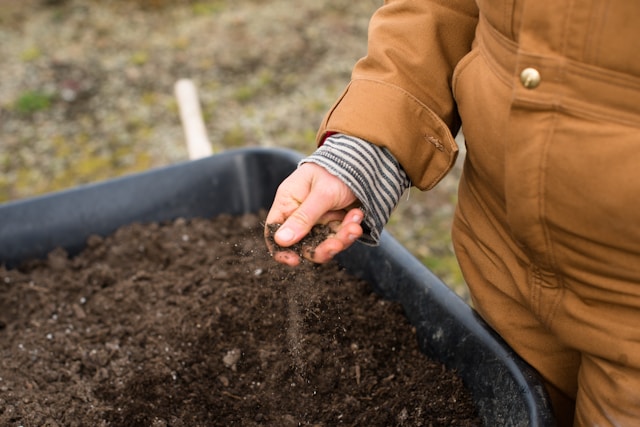
Materials that are 100% biodegradable for packaging include uncoated paper, cardboard, bagasse (sugarcane fiber), bamboo, palm leaf, wheat straw, cornstarch-based bioplastics, and wood pulp products. These materials decompose completely through natural microbial processes without leaving synthetic residues, returning to organic matter, water, and carbon dioxide within defined timeframes when disposed of in appropriate conditions. You […]
What Is Biodegradable Packaging? Application and Costs

Biodegradable packaging refers to packaging materials that can decompose naturally through the action of microorganisms, breaking down into water, carbon dioxide, and organic matter within a defined timeframe without leaving harmful residues in the environment. This category includes materials such as PLA (polylactic acid), bagasse, paper-based products, and other plant-derived substrates that offer functional alternatives […]