
TL;DR:
When choosing party cups for your next event, you’re not just picking a vessel — you’re making a statement about convenience, cost, and environmental impact. Plastic, paper, and biodegradable options each bring unique pros and cons — and the right choice depends on your budget, guest count, and sustainability goals. Need help deciding? This guide breaks it all down — and links you to our full guide on party cups for deeper insights.
Party cups come in three dominant categories: plastic, paper, and biodegradable. Plastic cups (like polystyrene or polypropylene) are durable, affordable, and great for large events. Paper cups are lightweight and recyclable — if properly coated — and ideal for casual or daytime gatherings. Biodegradable cups (made from PLA, sugarcane, or molded fiber) are eco-friendly options that break down naturally but may cost more and have temperature limitations. Your choice should align with your event scale, sustainability policy, and budget. For a full comparison, read our Complete Guide to Party Cups: Materials, Customization, and Wholesale Insights.
Whether you’re hosting a backyard BBQ, corporate picnic, or wedding reception — the cup you choose affects everything from cleanup to guest experience. Let’s get into the nitty-gritty of each type: what they’re made of, how they perform, and where they fit best.
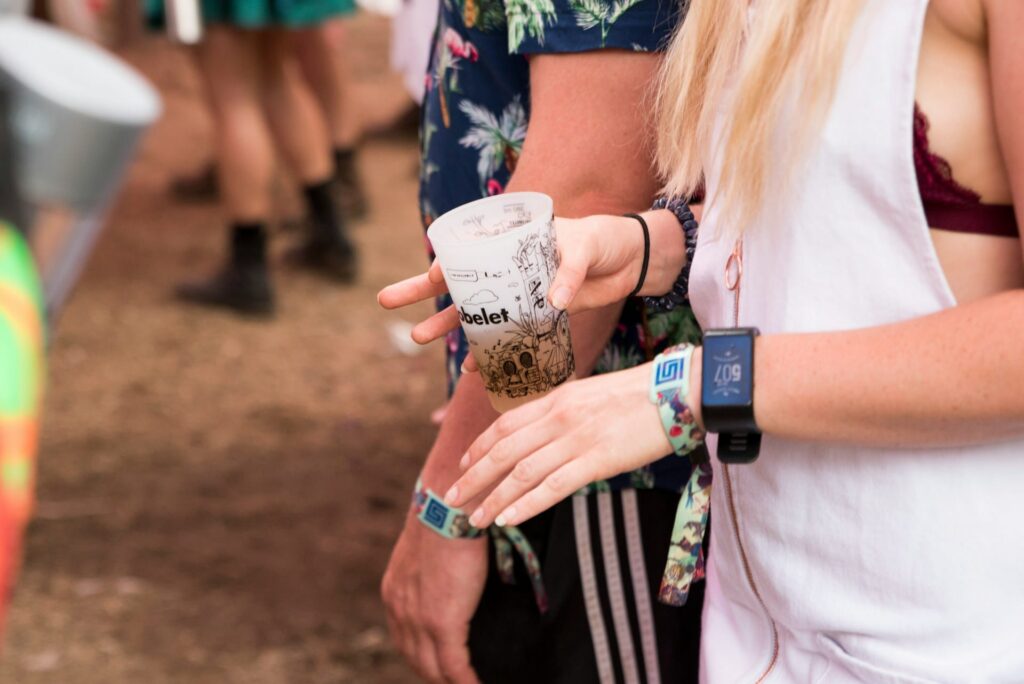
Plastic Party Cups: The Classic Workhorse
You’ve seen them at every birthday party, tailgate, and school fair — plastic cups are the OG of disposable drinkware.
What They’re Made Of:
Most are made from polystyrene (PS) or polypropylene (PP). Both are lightweight, clear or opaque, and resistant to leakage.
Pros:
- Low cost per unit — ideal for large events
- Reusable in a pinch (though not designed for it)
- Shatterproof — great for outdoor or kid-friendly events
Cons:
- Not biodegradable — can last centuries in landfills
- Often not accepted in curbside recycling (check local rules)
- Some guests may avoid them for environmental reasons
💡 Tip: If you go plastic, choose thick, rigid ones — they feel higher quality and reduce spills.
Paper Party Cups: Lightweight and Eco-Conscious (Sort Of)
Paper cups have surged in popularity, especially with businesses and event planners aiming to “green” their brand.
What They’re Made Of:
Typically coated with polyethylene (PE) to prevent leaks. Some newer versions use plant-based coatings (like PLA) for better compostability.
Pros:
- Visually appealing — easy to print logos or patterns on
- Often recyclable or compostable (if uncoated or eco-coated)
- Less guilt — guests feel better using them
Cons:
- Can get soggy with hot liquids or prolonged use
- Slightly higher cost than plastic
- Not always 100% recyclable — many facilities still reject them
💡 Look for FSC-certified paper and BPA-free coatings for higher sustainability points.
Biodegradable Party Cups: The Future-Friendly Choice
Biodegradable cups — made from materials like PLA (from corn starch), sugarcane bagasse, or molded fiber — are rising fast in the eco-conscious market.
What They’re Made Of:
- PLA: Plant-based plastic, compostable under industrial conditions
- Bagasse: Made from sugarcane fiber — sturdy, heat-resistant
- Molded fiber: Eco-pulp material, often used for takeout containers
Pros:
- Designed to break down in composting facilities (not home bins)
- Often USDA BioPreferred certified
- Great for green events, eco-brands, or schools
Cons:
- Expensive — usually 2x–3x the cost of plastic
- May not be composted locally — check your city’s rules
- Limited availability in bulk — can be hard to source for large events
💡 Pro Tip: Pair these with compostable lids and straws for a full eco-package — even if you’re not using them all the time.
Comparison Table: Quick Overview of Each Type
| Feature | Plastic Cups | Paper Cups | Biodegradable Cups |
|---|---|---|---|
| Cost | $ | $$ | $$$ |
| Durability | High | Medium | Medium–High |
| Environmental Impact | High (landfill) | Medium (recyclable) | Low (compostable) |
| Heat Resistance | Good | Fair (depends on coat) | Good (bagasse/PLA) |
| Branding Options | Limited (often clear) | High (printable) | Moderate (printable) |
| Best For | Large, budget events | Casual, eco-aware | Green events, premium |
How to Choose? Match the Cup to Your Event
- Budget-packed? Go plastic. You can’t beat the price per unit.
- Brand image matters? Go paper — they look clean, modern, and customized.
- Sustainability is non-negotiable? Biodegradable. Just make sure you have compost access or guests will toss them in landfill anyway.
Bonus: A Note on Customization & Bulk Buying
All three types can be customized — whether it’s your logo, event date, or colorful design. And when you buy in bulk? You save big. That’s why, whether you’re planning a small gathering or a 500-person gala, getting the right mix of cup type + customization + bulk pricing can make or break your event’s budget and vibe. For more on how to customize, order, and save on party cups — head over to our Complete Guide.
Conclusion
There’s no single “best” type of party cup. Plastic is still king for cost and convenience. Paper is gaining ground for its visual appeal and recyclability. Biodegradable options? They’re the future — but only if you can support the infrastructure to properly dispose of them. The key is asking: What’s the goal of this event? Then pick the cup that supports it — from eco-ethics to budget constraints.
FAQs
Q: Are plastic party cups recyclable?
A: Sometimes — but many local programs don’t accept them. Check your municipal guide before assuming they’re recyclable.
Q: Can paper cups hold hot drinks?
A: Yes — if they’re double-walled or coated with heat-resistant lining. Look for “hot beverage” labels.
Q: What’s the most eco-friendly party cup?
A: Biodegradable cups made from sugarcane or PLA — but only if your area has industrial composting.
Q: Do biodegradable cups cost more?
A: Yes — often 2–3x more than plastic, but prices are dropping as demand grows.
Q: Can I order custom biodegradable cups?
A: Absolutely — many suppliers offer branding on eco-friendly materials. Just plan ahead — lead times can be longer.
Q: Which type is best for outdoor events?
A: Plastic — they’re shatterproof and won’t leak or collapse like paper can on grass or dirt.