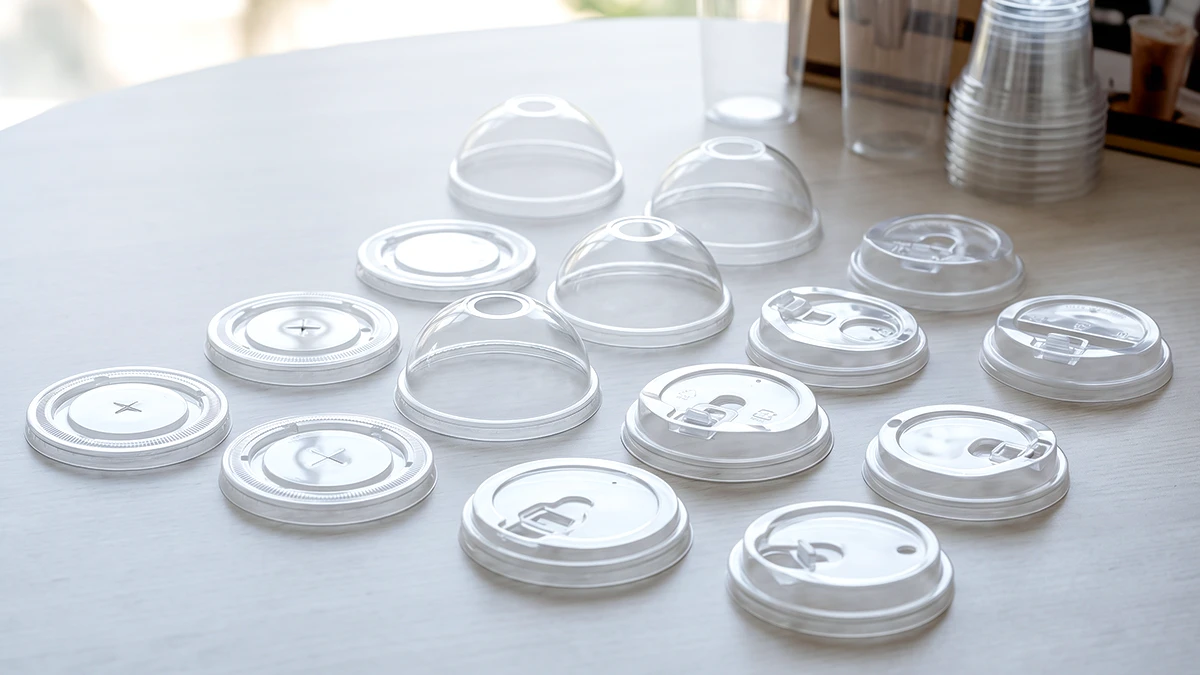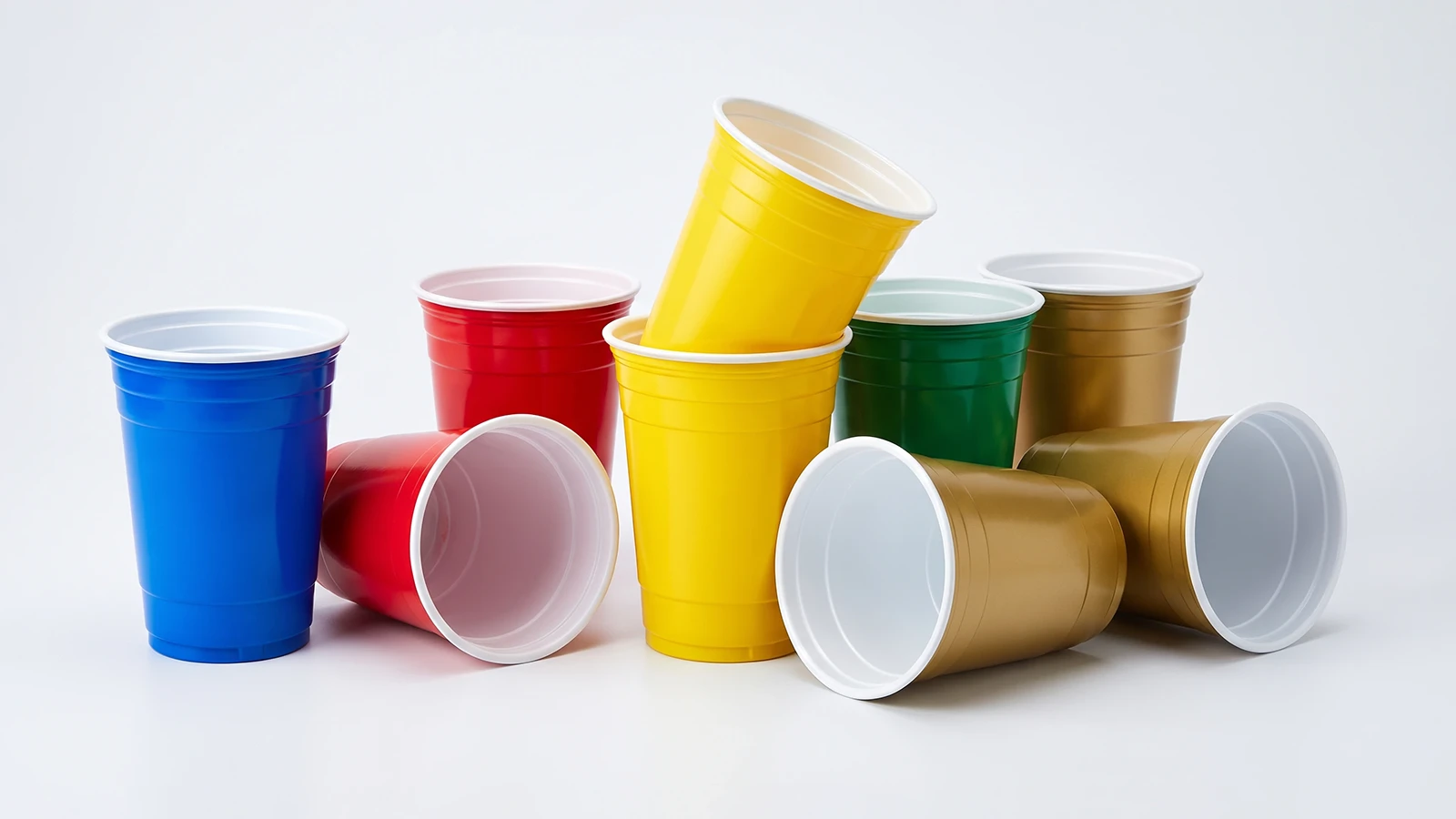
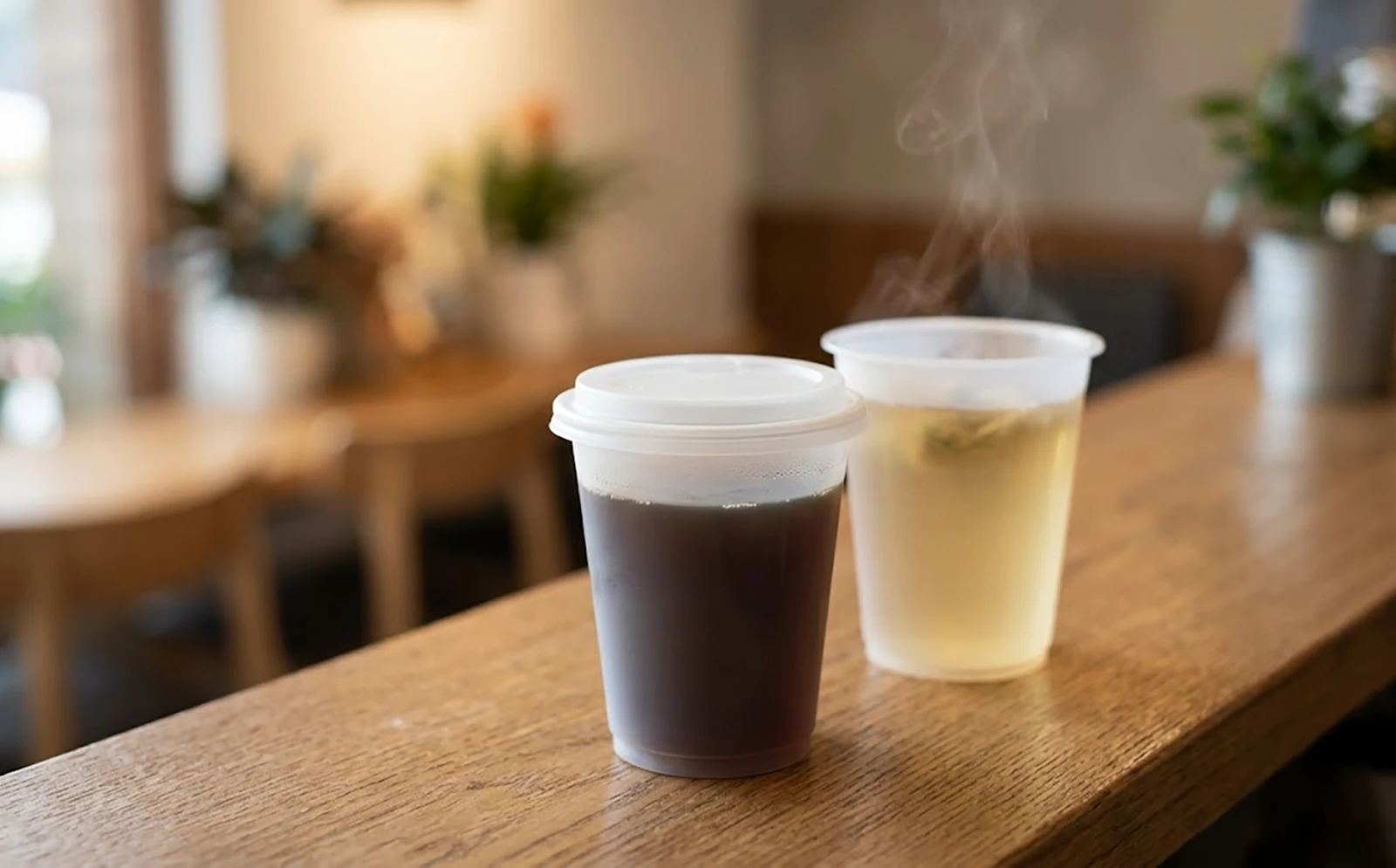
PP cups are specialized food-grade containers manufactured from polypropylene resin, a thermoplastic polymer recognized for its high melting point, chemical resistance, and structural flexibility. These vessels are identified by the resin identification code 5 and are used across the global food service industry because they remain stable when exposed to both freezing temperatures and high heat up to 120 degrees Celsius.
Choosing the wrong packaging often leads to containers that warp or crack when filled with hot liquids or handled during high-speed delivery. This failure results in wasted inventory and potential safety hazards for your customers, which can negatively impact your brand reputation. This article provides a technical overview of polypropylene properties and common industry uses to support your procurement decisions, building upon the foundational knowledge in The Complete Guide to PP Cups: Types, Safety & Bulk Buying.
Why is polypropylene the preferred material for beverage cups?
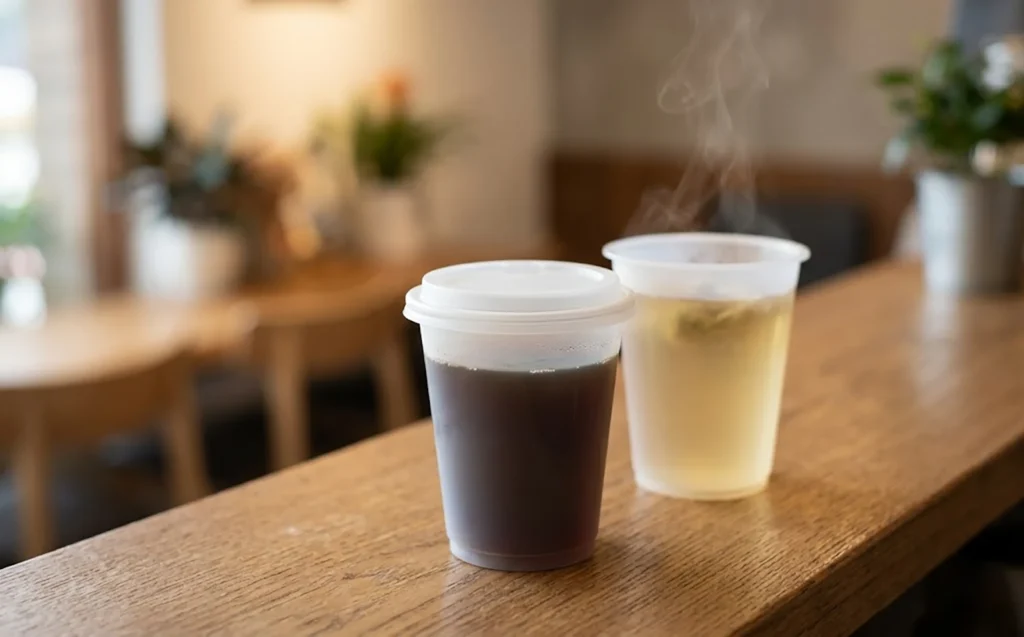
Polypropylene is the preferred material for beverage cups because it offers a unique combination of thermal stability, non-toxicity, and moisture resistance that ensures food safety in diverse environments. Unlike other plastics that may leach chemicals or lose their shape under stress, pp cups maintain their integrity when used for hot coffee, steaming soups, or microwaveable food items.
Here is the deal. The molecular structure of polypropylene is semi-crystalline, which gives it a high level of toughness and resistance to fatigue.
Thermal and chemical resistance
The ability of polypropylene to withstand heat without deforming is its most significant advantage for B2B buyers. It allows for hot-fill processes that are necessary for many beverage production lines.
Consider these technical specs:
- Melting point ranges between 160 and 170 degrees Celsius.
- Resistant to organic solvents and fats at room temperature.
- High dielectric constant makes it safe for microwave use.
- Low density results in a lightweight container that reduces shipping weight.
| Property | Polypropylene Value | Practical Benefit |
| Density | 0.90 – 0.91 g/cm³ | Reduced shipping costs |
| Max Temperature | 120°C (Continuous) | Microwave and hot-fill safe |
| Tensile Strength | 32 – 40 MPa | Resists cracking and impact |
| Water Absorption | <0.01% | Prevents container softening |
The technical properties of this polymer ensure that the container does not react with the contents, preserving the original flavor of the beverage.
Key Takeaway: Selecting polypropylene ensures your packaging remains durable and chemically inert, regardless of the temperature or acidity of the product inside.
What are the most common commercial applications for pp cups?
PP cups are used most effectively in commercial settings that require versatile packaging for both hot and cold items, such as bubble tea shops, fast-food chains, and meal-prep services. Their ability to transition from cold storage to microwave heating makes them a versatile asset for businesses that offer a wide variety of menu items.
You might wonder how this versatility translates to specific industry sectors.
Food service and beverage retail
In the beverage industry, these containers are the standard for drinks that require heat-sealed lids or high-speed automated filling. Their flexibility allows for a tight seal that prevents leaks during delivery.
The typical uses include:
- Hot tea and coffee service in takeaway environments.
- Bubble tea and smoothies requiring custom-printed branding.
- Dipping sauces and condiments served in small portion sizes.
- Deli containers for salads, pasta, and pre-packaged meals.
Industrial and wholesale distribution
Wholesalers prefer polypropylene because it is less prone to breakage during bulk transport than PET or polystyrene. This durability minimizes loss throughout the supply chain from the factory to the end consumer.
| Industry Sector | Application | Material Requirement |
| Quick Service (QSR) | Takeaway hot drinks | High heat tolerance |
| Beverage Retail | Iced and hot teas | Versatile lid compatibility |
| Meal Prep | Reheatable meal boxes | Microwave safety |
| Catering | Soup and side containers | Leak-proof sealing |
The adaptability of these containers across different temperature ranges simplifies inventory management for large-scale distributors.
Key Takeaway: The broad application range of pp cups allows businesses to use a single material type for a variety of food and beverage products, streamlining the supply chain.
Conclusion
The widespread adoption of polypropylene in the packaging sector reflects a commitment to safety and operational efficiency. Reliancepak remains dedicated to providing high-performance packaging solutions that meet the rigorous demands of the global food service industry. By focusing on material science and manufacturing precision, we help businesses secure reliable, food-grade containers that perform consistently in every application.
Our goal is to lead the industry toward safer, more reliable packaging standards through technical expertise and factory-direct quality control.
Frequently Asked Questions
Can pp cups be used for boiling liquids?
Yes. Polypropylene has a continuous use temperature of up to 120 degrees Celsius, which is higher than the boiling point of water. This makes it safe for pouring hot tea or coffee directly into the cup without risk of structural failure or melting.
Are these containers safe for the freezer?
Yes. Polypropylene maintains a degree of flexibility at low temperatures, which prevents it from becoming brittle and cracking in a freezer environment. This makes it suitable for frozen yogurt or pre-packaged frozen meals that require subsequent reheating.
Do pp cups contain BPA or other harmful plasticizers?
No. Polypropylene is naturally free from Bisphenol A (BPA) and phthalates. It is a stable polymer that does not require these additives to achieve its flexible and durable characteristics, making it one of the safest plastics for food contact.
Can I heat these cups in a standard microwave?
Yes. As long as the cup is specifically labeled as microwave-safe, polypropylene is the ideal material for reheating. Its high melting point ensures that the plastic does not soften or release odors when exposed to microwave radiation for typical heating cycles.
How durable are pp cups compared to paper cups?
Yes, they are generally more durable in wet environments. While paper cups rely on a plastic or wax coating that can fail over time, pp cups are entirely waterproof and maintain their structural strength even when held for long periods with liquid inside.