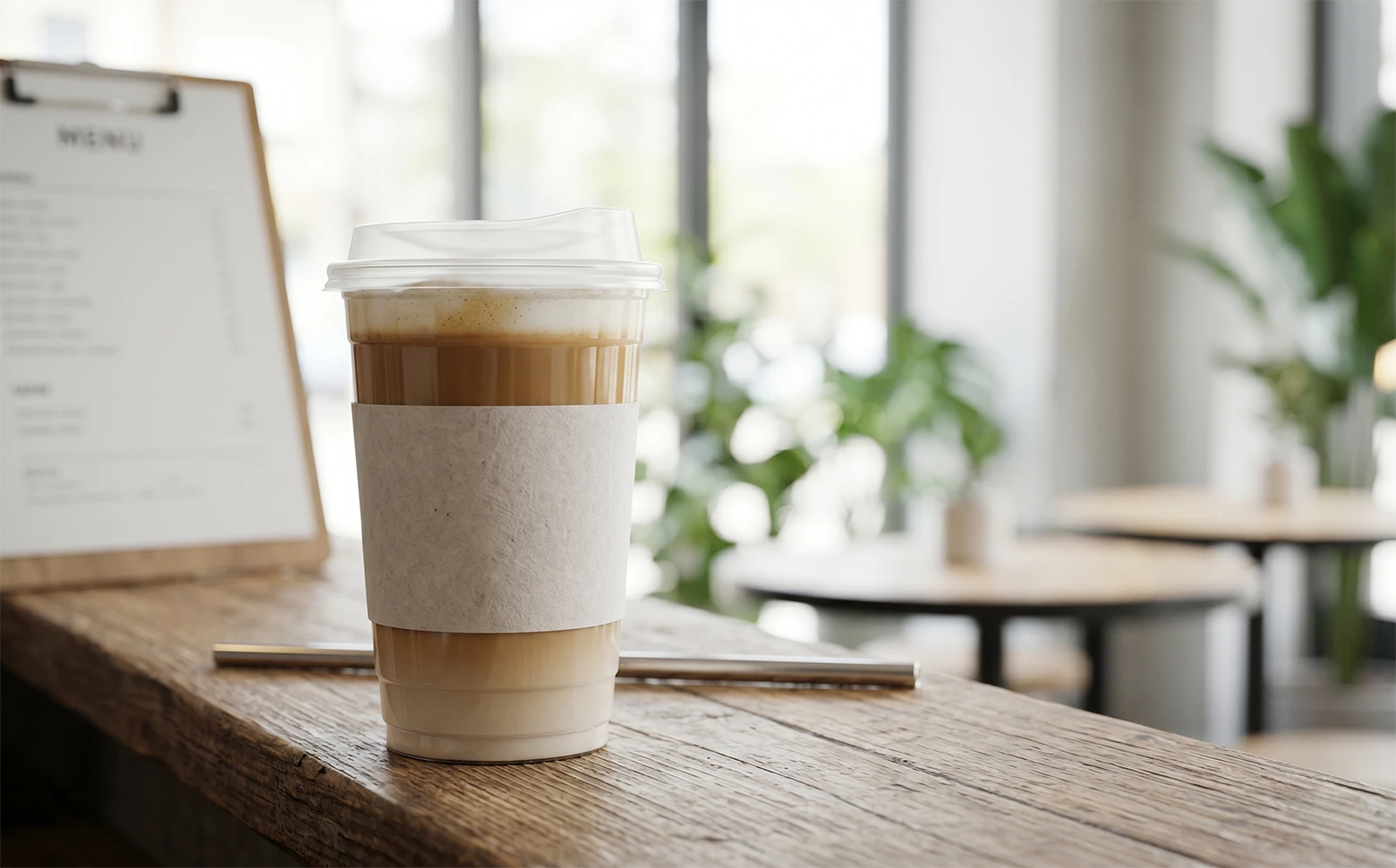
PP cups are considered among the safest plastic food containers because they are made from an inert polymer that resists chemical leaching and maintains stability under high temperatures. This material is recognized globally for its low reactivity, making it a standard choice for both hot and cold beverage service in professional settings.
Managing a food service supply chain requires absolute certainty regarding material safety and regulatory compliance. Using non-certified packaging risks customer health and exposes your business to legal liability. This analysis provides the technical verification you need to select safe polypropylene containers for your operations, expanding on the concepts found in The Complete Guide to PP Cups: Types, Safety & Bulk Buying.
What certifications guarantee the safety of pp cups?
High-quality pp cups must adhere to international standards such as FDA 21 CFR 177.1520 and EU Regulation No 10/2011 to ensure they are safe for direct food contact. These regulations specify the purity of the resin and the maximum allowable migration limits for substances entering the food.
FDA and EU Food Grade Requirements
Here is the deal. Regulatory bodies set strict boundaries to prevent the transfer of harmful monomers or additives from the packaging into the beverage.
- FDA 21 CFR 177.1520 governs the use of olefin polymers in the United States.
- EU Regulation 10/2011 provides a positive list of authorized substances for plastic food contact.
- Compliance ensures the material does not change the composition of the food in an unacceptable way.
- Periodic audits by these agencies confirm that manufacturing processes remain within safety margins.
Third-Party Laboratory Testing
Think about it. While a factory might claim compliance, independent lab results provide the objective proof required for customs and large-scale distribution.
- SGS or Intertek testing verifies the absence of heavy metals like lead and cadmium.
- Migration testing simulates real-world usage with acidic and oily stimulants.
- Odor and taste transfer tests ensure the plastic does not alter the sensory profile of the drink.
- Specific migration limits (SML) are checked for any additives used during the production of pp cups.
| Certification | Application Area | Safety Focus |
|---|---|---|
| FDA 177.1520 | North America | Resin purity and extractables |
| EU 10/2011 | Europe | Overall and specific migration limits |
| ISO 22000 | Global | Food safety management systems |
| REACH | Europe | Chemical substance restricted list |
Verifying these documents before completing a purchase protects your brand from the consequences of distributing non-compliant packaging.
Key Takeaway: Only source pp cups from manufacturers who provide updated, verifiable test reports from recognized third-party laboratories.
How does temperature impact the safety of pp cups?
Polypropylene is a heat-tolerant material that remains safe up to 120°C, ensuring that it does not leach chemicals when used for hot coffee or microwave heating. Unlike other plastics that soften or release fumes when warmed, polypropylene maintains its molecular structure under thermal stress.
Safety During Microwave Heating
You should know. The ability to withstand microwave radiation without melting is a primary safety advantage for takeaway containers and beverage cups.
- Polypropylene has a high melting point of 160°C, far exceeding standard heating requirements.
- The material is non-polar, meaning it does not absorb microwave energy itself.
- Heat is transferred from the liquid to the cup, and the cup retains its rigidity.
- Safe microwave use requires the removal of lids or the use of vented lids to prevent pressure buildup.
Hot Liquid Stability and User Safety
It gets better. Serving boiling liquids requires a container that will not deform, as structural failure can lead to severe burn injuries for the consumer.
- PP cups remain stable when filled with boiling water or hot tea.
- The material does not release “plastic” odors when exposed to steam.
- Polypropylene acts as a mild insulator compared to thinner PET alternatives.
- Resistance to stress cracking ensures the cup does not leak during the duration of consumption.
| Temperature Level | Material Reaction | Safety Recommendation |
|---|---|---|
| 0°C to 40°C | No change | Suitable for all cold beverages |
| 40°C to 90°C | Stable | Use for coffee, tea, and soups |
| 90°C to 120°C | No leaching | Safe for boiling water contact |
| Above 120°C | Softening starts | Avoid high-temp oils or fats |
The thermal resilience of polypropylene makes it the most versatile plastic for multi-use food environments.
Key Takeaway: Use pp cups for any application involving heat to ensure the packaging remains chemically inert and physically stable.
Are there hidden chemical risks in polypropylene materials?
Polypropylene is inherently BPA-free and does not contain phthalates, making it a safer alternative to other plastics that require chemical additives for flexibility. Its natural properties allow it to be rugged and durable without the need for controversial plasticizers.
Avoiding BPA and Phthalate Contamination
Consider this. Health-conscious consumers specifically look for packaging that does not contain Bisphenol A (BPA) or other endocrine disruptors.
- Polypropylene is produced through the polymerization of propylene gas, which does not involve BPA.
- The material does not require phthalates to achieve the flexibility needed for cups.
- PP is chemically resistant to acids, preventing the leaching of any internal stabilizers.
- Raw material traceability ensures that no recycled or contaminated resins enter the food-grade production line.
Comparing PP with Other Beverage Plastics
Moving forward. Understanding how polypropylene stacks up against other materials helps in making a risk-based procurement decision.
- Polystyrene (#6) can release styrene when heated, unlike polypropylene.
- PET (#1) is safe for cold use but can leach acetaldehyde if overheated.
- Polypropylene remains the primary recommendation for repeated food contact by many health advocacy groups.
- The inert nature of the plastic makes it suitable for sensitive dairy and infant products.
| Chemical Factor | Polypropylene (PP) | Polystyrene (PS) |
|---|---|---|
| BPA Content | None | None |
| Phthalates | None | Common in soft versions |
| Heat Leaching | Extremely Low | Potential for styrene release |
| Chemical Inertness | High | Low (reacts with fats) |
The chemical simplicity of polypropylene provides a high margin of safety for both manufacturers and end-users.
Key Takeaway: Prioritize pp cups to meet the growing demand for BPA-free and phthalate-free food service solutions.
Conclusion
Reliancepak helps you navigate these safety requirements by providing certified, food-grade pp cups manufactured on our nine advanced production lines. We ensure every batch meets international safety standards, allowing you to focus on growing your business with confidence. Contact us at admin@bereliance.com to request your free samples and verify our quality firsthand.
Our vision is to provide the global food industry with reliable, safe, and sustainable packaging solutions through manufacturing transparency and technical excellence.
Frequently Asked Questions
Is polypropylene safe for acidic beverages like orange juice?
Yes. Polypropylene is highly resistant to organic acids and will not degrade or leach chemicals when in contact with acidic juices or carbonated sodas.
Does the “5” recycling code mean the cup is food safe?
Yes, generally speaking. While the code “5” identifies the material as polypropylene, you should still verify that the manufacturer has specific food-grade certifications for their production process.
Can I reuse PP cups multiple times safely?
Yes. Many pp cups are designed for durability and can be washed and reused, as the material does not degrade easily with standard cleaning agents.
Are there any chemicals that can melt a PP cup?
Yes. While resistant to most food-based substances, certain strong industrial solvents or highly concentrated oils at very high temperatures can affect the material. These are not typically found in food service.
Why do some PP cups have a slight smell?
No, high-quality food-grade pp cups should be odorless. A strong plastic smell usually indicates the use of low-quality additives or non-virgin resin, which should be avoided in food packaging.