A reliable bulk procurement process requires verifying factory certifications, requesting pre-production samples, and conducting independent quality inspections. Large-scale food packaging buyers often face the risk of receiving bulk shipments that do not match original samples. Working with integrated factory and trade partners allows businesses to mitigate these technical risks and build a stable, predictable supply chain.
As a procurement manager or business owner, managing disposable packaging inventory means protecting your brand reputation and operational bottom line. A single batch of defective food containers can cause leakages, customer complaints, and costly logistical delays. This comprehensive checklist outlines the technical criteria and supplier verification steps needed to secure high-quality pp cups in large volumes.

Why is raw material verification critical for bulk orders?
Raw material verification guarantees that your container shipment remains safe for food contact and performs consistently under temperature stress. Substandard or heavily degraded plastic resin compromises the structural strength of the container, leading to cracks during automated filling or transit.
Polypropylene resin tracking and grade testing
Verifying the source of your polymer resin prevents the introduction of unapproved post-consumer waste into your food-grade packaging supply chain. High-performance polypropylene must come with traceable batch documentation to confirm its thermal properties.
- Certificate of Analysis: Request a COA for every manufacturing lot to verify the density and melt flow rate of the polypropylene plastic.
- Resin Identification: Ensure the containers display the standard resin identification code number 5 to facilitate clear material sorting.
- Odor and Migration Assessment: Test the raw material under heat to confirm it does not leach volatile organic compounds or alter food flavor.
A transparent material tracking system gives your business legal protection and ensures compliance with strict import regulations.
Key Takeaway: Never assume material consistency; always demand documented proof of virgin, food-grade polypropylene resin before authorizing full-scale manufacturing.
How do you evaluate physical samples for commercial performance?
Physical sample testing allows you to evaluate how the containers behave under real-world kitchen, transport, and storage conditions. Relying solely on digital product data sheets can hide flaws in wall thickness, rim uniformity, and lid compatibility.
Structural testing and physical tolerances
Evaluating physical prototypes requires putting the containers through stress tests that mimic your daily commercial operations. Checking these mechanical limits prevents high failure rates when the products reach your end-users.
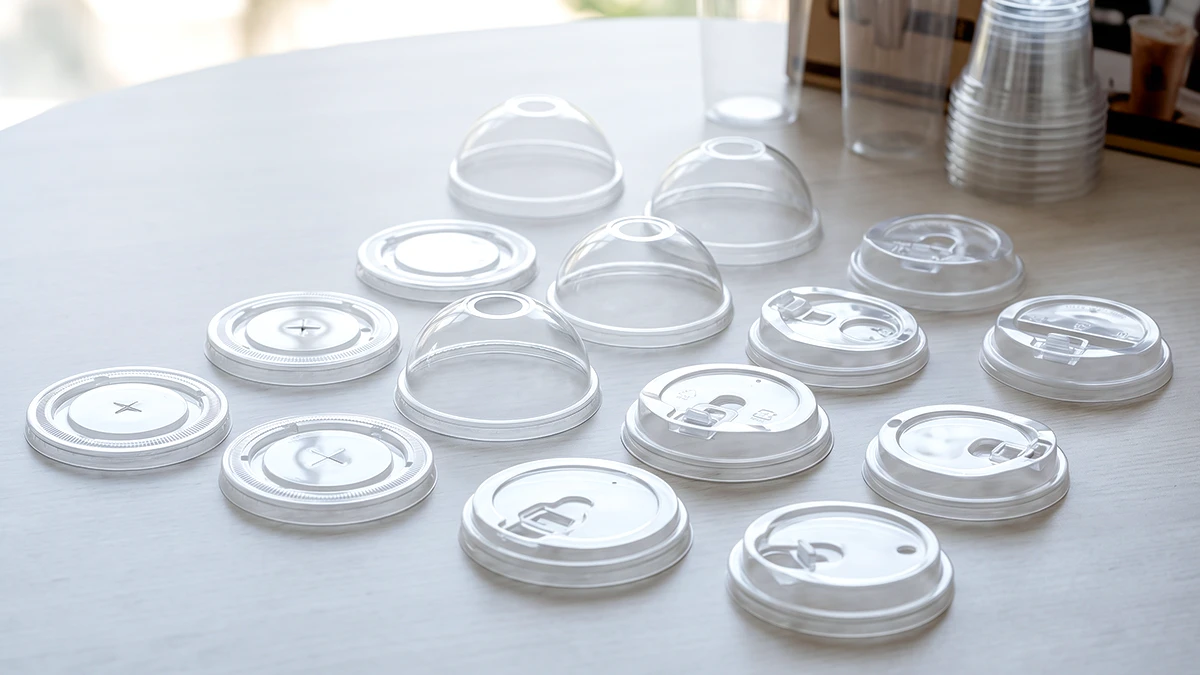
- Rim and Sealing Inspection: Examine the top bead for smoothness to ensure a tight, leak-proof snap fit with universal lid diameters.
- Wall Thickness Uniformity: Measure the side walls and base to confirm the plastic is distributed evenly and does not have thin, brittle spots.
- Thermal Stress Trial: Pour boiling liquid into the container and microwave it for two minutes to verify that it maintains structural integrity.
| Physical Test | Target Performance Requirement | Failure Indicator |
| Lid Snap Fit | Audible click with a secure, leak-proof seal | Fluid leakage when tilted or squeezed |
| Top-Load Compression | Withstands vertical pressure during stacking | Sidewall buckling or structural crushing |
| Temperature Variance | Remains stable between -20°C and 120°C | Melting, warping, or cracking under stress |
Rigorous physical testing helps you avoid structural failures that damage user experience.
Key Takeaway: Use physical stress tests on initial samples to catch design and fit errors before approving mass production.
What production capabilities define a reliable packaging supplier?
A supplier’s production capability determines their ability to deliver large wholesale orders on schedule without sacrificing product quality. High-capacity manufacturing facilities utilize automated processing lines that lower human error and maintain tight design tolerances.
Manufacturing scale and quality management systems
Partnering with an integrated factory that manages multiple high-speed production lines ensures your inventory needs are met during peak seasonal demand. True manufacturing partners offer complete visibility into their quality control workflows.
A high-output manufacturing setup provides stable lead times and predictable product quality:
- Automated Extrusion Lines: Modern facilities run automated thermoforming machinery to produce consistent dimensions across millions of units.
- Certified Quality Standards: Look for facilities operating under ISO 9001 quality management systems and explicit food safety protocols.
- Sufficient Tooling and SKUs: Ensure the facility can manufacture matching lids and multiple container sizes to simplify your vendor management.
When choosing a long-term supply partner, verifying production scalability is just as important as comparing unit pricing. If you want to understand the complete material properties and common applications of these food containers, read the complete guide to pp cups to optimize your overarching packaging strategy.
Key Takeaway: Select integrated factory partners with automated production setups to guarantee stable lead times and uniform product quality for high-volume orders.
Sourcing Food-Grade Packaging with Reliancepak
Securing a dependable supply of high-performance food containers requires a partner that controls both manufacturing and international logistics. Reliancepak delivers an efficient B2B procurement experience by combining factory-direct production with professional customization. Our facility runs nine advanced production lines to provide fast delivery, consistent bulk quality, and comprehensive food-grade certifications. Contact our team at admin@bereliance.com or visit reliancepak.com to request your free product samples and secure your supply chain.
We aim to lead the global food packaging sector through continuous material innovation, strict safety compliance, and dependable manufacturing performance.
Frequently Asked Questions
Can I get a formal certificate of analysis for bulk plastic orders?
Yes. Reputable manufacturers provide a Certificate of Analysis (COA) for every production run to verify material purity, food safety compliance, and physical performance characteristics.
How do I check if the lids will fit perfectly across different volumes?
Confirm that the manufacturer uses standard universal rim diameters, such as 95mm, across different container capacities. This configuration allows a single lid size to fit multiple volumes perfectly.
What is the typical lead time for a custom printed bulk order?
The standard production lead time for custom printed items usually ranges from 14 to 21 days after final design approval. This timeframe depends on order volume and current factory line scheduling.