When you source disposable cups in bulk, the wall structure is one of the first decisions you face. Single wall and double wall paper cups look similar on a shelf, but they behave very differently once hot coffee goes in — and that difference affects your unit cost, your customer experience, and even how many sleeves you need to buy.
This guide compares the two types from a purchasing perspective: materials, manufacturing process, cost structure, and typical use cases. The goal is not to declare a winner, but to help you match the right cup to your actual business scenario.
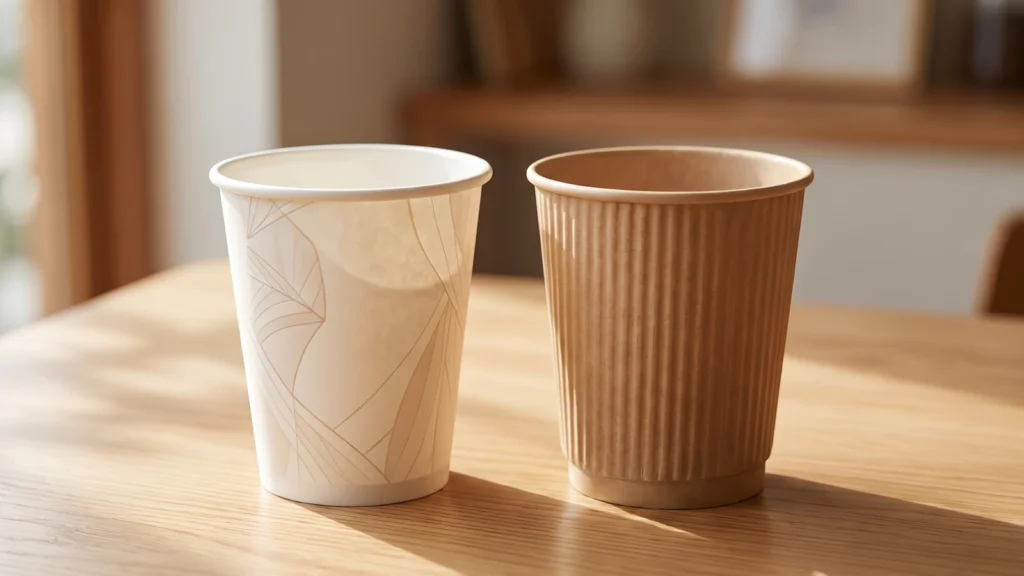
Quick Comparison at a Glance
| Aspect | Single Wall Cup | Double Wall Cup |
| Structure | One layer of paper with inner PE or PLA coating | Two paper layers with an air gap between them |
| Heat insulation | Limited; hot drinks usually need a sleeve | Good; generally comfortable to hold without a sleeve |
| Unit cost | Lower | Higher (roughly due to extra material and lamination step) |
| Weight & shipping volume | Lighter, more cups per carton | Heavier, bulkier per carton |
| Typical use | Cold drinks, warm drinks with sleeves, water dispensers | Hot coffee, tea, takeaway beverages |
| Printing surface | Standard | Slightly better presentation due to thicker, rigid wall |
What They Are Made Of
Single Wall Cups
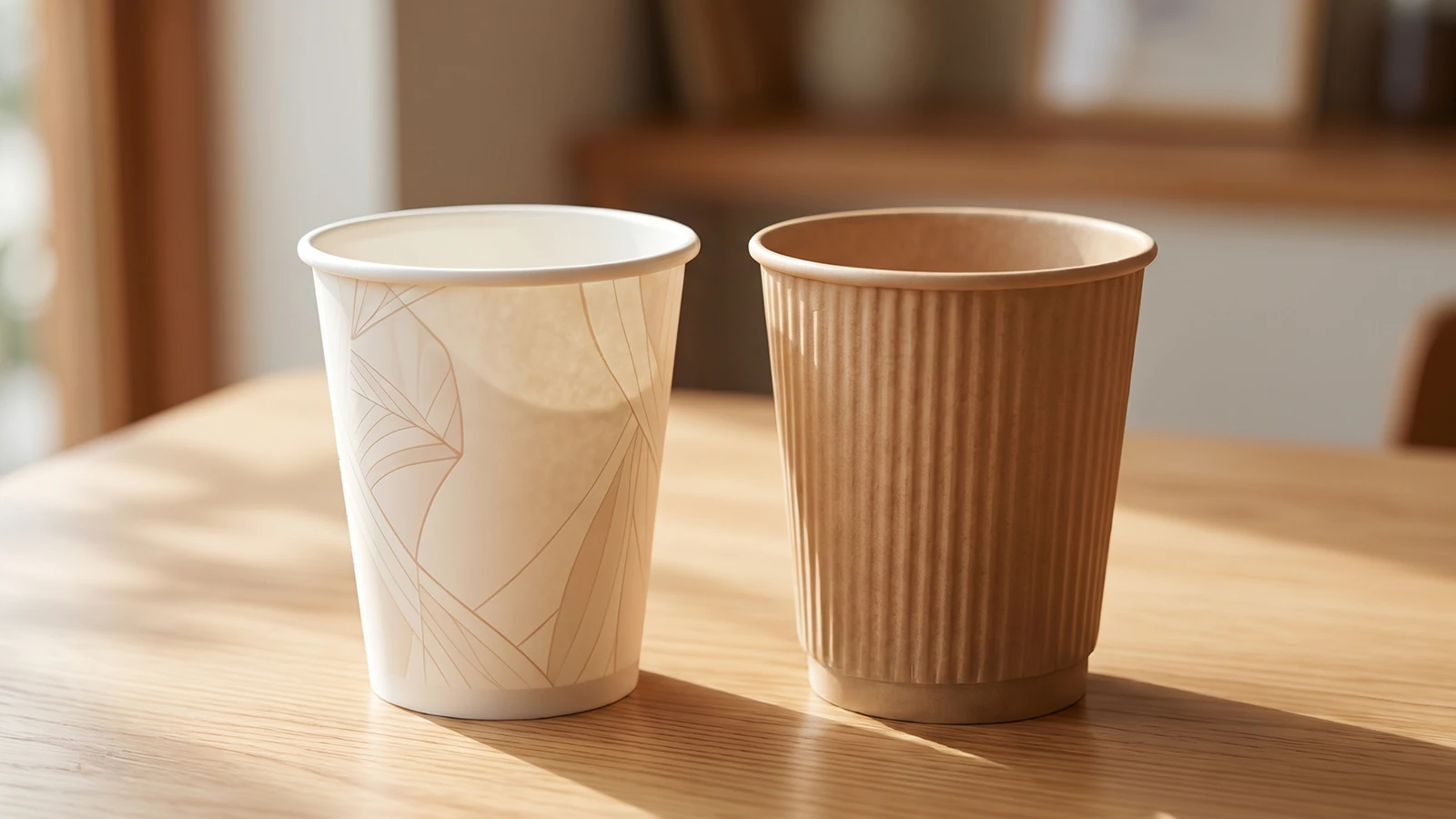
A single wall cup is exactly what the name suggests: one sheet of food-grade paper, formed into a cylinder, sealed at the side, and attached to a rolled rim and base. The inner surface carries a thin coating — usually PE (polyethylene), sometimes PLA for compostable requirements — which makes the cup liquid-proof.
Because the wall is a single layer, heat from a hot drink transfers to the outer surface fairly quickly. In many scenarios, cafés and takeaway counters pair single wall cups with cardboard sleeves or double-cupping for hot beverages.
Double Wall Insulated Cups
A double wall cup uses two paper layers. The outer layer is laminated onto an inner layer with a small embossed air gap between them. That trapped air is the working principle: air is a poor heat conductor, so the outer wall stays at a temperature customers can comfortably hold.
From a manufacturing standpoint, this adds one lamination step and roughly doubles the paper consumption per cup, which is where most of the price difference comes from.
Cost Considerations for Bulk Buyers
Unit price is only part of the story. When you calculate the real landed cost, several factors shift the comparison:
- Base unit cost: Single wall cups are typically the cheaper option per piece, which matters a lot in high-volume, low-margin settings.
- Accessories: If you choose single wall for hot drinks, you will likely also order sleeves or lids designed for the extra diameter. Double wall cups usually skip the sleeve entirely, which offsets some of the price gap.
- Shipping: Double wall cups take up more carton space and weigh more per unit. For overseas wholesale orders, freight per cup can widen the effective cost difference beyond the quoted unit price.
- Perceived value: A rigid, insulated cup carries a premium feel. For brands positioning coffee above commodity level, that impression can justify the extra spend.
A practical approach many buyers use: single wall for cold drinks, water, and internal use; double wall for the hot takeaway menu where customer handling matters.
How to Choose: Scenarios, Not Generalities
The right answer depends on your application, so here are common scenarios mapped to cup types:
- Cold drink shops, bubble tea, water coolers: Single wall is usually sufficient. Your customers hold a cold cup comfortably, and the cost saving is direct.
- Coffee shops and hot takeaway counters: Double wall generally wins, because it removes the sleeve cost and the extra handling step at the counter.
- Catering and events with mixed temperature drinks: Buying both types in one order is common; most wholesale suppliers, including our paper cup product range, offer both structures under the same minimum order framework.
- Markets with sustainability requirements: Both types can be produced with PLA or water-based barrier coatings; double wall uses more paper but skips the plastic sleeve, so the environmental trade-offs depend on your local recycling rules rather than a simple rule of thumb.
One more point worth checking with your supplier: lid compatibility. Lids are sized by rim diameter, and the two cup types at the same nominal size typically share lid sizes — but confirm this before you order both together, especially when combining products from different production batches or specifications.
About Lids
Since most wholesale buyers order cups and lids together, a few procurement notes:
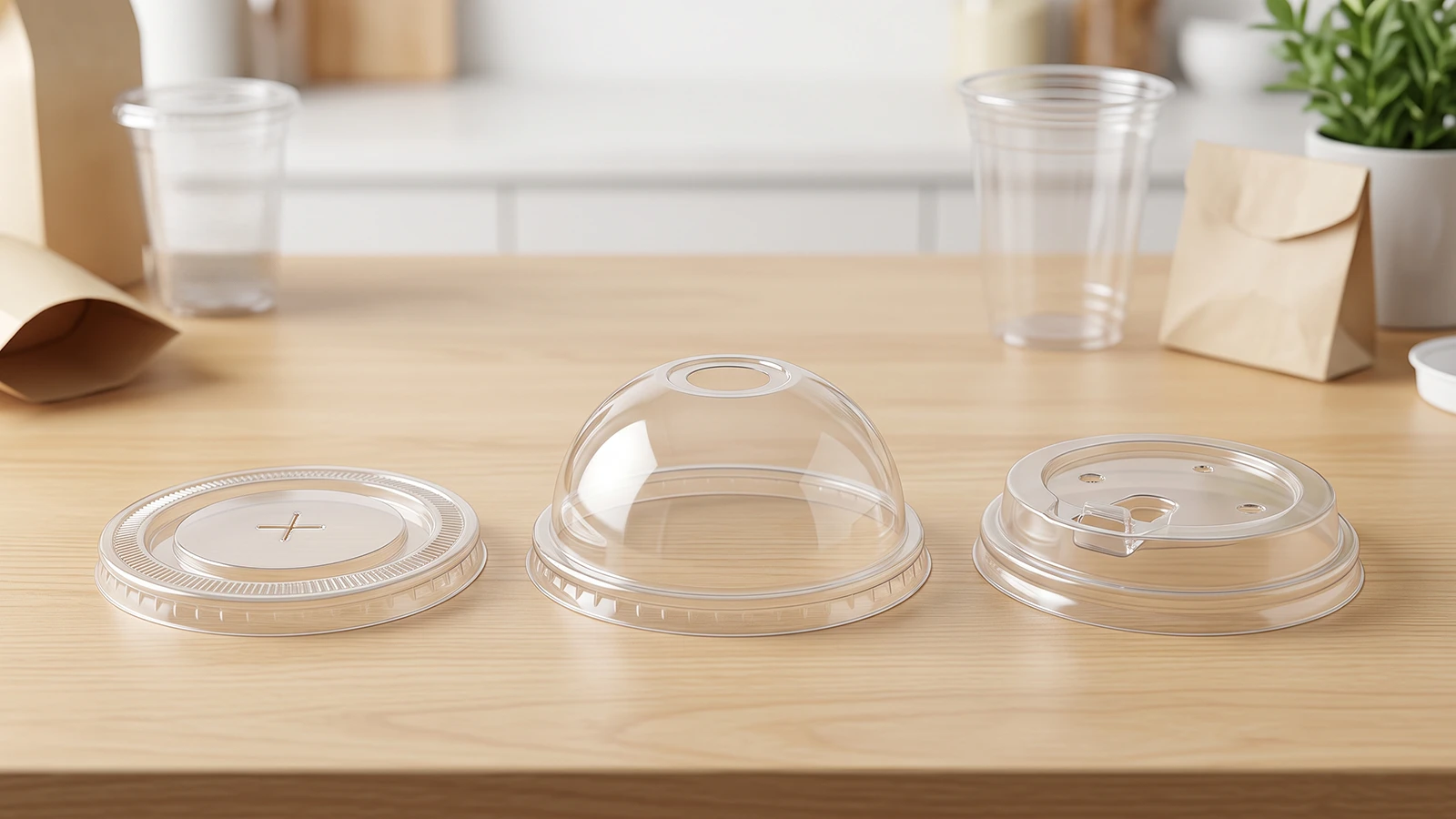
- Material options: PP lids handle hot drinks well; PS lids are common for cold drinks; PLA lids serve compostable programs, though availability varies by region.
- Fit matters more than material: A poorly fitting lid causes leaks and returns. Ask for samples of the exact lid and cup combination before committing to a full order.
- Order quantities: Lids are usually packed separately, so plan your carton counts for both SKUs when estimating container space.
FAQ
Are double wall cups always better for hot drinks?
Not always. Double wall cups generally remove the need for a sleeve, which is their main practical advantage. But if your cost structure is extremely tight and you already have a sleeve supply chain, single wall plus sleeve remains a valid solution in many markets.
Do single wall and double wall cups of the same size use the same lids?
In most cases, yes — both are built to standard rim diameters. However, always verify with physical samples before bulk ordering, because small spec deviations between factories can cause lid fit issues.
Which type costs more to ship?
Double wall cups typically cost more per unit to ship. They use more paper, weigh more, and occupy more carton volume, so freight adds to the already higher unit price. Factor this into your landed cost calculation, not just the quoted price.
Can both types be customized with my logo?
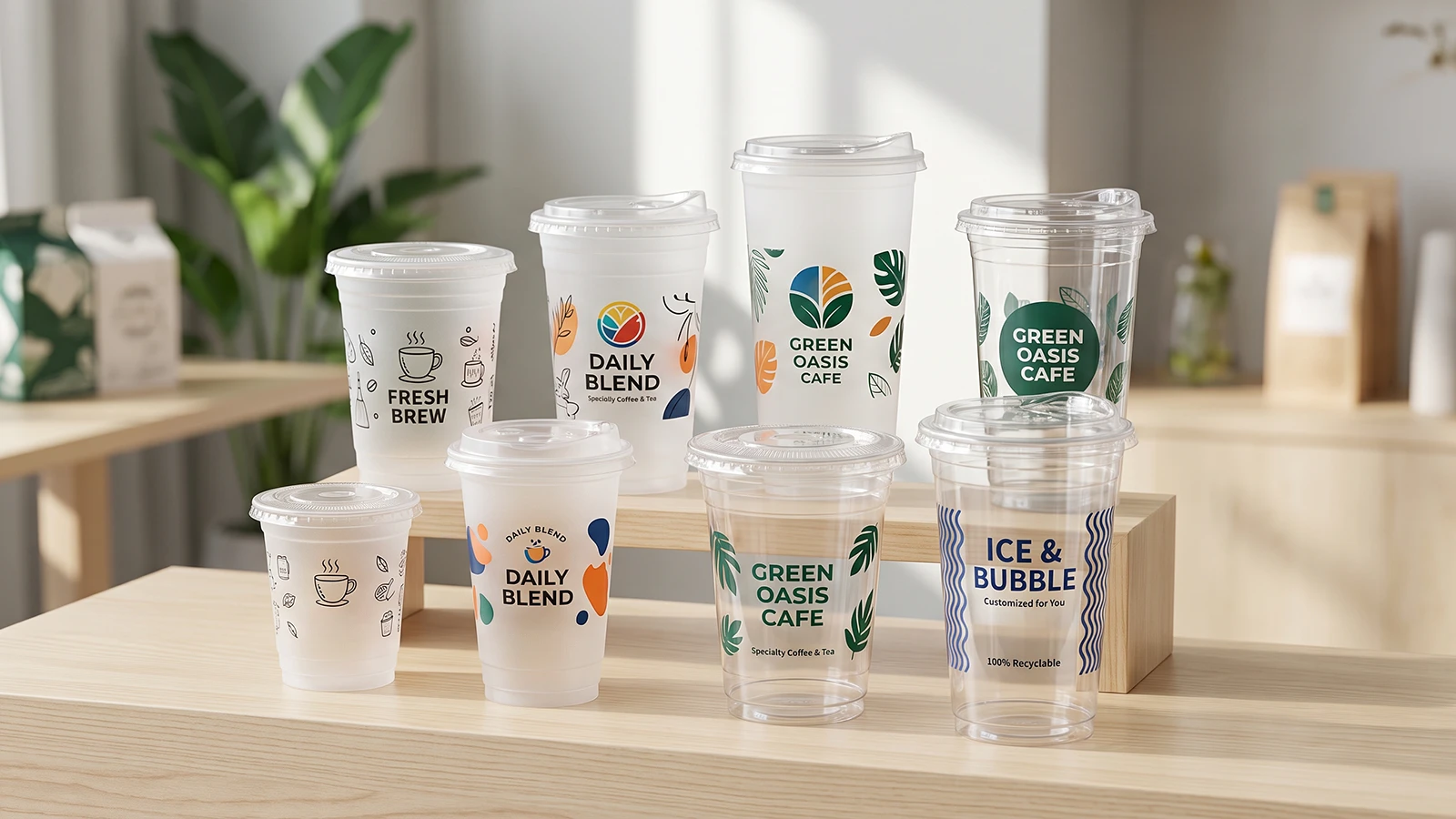
Yes. Both structures accept flexographic or offset printing, and double wall cups often present print results slightly better because of their rigid outer surface. Most manufacturers, including Reliancepak, offer OEM printing on both types — free samples are usually available to check print quality first.
What should I confirm before placing a wholesale order?
Three things matter most: the exact cup and lid combination in physical samples, the barrier coating type (PE, PLA, or water-based) matching your market’s regulations, and the total landed cost including freight — not just the unit price.