
The growing reliance on single-use plastic containers in the takeout and delivery industry is leading to severe environmental damage. Plastics pollute oceans, harm wildlife, and contribute to landfills. Bagasse food boxes, made from sugarcane fibers, provide an eco-friendly alternative that is both durable and biodegradable. This article explores how bagasse packaging is transforming takeout sustainability.
Bagasse food boxes, made from sugarcane waste, are revolutionizing the takeout industry by offering a biodegradable and compostable alternative to plastic packaging. Eco-friendly and durable, they minimize environmental impact and meet the growing demand for sustainable food packaging.
Explore how bagasse food boxes are helping businesses reduce waste and enhance sustainability in the takeout and delivery sector.
The Environmental Problem with Traditional Food Packaging
The food delivery industry is booming, with takeout orders becoming an increasingly significant part of modern dining culture. However, this convenience comes at an environmental cost. Traditional food packaging materials, like Styrofoam and plastic containers, are non-biodegradable and can take hundreds of years to decompose. Every year, millions of tons of plastic packaging end up in landfills and oceans, contributing to pollution and environmental degradation. Additionally, the production of plastic packaging relies on petroleum, a non-renewable resource that is harmful to the environment.
The consequences of continued plastic use in food packaging are dire. As plastic waste accumulates, it chokes ecosystems, harms marine life, and contributes to climate change through the release of greenhouse gases during production and disposal. With growing environmental awareness, the food industry must adopt more sustainable packaging alternatives to curb its ecological footprint.
The Solution: Bagasse Food Boxes
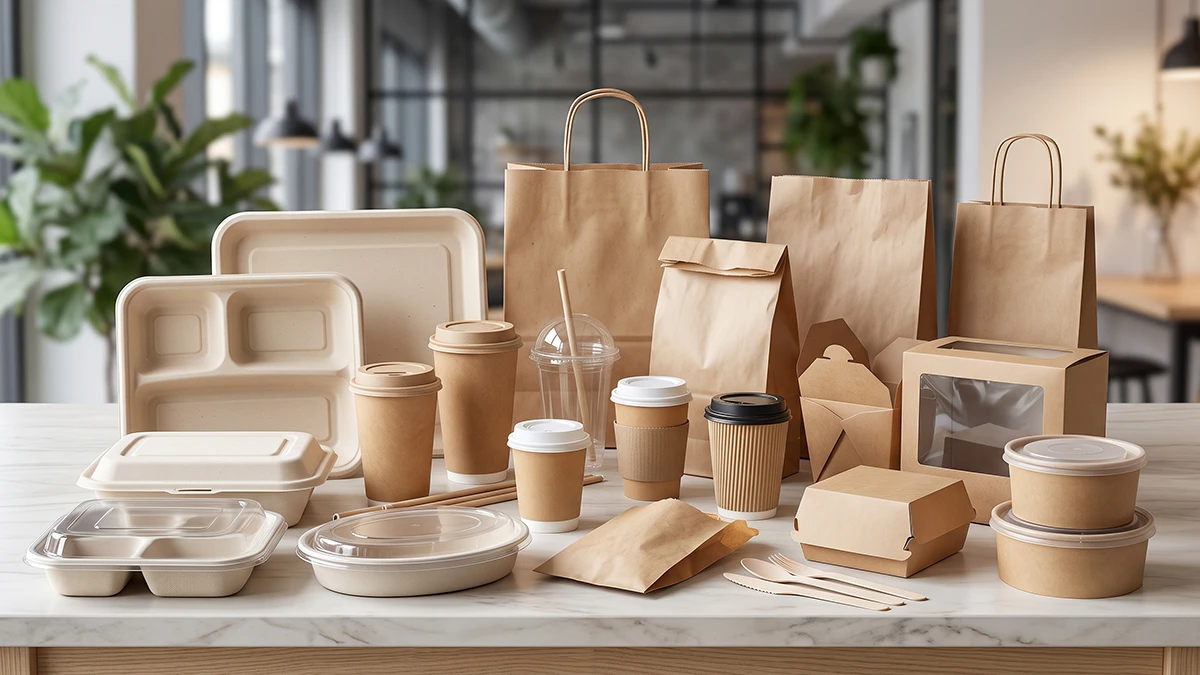
Bagasse food boxes offer a practical, sustainable solution to these pressing environmental challenges. Made from the fibers of sugarcane, bagasse is a byproduct of the sugar production process. Once sugar has been extracted from sugarcane, the leftover fibers can be processed into strong, durable packaging materials. Unlike plastic, bagasse is completely biodegradable and compostable, breaking down naturally over time and leaving no toxic residues behind.
1. Biodegradable and Compostable:
Bagasse food boxes are designed to break down quickly and safely in landfills or composting facilities. Within a few months, bagasse packaging will degrade naturally, unlike plastics, which remain in the environment for centuries. This makes bagasse a highly sustainable option that reduces the long-term impact of packaging waste.
2. Renewable Resource:
Unlike petroleum-based plastics, bagasse comes from sugarcane, a renewable resource that is grown annually. This means that the raw material for bagasse packaging is sustainably produced, making it an environmentally responsible alternative to traditional packaging materials.
3. Strong and Protective:
Bagasse food boxes are not only environmentally friendly but also durable and effective at protecting food. Their sturdy design makes them resistant to grease, moisture, and heat, ensuring that food stays fresh during transport. This makes them ideal for hot, greasy, or moist foods, such as soups, curries, and fried dishes. Bagasse boxes can also be used for cold foods like salads, sandwiches, and desserts, offering versatility for different types of takeout.
4. Aesthetic and Functional Design:
Bagasse packaging is available in a variety of shapes and sizes, offering custom solutions for restaurants, food trucks, and delivery services. They can be molded into compartments, stacked, and sealed for efficient delivery. The natural, rustic appearance of bagasse also aligns with the growing trend of eco-conscious consumerism, appealing to customers who prefer sustainable, attractive packaging.
5. Consumer Demand for Sustainability:
As consumers become increasingly aware of the environmental impacts of their purchasing decisions, demand for sustainable products is on the rise. Bagasse food boxes allow restaurants and delivery services to cater to this growing market by offering a packaging solution that aligns with sustainability goals. By adopting biodegradable packaging, businesses can differentiate themselves in the market, enhance their brand image, and attract eco-conscious consumers.
The Impact of Bagasse Food Boxes on Businesses
1. Eco-Friendly Branding:
Brands that adopt sustainable packaging, such as bagasse food boxes, can build a positive reputation as environmentally responsible businesses. This not only boosts customer loyalty but also positions companies as leaders in sustainability within the foodservice and delivery sectors. As consumers become more concerned with the environmental impact of their purchases, businesses that prioritize eco-friendly solutions can stand out in a crowded marketplace.
2. Compliance with Environmental Regulations:
Many countries and cities are increasingly implementing regulations to reduce plastic waste and promote sustainability. By switching to bagasse food boxes, businesses can stay ahead of these regulations and avoid potential fines or penalties associated with plastic waste. In some regions, there are even incentives or subsidies available for businesses that adopt environmentally friendly packaging solutions.
3. Cost Considerations:
While bagasse food boxes may initially be more expensive than plastic packaging, the long-term environmental benefits often outweigh the costs. Additionally, the growing demand for sustainable products means that the cost of producing bagasse packaging is likely to decrease as production processes become more efficient. The switch to bagasse packaging can also lead to reduced waste disposal costs and help businesses enhance their sustainability credentials, which could lead to greater consumer demand.
Challenges of Bagasse Packaging
Despite the many advantages, there are some challenges to adopting bagasse food boxes. One issue is that they require proper disposal methods to ensure that they biodegrade as intended. Businesses must educate consumers on the benefits of composting and how to properly dispose of bagasse packaging.
Another potential challenge is the cost. Bagasse food boxes can be more expensive than traditional plastic or Styrofoam packaging, which can be a concern for small businesses or food vendors operating on tight budgets. However, the long-term environmental savings, coupled with the growing demand for sustainable products, make bagasse packaging a worthwhile investment for many businesses.
Conclusion
Bagasse food boxes offer a sustainable and effective solution for takeout and delivery services that are looking to reduce their environmental impact. Made from renewable, biodegradable sugarcane fibers, bagasse is a strong and compostable alternative to traditional plastic packaging. By switching to bagasse, businesses can enhance their brand image, comply with environmental regulations, and cater to the increasing demand for sustainable solutions in the foodservice industry.