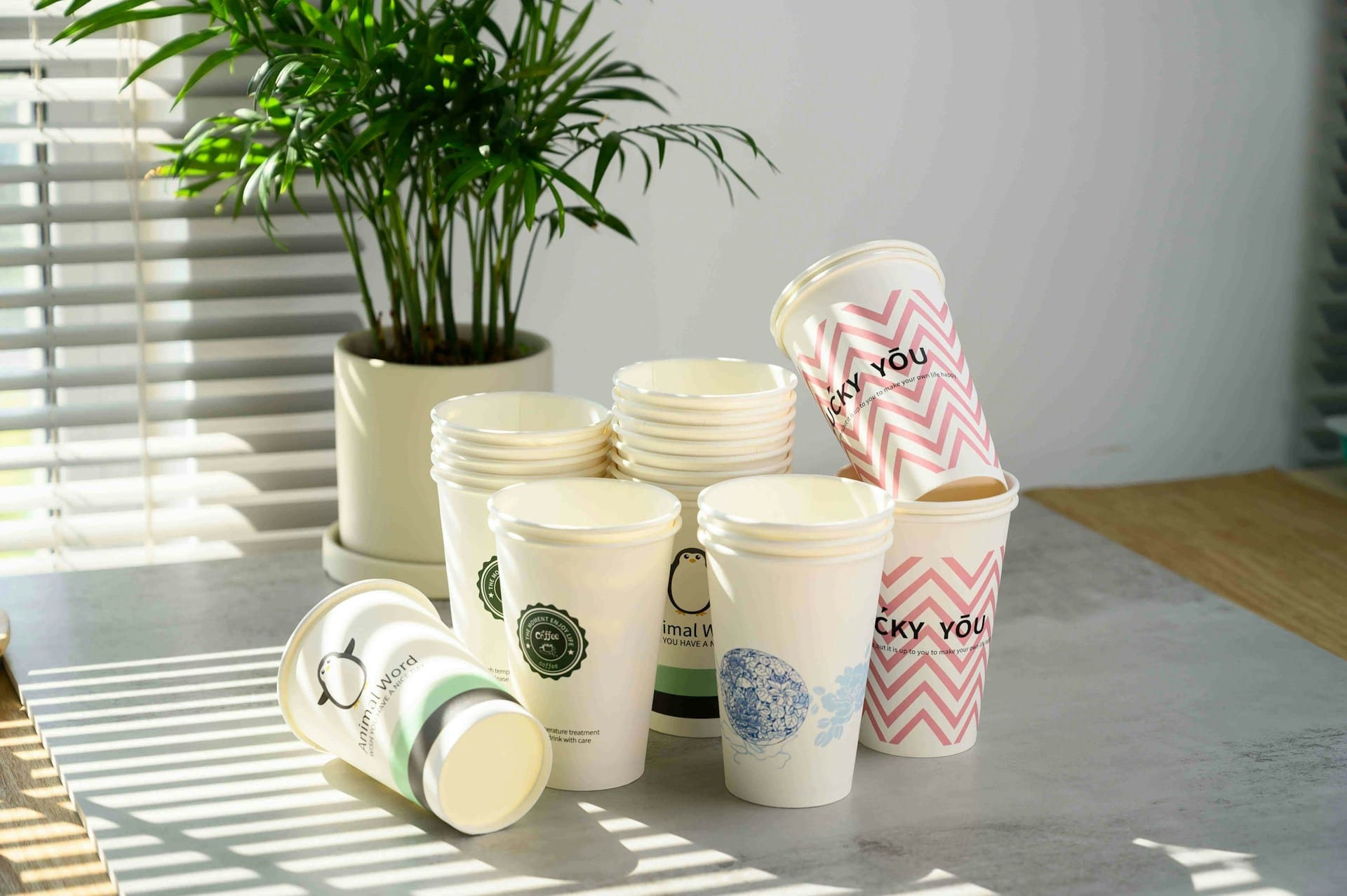
Hey everyone! Ever wondered about the sheer variety of disposable cups out there? I have, and as someone at Reliancepak, I’ve spent a good amount of time researching and understanding the ins and outs of these everyday essentials. It’s more than just paper vs. plastic; it’s about choosing the right cup for the right job, considering everything from environmental impact to heat resistance. So, let’s dive in!
Why So Many Disposable Cups? A Quick Intro
Disposable cups are everywhere – from your local coffee shop to office water coolers. Their convenience is undeniable. But with so many options, making the right choice can feel overwhelming. We’ll explore the major types, their benefits, and when to use each.
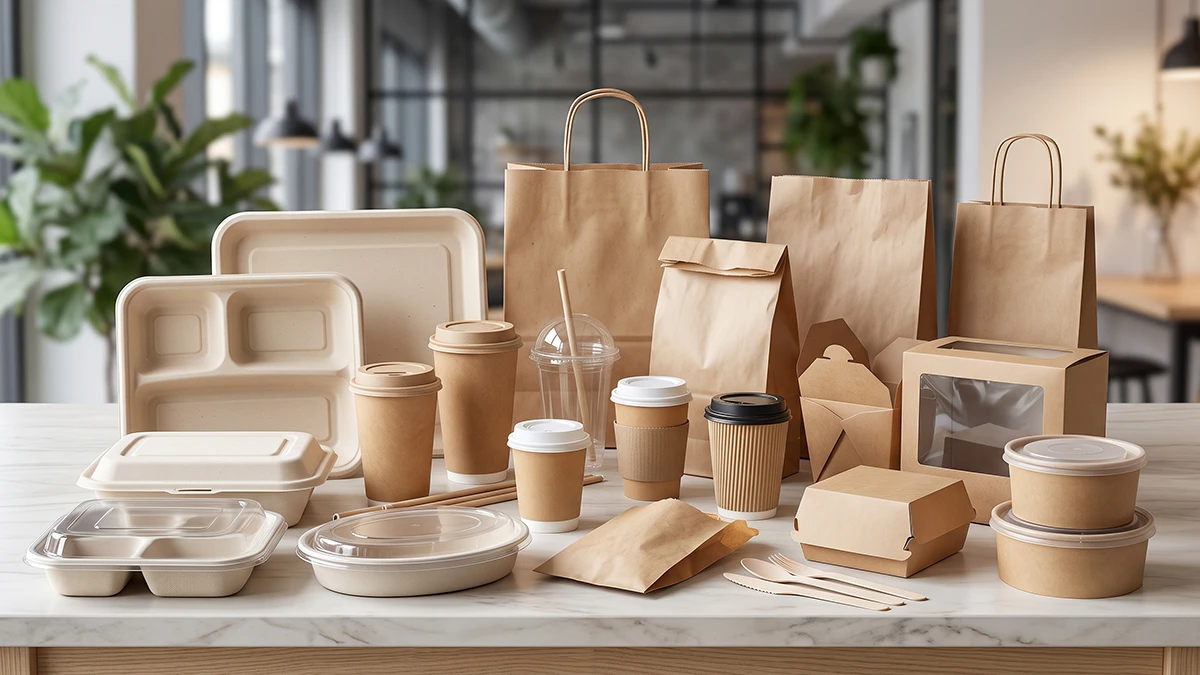
Paper Cups: The Classic Choice
What are paper cups made of?
These cups are typically made from paperboard coated with either wax or plastic (like polyethylene). The coating prevents liquids from seeping through.
What are paper cups typically used for?
- Hot beverages: Coffee, tea, hot chocolate.
- Water coolers: A standard for office environments.
- Events: Parties, conferences, where easy cleanup is a must.
Are paper cups eco-friendly?
That’s a loaded question! Some paper cups are recyclable, especially those with a thin plastic lining or compostable if they have a plant-based lining. However, recyclability depends on your local facilities. Always check your local guidelines!
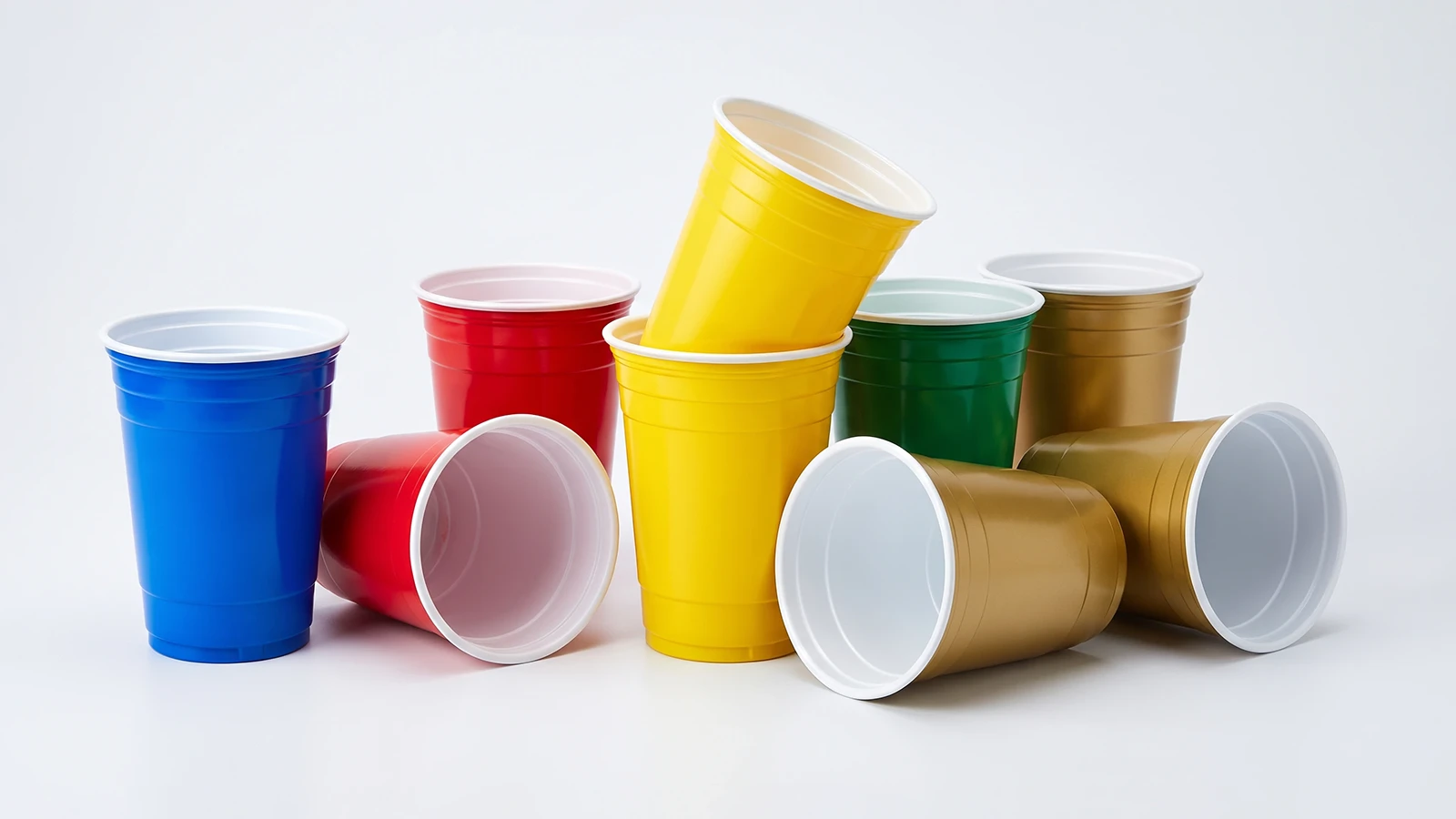
Plastic Cups: Versatile and Durable
What are plastic cups made of?
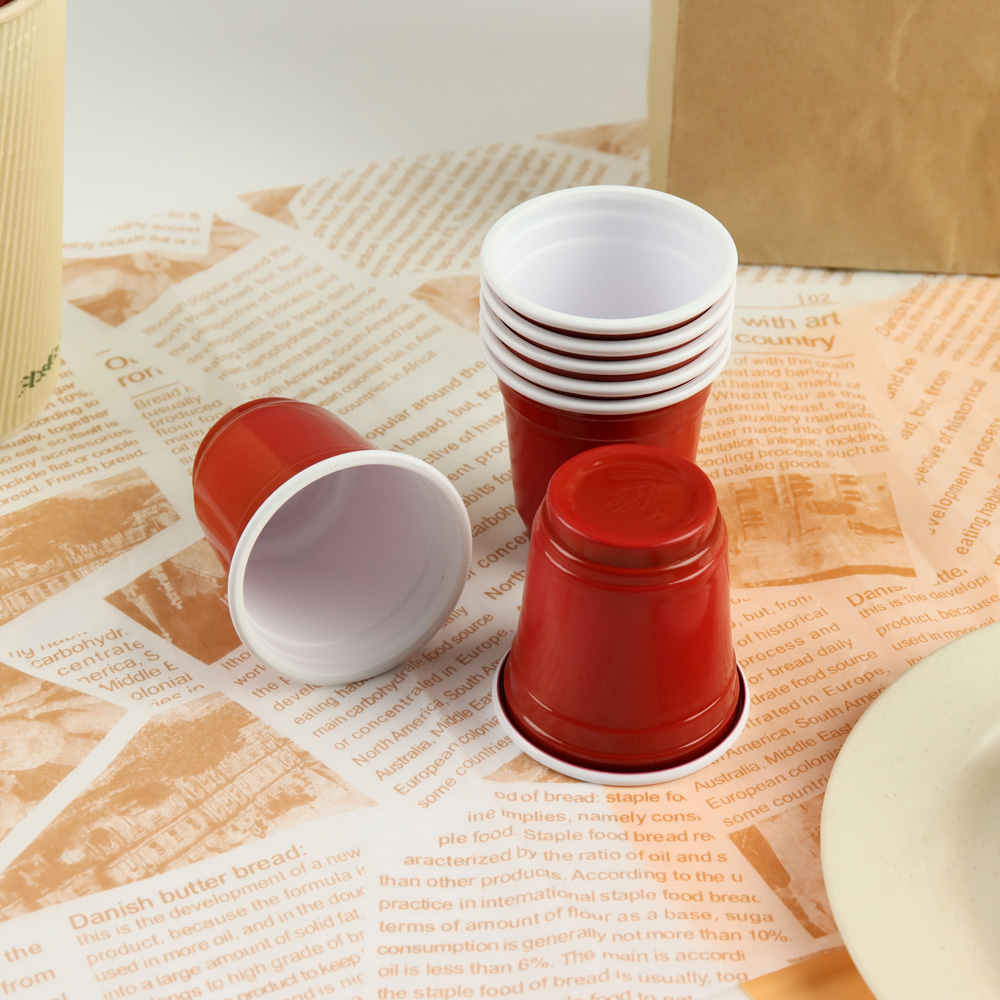
Plastic cups are usually made from materials like polystyrene (PS), polypropylene (PP), or polyethylene terephthalate (PET). Each has slightly different properties.
What are plastic cups typically used for?
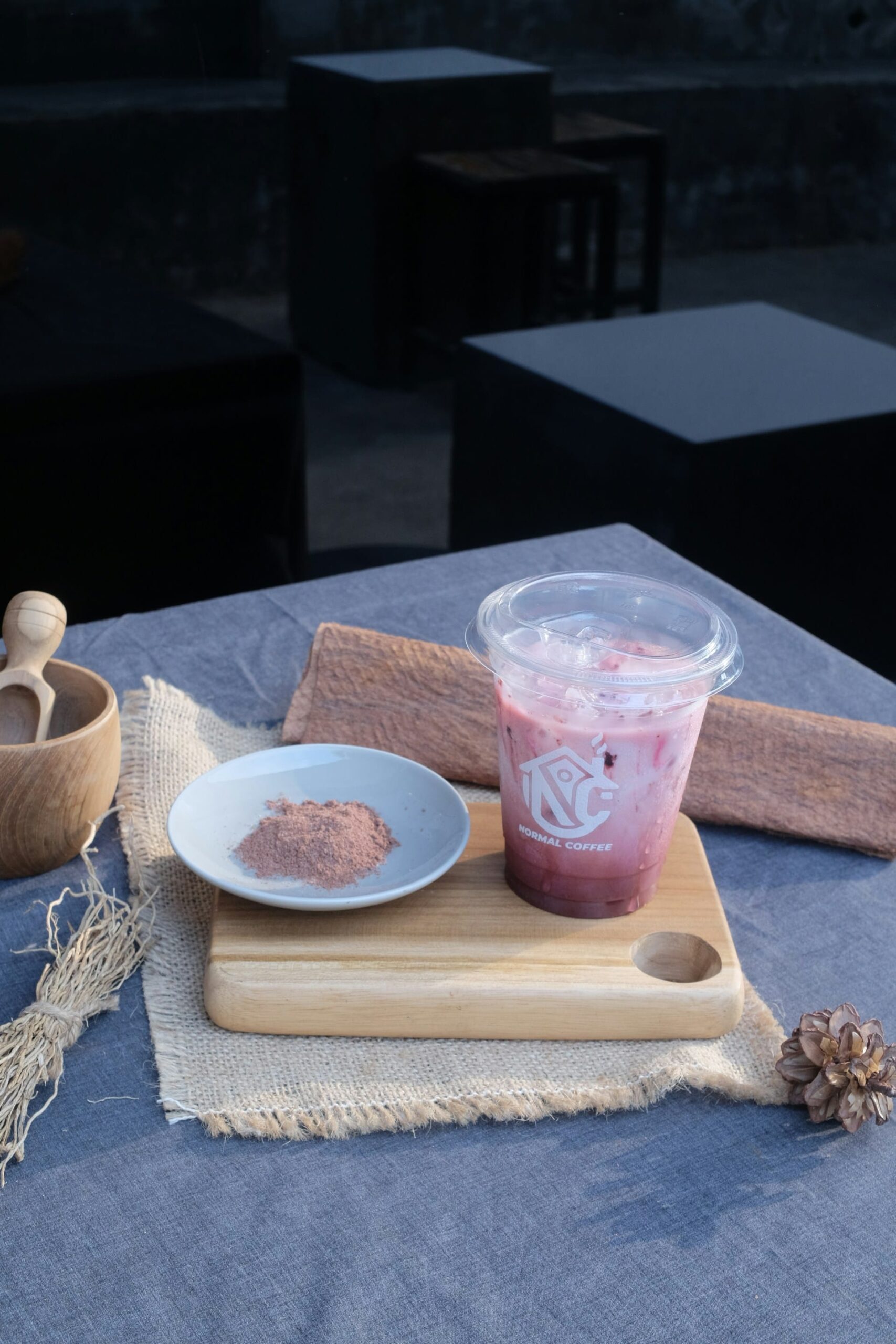
- Cold drinks: Soda, juice, iced coffee.
- Parties and events: They’re durable and often reusable (to a degree).
- Stadiums and concerts: Their shatter-resistant nature makes them ideal.
Are plastic cups recyclable?
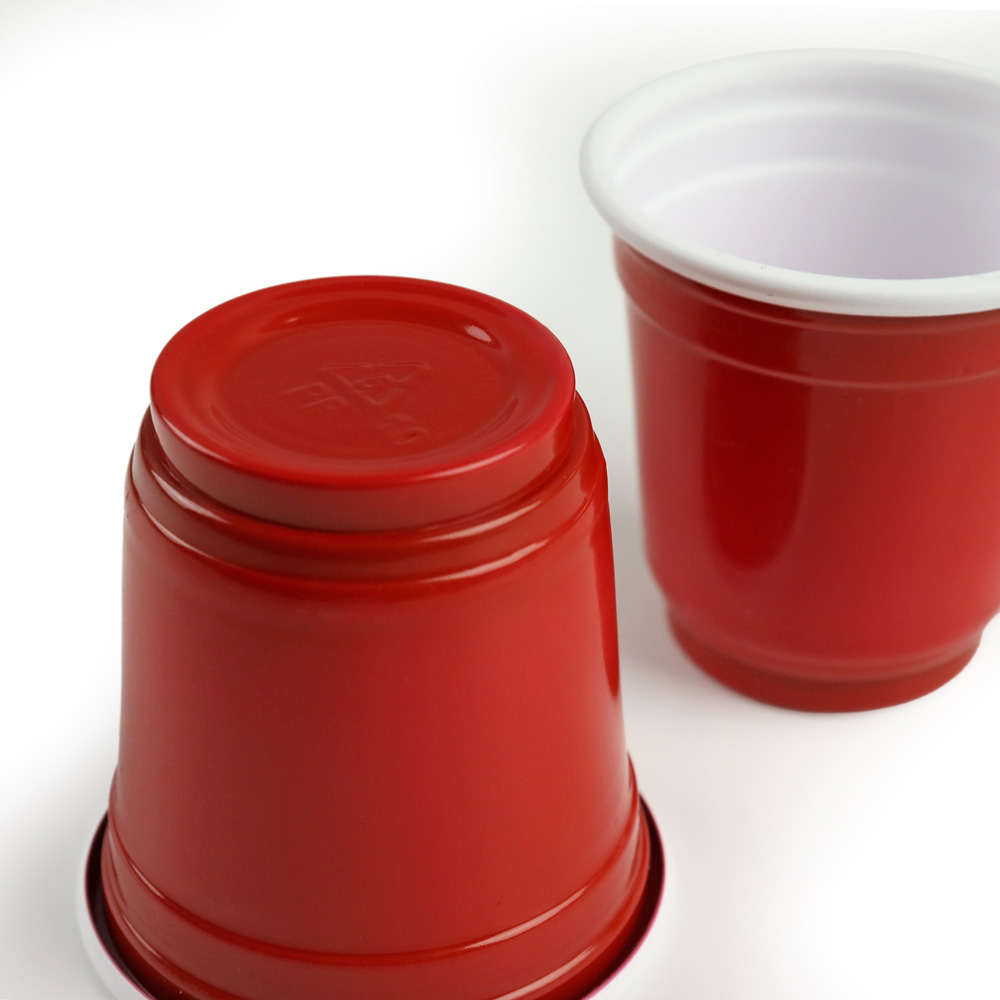
Again, it depends! PET (#1) and PP (#5) are often recyclable, but PS (#6) (Styrofoam) is notoriously difficult to recycle in many areas. Look for the recycling symbol on the bottom of the cup.
Foam Cups: The Insulated Option (Polystyrene)
What are foam cups made of?
Foam cups are almost always made of expanded polystyrene (EPS), commonly known as Styrofoam.
What are foam cups typically used for?
- Hot drinks: Excellent insulation to keep drinks hot and hands cool.
- Takeout: Common for soups and other hot foods.
Are foam cups eco-friendly?
Unfortunately, foam cups are generally not considered environmentally friendly. They are difficult to recycle, and polystyrene can persist in the environment for a very long time.
PLA Cups: The Plant-Based Alternative
What are PLA cups made of?
PLA stands for polylactic acid. It’s a plastic derived from renewable resources like cornstarch or sugarcane.
What are PLA cups typically used for?
- Cold drinks: They are not suitable for hot liquids as they can deform.
- Eco-conscious businesses: A popular choice for cafes and restaurants aiming to reduce their environmental impact.
Are PLA cups compostable?
Yes, BUT… they are only compostable in commercial composting facilities. They won’t break down in your backyard compost bin. Make sure your local facility accepts PLA.
A Quick Comparison Table
Here’s a summary to help you visualize the differences:
| Feature | Paper Cups | Plastic Cups | Foam Cups (Polystyrene) | PLA Cups |
|---|---|---|---|---|
| Material | Paperboard with coating | PS, PP, PET | Expanded Polystyrene (EPS) | Polylactic Acid (PLA) |
| Best For | Hot beverages, water | Cold drinks | Hot drinks, insulation | Cold drinks, eco-conscious use |
| Recyclable? | Sometimes, check local rules | Often PET & PP, rarely PS | Very rarely | Commercially compostable |
| Heat Resistance | Good | Varies by plastic type | Excellent | Poor |
| Environmental Impact | Varies, depends on coating | Varies, PS is problematic | High | Lower, if composted correctly |
Choosing the Right Cup: Key Considerations
Okay, now that we know the main types, how do you actually choose the right one? Here are some factors I consider at Reliancepak, and what you should too:
- What will you be serving? Hot or cold? This is the biggest factor.
- What’s your budget? Prices vary significantly.
- What are your environmental goals? Do you prioritize recyclability or compostability?
- What’s the setting? A formal event might warrant a different cup than a casual picnic.
- Durability: How long does the cup need to hold the beverage?
Beyond the Basics: Other Types of Disposable Cups
While we’ve covered the main categories, here are a few other disposable cup options you might encounter:
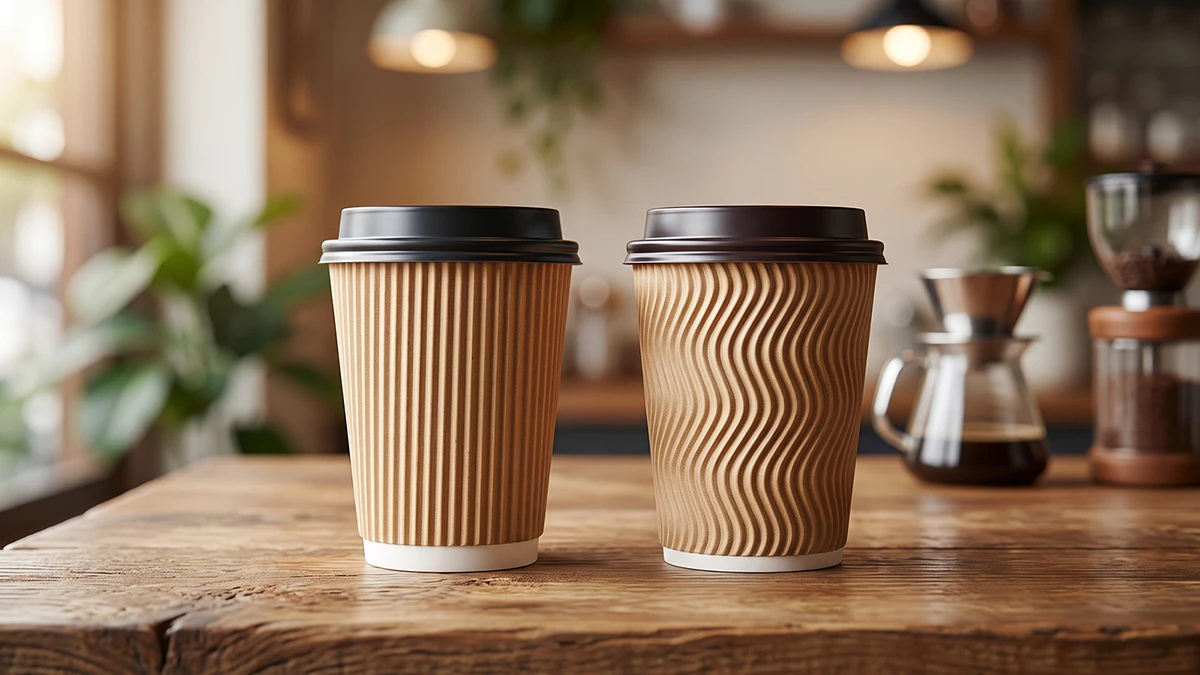
- Double-walled cups: These offer extra insulation for hot drinks and prevent condensation with cold drinks.
- Ripple cups: Similar to double-walled, but with a textured exterior for better grip and insulation.
- Lined paper cups: Some paper cups use alternative linings to plastic, like plant-based coatings.
- Biodegradable Cups: These are made from materials that can break down naturally, but the time it takes can vary.
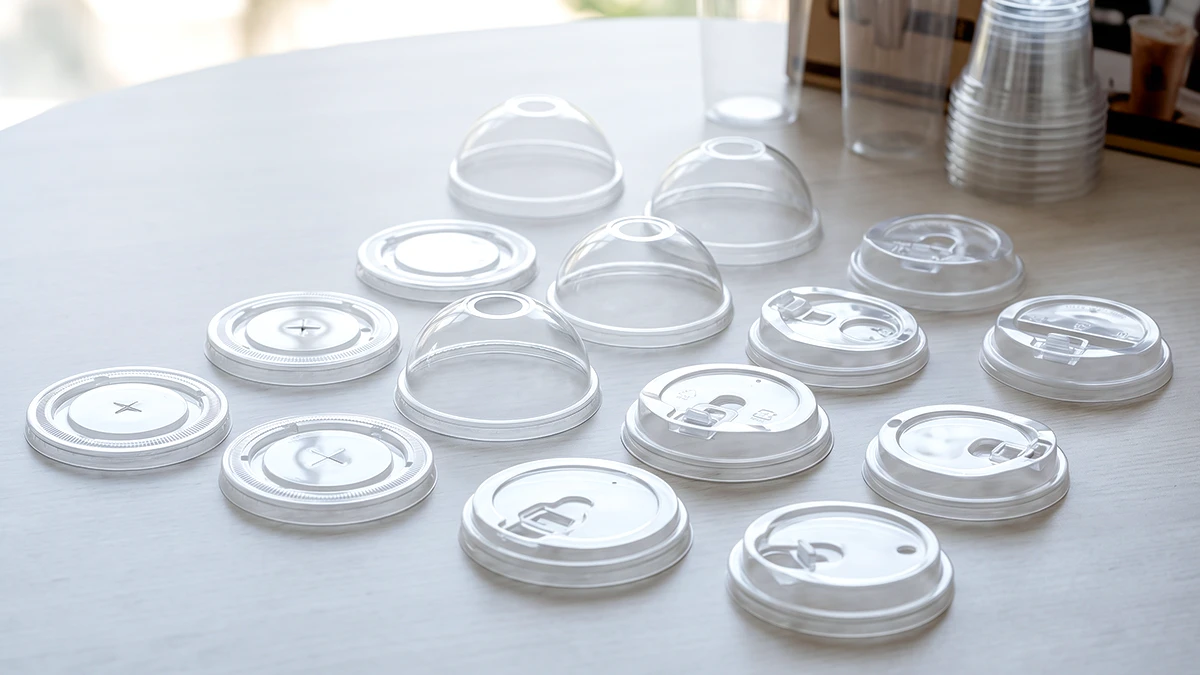
Disposable Cup Lids: A Crucial Component
Let’s not forget the lids! The type of lid is just as important as the cup itself.
- Plastic Lids: Commonly made from polystyrene or polypropylene. Durable and offer a tight seal.
- Paper Lids: An eco-friendly alternative to plastic lids, typically made from recycled paperboard.
- PLA Lids: Compostable lids made from polylactic acid, designed for use with PLA cups.
Make sure the lid you choose is compatible with the cup you’re using to prevent leaks and spills.
The Future of Disposable Cups: What’s Next?
The world of disposable cups is constantly evolving, with new materials and technologies emerging all the time. The focus is increasingly on sustainability, with manufacturers exploring innovative ways to reduce the environmental impact of these products.
Reliancepak and the Disposable Cup Market
At Reliancepak, we’re committed to providing our customers with a wide range of high-quality disposable cup options to suit their needs. We carefully select our materials and manufacturing processes to minimize our environmental footprint while ensuring the performance and reliability of our products. We believe in offering choices, so you can make informed decisions that align with your values and requirements. Whether you’re looking for paper cups, plastic cups, or eco-friendly alternatives, we’ve got you covered.
FAQs About Disposable Cups
Are all disposable cups bad for the environment?
Not necessarily. Some disposable cups are made from sustainable materials1 like paper or PLA, which can be recycled or composted. However, it’s essential to choose the right type of cup and dispose of it properly to minimize its environmental impact.
Can I reuse disposable cups?
While disposable cups are designed for single-use, some types, such as plastic cups made from durable materials like polypropylene (PP), can be washed and reused a few times. However, it’s essential to inspect the cups for any signs of damage or wear before reusing them.
Where can I buy disposable cups in bulk?
You can buy disposable cups in bulk from various suppliers, including online retailers, restaurant supply stores, and wholesale distributors. At Reliancepak, we offer competitive pricing on bulk orders of disposable cups to help you save money.
Final Thoughts
Choosing the right disposable cup might seem like a small decision, but it can have a big impact. By understanding the different types of cups available and their properties, you can make informed choices that benefit both your business and the environment. I hope this guide has been helpful! Let me know if you have any other questions!
- Exploring sustainable materials can guide you in selecting eco-friendly options that reduce environmental harm. ↩︎