

Sushi trays are vital for showcasing sushi’s vibrant colors and delicate presentation, but traditional plastic trays contribute to environmental harm, clogging landfills and oceans. As sustainability becomes a global focus, restaurants are turning to eco-friendly disposable sushi trays to reduce their footprint. These trays, crafted from renewable materials like sugarcane bagasse, PLA (polylactic acid), and natural fibers, offer a greener alternative that doesn’t sacrifice style or function. They decompose naturally, align with plastic ban regulations, and appeal to eco-conscious diners. In this blog, we’ll guide you through the world of eco-friendly sushi trays, exploring their materials, benefits, and challenges. We’ll also highlight how Reliancepak delivers sustainable, high-quality trays to help restaurants go green. Join us to discover how these trays can transform your sushi service while protecting the planet!
What Are Eco-Friendly Disposable Sushi Trays?
Eco-friendly disposable sushi trays are designed to minimize environmental damage compared to conventional plastic trays. Made from renewable or biodegradable materials, they break down naturally, often in commercial composting facilities, leaving minimal waste. These trays maintain the aesthetic appeal needed for sushi presentation while supporting sustainability goals. Popular materials include sugarcane bagasse, PLA, and natural fibers like bamboo or wheat straw. They’re ideal for restaurants seeking to reduce their carbon footprint without compromising on quality. For instance, 61% of diners prioritize sustainability when choosing restaurants (National Restaurant Association), making these trays a smart business move. Reliancepak offers a range of eco-friendly trays, certified for food safety and customizable to reflect your brand. By choosing these trays, restaurants can contribute to a cleaner environment while meeting customer expectations for green practices.
Why Are They Important?
The environmental toll of plastic is staggering—35.7 million tons of plastic waste were generated in the U.S. in 2018 alone (EPA). Plastic trays can take centuries to decompose, polluting ecosystems. Eco-friendly trays address this by using materials that degrade in months, reducing landfill burden. They also align with consumer demand, as 57% of people are willing to change habits for sustainability (IBM, 2021). For restaurants, adopting these trays shows a commitment to the planet, enhancing brand reputation.
How Do They Work?
Eco-friendly trays decompose through composting or biodegradation. Compostable trays, like those made from PLA, require industrial facilities with high heat and moisture to break down within 180 days. Biodegradable options, like bamboo, may degrade in natural environments over time. Proper disposal is key to maximizing their benefits, and Reliancepak provides guidance on local composting options to ensure effective waste management.
What Materials Are Used for Eco-Friendly Sushi Trays?
Eco-friendly sushi trays are made from a variety of sustainable materials, each offering distinct advantages for restaurants and the environment. These materials are renewable, compostable, or biodegradable, making them a responsible choice for eco-conscious businesses.
Sugarcane Bagasse Trays
Sugarcane bagasse is the fibrous residue left after extracting juice from sugarcane, a byproduct abundant in countries like Brazil and India. This waste-turned-resource creates sturdy, oil-resistant trays suitable for hot or cold sushi. Bagasse trays are microwave-safe and compostable, breaking down in 90–180 days in industrial facilities. Their rustic, natural look adds charm to sushi presentation, appealing to casual dining settings. They’re also cost-competitive, making them accessible for budget-conscious restaurants.
PLA (Polylactic Acid) Trays
PLA, a bioplastic derived from fermented plant starch (usually corn or sugarcane), is prized for its transparency, perfect for showcasing sushi in takeout or catering. PLA trays are BPI-certified compostable, decomposing in commercial facilities within 180 days. They’re less heat-resistant than bagasse, warping above 104°F, but their sleek design suits modern aesthetics. Reliancepak’s PLA trays combine clarity with food safety, meeting FDA and EU standards.
Bamboo and Other Natural Fibers
Bamboo, palm leaves, and wheat straw offer sustainable alternatives. Bamboo is fast-growing, renewable, and biodegradable, with a woody texture that elevates presentation. Palm leaves and wheat straw, byproducts of agriculture, reduce waste by repurposing materials. These trays are compostable and add a unique, earthy aesthetic to sushi service, ideal for eco-focused brands.
Material Comparison Table
| Material | Source | Compostable | Heat Resistance | Clarity | Cost per Tray |
|---|---|---|---|---|---|
| Sugarcane Bagasse | Sugarcane waste | Yes | High | Low | $0.25–$0.50 |
| PLA | Corn starch | Yes (industrial) | Medium | High | $0.30–$0.60 |
| Bamboo | Bamboo plant | Yes | High | Low | $0.40–$0.70 |
| Palm Leaves | Palm oil waste | Yes | Medium | Low | $0.20–$0.45 |
| Wheat Straw | Wheat stems | Yes | Medium | Low | $0.20–$0.40 |
The above data is estimated and for reference only.
Why Choose Eco-Friendly Sushi Trays?
Eco-friendly sushi trays provide compelling benefits that extend beyond environmental responsibility, impacting customer perception and regulatory compliance.
Environmental Impact
Plastic trays contribute to pollution, with millions of tons ending up in landfills or oceans annually. Eco-friendly trays, like bagasse or PLA, decompose in months, significantly reducing waste. By using renewable materials, they lower dependence on fossil fuels, cutting greenhouse gas emissions. This supports global sustainability goals1, such as reducing carbon footprints in the food service industry, which generates 8% of global emissions (UNEP).
Consumer Appeal
Today’s diners prioritize sustainability—78% value eco-friendly practices when dining out (Nielsen, 2020). Eco-friendly trays signal a restaurant’s commitment to the planet, fostering loyalty among green-minded customers. They also enhance social media appeal, as sustainable packaging encourages diners to share their meals online, boosting visibility.
Regulatory Compliance
Single-use plastic bans are spreading, from the EU to cities like Seattle and San Francisco. Eco-friendly trays ensure compliance, avoiding fines or restrictions. Some regions offer tax incentives or waste reduction rebates for compostable packaging, providing financial benefits for restaurants adopting these trays.
How Do Eco-Friendly Trays Benefit Restaurant Operations?
Eco-friendly trays aren’t just good for the planet—they streamline restaurant operations and enhance efficiency.
Practicality and Performance
These trays perform as well as plastic, handling wet or greasy sushi without leaking. Sugarcane bagasse trays are sturdy for in-house dining, while PLA trays with clear lids are ideal for takeout, showcasing sushi’s colors. Bamboo trays add a premium touch for catering events, ensuring versatility across dining scenarios.
Cost Considerations
Eco-friendly trays may cost slightly more—$0.25–$0.60 per tray compared to $0.20–$0.50 for plastic—but their benefits outweigh the expense. Increased customer loyalty, regulatory incentives, and reduced waste management costs create long-term savings. Reliancepak offers competitive pricing to make sustainable trays accessible.
Operational Efficiency
In areas with composting programs, these trays simplify waste management by diverting waste from landfills. Restaurants can integrate composting into their operations, enhancing their sustainability profile and reducing disposal costs. Reliancepak’s trays are designed for easy stacking and storage, saving kitchen space.
How Does Reliancepak Support Eco-Friendly Packaging?
Reliancepak is a trusted partner for restaurants seeking sustainable sushi tray solutions, combining quality with environmental responsibility.
Sustainable Product Range
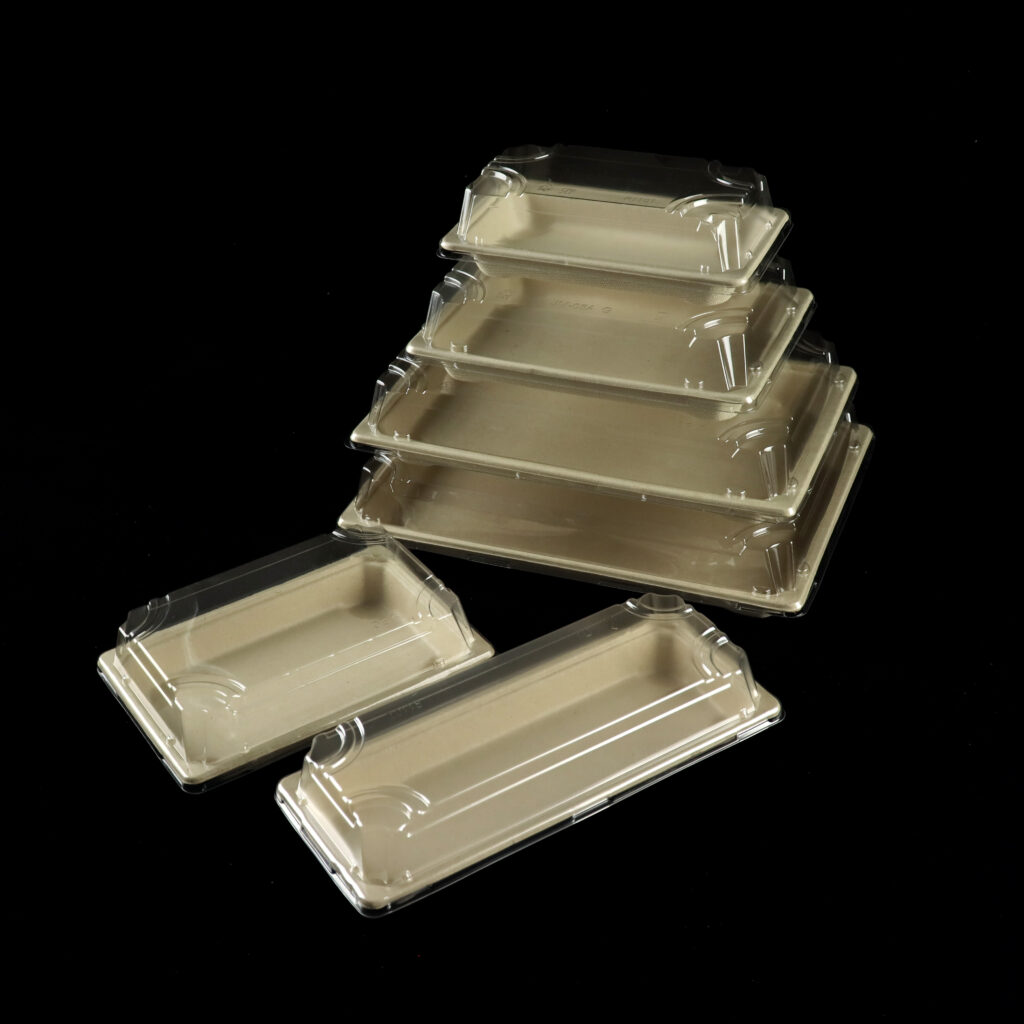
Reliancepak offers trays made from sugarcane bagasse, PLA, and bamboo, all certified compostable by BPI or similar standards. These trays meet FDA and EU food safety requirements, ensuring no harmful chemicals leach into food. Their range caters to various restaurant types, from casual to upscale.
Customization for Branding
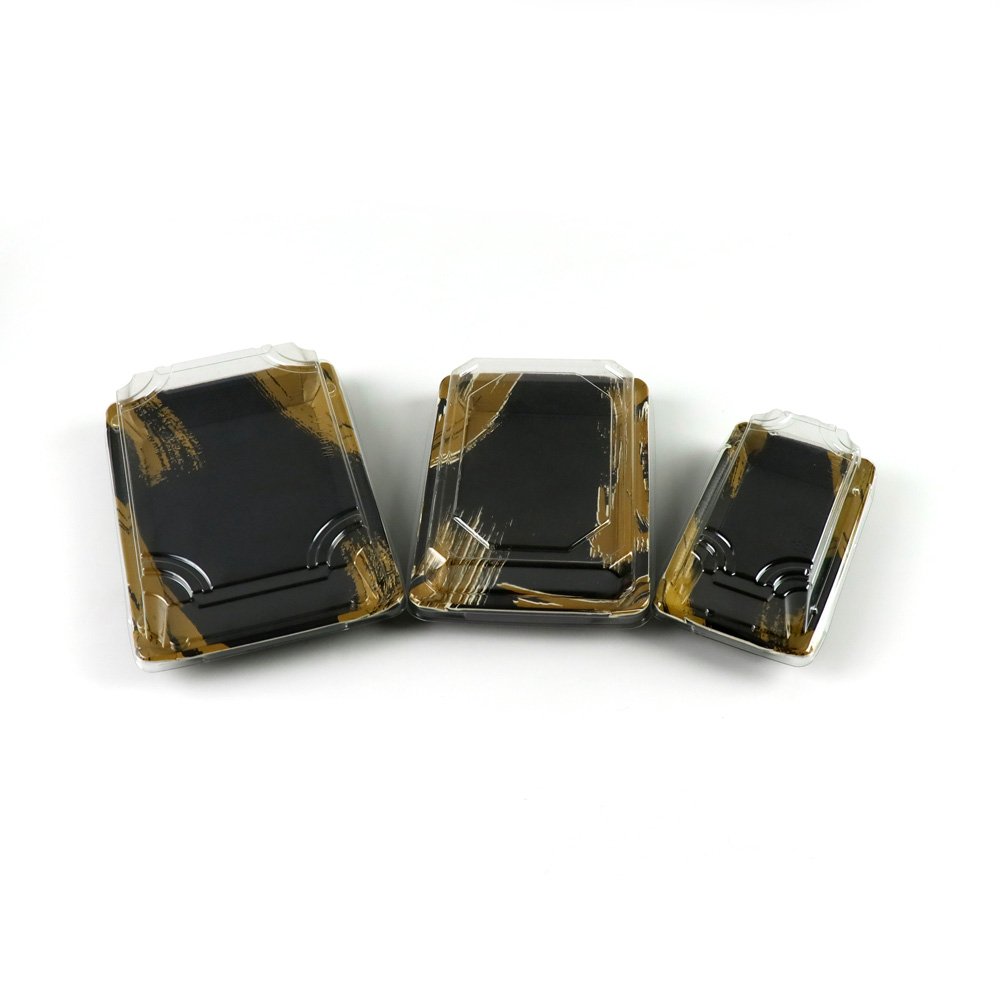
Reliancepak allows restaurants to customize trays with logos, colors, or designs, reinforcing brand identity. This not only enhances the dining experience but also highlights a commitment to sustainability, resonating with eco-conscious diners. Customized trays can turn packaging into a marketing tool.
Fast Delivery and Support
With nine production lines, Reliancepak ensures rapid delivery to meet tight schedules, critical for busy restaurants. Their free sample program lets businesses test trays for quality and compatibility, ensuring confidence in their choice. Reliancepak’s customer support guides restaurants through the transition to eco-friendly packaging.
How Can Restaurants Choose the Right Eco-Friendly Sushi Tray?
Selecting the ideal eco-friendly sushi tray requires careful consideration of several factors to align with operational and sustainability goals.
Consider Material Properties
Match the material to your needs: sugarcane bagasse for durability, PLA for clear takeout displays, or bamboo for a premium aesthetic. Consider whether trays will be used for dine-in, takeout, or catering, and ensure they handle your menu’s demands, like wet nigiri or oily tempura.
Check Compostability Certifications
Verify certifications like BPI or EN 13432 to ensure trays are truly compostable. This guarantees they break down as promised in commercial facilities, maximizing environmental benefits. Reliancepak’s certified trays provide assurance of quality and compliance.
Evaluate Cost and Accessibility
Compare tray costs against your budget, factoring in potential savings from customer loyalty or waste reduction incentives. Check if local composting facilities accept your chosen trays, as accessibility varies by region. Reliancepak’s samples help test feasibility.
Prioritize Branding
Customized trays enhance brand visibility. Reliancepak’s design options let restaurants create trays that reflect their aesthetic, from minimalist to vibrant, while showcasing their green commitment.
What Are the Challenges of Eco-Friendly Sushi Trays?
Eco-friendly trays have drawbacks that restaurants must navigate to ensure success.
Composting Infrastructure
Compostable trays like PLA require industrial composting facilities, which aren’t available in all areas. Without proper disposal, trays may end up in landfills, negating their benefits. Restaurants must research local waste management options or educate staff on proper sorting.
Higher Initial Costs
Eco-friendly trays can cost 10–20% more than plastic, posing a challenge for budget-conscious restaurants. However, long-term benefits like customer retention and regulatory savings often justify the investment. Reliancepak’s competitive pricing helps bridge this gap.
Consumer Education
Diners may not know how to dispose of compostable trays correctly, leading to improper waste sorting. Restaurants can address this with signage, staff training, or QR codes on trays linking to disposal instructions, ensuring maximum environmental impact.
What Trends Are Shaping Eco-Friendly Sushi Trays?
The eco-friendly packaging market is dynamic, driven by consumer preferences and regulatory shifts.
Growing Demand for Sustainability
Sustainability is a top priority, with 78% of consumers valuing eco-friendly practices (Nielsen, 2020). Restaurants adopting green trays gain a competitive edge, attracting diners who prioritize environmental responsibility. This trend is reshaping the food service industry.
Innovative Materials
Emerging materials like mushroom packaging or seaweed-based films are gaining attention, though not yet widespread for sushi trays. These innovations promise even lower environmental impact. Reliancepak explores such advancements to offer cutting-edge options.
Regulatory Push
Plastic bans and composting mandates are expanding globally. The EU’s single-use plastic ban and similar U.S. city policies drive demand for eco-friendly trays. Restaurants using these trays are better prepared for future regulations, avoiding compliance issues.
Conclusion
Eco-friendly disposable sushi trays, crafted from sugarcane bagasse, PLA, bamboo, and other natural fibers, provide a sustainable alternative to plastic. They reduce waste, attract eco-conscious customers, and ensure compliance with plastic bans. Despite challenges like composting access and costs, their benefits—environmental, operational, and branding—make them a smart choice. Reliancepak offers high-quality, customizable trays that meet FDA and EU standards, with fast delivery and free samples to simplify the switch. By choosing eco-friendly sushi trays, restaurants can protect the planet while delivering stunning sushi presentations. Explore Reliancepak’s sustainable solutions today to make your restaurant greener!
- Learn about the sustainability goals that can help your business reduce its carbon footprint and improve environmental impact. ↩︎