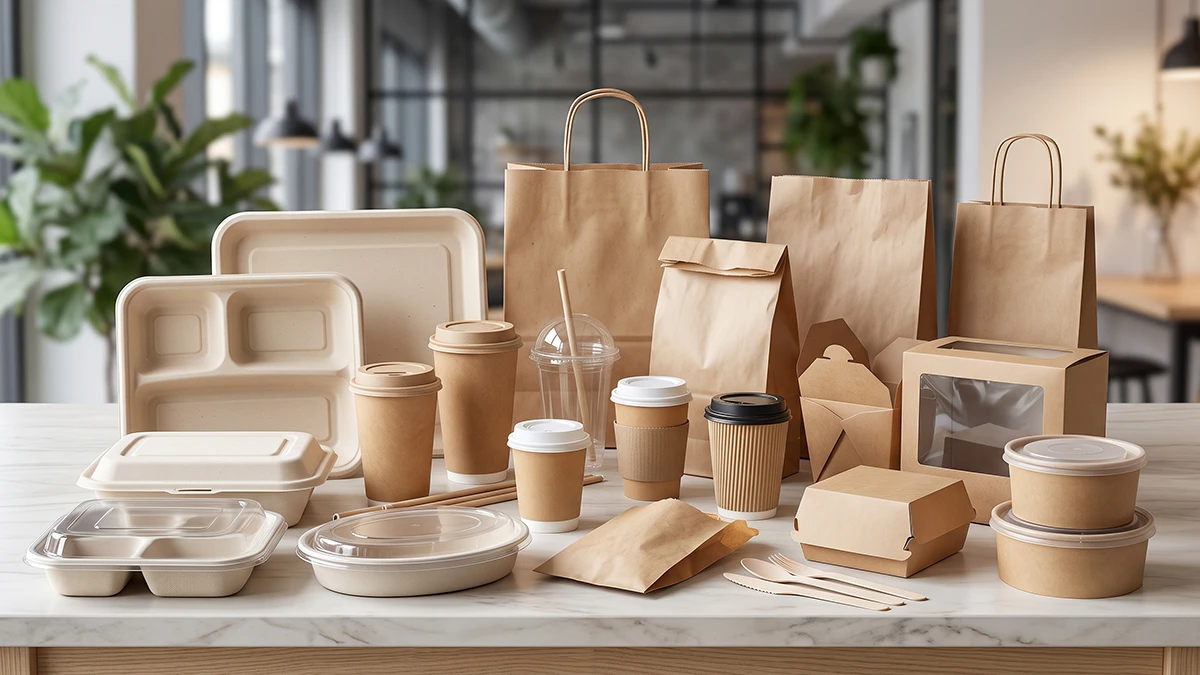
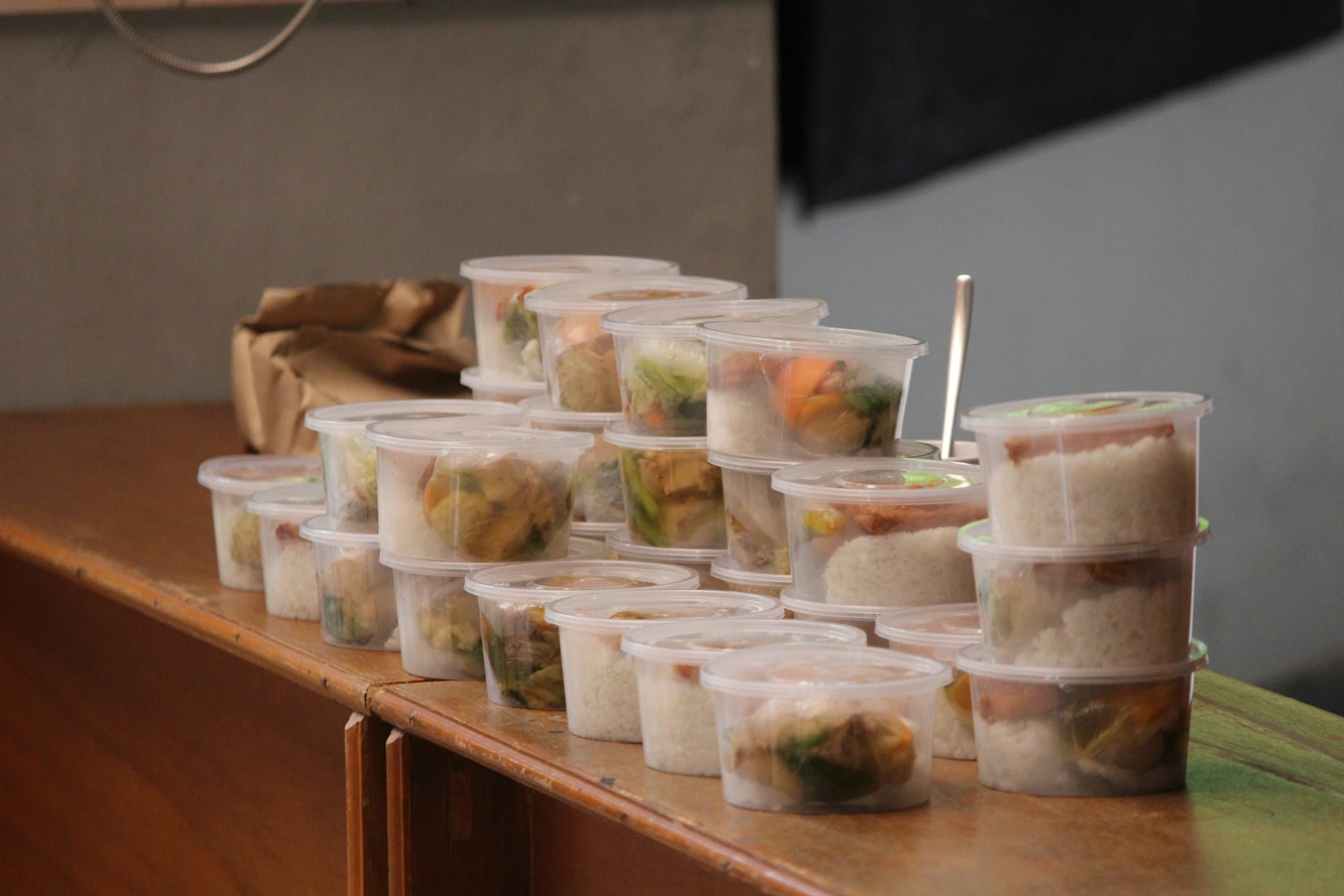
In the dynamic catering world, success relies on quality food, impeccable service, and flawless logistics. As a procurement manager, your choice of bulk disposable food containers is critical. These containers are not just for transport; they maintain food quality, ensure safety, enhance presentation, and optimize efficiency. For businesses handling large volumes, selecting the right bulk disposable food containers is a strategic decision impacting customer satisfaction and your bottom line. This guide covers key considerations for choosing wisely.
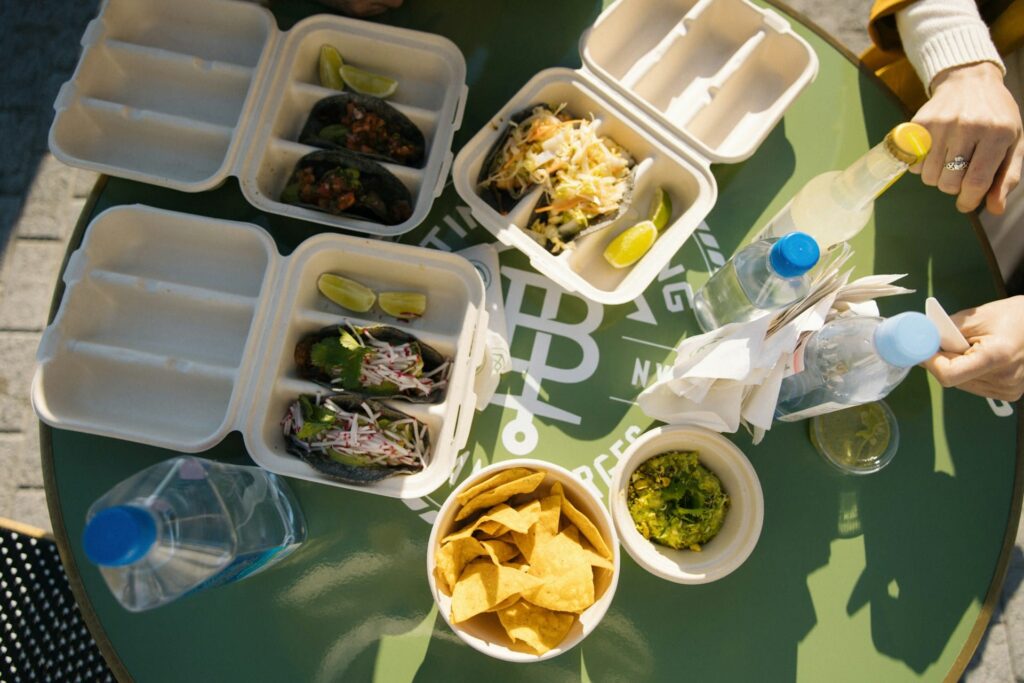
The Unsung Heroes: Why Bulk Disposable Food Containers are Crucial for Catering Operations
Consider the journey of a catered meal – from kitchen to transport, to venue, to guest. The bulk disposable food container is vital throughout this process:
- Protection & Preservation:
- Safeguards food from contamination.
- Maintains temperature (hot or cold).
- Preserves texture and appearance.
- Operational Efficiency:
- Stackable designs save storage and transit space.
- Easy-to-seal lids speed up packing.
- Brand Experience: Reliable and functional bulk disposable food containers are integral to your service promise and brand image, especially with tight schedules and demanding clients.
More Than Just a Box: Key Factors When Selecting Bulk Disposable Food Containers
Choosing the ideal bulk disposable food containers involves more than just cost. Several factors impact your service, from food safety to client perception. Here’s what to evaluate:
1. Material Matters: Matching the Container to the Cuisine
The material of your bulk disposable food containers is fundamental. Common options and their uses:
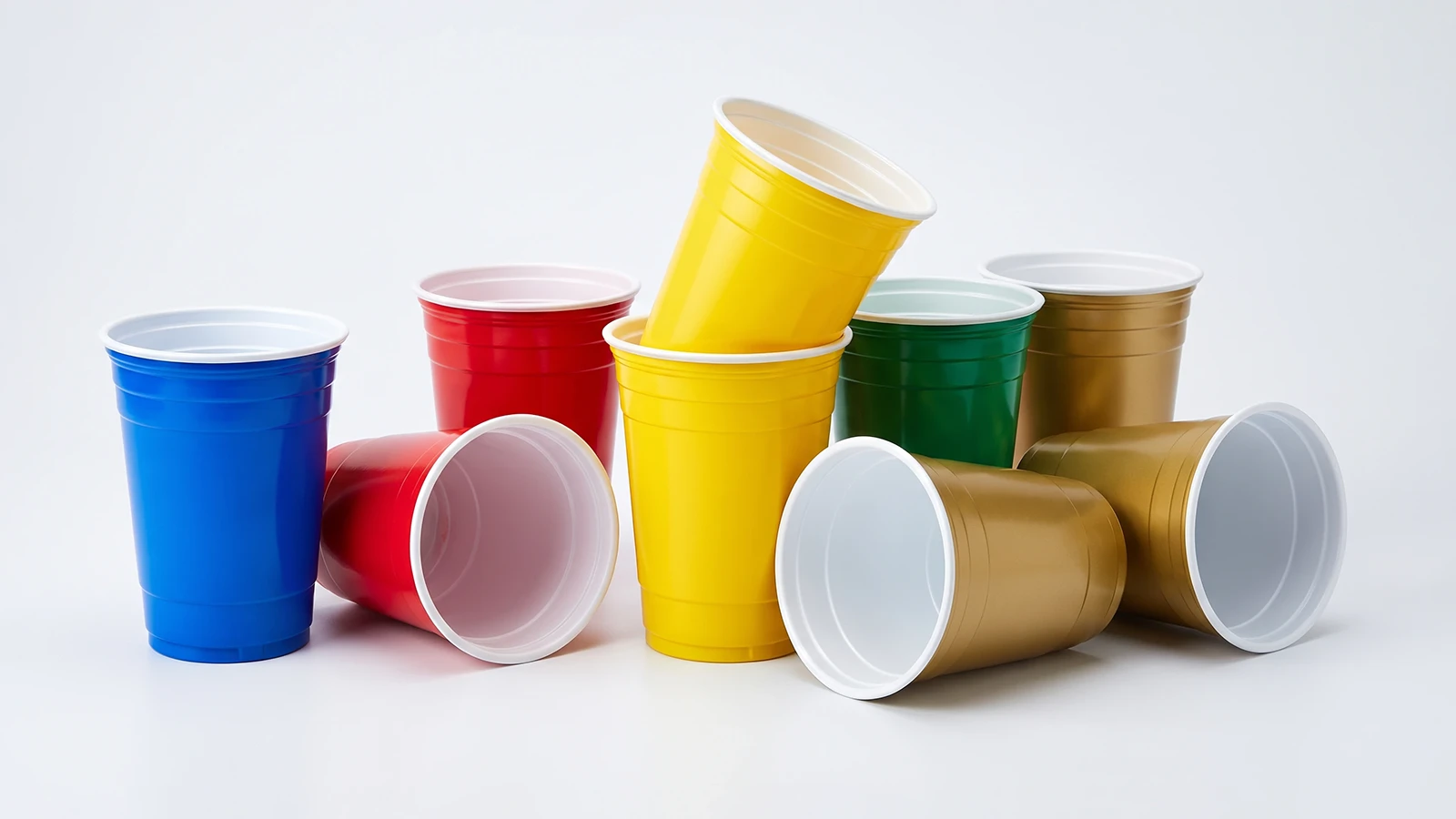
- Plastics:
- Polypropylene (PP): Heat resistant, robust (good for hot, microwavable meals).
- PET: Clear (ideal for cold foods).
- Polystyrene (PS): Lighter applications.
- Aluminum: Popular for oven-safe properties.
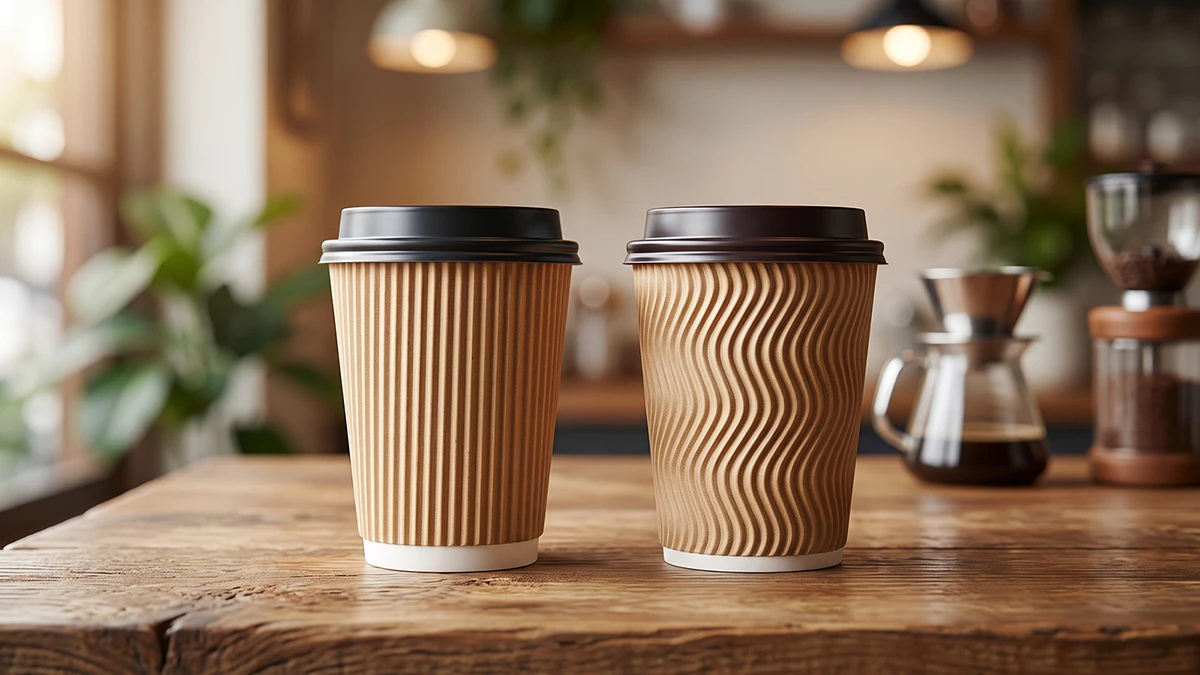
- Paper/Cardboard: Eco-friendly, often with specialized linings.
- Plant-Based:
- Bagasse (Sugarcane Fiber): Compostable, handles heat well.
- PLA (Polylactic Acid): Compostable, good for cold items.
Key Considerations for Materials:
- Match material to food type (temperature, acidity, oiliness, moisture).
- Ensure food-grade quality and certifications (FDA, EU compliance). Reliancepak prioritizes these for their bulk disposable food containers.
2. Size and Shape: Optimizing for Portions and Practicality
Catering menus are diverse, so your bulk disposable food containers must be too.
- Variety is Key: Different sizes for entrees, sides, desserts for portion control and cost management.
- Compartmentalized Containers: Useful for bento-style meals or separating items.
- Shape & Stackability: Rectangular/square containers often maximize storage due to stackability – crucial for bulk disposable food containers.
- User-Friendliness: Easy for staff to fill/seal and for consumers to open.
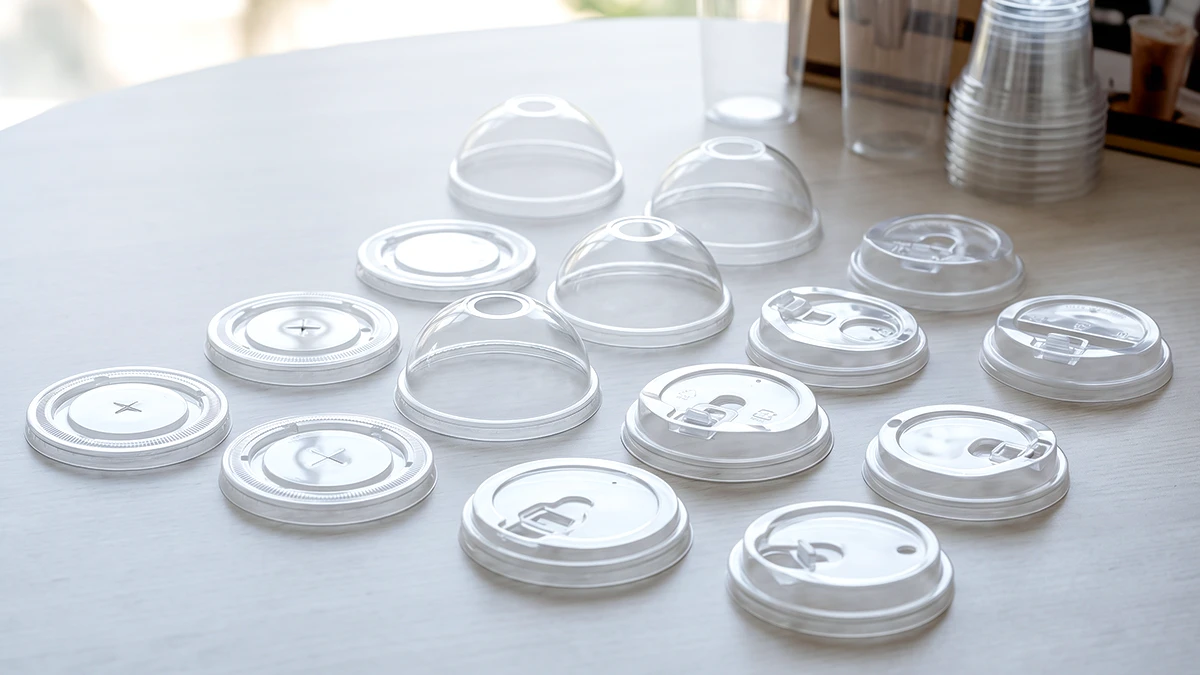
3. Lid Logic: Ensuring Secure and Leak-Proof Performance
A container’s lid is crucial for bulk disposable food containers, especially during transport.
- Primary Function: Secure seal to prevent leaks and spills.
- Lid Types: Snap-on, press-and-seal, hinged, separate dome lids.
- Considerations:
- Leak-Proof for Liquids: Essential for soups/sauces.
- Venting for Hot Foods: Allows steam to escape, preventing sogginess.
- Airtight for Freshness: For other items.
- Testing: Always test lid fit and security with your chosen bulk disposable food containers.
4. Temperature Resilience: From Freezer to Oven to Table
Catering involves diverse temperature needs. Your bulk disposable food containers must cope.
- Temperature Range: Withstand freezing, thawing, reheating (microwave/oven) without damage or leaching chemicals.
- Not all materials are equal (e.g., standard PET isn’t oven-safe; PP, aluminum, bagasse often are).
- Insulation Properties: Some materials retain heat/cold better during transit.
- Food Safety: Maintaining desired serving temperature is vital when using bulk disposable food containers.
5. Durability and Strength: Standing Up to the Rigors of Catering
Bulk disposable food containers must be robust for transport and stacking.
- Avoid Damage: Prevent cracking, bending, or crushing, which leads to food loss and bad impressions.
- Material & Design: Heavier dishes need stronger materials. Consider wall thickness and rigidity.
- Testing: Request samples (a service from suppliers like Reliancepak) to evaluate strength for your bulk disposable food containers.
The Sustainability Angle: Eco-Conscious Choices in Bulk Disposable Food Containers
Sustainable packaging is now an expectation. For catering, eco-conscious bulk disposable food containers are a smart business move.
1. Growing Demand for Greener Catering Solutions
Clients and consumers prioritize green practices.
- Client Criteria: Corporations often include environmental standards in vendor selection.
- Consumer Choice: Individuals favor businesses aligned with their eco-values.
- Market Appeal: Using recyclable or compostable bulk disposable food containers can be a key selling point.
2. Understanding Eco-Friendly Material Options
Know your sustainable choices for bulk disposable food containers:
- Recyclable: PET, PP, clean aluminum (check local facilities – see our previous article on Aluminum Foil Container recycling).
- Compostable: PLA, bagasse (verify local composting facility access).
- Recycled Content: rPET (recycled PET) helps close the plastic loop.
- Certifications: Look for BPI (compostability), FSC (paper) to verify claims. Reliancepak is expanding its eco-friendly bulk disposable food containers range.
3. Balancing Cost, Performance, and Planet
Eco-friendly bulk disposable food containers and cost:
- Narrowing Price Gap: As technology and demand grow, costs are becoming more competitive.
- Total Lifecycle Value:
- Reduced waste fees (compostable/recyclable).
- Enhanced brand reputation and loyalty.
- Continuous Improvement: Aim for viable sustainable alternatives. Reliancepak offers features like fast delivery and professional customization for products like plastic packaging trays and paper bags, alongside their bulk disposable food containers.
Smart Procurement: Tips for Sourcing Bulk Disposable Food Containers
Effective procurement of bulk disposable food containers means looking beyond unit price to total value.
1. Evaluating Suppliers: Beyond Just Price
When choosing a supplier for bulk disposable food containers:
- Reliability & Quality: Consistent product and service.
- Lead Times: Can they meet your schedules? (Reliancepak highlights fast delivery).
- Product Range: One-stop-shop potential? (Reliancepak promotes “rare products for one-stop purchase”).
- Samples: Willingness to provide free samples for testing.
- Expertise & Service: Knowledgeable advice on options, including sustainable bulk disposable food containers.
2. The Power of Bulk Purchasing
Buying bulk disposable food containers offers advantages:
- Cost Savings: Better per-unit pricing for larger orders.
- Stock Adequacy: Prevents shortages, especially during peak times.
- Inventory Management: Requires careful tracking, forecasting, and storage.
3. Customization Opportunities: Branding and Unique Needs
Your bulk disposable food containers can be a branding tool.
- Branding: Print logos or messages on containers/lids.
- Functional Customization: Specific dimensions or compartment configurations.
- Supplier Capability: Reliancepak emphasizes “professional customization1” for their bulk disposable food containers.
Comparing Container Materials for Common Catering Scenarios
This table helps select materials for bulk disposable food containers in various catering situations. Always test with your specific foods. Consult experts like Reliancepak for tailored advice.
| Catering Scenario | Recommended Container Material(s) | Key Considerations | Potential Reliancepak Solution Category |
|---|---|---|---|
| Hot Buffet Entrees (e.g., pasta, curry) | PP (Polypropylene), Bagasse, Aluminum | Heat retention, microwave-safe (PP, Bagasse), oven-safe (Aluminum, Bagasse), grease resistance | Plastic Food Containers, Eco-Friendly Containers |
| Cold Salads & Sides | PET, PLA, rPET, Paper (lined) | Clarity (PET, PLA), compostability (PLA), recyclability (PET, rPET) | Plastic Food Containers, Eco-Friendly Containers |
| Individual Meal Prep / Boxed Lunches | PP, PET (with compartments), Bagasse | Stackability, portion control, secure lids, microwave-safe | Plastic Food Containers, Eco-Friendly Containers |
| Soups and Sauces | PP (often with tight-sealing lids) | Leak-proof, heat resistant | Plastic Cups (with lids), Specialized Containers |
| Desserts (cakes, pastries) | PET (clear for display), Paper (boxes) | Presentation, protection, grease resistance (lined paper) | Plastic Food Containers, Paper Boxes |
| Large Batch Transport (Kitchen to Venue) | Larger, sturdy PP or Aluminum trays | Durability, stackability, volume capacity | Bulk Plastic Trays, Aluminum Trays |
Choosing the right bulk disposable food containers involves balancing performance, cost, and sustainability. Reliancepak offers a wide variety of these categories.

Partnering for Success: How Reliancepak Elevates Your Catering Packaging Strategy
Your supplier for bulk disposable food containers is a critical partner. Reliancepak, a B2B wholesale expert from China, understands your industry’s needs.
- Our Specialization: Comprehensive food packaging for large buyers and distributors (catering, supermarkets).
- Key Benefits with Reliancepak:
- Fast Delivery: Get your bulk disposable food containers when needed.
- Professional Customization: Tailor packaging to your brand and functional needs.
- One-Stop Purchasing: Access rare products and simplify procurement.
- Free Samples: Test products before committing.
- Certified Quality: Food-grade certifications (EU, FDA) for all products, from plastic packaging trays to bulk disposable food containers.
- Eco-Friendly Range: Growing selection of sustainable materials.
Conclusion: Making an Informed Choice for Your Catering Business’s Future
Strategic selection of bulk disposable food containers is vital for catering success. It impacts food quality, operations, costs, and brand perception.
- Key Factors: Material suitability, size, functionality, temperature resilience, durability, sustainability, and supplier reliability.
- Informed Choices: Empower your business with knowledge to choose bulk disposable food containers that meet demands and enhance your reputation.
- The Right Partner: Reliancepak is ready to discuss your specific catering packaging needs and help you find ideal solutions from our extensive range, ensuring your business serves excellence.
- Discover how professional customization can elevate your product offerings and meet unique business needs effectively. ↩︎