
In the highly competitive restaurant industry, branding extends far beyond the dining room. Custom logo microwave safe disposable bowls offer a powerful opportunity to reinforce brand identity, enhance customer experience, and create mobile marketing assets. This guide explores the strategic value, practical considerations, and implementation strategies for leveraging custom branded bowls in your restaurant operations.
The Strategic Value of Branded Packaging for Restaurants
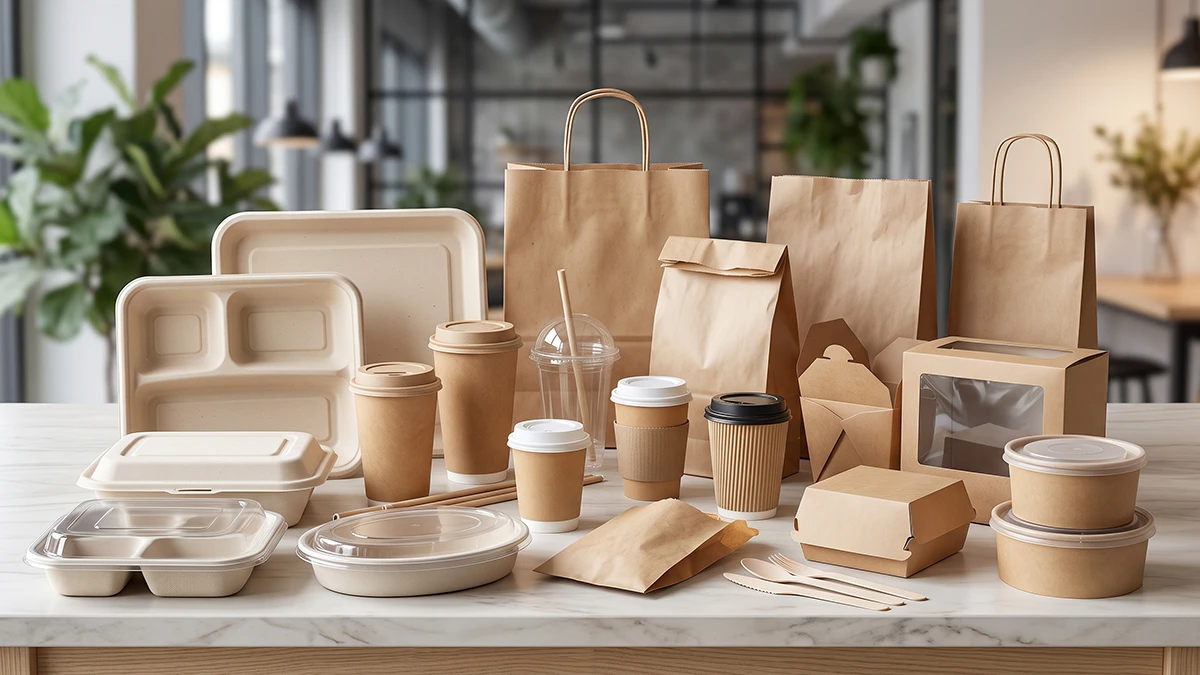
Restaurant packaging has evolved from a simple necessity to a critical brand touchpoint. In an era dominated by delivery and takeout, packaging often represents the primary physical interaction between a restaurant and its customers. Branded packaging1 transforms this interaction into a valuable marketing opportunity.
Custom logos on disposable bowls serve several strategic functions:
- Brand Reinforcement: Consistent branding across all touchpoints, including packaging, strengthens brand recall and recognition.
- Professionalism: High-quality branded packaging conveys professionalism and attention to detail, positively influencing perceptions of food quality.
- Mobile Marketing: Branded containers act as miniature billboards, extending brand visibility beyond the restaurant walls into homes, offices, and public spaces.
- Differentiation: Unique packaging helps restaurants stand out in crowded delivery marketplaces and reinforces brand personality.
Customer loyalty is increasingly influenced by the overall experience, including packaging. Studies show that 61% of consumers say they are more likely to repeat purchase from a restaurant offering premium packaging. Custom logo bowls contribute significantly to this premium perception, demonstrating investment in the customer experience even after food leaves the kitchen.
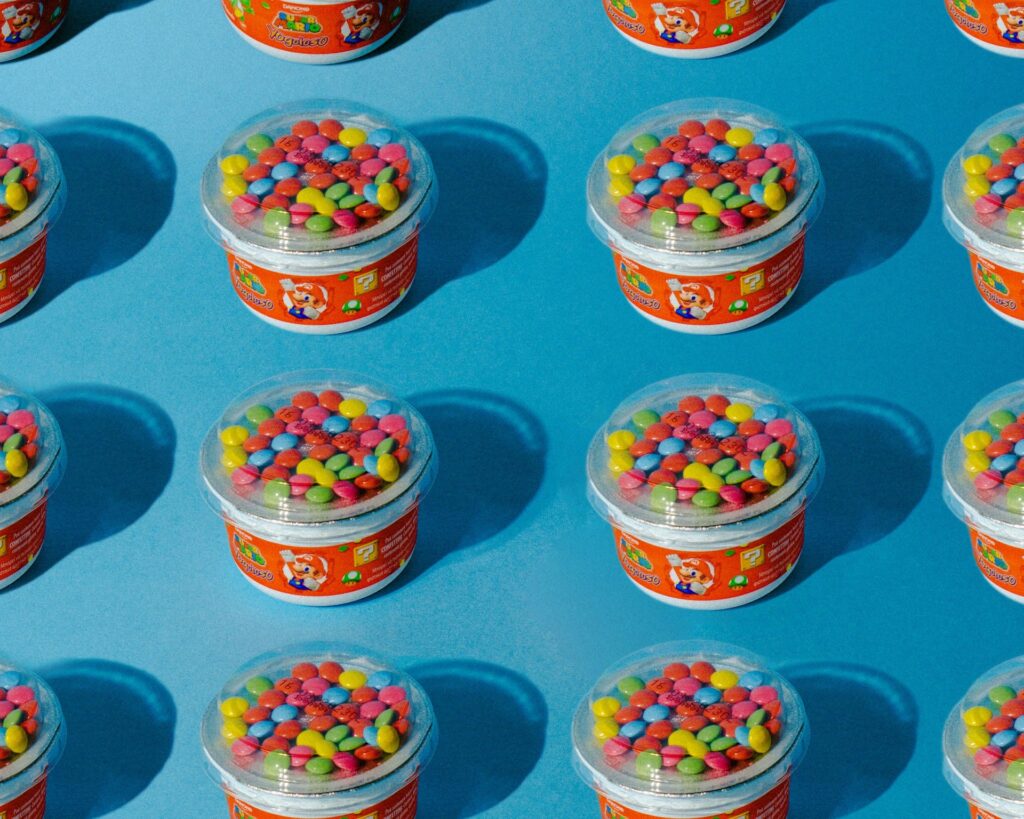
Understanding Microwave Safe Materials for Disposable Bowls
Microwave safety is a crucial consideration for disposable bowls, particularly for restaurants offering takeout or delivery where customers may reheat food. Understanding the materials that safely withstand microwave heating is essential for both customer safety and packaging integrity.
Microwave safe materials must meet specific criteria:
- Heat Resistance: Ability to withstand temperatures generated during microwave heating without melting, warping, or degrading.
- Chemical Stability: Resistance to leaching harmful chemicals into food when heated.
- Food-Grade Compliance: Meeting FDA and international standards for food contact materials under microwave conditions.
- Structural Integrity: Maintaining shape and strength during and after heating.
Common microwave safe materials used in disposable bowls include:
- Polypropylene (PP): The most widely used microwave-safe plastic due to its high melting point (around 160°C/320°F) and chemical stability. PP remains rigid and does not leach harmful substances when heated appropriately.
- Crystallized Polyethylene Terephthalate (CPET): Offers superior heat resistance (up to 220°C/428°F), making it suitable for oven reheating as well as microwave use. Often used for frozen meals or applications requiring higher temperatures.
- Paperboard with Microwave-Safe Coating: Specially treated paperboard can withstand microwave heating, often used for soup bowls or containers requiring moderate heat resistance.
It is crucial to avoid materials like standard PET or Polystyrene (PS) for microwave applications, as they can warp, melt, or potentially leach chemicals at microwave temperatures.
Microwave Safety Performance Comparison Table
| Material | Max Safe Temperature | Microwave Suitability | Chemical Stability (Heated) | Structural Integrity (Heated) | Food-Grade Compliance | Relative Cost |
|---|---|---|---|---|---|---|
| PP | 120-160°C | Excellent | Excellent | Excellent | Yes | Moderate |
| CPET | 220°C | Excellent (Oven Safe) | Excellent | Excellent | Yes | Higher |
| Paperboard (Coated) | 100-120°C | Good | Good | Fair-Good | Yes | Moderate-High |
| Standard PET | 70°C | Poor | Poor | Poor | Yes (Cold Use) | Moderate |
| PS | 70-80°C | Poor | Poor | Poor | Yes (Cold Use) | Lower |
The above data is for reference only
Reliancepak offers a range of PP and CPET bowls specifically tested and certified for microwave safety, ensuring reliable performance and customer confidence.
Types of Disposable Bowls Suitable for Custom Branding
Selecting the right bowl type is crucial for effective custom branding. Different materials and designs offer varying suitability for printing and brand presentation:
PP (Polypropylene) Bowls
PP bowls are highly versatile for custom branding:
- Printability: Smooth surfaces readily accept various printing techniques.
- Durability: Resists scratching and scuffing, preserving brand image during handling.
- Temperature Range: Suitable for both hot and cold foods, allowing consistent branding across menu items.
- Cost-Effectiveness: Offers a good balance between performance and price for branded applications.
Reliancepak utilizes advanced printing technologies optimized for PP surfaces, ensuring vibrant, long-lasting custom logos.
PET (Polyethylene Terephthalate) Bowls
While not typically microwave safe, PET bowls offer advantages for cold food branding:
- Exceptional Clarity: Provides a premium backdrop for logos, enhancing visual appeal.
- Smooth Surface: Ideal for high-resolution printing.
- Rigidity: Maintains shape well, presenting a consistent brand image.
PET is often chosen for branded dessert bowls, salad containers, or cold appetizer packaging where visual presentation is paramount.
Paper Pulp Composite Bowls
Eco-friendly composite bowls made from materials like sugarcane (bagasse) or bamboo offer unique branding opportunities:
- Natural Aesthetic: Appeals to environmentally conscious consumers and brands.
- Printability: Can be printed with eco-friendly inks, reinforcing sustainability messaging.
- Texture: Offers a distinct tactile experience that can enhance brand perception.
These bowls often require specialized printing techniques to accommodate surface texture and material properties. Reliancepak offers custom printing solutions specifically designed for plant fiber composite bowls.
Other Innovative Materials
Emerging materials provide new avenues for branded bowls:
- PLA (Polylactic Acid): Offers compostability and good clarity for cold applications, suitable for eco-focused branding.
- Hybrid Materials: Combine properties of different plastics or fibers for optimized performance and branding potential.
Material selection should align with the restaurant’s brand identity, menu offerings, and sustainability goals.
Custom Logo Printing Technologies for Food Containers
Several printing technologies are employed for custom branding on disposable bowls, each with specific advantages and limitations:
Heat Transfer Printing
This method involves transferring a pre-printed design from a carrier film onto the bowl using heat and pressure:
- Advantages: Produces high-resolution, multi-color images with excellent durability. Suitable for complex designs and photographic reproduction.
- Limitations: Can be more costly for small runs. Requires smooth, relatively flat surfaces for optimal transfer.
Heat transfer is often used for premium branding applications requiring intricate detail and vibrant colors.
Offset Printing (Dry Offset)
Dry offset printing uses raised plates to transfer ink directly onto the container surface:
- Advantages: Cost-effective for large volume runs. Offers good print quality for simpler designs (up to 6-8 colors). Fast production speeds.
- Limitations: Less suitable for highly detailed or photographic images compared to heat transfer. Requires careful calibration for curved surfaces.
This is a common method for high-volume custom branding on standard bowl shapes.
Digital Printing
Digital printing applies ink directly to the container using inkjet or similar technologies, controlled by digital files:
- Advantages: Ideal for short runs and variable data printing (e.g., promotional codes). No plate costs, allowing for easy design changes. Excellent print quality.
- Limitations: Can be slower and more expensive per unit for very large volumes compared to offset. Ink durability may vary depending on technology.
Digital printing offers flexibility for restaurants needing smaller quantities or frequent design updates.
Eco-Friendly Inks and Food Safety Compliance
Regardless of the technology, ink selection is critical for food packaging:
- Food-Grade Inks: Must comply with FDA and international regulations for indirect food contact.
- Low Migration Inks: Formulated to minimize the potential transfer of ink components through the packaging material.
- Eco-Friendly Options: Vegetable-based or water-based inks offer reduced environmental impact compared to solvent-based inks.
Reliancepak exclusively uses certified food-grade, low-migration inks in all custom printing processes, offering eco-friendly options upon request.
Design Considerations for Effective Bowl Branding
Effective branding on disposable bowls requires careful design planning:
Logo Size and Placement
- Visibility: Ensure the logo is large enough to be easily recognizable but not overwhelming.
- Placement: Consider placement on the lid, side panels, or even the base. Side placement offers maximum visibility during use and transport.
- Curvature: Account for bowl curvature when designing, ensuring the logo remains undistorted.
- Consistency: Maintain consistent logo size and placement across different bowl sizes for brand uniformity.
Color Selection and Material Compatibility
- Brand Colors: Use official brand colors accurately. Pantone matching ensures consistency.
- Contrast: Ensure sufficient contrast between the logo colors and the bowl material for optimal visibility.
- Material Impact: Consider how the bowl material (e.g., clear PET vs. opaque PP) affects color appearance.
- Ink Limitations: Be aware of the number of colors supported by the chosen printing technology.
Simplicity vs. Complexity
- Recognition: Simple, bold logos are often more effective for quick recognition on packaging.
- Printing Constraints: Complex designs may require more advanced (and potentially costly) printing techniques.
- Brand Message: The design complexity should align with the overall brand aesthetic (e.g., minimalist vs. elaborate).
Balancing Design and Functionality
- Handling Areas: Avoid placing critical design elements where they might be obscured by handling.
- Stacking Features: Ensure branding doesn’t interfere with stacking functionality.
- Microwave Safety: Confirm that inks and printing processes do not compromise microwave safety.
Reliancepak’s design team assists clients in optimizing artwork for specific bowl types and printing technologies, ensuring both aesthetic appeal and functional integrity.
Bulk Ordering Strategies for Custom Branded Bowls
Optimizing bulk orders is key to managing costs for custom branded bowls:
Minimum Order Quantities (MOQs) and Cost-Effectiveness
Custom printing typically involves setup costs, making larger orders more cost-effective per unit:
- MOQs: Often range from 5,000 to 25,000 units depending on the supplier and printing method.
- Price Breaks: Significant per-unit cost reductions usually occur at higher volume tiers (e.g., 50k, 100k, 250k units).
- Setup Costs: Factor in one-time plate or setup fees, which become less significant per unit with larger orders.
Restaurants should balance per-unit cost savings with storage capacity and usage rates when determining order quantities.
Seasonal Demand Forecasting and Inventory Management
Accurate forecasting helps optimize ordering:
- Analyze Historical Data: Use past sales data to predict future bowl usage.
- Factor in Seasonality: Account for peaks and troughs in demand (e.g., holidays, summer season).
- Promotional Planning: Include anticipated usage for marketing campaigns or special events.
- Lead Times: Consider supplier lead times (often 4-8 weeks for custom orders) in planning.
Effective inventory management prevents stockouts during peak periods and avoids overstocking during slower times.
Phased Ordering vs. Single Large Purchases
Restaurants can choose between different ordering strategies:
- Single Large Purchase: Maximizes per-unit cost savings but requires significant upfront investment and storage space.
- Phased Ordering (Call-Off Orders): Commit to a large volume for favorable pricing but take delivery in smaller installments over time. Requires supplier agreement and potentially higher storage fees.
- Regular Smaller Orders: Offers flexibility but results in higher per-unit costs.
The best strategy depends on the restaurant’s financial resources, storage capacity, and predictability of demand.
Reliancepak’s Flexible Ordering Options
Reliancepak offers tailored ordering solutions for restaurants:
- Volume-Based Pricing: Competitive pricing tiers for various order quantities.
- Call-Off Agreements: Allows restaurants to lock in favorable pricing for large volumes with scheduled deliveries.
- Inventory Management Programs: Options for Reliancepak to hold inventory and ship as needed (subject to agreement).
- Mixed Pallet Options: Allows combining different bowl types or sizes within a single order for greater flexibility.
These options help restaurants of all sizes access the benefits of custom branded bowls while managing cash flow and storage constraints.
Quality Control for Custom Printed Disposable Bowls
Maintaining quality is crucial for custom branded bowls to effectively represent the brand:
Print Quality Inspection Standards
Robust quality control processes should include checks for:
- Color Accuracy: Comparing printed colors against approved Pantone or brand standards.
- Registration: Ensuring multi-color designs align correctly without gaps or overlaps.
- Clarity and Sharpness: Verifying that logos and text are crisp and legible.
- Ink Adhesion: Testing that ink does not easily scratch or rub off.
- Placement Consistency: Ensuring logo position is uniform across the production run.
Suppliers should provide quality control reports and retain samples from each production batch.
Material Consistency and Durability Testing
Beyond printing, the bowl itself must meet quality standards:
- Material Verification: Confirming the correct plastic type and grade are used.
- Dimensional Accuracy: Checking that bowls meet specified dimensions for consistent capacity and lid fit.
- Wall Thickness Uniformity: Ensuring consistent strength and structural integrity.
- Durability Tests: Performing drop tests or compression tests to simulate handling and transport conditions.
Consistent material quality ensures reliable performance and prevents issues like cracking or warping.
Microwave Safety Verification Methods
For microwave safe bowls, specific testing is required:
- Heating Tests: Subjecting bowls filled with food or water to standard microwave cycles.
- Deformation Checks: Evaluating bowls for warping, melting, or structural changes after heating.
- Migration Testing: Analyzing food simulants heated in the bowls for any leached substances.
- Ink Stability: Ensuring printed logos remain stable and do not degrade or transfer during heating.
Reputable suppliers conduct these tests regularly and provide documentation upon request.
Reliancepak’s Quality Assurance Process
Reliancepak implements a multi-stage quality assurance program:
- Incoming Material Inspection: Verifying raw material quality and compliance.
- In-Process Monitoring: Continuous checks during production for dimensional accuracy and print quality.
- Finished Goods Testing: Random sampling and testing of final products against specifications.
- Third-Party Audits: Regular independent verification of processes and compliance.
- Traceability Systems: Ability to track production batches for quality control purposes.
This comprehensive approach ensures that custom branded bowls consistently meet high quality standards.
Cost Analysis of Custom Logo Microwave Safe Bowls
Understanding the cost components helps restaurants budget effectively:
Additional Costs of Custom Printing
Customization adds costs beyond the base price of the bowl:
- Setup Fees: One-time charges for creating printing plates or digital setups (can range from $100 to $1000+ depending on complexity).
- Per-Unit Print Charge: Additional cost per bowl based on the number of colors and print area coverage.
- Artwork Assistance: Fees for design services if required.
- Minimum Order Premiums: Higher per-unit costs for orders below optimal volume thresholds.
These costs typically add 10-50% to the base price of the bowl, depending on order volume and design complexity.
Relationship Between Bulk Scale and Unit Price
Economies of scale significantly impact pricing:
- 5,000 – 10,000 Units: Highest per-unit custom print cost.
- 10,000 – 50,000 Units: Moderate cost reduction (15-25%).
- 50,000 – 100,000 Units: Significant cost reduction (25-40%).
- 100,000+ Units: Lowest per-unit cost, often approaching the price of unprinted bowls at smaller volumes.
Accurate forecasting and strategic ordering are key to achieving favorable pricing.
Return on Investment (ROI) Calculation Methods
Evaluating the ROI of custom branded bowls involves considering potential benefits:
- Increased Brand Awareness: Estimate value based on comparable advertising impressions.
- Improved Customer Loyalty: Calculate potential increase in customer lifetime value.
- Premium Pricing Potential: Assess ability to slightly increase menu prices due to enhanced presentation.
- Reduced Marketing Costs: Consider branded packaging as a replacement for other marketing expenditures.
While precise ROI calculation can be complex, qualitative benefits like enhanced brand perception often justify the investment.
Price Tier Example Table
| Order Quantity | Base Bowl Price (PP) | Setup Fee (Avg) | Per-Unit Print Cost (2-Color) | Total Per-Unit Cost | % Increase Over Base |
|---|---|---|---|---|---|
| 10,000 | $0.15 | $500 ($0.05/unit) | $0.04 | $0.24 | 60% |
| 25,000 | $0.14 | $500 ($0.02/unit) | $0.03 | $0.19 | 36% |
| 50,000 | $0.13 | $500 ($0.01/unit) | $0.025 | $0.165 | 27% |
| 100,000 | $0.12 | $500 ($0.005/unit) | $0.02 | $0.145 | 21% |
| 250,000 | $0.11 | $500 ($0.002/unit) | $0.015 | $0.127 | 15% |
The above data is for reference only and illustrates potential cost structures.

Environmental Considerations for Branded Disposable Bowls
Balancing branding with sustainability is increasingly important:
Recyclable Options and Eco-Friendly Materials
Restaurants can choose branded bowls made from sustainable materials:
- Recycled Content PP (rPP): Offers microwave safety with reduced environmental impact. Can be custom printed.
- Widely Recyclable PP: Ensure bowls use standard PP (#5) that is accepted in most municipal recycling programs.
- Eco-Friendly Inks: Opt for vegetable-based or water-based inks with lower VOC emissions.
Clear communication about the recyclability of branded bowls encourages proper disposal by customers.
Environmental Impact of Printing Processes
Different printing technologies have varying environmental footprints:
- Solvent-Based Inks: Higher VOC emissions, requiring pollution control measures.
- UV-Cured Inks: Energy-intensive curing process but lower VOCs.
- Water-Based Inks: Generally lower environmental impact but may require more energy for drying.
- Digital Printing: Can reduce waste by eliminating plates and minimizing setup materials.
Suppliers committed to sustainability often invest in lower-impact printing technologies and waste reduction programs.
Balancing Branding Needs and Environmental Responsibility
Restaurants can adopt strategies to balance these priorities:
- Minimalist Designs: Use less ink and potentially fewer colors.
- Strategic Placement: Brand only essential areas rather than full-wrap designs.
- Eco-Messaging: Incorporate recycling symbols or sustainability messages into the design.
- Material Choice: Prioritize recyclable or recycled-content materials even with branding.
Transparency about both branding and sustainability efforts builds trust with environmentally conscious consumers.
Reliancepak’s Eco-Friendly Customization Solutions
Reliancepak offers sustainable branding options:
- Custom printing on rPP bowls with verified recycled content.
- Use of low-VOC, food-grade inks.
- Design assistance to optimize for minimal ink usage.
- Clear labeling options to communicate recyclability.
- Participation in industry initiatives for sustainable printing practices.
These solutions allow restaurants to achieve branding goals while minimizing environmental impact.
Case Studies: Successful Restaurant Branding with Custom Bowls
Real-world examples demonstrate the impact of custom branded bowls:
Fast-Casual Chain Brand Refresh
A national sandwich chain updated its packaging, including custom logo PP bowls for soups and salads:
- Results: 18% increase in brand recognition scores in customer surveys. 12% rise in social media mentions featuring packaging. Contributed to a 7% overall sales lift post-refresh.
- Key Takeaway: Consistent branding across all packaging elements reinforces brand identity and drives engagement.
High-End Restaurant Takeout Program
A fine-dining restaurant launched a premium takeout service using custom branded CPET bowls for signature dishes:
- Results: Allowed the restaurant to maintain brand perception of quality in the takeout format. Received positive reviews specifically mentioning the high-quality packaging. Supported premium pricing for takeout items.
- Key Takeaway: Custom branded packaging can translate a restaurant’s dine-in quality perception to the off-premise experience.
Small Business Cost-Benefit Analysis
A local cafe introduced custom printed microwave safe bowls for its popular lunch specials:
- Results: Despite a 25% increase in packaging cost per unit, the cafe saw a 15% increase in repeat lunch orders. Customer feedback highlighted the professional appearance. The increased loyalty offset the higher packaging cost within 6 months.
- Key Takeaway: Even smaller operations can benefit from the enhanced professionalism and customer loyalty driven by branded packaging.
Impact of Brand Consistency on Customer Perception
Market research consistently shows that brand consistency across all touchpoints, including packaging, builds trust and perceived reliability. Custom branded bowls play a vital role in maintaining this consistency for takeout and delivery operations, directly impacting customer perception and likelihood to reorder.
Practical Implementation of Branded Bowl Program
Successfully launching a custom branded bowl program involves careful planning:
Design-to-Production Workflow Guide
- Define Objectives: Clarify branding goals and budget.
- Select Bowl Type: Choose material and size based on menu and needs.
- Develop Artwork: Create or adapt logo design for bowl printing.
- Supplier Collaboration: Work with supplier (like Reliancepak) to finalize design proofs and specifications.
- Approve Proofs: Carefully review digital or physical proofs before production.
- Production: Supplier manufactures and prints bowls (allow 4-8 weeks lead time).
- Quality Check: Review initial shipment against approved samples.
- Inventory Integration: Incorporate new bowls into stock management system.
Supply Chain Management and Lead Time Optimization
- Communicate Forecasts: Provide suppliers with accurate usage projections.
- Establish Safety Stock: Maintain adequate inventory levels to cover lead times and demand fluctuations.
- Optimize Shipping: Consolidate orders where possible to reduce freight costs.
- Supplier Relationship: Maintain open communication with your supplier regarding production schedules and potential delays.
Staff Training and Proper Usage Guidelines
- Educate Staff: Inform team members about the new packaging and its branding importance.
- Handling Procedures: Train staff on proper handling to maintain print quality and bowl integrity.
- Customer Interaction: Equip staff to answer customer questions about the packaging (e.g., microwave safety, recyclability).
Customer Feedback Collection and Product Improvement
- Monitor Reviews: Track online reviews and social media mentions related to packaging.
- Solicit Feedback: Include packaging questions in customer satisfaction surveys.
- Analyze Data: Use feedback to identify areas for improvement in future designs or bowl selections.
- Iterate: Work with your supplier to refine designs or materials based on feedback and performance data.
Integrating Custom Bowls into Overall Brand Strategy
Custom bowls are most effective when integrated into a cohesive brand strategy:
Coordination with Other Brand Elements
Ensure bowl branding aligns with:
- Restaurant decor and ambiance
- Menu design and descriptions
- Website and online ordering platforms
- Staff uniforms and other branded materials
This consistency reinforces the overall brand message and identity.
Social Media and Interactive Marketing Opportunities
Leverage branded bowls in marketing:
- Encourage user-generated content featuring the packaging (#YourRestaurantBrand).
- Run contests for creative photos of food in branded bowls.
- Use high-quality images of branded packaging in social media posts and ads.
- Include QR codes on bowls linking to menus, promotions, or loyalty programs.
Seasonal and Promotional Customization Opportunities
Consider limited-edition branded bowls for:
- Holidays or special events
- New menu item launches
- Partnerships or co-branding initiatives
- Loyalty program milestones
This keeps packaging fresh and creates additional marketing buzz.
Brand Storytelling Through Packaging Design
Use packaging design elements to communicate brand values:
- Incorporate taglines or mission statements.
- Use imagery or patterns that reflect the brand’s origin or style.
- Highlight sustainability features if applicable.
- Choose colors and fonts that align with the brand personality.
Packaging becomes another medium for telling the restaurant’s unique story.
Future Trends in Custom Food Packaging
The landscape of custom food packaging continues to evolve:
Smart Packaging Technologies
- NFC/RFID Integration: Enabling contactless payments, loyalty tracking, or enhanced product information.
- Temperature Sensors: Indicating optimal food temperature or reheating status.
- Interactive Elements: Augmented reality experiences triggered by packaging designs.
Sustainable Customization Innovations
- Water-Soluble Printing: Inks that disappear during recycling processes.
- Plantable Packaging: Bowls embedded with seeds that can be planted after use.
- Edible Coatings: Replacing plastic layers with edible, protective coatings.
Digitalization and Personalization Trends
- Mass Customization: Digital printing enabling unique designs for smaller batches or even individual orders.
- Data-Driven Design: Using customer data to tailor packaging designs for specific demographics or promotions.
- On-Demand Printing: Reducing inventory needs through localized, just-in-time printing solutions.
Consumer Participation in Design
- Co-Creation Platforms: Allowing customers to vote on or submit packaging designs.
- Personalized Packaging Options: Offering customers choices in packaging design for special orders.
Staying informed about these trends allows restaurants to maintain a competitive edge in packaging innovation.
Conclusion: Maximizing ROI with Custom Microwave Safe Bowls
Key Advantages of Custom Microwave Safe Bowls Summarized
Custom logo microwave safe disposable bowls offer restaurants a multifaceted strategic tool:
- Enhances brand visibility and recognition
- Improves perceived quality and professionalism
- Creates mobile marketing opportunities
- Supports customer convenience through microwave safety
- Can contribute to increased customer loyalty and repeat business
Recommendations for Selecting the Right Supplier
Partnering with the right supplier is crucial for success:
- Expertise: Choose a supplier with proven experience in custom printing for food packaging (like Reliancepak).
- Quality: Verify their quality control processes and material certifications.
- Capabilities: Ensure they offer the printing technologies and materials that meet your needs.
- Service: Look for responsive customer service and design support.
- Scalability: Select a supplier who can accommodate your growth.
Strategic Considerations for Long-Term Brand Building
View custom branded bowls not just as packaging, but as an integral part of your long-term brand strategy. Consistent investment in high-quality, well-designed packaging contributes significantly to building a strong, recognizable brand identity in the competitive restaurant market.
Reliancepak’s Value Proposition for Customization
Reliancepak offers a comprehensive solution for custom branded microwave safe bowls:
- Wide range of microwave-safe bowl options (PP, CPET)
- Advanced printing technologies (Offset, Heat Transfer, Digital)
- In-house design support and optimization services
- Stringent quality control and food safety compliance
- Flexible ordering options and inventory management programs
- Commitment to sustainable materials and processes
Partnering with Reliancepak empowers restaurants to leverage the full strategic potential of custom branded packaging.
- Learn about the importance of branded packaging in fostering customer loyalty and improving overall dining experiences. ↩︎