
In today’s rapidly evolving market, businesses are increasingly seeking sustainable solutions that align with growing consumer environmental consciousness. The packaging industry, a significant contributor to global waste, is at the forefront of this shift. For B2B buyers in the food packaging sector, the demand for eco-friendly options is no longer a niche request but a mainstream imperative. This is where compostable paper containers emerge as a truly green packaging choice, offering a viable and responsible alternative to traditional materials. At Reliancepak, we are committed to providing innovative and sustainable packaging solutions that not only meet your operational needs but also contribute positively to the planet. This comprehensive guide will delve into the world of compostable paper containers, exploring their benefits, types, and the crucial role they play in building a more sustainable future for your business and the environment.
Understanding Compostable Packaging: More Than Just ‘Eco-Friendly’
The terms “eco-friendly,” “biodegradable,” and “compostable” are often used interchangeably, but they have distinct meanings, especially when it comes to packaging. For businesses looking to make genuinely sustainable choices, understanding these differences is crucial.
What is Compostable? Definition and Distinction from Biodegradable/Recyclable
Compostable packaging is specifically designed to break down into natural elements in a composting environment, leaving no toxic residues. This process typically requires specific conditions (temperature, moisture, microorganisms) found in industrial composting facilities. The key distinction is that compostable materials return nutrients to the soil, completing a natural cycle.
- Biodegradable: A broader term meaning a material will break down into natural elements over time. However, it doesn’t specify the timeframe or the conditions required, nor does it guarantee that no harmful residues will be left behind. Something might be biodegradable in hundreds of years, which isn’t truly sustainable.
- Recyclable: Refers to materials that can be collected and processed to be used as raw materials for new products. While recycling is vital for sustainability, it’s a different process from composting and often requires specific infrastructure.
Compostable packaging offers a unique advantage by actively contributing to soil health and diverting waste from landfills, making it a superior choice for businesses aiming for a circular economy.
The Science of Composting: How it Works, Conditions Required
Composting is a natural biological process where organic matter decomposes under controlled conditions. For compostable packaging, this typically involves:
- Microorganisms: Bacteria, fungi, and other microbes break down the material.
- Oxygen: An aerobic process, meaning oxygen is essential for efficient decomposition.
- Moisture: Optimal moisture levels are needed for microbial activity.
- Temperature: High temperatures (often achieved in industrial composting) accelerate the breakdown process.
These conditions ensure that compostable paper containers break down efficiently into humus, carbon dioxide, and water, enriching the soil without harmful residues. This contrasts sharply with materials that might biodegrade slowly in landfills, producing methane (a potent greenhouse gas) due to anaerobic conditions.
Benefits of Composting: Soil Enrichment, Waste Reduction
Choosing compostable paper containers brings significant environmental benefits:
- Soil Enrichment: The end product of composting, humus, is a nutrient-rich soil amendment that improves soil structure, water retention, and fertility. This supports healthier plant growth and reduces the need for chemical fertilizers.
- Waste Reduction: Compostable packaging diverts organic waste from landfills, reducing landfill volume and mitigating the production of harmful greenhouse gases. This is a crucial step towards a zero-waste future.
- Reduced Reliance on Virgin Resources: By promoting a circular economy, composting reduces the demand for new raw materials, conserving natural resources and energy.
Reliancepak understands the profound impact of these benefits. Our compostable paper containers are designed to seamlessly integrate into composting streams, supporting your business’s environmental goals.

Why Choose Compostable Paper Containers for Your Business?
Adopting compostable paper containers is not just an environmental statement; it’s a strategic business decision that offers multiple advantages in today’s market.
Meeting Consumer Demand for Sustainability
Consumers are increasingly prioritizing sustainability in their purchasing decisions. A recent study showed that a significant percentage of consumers are willing to pay more for sustainable products and packaging. By offering your products in compostable paper containers, you directly address this demand:
- Enhanced Brand Image: Position your brand as environmentally responsible and forward-thinking. This resonates with eco-conscious consumers and can attract a new customer base.
- Increased Customer Loyalty: Consumers who feel their values are aligned with a brand are more likely to become loyal customers and advocates.
- Competitive Advantage: Differentiate your business from competitors who may still rely on less sustainable packaging options.
Regulatory Compliance and Future-Proofing Your Business
Governments and regulatory bodies worldwide are implementing stricter regulations on single-use plastics and promoting sustainable packaging. Choosing compostable paper containers helps your business stay ahead of these changes:
- Compliance with Evolving Laws: Avoid potential fines and penalties associated with non-compliant packaging materials.
- Proactive Adaptation: Position your business to easily adapt to future environmental policies and mandates.
- Access to New Markets: Some regions or retailers may already require or prefer compostable packaging, opening up new business opportunities.
Enhancing Brand Image and Corporate Social Responsibility
Beyond consumer demand and regulations, compostable packaging is a powerful tool for demonstrating your commitment to Corporate Social Responsibility (CSR). This commitment can:
- Attract and Retain Talent: Employees, especially younger generations, are often drawn to companies with strong ethical and environmental values.
- Improve Investor Relations: Sustainable practices are increasingly viewed as indicators of long-term business resilience and responsible management.
- Foster Positive Public Relations: Generate positive media attention and build a reputation as a leader in sustainability within your industry.
Reliancepak’s compostable paper containers are designed to help your business achieve these strategic objectives, making sustainability a cornerstone of your brand identity.
Key Features and Benefits of Compostable Paper Containers
Compostable paper containers are engineered to deliver both environmental benefits and practical performance for diverse food service needs.
Material Composition: Plant-based Materials1 (e.g., PLA lining, paperboard)
The core of compostable paper containers lies in their innovative material composition:
- Sustainable Paperboard: Made from responsibly sourced wood fibers, often certified by organizations like the Forest Stewardship Council (FSC). This provides the structural integrity of the container.
- PLA (Polylactic Acid) Lining:2 Unlike traditional plastic linings (like PE), PLA is a bioplastic derived from renewable resources such as corn starch or sugarcane. It provides the necessary barrier against liquids and grease while being fully compostable in industrial facilities.
- Other Bio-based Coatings: Advances in material science are leading to new bio-based coatings that offer similar performance to PLA, further expanding options for compostable solutions.
This combination ensures that the containers are durable and functional while remaining true to their compostable nature.
Performance: Durability, Leak-Resistance, Heat Retention
Modern compostable paper containers are designed to perform comparably to their conventional counterparts:
- Durability: Robust construction ensures they can withstand handling, transport, and the weight of their contents without tearing or collapsing.
- Leak-Resistance: The PLA or other bio-based linings create an effective barrier, preventing liquids from seeping through, making them suitable for soups, sauces, and beverages.
- Heat Retention: Double-wall or ripple-wall designs, especially for hot beverage cups, provide excellent insulation, keeping contents warm while remaining comfortable to hold.
Versatility: Suitable for Various Food Types (Hot, Cold, Dry, Wet)
Compostable paper containers offer broad applicability across the food industry:
- Hot Foods: Ideal for soups, stews, pasta, and other hot meals, maintaining temperature and integrity.
- Cold Foods: Perfect for salads, ice cream, yogurt, and chilled desserts, preventing condensation and maintaining freshness.
- Dry Goods: Suitable for snacks, pastries, and baked goods, protecting them from moisture and crushing.
- Wet Dishes: With appropriate linings, they can handle saucy dishes without leakage.
Safety: Food-Grade Certifications (FDA, EU)
Ensuring the safety of food contact materials is paramount. Reliancepak’s compostable paper containers adhere to stringent international food safety standards:
- FDA Compliance: Meeting the requirements of the U.S. Food and Drug Administration for materials that come into contact with food.
- EU Food Contact Material Regulations: Complying with European Union regulations that ensure materials do not transfer harmful substances to food.
- Compostability Certifications: Holding certifications from recognized bodies like BPI (Biodegradable Products Institute) or TUV Austria (OK Compost Industrial), which verify that products will fully compost in industrial facilities.
These certifications provide peace of mind, assuring B2B buyers that they are sourcing safe, high-quality, and genuinely compostable packaging solutions from Reliancepak.
Types of Compostable Paper Containers for B2B Needs
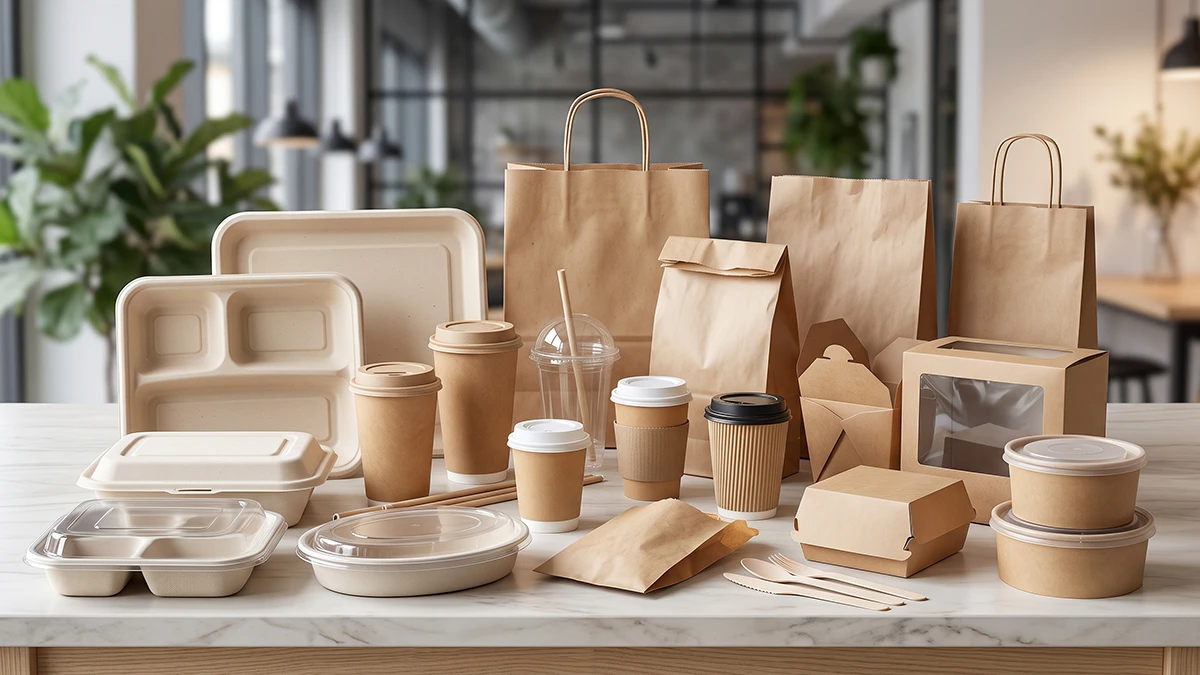
Reliancepak offers a diverse range of compostable paper containers designed to meet the specific needs of various food service and retail businesses.
Bowls and Tubs: Soups, Salads, Ice Cream
Our compostable paper bowls and tubs are versatile solutions for a wide array of food items:
- Soups and Hot Meals: Designed with robust construction and heat-resistant linings to safely contain hot liquids and maintain food temperature.
- Salads and Cold Dishes: Perfect for fresh salads, fruit bowls, and chilled desserts, preventing sogginess and preserving freshness.
- Ice Cream and Frozen Desserts: Engineered to withstand freezing temperatures without becoming brittle or compromising integrity.
These come in various sizes, from small portion cups to large family-sized bowls, all featuring compostable linings.
Clamshells: Burgers, Sandwiches, Pastries
Compostable paper clamshells offer a convenient and eco-friendly alternative for takeout and grab-and-go items:
- Burgers and Sandwiches: Designed to hold hot and cold sandwiches securely, with ventilation options to prevent sogginess.
- Pastries and Baked Goods: Protect delicate items from crushing while offering a clear view of the product (if a window is incorporated).
- Meal Boxes: Larger clamshells can be used for complete meals, providing a neat and presentable packaging solution.
Cups: Hot and Cold Beverages
Our range of compostable paper cups caters to all beverage needs:
- Hot Cups: Single-wall, double-wall, and ripple-wall options for coffee, tea, and other hot drinks, providing insulation and comfort.
- Cold Cups: Designed for iced coffee, smoothies, juices, and soft drinks, with linings that prevent condensation and maintain drink temperature.
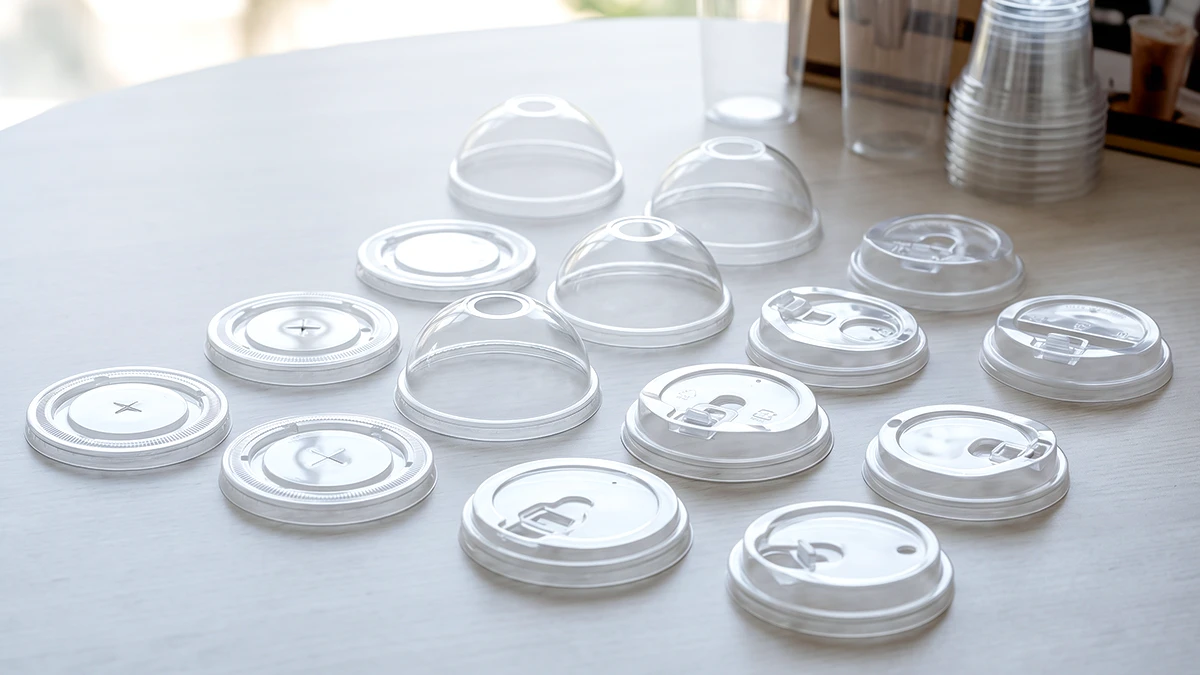
All cups are compatible with compostable lids, offering a complete sustainable beverage solution.
Customization Options: Branding, Sizes, Shapes
Reliancepak specializes in professional customization to ensure your compostable paper containers perfectly reflect your brand:
- Branding and Logo Printing: High-quality printing of your logo, brand colors, and custom designs to enhance brand visibility and recognition.
- Custom Sizes and Shapes: Beyond standard dimensions, we can develop unique sizes and shapes tailored to your specific product requirements.
- Specialty Coatings: Options for specific barrier properties or finishes to meet unique product needs.
This extensive range and customization capability make Reliancepak your ideal partner for all compostable paper container needs.
The Composting Process: What Businesses Need to Know
For compostable paper containers to fulfill their environmental promise, it’s crucial for businesses to understand the proper composting process and educate their customers.
Industrial Composting Facilities: Requirements and Availability
Most certified compostable paper containers are designed for industrial composting facilities. These facilities provide the optimal conditions (high temperatures, controlled moisture, specific microbial populations) necessary for efficient breakdown:
- Higher Temperatures: Industrial compost piles reach temperatures of 130-160°F (55-70°C), which accelerate the decomposition process significantly.
- Controlled Environment: Facilities manage aeration, moisture, and carbon-to-nitrogen ratios to ensure rapid and complete composting.
- Availability: While growing, access to industrial composting facilities varies by region. Businesses should research local infrastructure to ensure their compostable packaging can be properly processed.
Home Composting: Limitations and Considerations
While some compostable materials can break down in a home compost pile, many certified compostable paper containers are not suitable for this environment:
- Lower Temperatures: Home compost piles typically do not reach the sustained high temperatures required to break down bioplastics like PLA or thicker paperboard effectively.
- Slower Decomposition: Materials may take much longer to decompose, or may not fully break down, leaving visible residues.
- Consumer Education: It’s vital to educate consumers on whether a product is suitable for home composting or if it requires industrial composting, to prevent contamination of recycling streams or disappointment.
Proper Disposal: Educating Consumers and Staff
Effective waste diversion relies heavily on proper disposal. Businesses using compostable paper containers should implement clear communication strategies:
- Clear Labeling: Ensure packaging is clearly labeled as “compostable” and provide instructions on how to dispose of it correctly (e.g., “Compostable: Dispose in industrial composting facilities”).
- Staff Training: Train your staff on proper waste sorting and disposal procedures to avoid cross-contamination of waste streams.
- Customer Communication: Use signage, website information, or direct communication to guide customers on how to dispose of the compostable packaging responsibly.
By ensuring proper disposal, businesses can maximize the environmental benefits of compostable paper containers and contribute to a more efficient composting infrastructure.
Addressing Common Concerns About Compostable Containers
While compostable packaging offers numerous advantages, B2B buyers often have valid concerns. Let’s address some of the most common questions:
Cost Comparison: Are Compostable Containers More Expensive?
Historically, compostable packaging has been perceived as more expensive than conventional plastic or paper options. While the initial unit cost might be slightly higher, it’s crucial to consider the long-term value and hidden costs:
- Brand Value: The enhanced brand image and increased customer loyalty from using sustainable packaging can lead to higher sales and stronger market positioning, offsetting initial cost differences.
- Regulatory Compliance: Investing in compostable solutions now can save businesses from future fines or costly transitions when stricter environmental regulations come into effect.
- Waste Management Savings: In areas with robust composting infrastructure, businesses might see reduced waste disposal fees compared to landfilling.
- Marketing Advantage: The ability to market your products as sustainably packaged can be a significant differentiator, attracting a growing segment of environmentally conscious consumers.
Reliancepak strives to offer competitive pricing for our compostable paper containers, ensuring that sustainability is accessible and economically viable for your business.
Performance in Real-World Applications: Do They Hold Up?
A common concern is whether compostable paper containers can withstand the rigors of food service, especially with hot, oily, or saucy items. Modern compostable solutions are engineered for performance:
- Advanced Linings: Our PLA and other bio-based linings provide excellent grease and moisture resistance, preventing leaks and maintaining container integrity.
- Robust Construction: The quality paperboard used ensures structural stability, preventing collapses or spills during transport and consumption.
- Temperature Tolerance: Designed to perform across a range of temperatures, from hot soups to frozen desserts, without compromising their structure or safety.
We encourage businesses to take advantage of Reliancepak’s free sample program to test our compostable paper containers firsthand in their specific applications.
Shelf Life and Storage: Do They Degrade Prematurely?
Compostable paper containers are designed to remain stable under normal storage conditions and will not degrade prematurely on the shelf. They require:
- Dry Storage: Like all paper products, they should be stored in a cool, dry place away from direct sunlight and excessive humidity to maintain their integrity.
- Proper Handling: Avoid exposing them to extreme temperatures or moisture before use, as this could affect their performance.
Their degradation process is activated by the specific conditions found in composting environments, not by typical storage conditions.
Availability of Composting Infrastructure: Can They Really Be Composted?
The availability of industrial composting facilities is a valid concern, as it varies by region. However, the infrastructure is rapidly expanding globally, driven by increasing demand and regulatory support:
- Growing Network: More cities and regions are investing in composting facilities to manage organic waste.
- Advocacy and Education: Businesses can play a role in advocating for and supporting the development of local composting infrastructure.
- Alternative Disposal: In areas without industrial composting, some compostable containers can be incinerated for energy recovery, or in some cases, may be accepted in specific recycling streams if the lining is compatible.
Reliancepak can provide guidance on the compostability infrastructure in your region and help you make informed decisions about the best disposal methods for your products.
Reliancepak’s Commitment to Sustainable Paper Container Solutions
At Reliancepak, our dedication to sustainability goes beyond just offering compostable products. It’s ingrained in our business philosophy and operations.
Responsible Sourcing and Manufacturing Practices
We ensure that our paperboard is sourced from sustainably managed forests, often holding certifications like FSC. Our manufacturing processes are designed to minimize environmental impact, focusing on:
- Energy Efficiency: Implementing energy-saving technologies and practices in our production lines.
- Water Conservation: Reducing water consumption through efficient processes and recycling systems.
- Waste Minimization: Optimizing material usage to reduce production waste.
Innovation in Eco-Friendly Materials
We continuously invest in research and development to explore new and improved eco-friendly materials and coatings. Our goal is to stay at the forefront of sustainable packaging innovation, offering our clients the most advanced and environmentally responsible solutions available.
Partnership for a Greener Future
We view our clients as partners in building a more sustainable future. By choosing Reliancepak, you are not just purchasing paper containers; you are joining a movement towards more responsible consumption and production. We are here to support your green initiatives and help you communicate your sustainability efforts to your customers.
Conclusion: Embrace the Green Advantage with Reliancepak
Compostable paper containers represent a significant step forward in sustainable packaging. They offer a powerful combination of environmental responsibility, functional performance, and strategic business advantages. For B2B buyers in the food packaging industry, embracing compostable solutions is not just about compliance; it’s about meeting evolving consumer demands, enhancing brand image, and contributing to a healthier planet.
Reliancepak is your trusted partner in this journey. With our high-quality, certified compostable paper containers, professional customization services, and unwavering commitment to sustainability, we provide the comprehensive solutions you need to thrive in today’s market. Make the responsible choice for your business and the environment.
Call to Action: Ready to make the switch to truly green packaging? Visit reliancepak.com to explore our full range of compostable paper containers, request a free sample, or contact our expert team for a personalized consultation. Let Reliancepak help you achieve your sustainability goals.