In today’s fast-paced food service industry, disposable salad bowls have become an indispensable item for restaurants, cafes, and catering businesses offering takeout and delivery services. As a distributor, understanding the nuances of these products is crucial for meeting your clients’ diverse needs and ensuring their success. This comprehensive guide will delve into the key factors distributors should consider when sourcing disposable salad bowls for takeout, helping you make informed decisions that benefit both your business and your customers. From material selection to design features and sustainability, we’ll cover everything you need to know to navigate this competitive market effectively.
Understanding the Demand for Disposable Salad Bowls in Takeout
The rise of takeout and food delivery services has dramatically reshaped the food industry. Consumers increasingly seek convenience without compromising on quality or presentation. Disposable salad bowls are at the forefront of this shift, offering a practical solution for packaging fresh, healthy meals on the go. For distributors, recognizing this growing demand is the first step towards capitalizing on a lucrative market. Businesses, from bustling city cafes to large-scale catering operations, rely on a steady supply of high-quality, reliable disposable packaging to maintain their service standards and customer satisfaction. This sustained demand underscores the critical role distributors play in connecting manufacturers like Reliancepak with end-users who need these essential products.
Key Material Considerations for Takeout Salad Bowls
Selecting the right material for disposable salad bowls is paramount, as it directly impacts performance, cost, and environmental footprint. Distributors must be well-versed in the properties of various materials to guide their clients effectively. Each material offers distinct advantages and disadvantages, making the choice dependent on specific application needs, budget constraints, and sustainability goals.
Plastic (PET, PP)
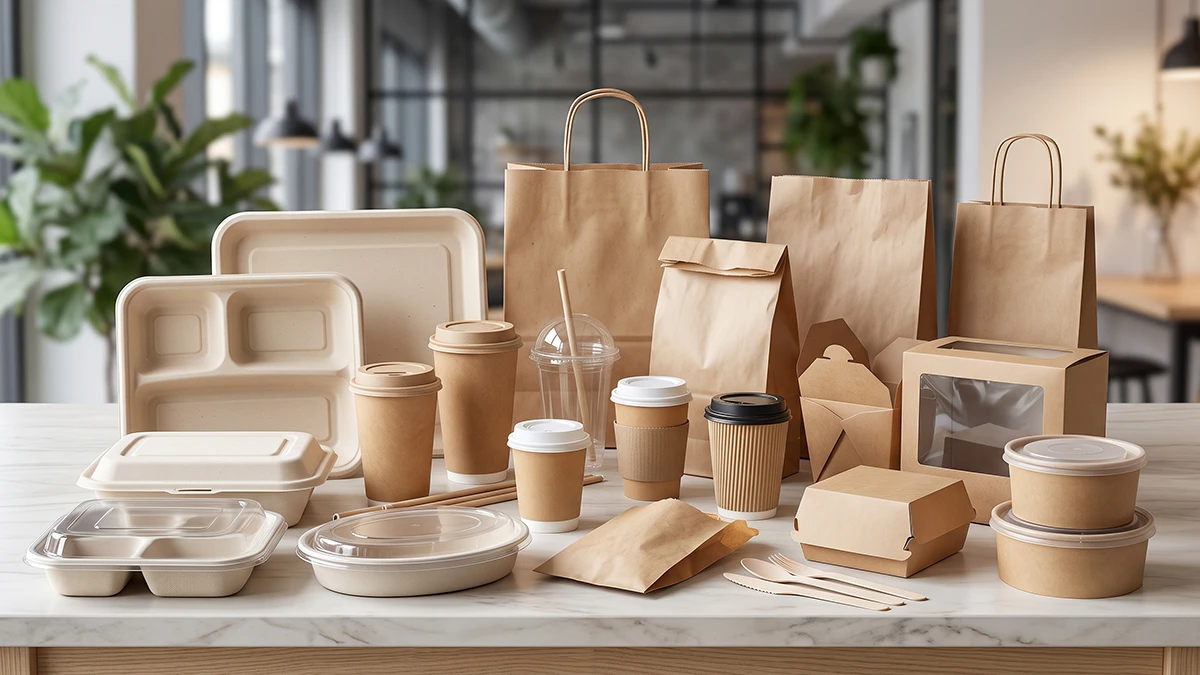
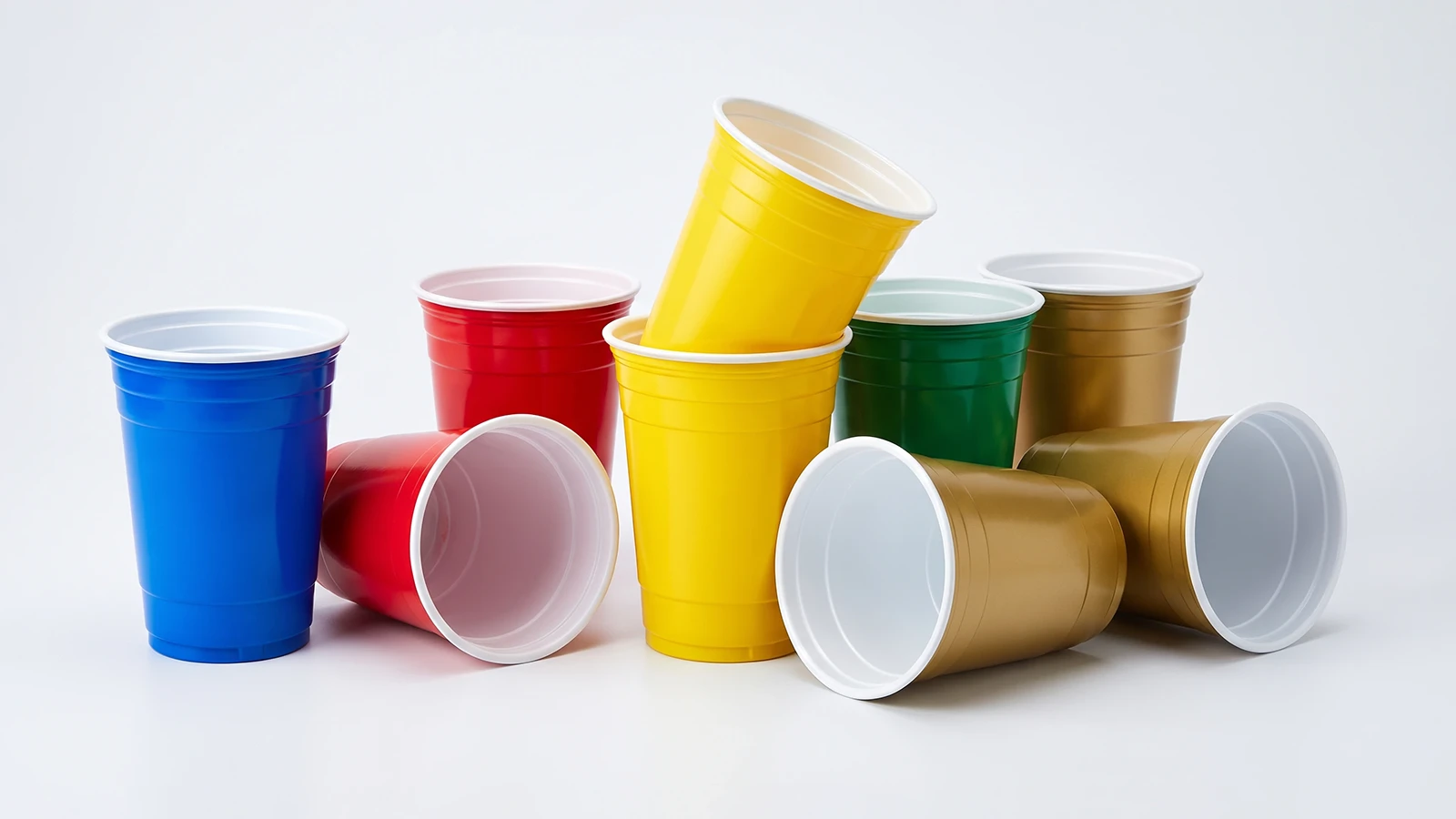
Plastic remains a popular choice due to its durability, clarity, and cost-effectiveness. PET (Polyethylene Terephthalate) is widely used for its transparency, which allows the vibrant colors of salads to shine through, enhancing visual appeal. PP (Polypropylene) offers better heat resistance, making it suitable for slightly warmer contents, though typically salads are served cold. However, concerns about plastic waste and environmental impact are driving a shift towards more sustainable alternatives.
Paper/Kraft Paper
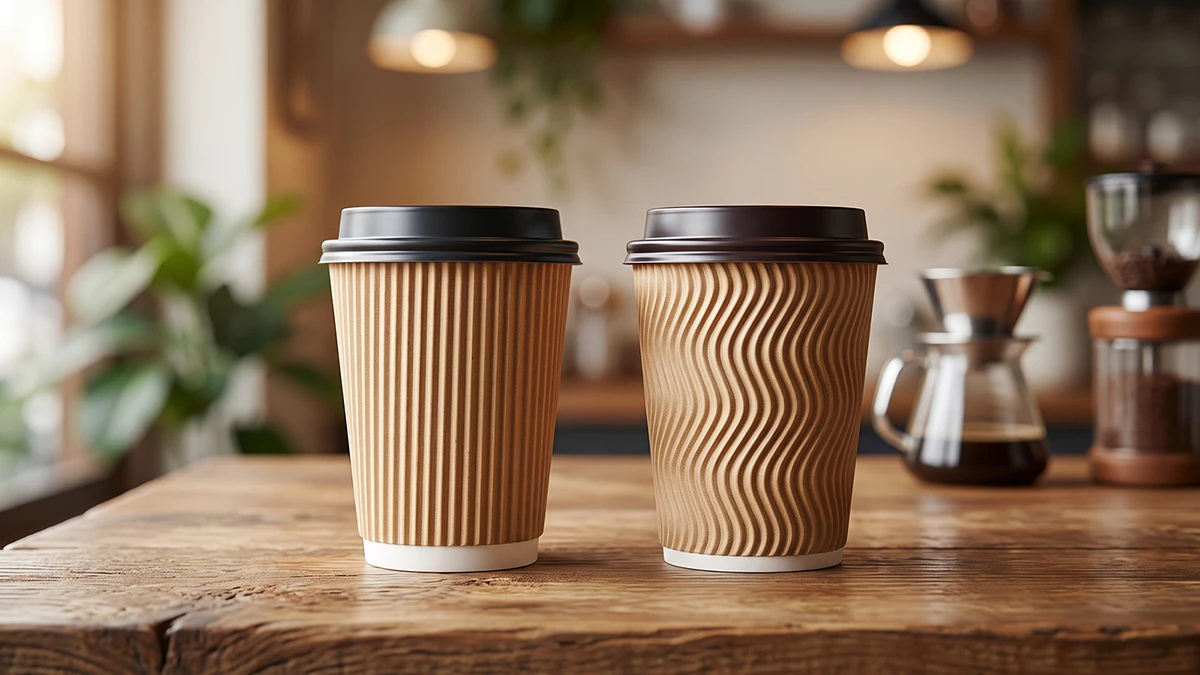
Paper-based bowls, often lined with PE (polyethylene) or PLA (polylactic acid) for grease and moisture resistance, offer a more eco-friendly image. Kraft paper bowls, with their natural, rustic look, are particularly favored by businesses aiming for a sustainable brand identity. They are generally recyclable if the lining is minimal or made from compostable materials.
Biodegradable and Compostable Materials (PLA, Sugarcane Bagasse)
These materials represent the cutting edge of sustainable packaging. PLA, derived from renewable resources like corn starch, offers transparency similar to traditional plastics but is compostable in industrial facilities. Sugarcane bagasse, a byproduct of sugar production, is highly sustainable, compostable, and offers excellent insulation properties, making it suitable for both hot and cold foods. While often pricier, the demand for these environmentally friendly options is rapidly increasing.
Here’s a comparative overview of common materials:
| Material Type | Advantages | Disadvantages | Best For |
|---|---|---|---|
| PET Plastic | Clear, durable, cost-effective | Environmental concerns, limited heat resistance | Cold salads, visual appeal |
| PP Plastic | Durable, good heat resistance, recyclable | Less clear than PET, environmental concerns | Slightly warmer contents, general use |
| Paper/Kraft Paper | Eco-friendly image, customizable, recyclable | Requires lining for moisture, less durable wet | Dry/semi-dry salads, sustainable branding |
| PLA | Biodegradable, clear, renewable resource | Requires industrial composting, less heat tolerant | Cold salads, eco-conscious brands |
| Sugarcane Bagasse | Compostable, sustainable, good insulation | Higher cost, opaque | Hot/cold foods, premium eco-friendly options |
Optimal Sizes and Shapes for Various Salad Offerings
Salad bowls come in a myriad of sizes and shapes, each designed to accommodate different portion sizes and types of salads. Distributors should offer a range that caters to individual servings, family-sized portions, and specialty salads. Common sizes typically range from 12 oz to 48 oz, with larger options available for catering. Beyond volume, the shape of the bowl can impact its functionality and aesthetic appeal. Round bowls are classic and versatile, while rectangular or oval shapes can offer a more modern presentation and optimize space in takeout bags. Stackability is another crucial factor for businesses with limited storage space, as well as for efficient transportation.
The Importance of Secure and User-Friendly Lids
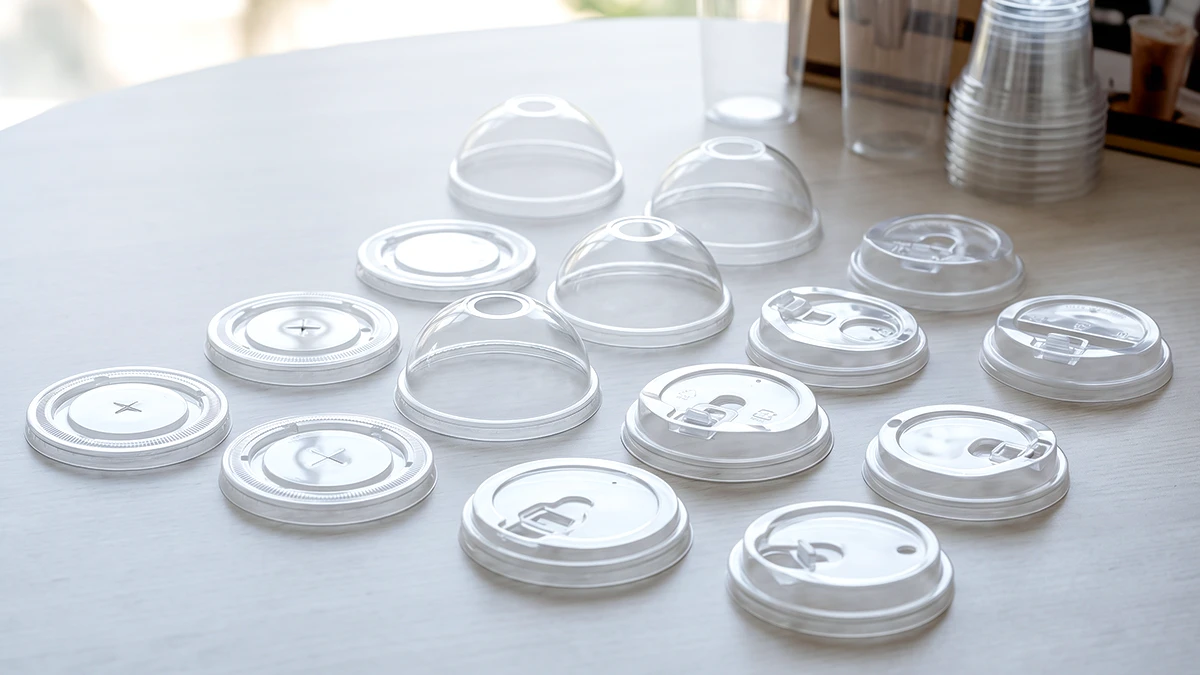
A high-quality lid is just as important as the bowl itself, especially for takeout. A secure lid prevents leaks and spills during transit, ensuring the food arrives fresh and intact. Lids should also be easy for the end-consumer to open and re-seal if needed. Key features to look for include:
- Airtight Seal: Essential for maintaining freshness and preventing leakage of dressings or sauces.
- Anti-fog Properties: For clear plastic lids, an anti-fog coating ensures visibility of the salad, enhancing presentation.
- Ventilation (Optional): For salads that might contain warm components, a small vent can prevent condensation buildup.
- Material Compatibility: Lids should be made from materials compatible with the bowls, ideally from the same family for easier recycling or composting.
Sustainability and Eco-Friendly Options: Meeting Modern Consumer Demands
In an increasingly environmentally conscious market, offering sustainable disposable salad bowls is no longer just a niche but a necessity. Consumers and businesses alike are actively seeking ways to reduce their environmental footprint. Distributors who can provide certified compostable or recyclable options will gain a significant competitive advantage. Highlight the certifications (e.g., BPI Compostable, FDA Food Grade) and the environmental benefits of these products. Partnering with manufacturers like Reliancepak, who prioritize environmentally friendly materials and sustainable production practices, can help you meet this growing demand and appeal to a broader client base.
Cost-Effectiveness and Bulk Purchasing Advantages
For B2B clients, cost-effectiveness is always a primary concern. While sustainable options may have a higher unit cost, their long-term benefits, including enhanced brand image and compliance with environmental regulations, can outweigh the initial investment. Distributors should offer competitive pricing, bulk discounts, and flexible ordering options to cater to businesses of all sizes. Emphasize the value proposition: durable, high-quality bowls that minimize waste and enhance customer experience, ultimately leading to repeat business for your clients. Reliancepak, as a factory with 9 production lines, is well-positioned to offer competitive pricing for bulk orders, ensuring a steady supply for distributors.
Customization and Branding Opportunities
Many businesses seek packaging that reflects their brand identity. Offering customization options, such as custom printing of logos or unique designs on disposable salad bowls, can be a significant selling point. This not only helps clients reinforce their brand but also adds a professional touch to their takeout offerings. Distributors should work with manufacturers who can facilitate these customization requests efficiently, providing mock-ups and ensuring high-quality printing. Reliancepak offers professional customization services, allowing your clients to create unique branded packaging.
Food Safety Certifications and Compliance
Food safety is non-negotiable. Distributors must ensure that all disposable salad bowls they supply meet stringent food safety standards and certifications. Look for products that are FDA approved, EU certified, or comply with other relevant regional regulations. This guarantees that the bowls are safe for direct food contact and will not leach harmful chemicals into the food. Providing documentation of these certifications will build trust with your clients and demonstrate your commitment to quality and safety.
Supply Chain Reliability and Fast Delivery
In the fast-paced food service industry, timely delivery is critical. Distributors need a reliable supply chain to ensure their clients never run out of essential packaging. Partnering with manufacturers known for fast delivery and consistent product availability is crucial. Reliancepak prides itself on fast delivery, a key feature that benefits distributors by ensuring their inventory is always stocked and their clients’ operations run smoothly.
Customer Support and After-Sales Service
Beyond the product itself, the quality of customer support and after-sales service can significantly differentiate a distributor. Offering responsive communication, easy reordering processes, and effective handling of any issues or concerns will foster strong, long-term relationships with your clients. A manufacturer that supports its distributors with excellent service, like Reliancepak, contributes to the overall success of the supply chain.
The Reliancepak Advantage for Distributors
As a distributor, choosing the right manufacturing partner is crucial. Reliancepak, a leading factory and trading company from China with 9 production lines, offers a compelling proposition for disposable salad bowls. Our commitment to quality, fast delivery, professional customization, and a wide range of environmentally friendly materials ensures that you can meet the diverse needs of your B2B clients. We provide food-grade certified products (EU, FDA, etc.) and offer rare products for one-stop purchasing, simplifying your procurement process. Partner with Reliancepak to elevate your offerings and secure a competitive edge in the disposable food packaging market.
Frequently Asked Questions (FAQs)
Q1: What are the most common materials used for disposable salad bowls?
A1: The most common materials are PET plastic, PP plastic, paper/kraft paper (often with PE or PLA lining), PLA (polylactic acid), and sugarcane bagasse.
Q2: Why is lid quality important for takeout salad bowls?
A2: A high-quality lid is crucial for preventing leaks and spills during transport, maintaining food freshness, and ensuring a positive customer experience. Features like an airtight seal and anti-fog properties are highly desirable.
Q3: Are biodegradable salad bowls truly eco-friendly?
A3: Biodegradable bowls, especially those made from PLA or sugarcane bagasse, are designed to break down naturally, reducing environmental impact. However, PLA often requires industrial composting facilities, which may not be available everywhere.
Q4: Can disposable salad bowls be customized with a company logo?
A4: Yes, many manufacturers, including Reliancepak, offer customization services for disposable salad bowls, allowing businesses to print their logos or unique designs to enhance brand visibility.
Q5: What certifications should I look for to ensure food safety?
A5: Look for certifications such as FDA approval, EU food-grade compliance, and other relevant regional food safety standards to ensure the bowls are safe for direct food contact.