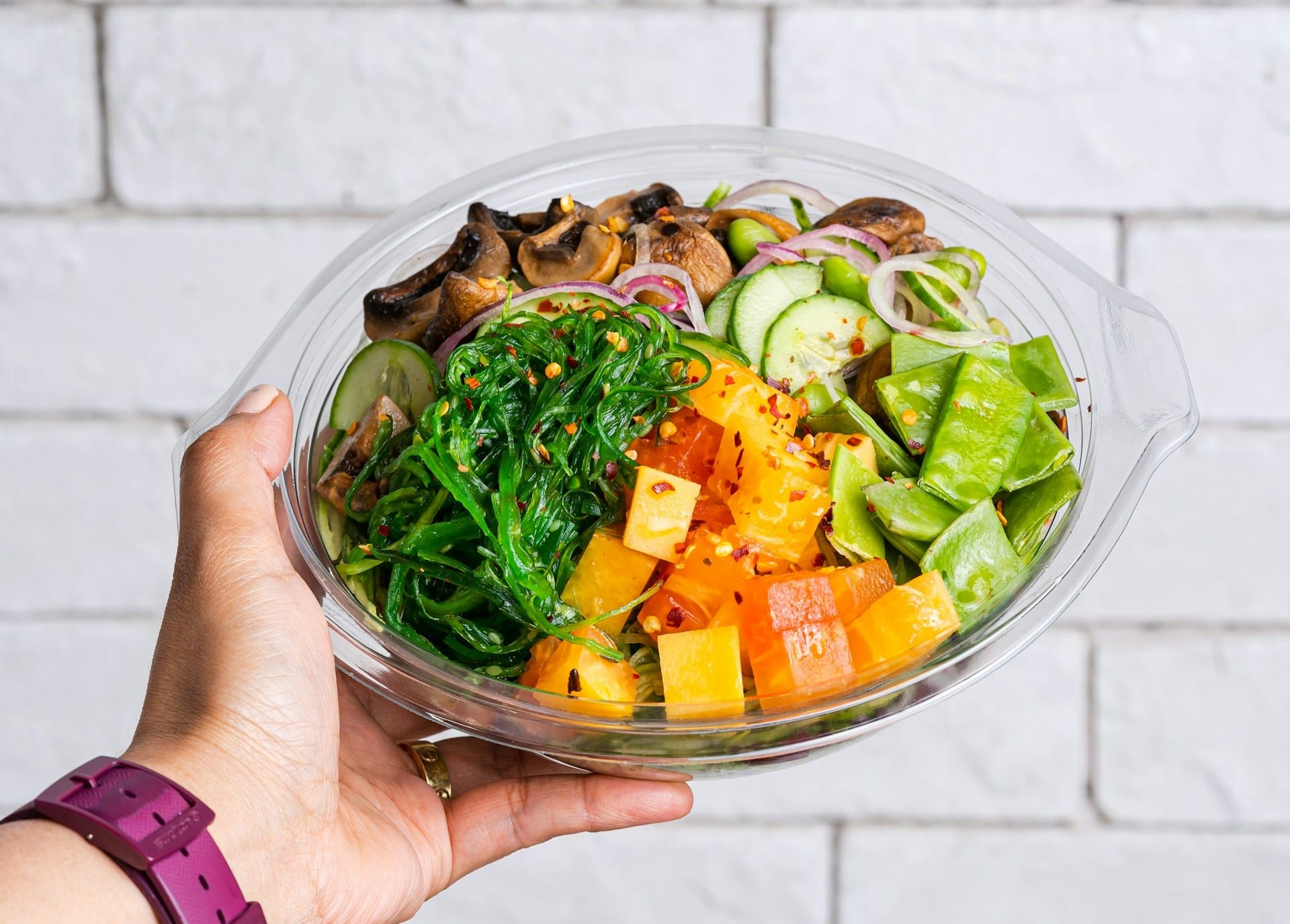
Ordering disposable salad bowls in bulk can be a complex process, especially for distributors and large-scale businesses. While bulk purchasing offers significant cost savings and ensures a steady supply, it also comes with potential pitfalls that can lead to financial losses, operational inefficiencies, and even damage to your brand reputation. This blog post will highlight the top five common mistakes businesses make when ordering disposable salad bowls in bulk and provide actionable advice on how to avoid them. By understanding these challenges and implementing best practices, you can streamline your procurement process, optimize your inventory, and ensure you always have the right packaging solutions for your needs.
Mistake 1: Underestimating Storage and Inventory Management
One of the most common mistakes in bulk ordering is failing to adequately plan for storage and inventory management. While buying in large quantities can reduce per-unit costs, it also requires sufficient space and a robust system to track and manage your stock. Over-ordering can lead to excessive storage costs, product damage, and even obsolescence if market trends shift. Conversely, under-ordering can result in stockouts, disrupting your clients’ operations and potentially leading to lost business.
How to Avoid It:
- Accurate Forecasting: Analyze historical sales data and anticipate future demand to forecast your needs accurately. Consider seasonal variations and upcoming promotions.
- Adequate Storage Space: Ensure you have enough clean, dry, and secure storage space to accommodate bulk deliveries. Factor in accessibility for easy loading and unloading.
- Inventory Management System: Implement a reliable inventory management system to track stock levels, monitor expiration dates (especially for biodegradable materials), and automate reorder points. This helps prevent both overstocking and stockouts.
- Just-in-Time (JIT) Principles: While bulk ordering, explore JIT delivery options with your supplier to minimize on-site storage requirements while maintaining supply continuity.
Mistake 2: Overlooking Material Compatibility and Specific Use Cases
Not all disposable salad bowls are created equal, and a common mistake is to assume one type fits all needs. Different materials perform differently under various conditions (e.g., hot vs. cold food, oily dressings, microwave use). Ordering a large quantity of bowls that are not suitable for your clients’ specific applications can lead to product failures, food spoilage, and customer dissatisfaction.
How to Avoid It:
- Understand Client Needs: Thoroughly understand your clients’ specific requirements, including the types of food they serve, serving temperatures, and any special handling needs (e.g., microwave-safe, freezer-safe).
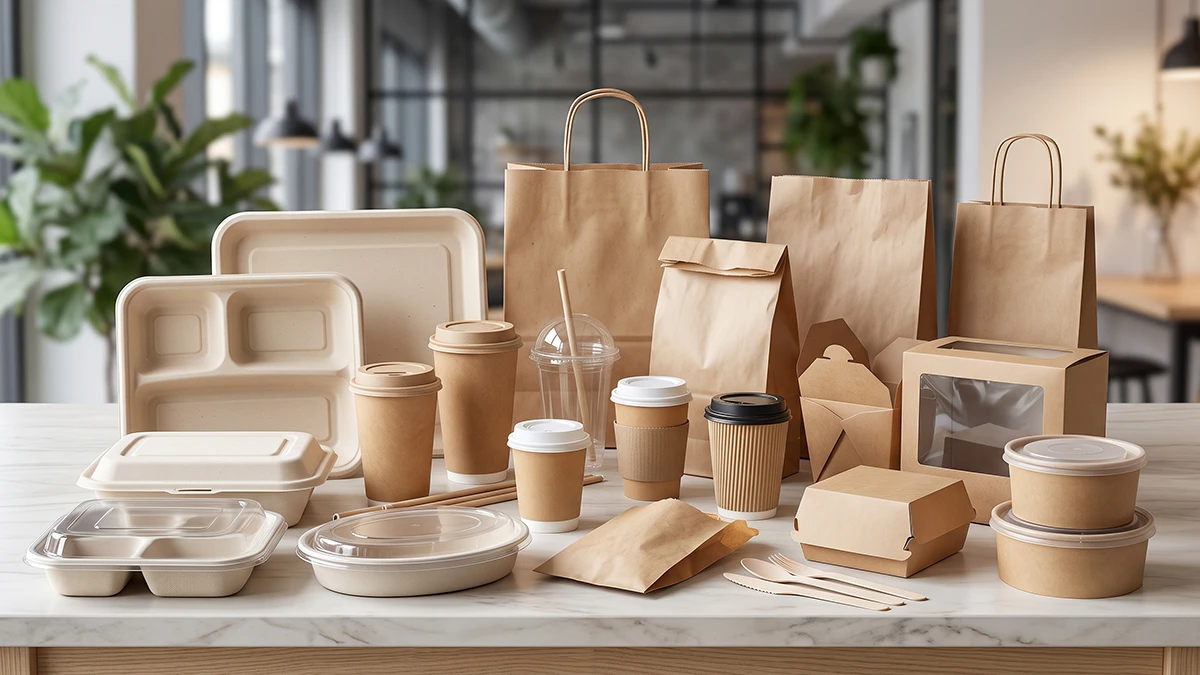
- Material Knowledge: Educate yourself and your team on the properties of different materials like PET, PP, PLA, paper, and sugarcane bagasse. Know their strengths and limitations for various food types and temperatures.
- Test Samples: Before placing a large bulk order, request samples from your supplier and conduct rigorous testing under real-world conditions. This helps verify performance and compatibility.
- Diversify Inventory: Consider stocking a diversified range of disposable salad bowls made from different materials to cater to a broader spectrum of client needs. Reliancepak offers a wide variety of materials to meet diverse requirements.
Mistake 3: Neglecting Quality Control and Food Safety Certifications
In the pursuit of lower prices, some businesses might compromise on quality control and overlook essential food safety certifications. This can have severe consequences, including product defects, contamination risks, and legal liabilities. Disposable food packaging must meet stringent health and safety standards to ensure it is safe for direct food contact and does not leach harmful substances.
How to Avoid It:
- Verify Certifications: Always confirm that your supplier’s products hold relevant food safety certifications such as FDA approval, EU food-grade compliance, BRC, or ISO standards. Request copies of these certificates.
- Supplier Audits: If possible, conduct or request third-party audits of the manufacturing facility to assess their quality control processes and adherence to hygiene standards. Reliancepak, as a factory with 9 production lines, adheres to strict quality control measures.
- Inspect Deliveries: Implement a robust incoming inspection process for all bulk deliveries. Check for visible defects, proper packaging, and ensure quantities match the order.
- Traceability: Ensure your supplier provides full traceability for their products, allowing you to track the origin of materials and manufacturing batches in case of any issues.
Mistake 4: Underestimating Lead Times and Supply Chain Disruptions
Bulk ordering, especially from international suppliers, often involves longer lead times. A common mistake is underestimating these lead times or failing to account for potential supply chain disruptions (e.g., shipping delays, customs issues, raw material shortages). This can lead to critical stockouts, forcing businesses to purchase at higher prices from alternative sources or, worse, halt operations.
How to Avoid It:
- Plan Ahead: Place bulk orders well in advance, considering the full lead time from order placement to delivery at your facility.
- Buffer Stock: Maintain a reasonable buffer stock to mitigate the impact of unexpected delays or sudden spikes in demand.
- Diversify Suppliers: While Reliancepak offers fast delivery and reliable supply, having a backup supplier for critical items can provide an additional layer of security, especially for very large or urgent orders.
- Communication with Supplier: Maintain open and regular communication with your supplier regarding production schedules, shipping updates, and any potential disruptions. Reliancepak prides itself on transparent communication and fast delivery.
Mistake 5: Ignoring Sustainability Trends and Consumer Preferences
The market for disposable food packaging is rapidly evolving, with a strong shift towards sustainable and eco-friendly options. A significant mistake is to ignore these trends and continue ordering traditional, less sustainable materials in bulk. This can lead to a loss of competitive edge, alienate environmentally conscious clients, and potentially result in holding obsolete inventory as regulations and consumer preferences change.
How to Avoid It:
- Stay Informed: Continuously monitor industry trends, new material innovations, and evolving consumer preferences regarding sustainable packaging.
- Offer Eco-Friendly Alternatives: Proactively introduce and promote biodegradable, compostable, or recyclable disposable salad bowls to your clients. Highlight the environmental benefits and how they can enhance their brand image.
- Educate Clients: Help your clients understand the benefits of sustainable packaging and guide them in making informed choices that align with their values and their customers’ expectations.
- Partner with Sustainable Manufacturers: Collaborate with manufacturers like Reliancepak who are committed to producing environmentally friendly products and hold relevant certifications for sustainable materials. Reliancepak offers a range of eco-friendly options and holds Food Grade Certificates (EU, FDA, etc.) for its products.
The Smart Way to Bulk Order Disposable Salad Bowls with Reliancepak
Avoiding these common mistakes is crucial for successful bulk procurement of disposable salad bowls. By focusing on accurate forecasting, understanding material compatibility, prioritizing quality and safety, planning for lead times, and embracing sustainability, you can optimize your purchasing strategy. Reliancepak, as a B2B wholesale manufacturer and trading company with 9 production lines, is your ideal partner. We offer fast delivery, professional customization, a wide range of high-quality products, and adherence to global food safety standards. Partner with us to ensure your bulk orders are seamless, cost-effective, and perfectly meet the evolving demands of the food packaging market.
Frequently Asked Questions (FAQs)
Q1: What are the risks of underestimating storage space for bulk orders?
A1: Underestimating storage can lead to excessive storage costs, product damage, and obsolescence due to market shifts or product expiration.
Q2: Why is it important to test samples before a large bulk order?
A2: Testing samples under real-world conditions helps verify the product’s performance and compatibility with your specific use cases, preventing costly mistakes with large quantities.
Q3: What food safety certifications should I look for in disposable salad bowls?
A3: Look for certifications like FDA approval, EU food-grade compliance, BRC, or ISO standards to ensure the products are safe for direct food contact.
Q4: How can I mitigate risks from long lead times and supply chain disruptions?
A4: Plan orders well in advance, maintain a reasonable buffer stock, consider diversifying suppliers, and maintain open communication with your primary supplier like Reliancepak.
Q5: Why is embracing sustainable packaging important for businesses today?
A5: Embracing sustainable packaging helps meet evolving consumer preferences, enhances brand image, and ensures compliance with environmental regulations, providing a competitive edge in the market.