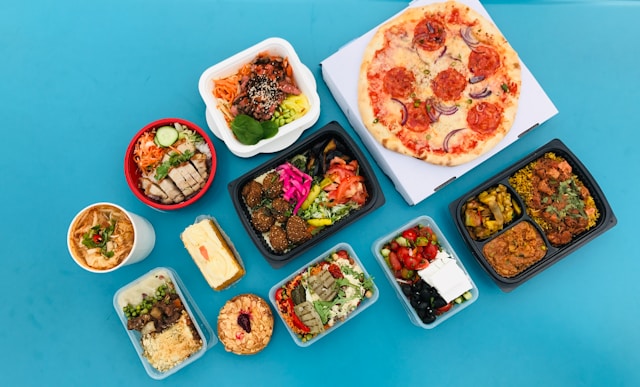
For businesses specializing in cold food packaging, such as salad bars, delis, and meal prep services, selecting the right disposable salad bowls is critical. The ideal bowl must not only preserve the freshness and integrity of the food but also offer cost-effectiveness and align with sustainability goals. This blog post provides a comprehensive performance and cost comparison of various disposable salad bowl materials, helping you make informed decisions that optimize your operations and satisfy your customers. We will explore key attributes like insulation, leak resistance, durability, and environmental impact, alongside their associated costs, to guide your procurement strategy.
The Critical Role of Performance in Cold Food Packaging
When it comes to cold food packaging, performance is paramount. Unlike hot foods, which require heat retention, cold foods like salads demand packaging that maintains a cool, crisp temperature and prevents wilting. The performance of a disposable salad bowl directly impacts food quality, safety, and customer satisfaction. Key performance indicators include:
- Insulation: The ability to maintain a consistent cold temperature, protecting the food from external heat.
- Moisture and Leak Resistance: Essential for containing dressings and preventing sogginess, which can ruin a salad’s texture and taste.
- Durability: The bowl must be sturdy enough to withstand handling and transportation without cracking or collapsing.
- Clarity and Presentation: For many businesses, showcasing the freshness of their salads is a key marketing tool, making transparent materials highly desirable.
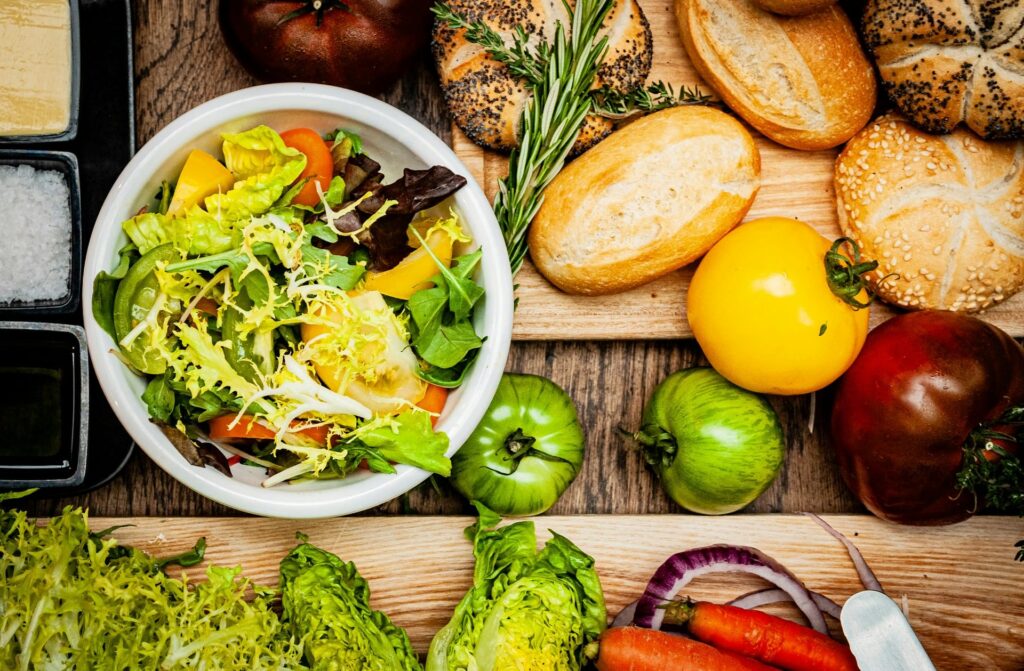
Material Deep Dive: A Head-to-Head Comparison
Let’s delve into a detailed comparison of the most common materials used for disposable salad bowls, evaluating their performance and cost implications for cold food packaging.
PET (Polyethylene Terephthalate)
PET is a go-to choice for cold food packaging due to its exceptional clarity and durability. It offers a premium look that showcases the vibrant colors and fresh ingredients of a salad, making it highly appealing to consumers. PET is also highly resistant to oils and fats, making it an excellent choice for salads with rich dressings. While not suitable for hot foods, its performance in cold applications is top-tier.
PP (Polypropylene)
PP is another versatile plastic option, known for its durability and good chemical resistance. While not as crystal-clear as PET, it offers a slightly more flexible and less brittle alternative. PP is also a cost-effective choice, making it a popular option for businesses looking to balance performance and budget. It’s a reliable workhorse for a wide range of cold food applications.
Paper and Kraft Paper
Paper-based bowls, particularly those made from Kraft paper, offer a natural, eco-friendly aesthetic that resonates with many consumers. They are lightweight and can be easily customized with branding. However, for cold, wet foods like salads, they require a protective lining (typically PE or PLA) to prevent leaks and maintain structural integrity. The performance of paper bowls is highly dependent on the quality of this lining.
PLA (Polylactic Acid)
PLA is a plant-based, compostable bioplastic that offers the clarity of PET with the added benefit of sustainability. It’s an excellent choice for businesses looking to minimize their environmental impact without sacrificing the visual appeal of their products. PLA performs exceptionally well with cold foods but has a lower heat tolerance than traditional plastics, making it unsuitable for hot applications.
Sugarcane Bagasse
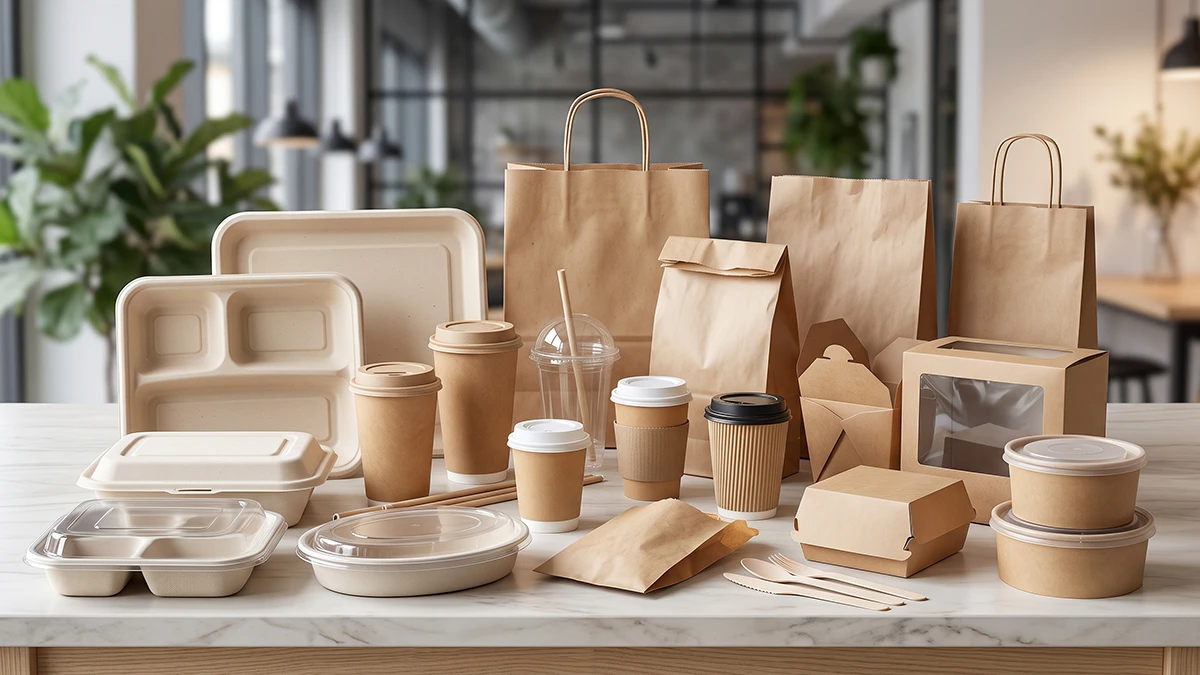
Sugarcane bagasse is a highly sustainable and compostable material made from the fibrous residue of sugarcane processing. It offers excellent insulation properties, helping to keep salads cool and fresh. While opaque, its natural, textured appearance can provide a premium, eco-conscious feel. Bagasse is also sturdy and grease-resistant, making it a robust option for a variety of cold food applications.
Performance and Cost Comparison Table
To help you visualize the trade-offs, here’s a detailed comparison of the different materials:
| Material | Insulation | Leak Resistance | Durability | Clarity | Environmental Impact | Relative Cost |
|---|---|---|---|---|---|---|
| PET | Good | Excellent | Excellent | Excellent | Recyclable | Medium |
| PP | Good | Very Good | Very Good | Good | Recyclable | Low-Medium |
| Paper/Kraft | Fair | Good (with lining) | Good | Opaque | Recyclable/Compostable (depends on lining) | Low-Medium |
| PLA | Good | Excellent | Excellent | Excellent | Compostable | Medium-High |
| Sugarcane Bagasse | Excellent | Excellent | Very Good | Opaque | Compostable | Medium-High |
Making the Right Choice for Your Business
Choosing the best disposable salad bowl for your business depends on a careful balance of performance, cost, and branding. Here are some key considerations to guide your decision:
- Prioritize Food Quality: If maintaining the absolute freshest, crispest salads is your top priority, materials with excellent insulation and leak resistance like PET, PLA, or sugarcane bagasse are your best bets.
- Consider Your Brand Identity: If your brand is built on sustainability, investing in compostable options like PLA or sugarcane bagasse can reinforce your message and attract eco-conscious customers. For a more traditional, high-visibility approach, PET is an excellent choice.
- Analyze Your Budget: For businesses operating on tighter margins, PP and paper/kraft bowls can offer a cost-effective solution without a significant compromise in performance for most cold food applications.
- Think About Your Customers: Understand your target audience and their preferences. Are they willing to pay a premium for sustainable packaging? Does the visual appeal of a clear container influence their purchasing decisions?
The Reliancepak Advantage: Quality, Cost, and Customization
At Reliancepak, we understand the diverse needs of the cold food packaging market. As a leading manufacturer with 9 production lines, we offer a wide range of disposable salad bowls in various materials, including PET, PP, paper, and eco-friendly options. Our commitment to quality ensures that our products meet the highest performance standards, while our scale allows us to offer competitive pricing, especially for bulk orders. Furthermore, our professional customization services enable you to create branded packaging that sets you apart from the competition. Partner with Reliancepak for a reliable supply of high-performance, cost-effective disposable salad bowls tailored to your specific needs.
Frequently Asked Questions (FAQs)
Q1: What are the most important performance factors for cold food packaging?
A1: Key performance factors include insulation to maintain cold temperatures, moisture and leak resistance to prevent sogginess, durability to withstand handling, and clarity for appealing presentation.
Q2: Which disposable salad bowl material offers the best clarity for showcasing food?
A2: PET (Polyethylene Terephthalate) and PLA (Polylactic Acid) are known for their exceptional clarity, allowing the vibrant colors of salads to be showcased effectively.
Q3: Are paper-based salad bowls suitable for cold food packaging?
A3: Yes, paper-based bowls can be suitable for cold food packaging, but they require a protective lining (like PE or PLA) to ensure moisture and leak resistance.
Q4: What is the main advantage of using sugarcane bagasse bowls for cold food?
A4: Sugarcane bagasse bowls offer excellent insulation properties, are highly sustainable and compostable, and provide a sturdy, grease-resistant option for cold food applications.
Q5: How does Reliancepak help businesses choose the right disposable salad bowls?
A5: Reliancepak offers a wide range of disposable salad bowls in various materials, providing high-quality, cost-effective, and customizable solutions to meet diverse business needs for cold food packaging.