In an environmentally conscious era, businesses seek to reduce their ecological footprint. For food service, sustainable packaging is in high demand. Disposable lunch boxes with recycled content offer a compelling way to balance performance with environmental goals. This guide explores the benefits, challenges, and considerations of using recycled materials in food packaging, showing how businesses can make responsible choices without compromising quality. Reliancepak leads this movement, offering innovative recycled content lunch boxes that meet food safety standards and contribute to a circular economy.
The Growing Imperative for Sustainable Packaging
The global shift towards sustainability is a mainstream expectation, driven by consumer awareness, regulations, and corporate responsibility. In food service, disposable packaging’s environmental impact is under scrutiny. Landfill accumulation, plastic pollution, and resource depletion demand innovative solutions.
Consumers increasingly choose brands committed to sustainability. This pushes businesses to re-evaluate their supply chains, with packaging as a key improvement area. Governments promote recycled materials and reduce virgin plastic. Incorporating recycled content into disposable lunch boxes is not just ethical; it’s strategic for enhancing brand image, meeting regulations, and appealing to eco-conscious customers. This proactive approach differentiates businesses and benefits the planet.
Benefits of Using Recycled Content in Disposable Lunch Boxes
Integrating recycled content into disposable lunch boxes offers compelling environmental, economic, and brand benefits, making a strong case for sustainable packaging.
- Reduced Environmental Impact: Lessens demand for virgin resources, conserves energy, decreases greenhouse gas emissions, and diverts waste from landfills, fostering a circular economy.
- Enhanced Brand Image and Customer Loyalty: Demonstrates environmental responsibility, appealing to eco-conscious customers, leading to increased loyalty and new clientele.
- Compliance with Regulations and Future-Proofing: Helps businesses comply with current and future regulations mandating recycled content, avoiding fines and market restrictions.
- Resource Conservation: Reduces the need to extract new raw materials, conserving natural resources and reducing ecological impact.
- Innovation and Market Differentiation: Drives innovation in materials and manufacturing, allowing businesses to differentiate themselves and showcase sustainability leadership.
- Potential Cost Savings (Long-Term): Can include reduced waste disposal fees, tax incentives, and improved supply chain resilience. A strong sustainability profile attracts investors.
These benefits highlight the strategic importance of recycled content in disposable lunch boxes, aligning business success with environmental stewardship.
Types of Recycled Content Materials for Disposable Lunch Boxes
The landscape of recycled content materials for disposable lunch boxes is rapidly evolving, offering businesses more choices for sustainability. These materials are categorized by origin and processing. Reliancepak explores and offers innovative solutions.
Post-Consumer Recycled (PCR) Plastics
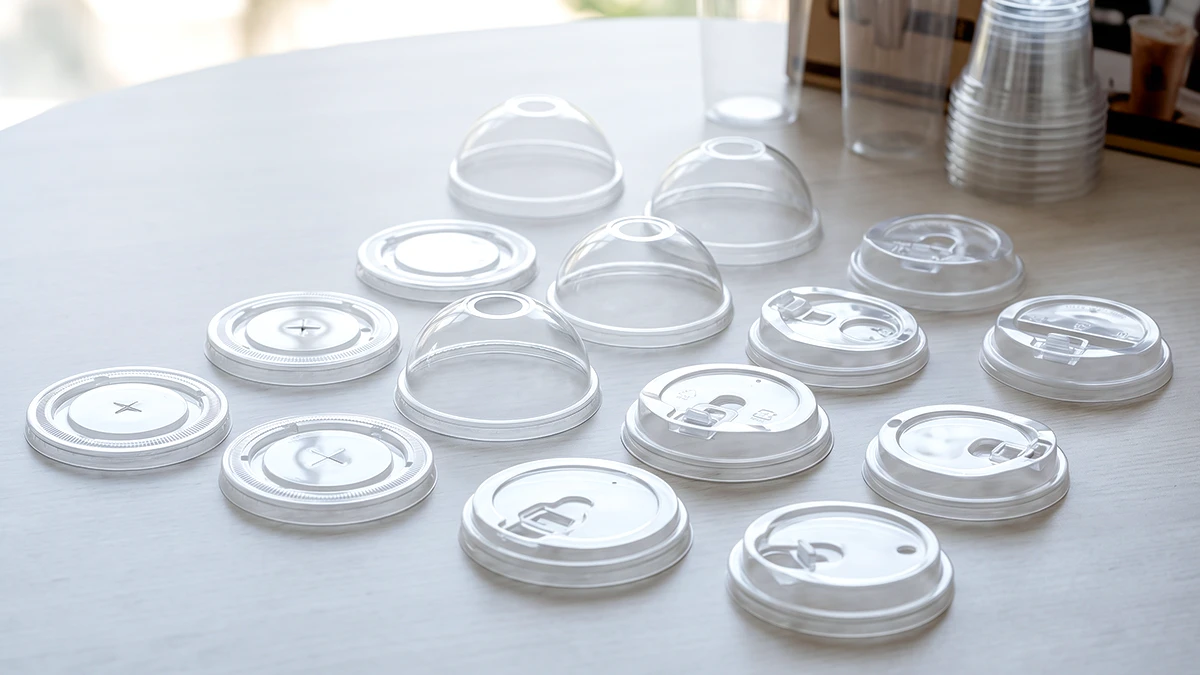
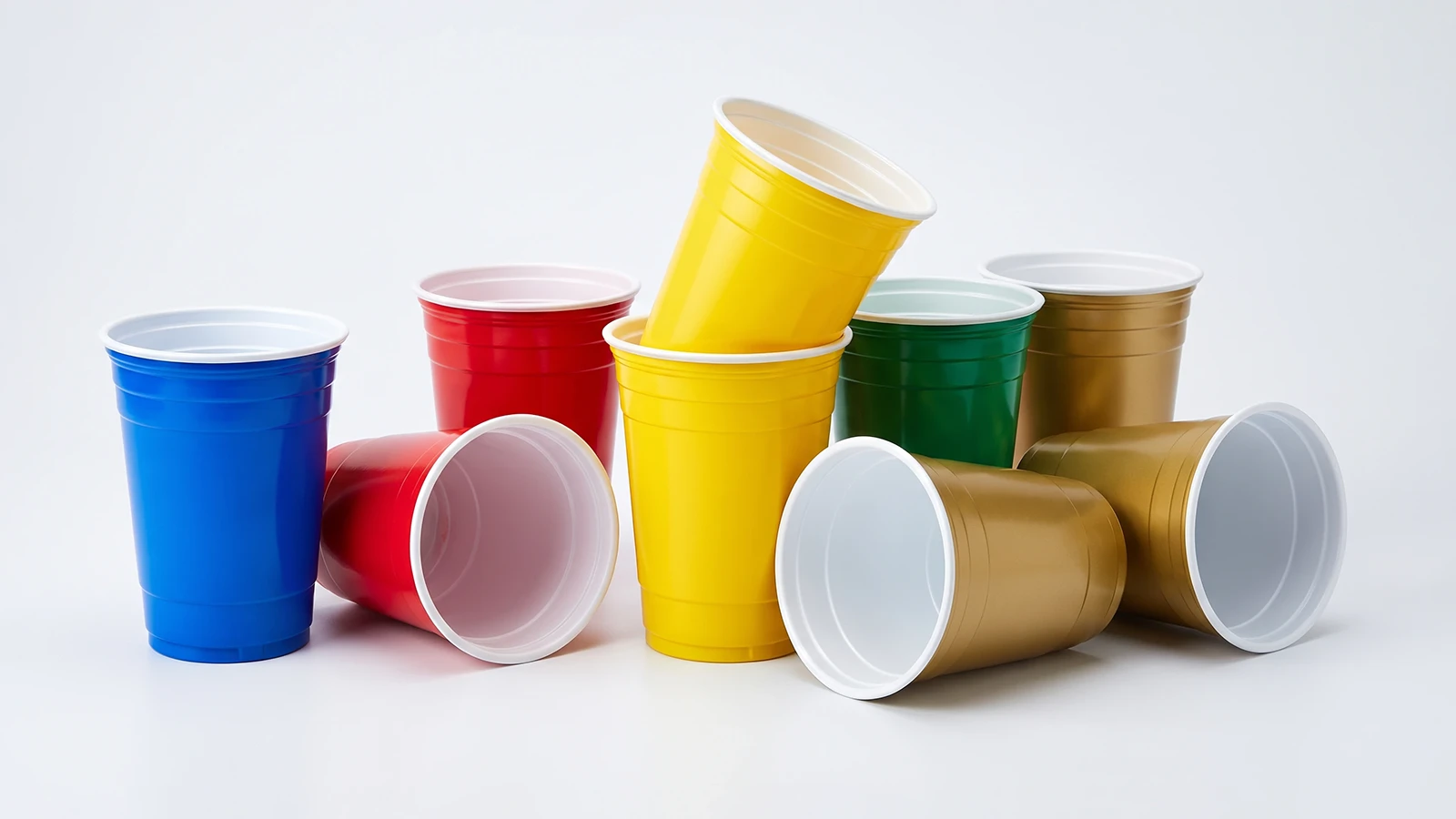
PCR plastics come from consumer plastic waste (e.g., PET bottles, PP containers). They are cleaned, sorted, re-processed, and used for new products, reducing virgin resource reliance and landfill waste. PCR PP and PET are common for non-food contact layers or with functional barriers. Ensuring food-grade safety and consistent quality for direct food contact is a key challenge.
Recycled Paperboard and Molded Fiber
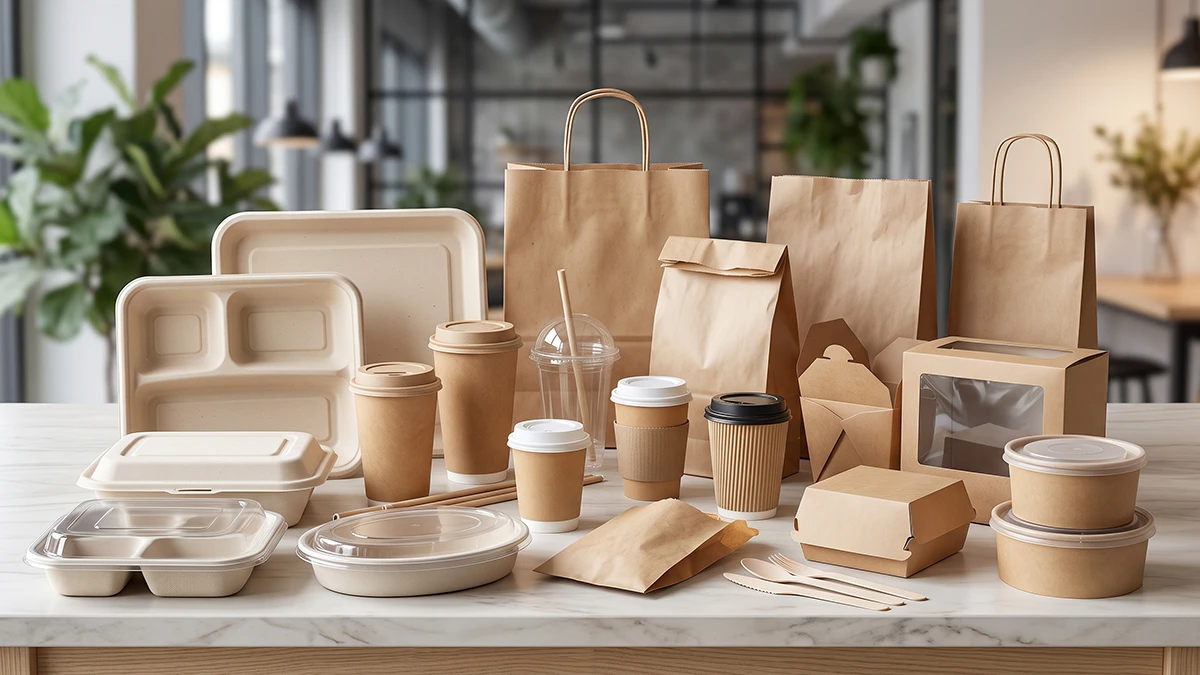
Recycled paperboard and molded fiber are excellent options for dry or semi-dry foods, made from recycled paper/cardboard. They are highly sustainable alternatives. Molded fiber forms various shapes, providing rigidity and insulation. While sustainable, liquid performance often requires barrier coatings, which can impact recyclability. Advancements are leading to more effective, eco-friendly barrier solutions.
Bioplastics with Recycled Content
This emerging category involves bioplastics incorporating recycled content. Manufacturers blend bio-based materials with recycled conventional plastics or bioplastics. This combines bio-based benefits with recycling circularity, further reducing environmental impact. This area is developing but shows significant promise for future sustainable packaging.
Here’s a comparison of common recycled content materials:
| Material Type | Source | Advantages | Considerations |
|---|---|---|---|
| PCR Plastics | Post-consumer plastic waste | Reduces virgin resource use, diverts waste | Food-grade safety, consistent quality |
| Recycled Paperboard/Molded Fiber | Recycled paper/cardboard | Highly sustainable, renewable | Liquid resistance, barrier coatings |
| Bioplastics with Recycled Content | Biomass + recycled materials | Combines bio-based with circularity | Still developing, cost |
Choosing the right recycled content material balances environmental benefits with performance, food safety, and cost-effectiveness.
Challenges and Considerations for Recycled Content Packaging
While beneficial, using recycled content in disposable lunch boxes presents challenges in performance, food safety, and cost. Reliancepak addresses these through rigorous quality control and innovative manufacturing.
Food Safety and Regulatory Compliance
Food safety is paramount. Recycled content, especially plastics, must meet stringent food-grade standards. PCR materials can contain contaminants, so direct food contact applications require rigorous cleaning and purification. This often involves specialized technologies and can increase material cost. Businesses must verify certified food-grade recycled content from suppliers.
Performance and Durability
Recycled materials can differ from virgin materials in clarity, strength, or heat resistance. Ensure recycled content doesn’t compromise structural integrity, leak-proof capabilities, or microwave safety, especially for demanding food service. Recycled paperboard may have different moisture barrier properties.
Supply Chain and Consistency
Availability and consistent quality of recycled materials can vary more than virgin materials. High-quality post-consumer waste supply fluctuates, and recycled content properties vary by source and technology. Businesses need reliable suppliers with robust sourcing and quality control.
Cost Implications
High-quality, food-grade recycled content can sometimes cost more than virgin materials due to processing. Businesses must weigh these costs against environmental benefits, brand value, and potential regulatory incentives.
Consumer Perception and Communication
Some consumers may misunderstand recycled materials’ hygiene or quality. Clear, transparent communication about safety, quality, and environmental benefits is essential to build trust. Certifications and clear labeling help.
| Challenge | Consideration | Reliancepak’s Approach |
|---|---|---|
| Food Safety | Contamination, regulatory compliance | Certified food-grade materials, rigorous testing |
| Performance | Durability, clarity, heat resistance | Advanced manufacturing, material blending |
| Supply Chain | Availability, consistency | Robust sourcing, strong supplier relationships |
| Cost | Higher initial investment | Competitive pricing, value proposition |
| Perception | Consumer misconceptions | Transparent communication, clear labeling |
Addressing these challenges proactively allows businesses to successfully integrate recycled content into their disposable lunch boxes, achieving environmental goals without compromising quality or satisfaction.
Ensuring Food-Grade Safety with Recycled Content
Food safety is paramount for disposable lunch boxes. When using recycled content, especially plastics, ensuring food-grade standards is a complex but critical process involving advanced technologies and strict regulations.
Advanced Recycling Technologies
To achieve food-grade quality, advanced recycling technologies are used, as traditional mechanical processes can leave impurities. These include:
- Super-Cleaning Processes: Multiple washing, sorting, and decontamination steps remove impurities from post-consumer plastic waste, often using high temperatures and specialized chemicals.
- Chemical Recycling (Advanced Recycling): This technology breaks down plastic waste into molecular components, which are then re-polymerized into new, virgin-quality plastic, effectively eliminating contaminants for direct food contact.
Regulatory Compliance and Certifications
Regulatory bodies (FDA, EFSA) have strict guidelines for recycled content in food packaging. Suppliers must demonstrate compliance through testing and certification, proving no harmful substances migrate from packaging to food.
Functional Barriers
Sometimes, recycled content is used in a non-food contact layer with a virgin plastic layer acting as a functional barrier. This ensures food safety while incorporating recycled content, contributing to sustainability.
| Safety Measure | Description | Purpose |
|---|---|---|
| Super-Cleaning | Multi-step decontamination of recycled plastics | Removes impurities for food-grade quality |
| Chemical Recycling | Breaks down plastic to molecular level, re-polymerizes | Produces virgin-quality plastic, eliminates contaminants |
| Regulatory Certifications | Adherence to FDA, EFSA standards | Ensures material is safe for food contact |
| Functional Barriers | Virgin layer separates recycled content from food | Provides additional food safety assurance |
These measures enable manufacturers to produce environmentally responsible and safe disposable lunch boxes with recycled content.
Why Choose Reliancepak for Your Recycled Content Disposable Lunch Boxes
As demand for sustainable packaging grows, choosing an innovative and reliable supplier is crucial. Reliancepak leads in providing high-quality recycled content disposable lunch boxes, helping businesses achieve environmental goals without compromising performance or safety.
Commitment to Sustainability and Innovation
Reliancepak recognizes the importance of a circular economy. We develop packaging solutions that minimize environmental impact, actively investing in innovative materials and processes for recycled content (PCR plastics, recycled paperboard). Sustainability is core to our strategy, driving eco-friendly and effective solutions.
Rigorous Quality Control and Food Safety Assurance
Food safety is non-negotiable. Reliancepak adheres to the highest quality control standards, ensuring all recycled content materials meet stringent international food-grade certifications (FDA, EU). We work with trusted suppliers and use advanced manufacturing to guarantee purity, consistency, and safety. Our products are safe for direct food contact and perform reliably.
Balancing Performance with Environmental Goals
Sustainability should not compromise performance. Our recycled content disposable lunch boxes offer the same durability, leak-proof capabilities, and heat resistance as virgin material counterparts. We carefully select and blend materials to meet your functional requirements, allowing seamless transition to sustainable packaging.
Professional Customization and Partnership
Reliancepak offers professional customization for recycled content packaging. Tailor designs to your needs, including custom printing and bespoke designs. We partner with clients to understand sustainability objectives, providing expert guidance and free samples to verify quality and performance.
Choosing Reliancepak means partnering with a forward-thinking supplier dedicated to helping you achieve environmental goals while delivering superior packaging that protects food, enhances your brand, and contributes to a sustainable future.
Practical Applications of Recycled Content Packaging
Recycled content disposable lunch boxes are increasingly adopted across food service, demonstrating versatility in meeting operational and environmental objectives. Applications span from quick-service restaurants to large catering operations, showcasing sustainability commitment.
Quick-Service Restaurants (QSRs) and Fast Casual
QSRs and fast-casual establishments use much disposable packaging. Incorporating recycled content aligns them with eco-friendly consumer demand without sacrificing speed/convenience. This includes burger boxes, fry containers, and salad bowls from recycled paperboard or PCR plastics, enhancing their environmentally responsible image.
Meal Delivery and Takeout Services
With booming food delivery, immense disposable packaging is used. Recycled content mitigates environmental impact. Leak-proof, microwave-safe options from recycled materials ensure safe, reheatable food, contributing to a circular economy. This is relevant for sustainable or ethical brands.
Institutional Food Service
Schools, hospitals, and corporate cafeterias serve many daily meals. Shifting to recycled content lunch boxes significantly reduces virgin material consumption and waste. This supports their sustainability initiatives and educates a large population on responsible consumption.
Catering and Events
For caterers and event organizers, disposable packaging offers convenience. Choosing recycled content provides sustainable solutions for large gatherings. This meets growing client demand for eco-friendly event practices.
| Application Area | Key Benefit of Recycled Content | Example Products |
|---|---|---|
| QSRs/Fast Casual | Brand image, consumer appeal | Burger boxes, salad bowls |
| Meal Delivery | Reduced environmental footprint | Leak-proof meal containers |
| Institutional | Large-scale waste reduction | Cafeteria lunch trays |
| Catering/Events | Sustainable event solutions | Party platters, individual meal boxes |
These diverse applications show that recycled content disposable lunch boxes are viable solutions for various food service operations, helping businesses meet environmental goals while maintaining high service standards.
Conclusion
Incorporating recycled content into disposable lunch boxes is a powerful step towards sustainability without sacrificing performance. It helps food service businesses reduce their environmental footprint, enhance brand image, and meet eco-friendly demand. Despite challenges in food safety, performance, and supply chain, advancements in recycling and quality control make recycled content packaging increasingly attractive. Partnering with Reliancepak, an innovative supplier, allows businesses to confidently embrace recycled content lunch boxes, balancing operational needs with a commitment to a sustainable future. Choose responsibly and contribute to a healthier planet with every meal served.
FAQ
Q1: Is recycled content food-safe for disposable lunch boxes?
A1: Yes, when properly processed and certified, recycled content can be food-safe. Reputable manufacturers use advanced cleaning and purification to meet food-grade standards (FDA, EU).
Q2: What types of recycled materials are used in disposable lunch boxes?
A2: Common types include Post-Consumer Recycled (PCR) plastics (PET, PP) and recycled paperboard/molded fiber. Some bioplastics with recycled content are also emerging.
Q3: Does using recycled content affect the performance of the lunch box?
A3: High-quality recycled content, properly integrated, should not compromise performance. Manufacturers like Reliancepak ensure products maintain durability, leak-proof capabilities, and other functional properties.
Q4: How can I verify that a disposable lunch box contains recycled content?
A4: Look for clear labeling on the product or packaging indicating recycled content percentage. Reputable suppliers provide certifications and documentation for material origin and safety.
Q5: Are disposable lunch boxes with recycled content always recyclable themselves?
A5: Not necessarily. Recyclability depends on material composition and local infrastructure. Always check recycling symbols and local guidelines.