

Introduction
In the globalized food supply chain, maintaining the quality and safety of perishable produce during transit is a critical challenge. The cold chain, a temperature-controlled supply chain, plays an indispensable role in preserving the freshness, nutritional value, and safety of fruits, vegetables, and other temperature-sensitive food items. Effective produce packaging supplies are at the heart of a successful cold chain, acting as the primary line of defense against temperature fluctuations and physical damage. This blog post will delve into the essential features and considerations for selecting the right produce packaging supplies for cold chain applications, ensuring your products arrive at their destination in optimal condition.
The Imperative of Cold Chain for Produce
Fresh produce is highly susceptible to spoilage, degradation, and contamination if not kept within specific temperature ranges. The cold chain is not merely a logistical preference; it is a fundamental requirement for many types of fruits and vegetables to maintain their quality from harvest to consumption. Any break in the cold chain can lead to rapid deterioration, microbial growth, and significant economic losses. Therefore, understanding the critical role of temperature control is the first step in appreciating the importance of specialized produce packaging supplies.
Preventing Spoilage and Extending Shelf Life
Temperature directly influences the metabolic activities of produce, including respiration and ripening. Higher temperatures accelerate these processes, leading to faster spoilage, wilting, and loss of nutritional content. Conversely, maintaining optimal low temperatures slows down these biological activities, significantly extending the produce’s shelf life. Cold chain produce packaging supplies are designed to insulate and protect products from external heat, thereby preserving their freshness for longer durations.
Inhibiting Microbial Growth
Many spoilage-causing bacteria, yeasts, and molds thrive in warmer temperatures. Keeping produce at consistently low temperatures within the cold chain effectively inhibits the growth of these microorganisms, reducing the risk of contamination and decay. This is crucial for food safety and public health. The right produce packaging supplies contribute to this by creating a stable, controlled environment that discourages microbial proliferation.
Maintaining Quality and Appearance
Beyond safety and shelf life, the cold chain ensures that produce retains its desirable sensory attributes—texture, color, flavor, and aroma. Temperature abuse can lead to undesirable changes, such as softening, discoloration, or the development of off-flavors. Specialized produce packaging supplies help maintain the integrity of the cold chain, ensuring that the produce looks and tastes as fresh as possible upon arrival, which is vital for consumer appeal and market value.
Key Features of Effective Cold Chain Produce Packaging Supplies
Designing or selecting produce packaging supplies for cold chain applications requires careful consideration of several critical features. These features work in concert to create a protective environment that safeguards perishable goods from temperature excursions and physical damage throughout their journey.
Superior Insulation Properties
The primary function of cold chain produce packaging supplies is to provide thermal insulation. This means minimizing heat transfer between the external environment and the produce inside the package. Materials with low thermal conductivity are essential. Common insulating materials include:
- Expanded Polystyrene (EPS) Foam: Lightweight, cost-effective, and offers good insulation. Often used for insulated boxes and coolers.
- Polyurethane (PUR) Foam: Provides excellent insulation with a higher R-value (thermal resistance) than EPS, making it suitable for more demanding applications.
- Vacuum Insulated Panels (VIPs): Offer superior thermal performance due to their vacuum core, providing very high insulation in a thin profile. Ideal for sensitive or long-haul shipments.
- Thermal Liners and Blankets: Made from reflective materials or multiple layers of insulation, these can be used to line boxes or cover pallets, providing an additional layer of thermal protection.
Moisture and Condensation Control
Temperature fluctuations within the cold chain can lead to condensation inside the packaging, which promotes microbial growth and can damage produce. Effective produce packaging supplies must manage moisture. This can be achieved through:
- Moisture-absorbing materials: Some packaging materials can absorb excess humidity.
- Ventilation: Controlled ventilation, often through micro-perforations, allows for the escape of excess moisture while maintaining the desired internal atmosphere.
- Water-resistant coatings: Coatings on paper-based packaging can prevent water absorption and maintain structural integrity in humid environments.
Durability and Physical Protection
Produce, especially delicate fruits and vegetables, needs protection from physical impact during handling, stacking, and transportation. Cold chain produce packaging supplies must be robust enough to withstand the rigors of the supply chain. Key aspects include:
- Stacking Strength: Packaging should be designed to bear the weight of stacked units without collapsing, preventing damage to the produce below.
- Impact Resistance: Materials and designs that absorb shocks and vibrations are crucial to prevent bruising and crushing.
- Secure Closures: Lids and closures must be secure to prevent accidental opening and maintain the integrity of the internal environment.
Compatibility with Refrigerants
To maintain desired temperatures, cold chain produce packaging supplies often work in conjunction with refrigerants. The packaging must be compatible with these cooling agents. Common refrigerants include:
- Gel Packs: Non-toxic, reusable, and maintain a consistent temperature for extended periods. Ideal for maintaining chilled temperatures.
- Ice Packs: Similar to gel packs but use water as the cooling medium. Effective for short-duration cooling.
- Dry Ice: Solid carbon dioxide, used for maintaining frozen or very low temperatures. Requires proper ventilation due to CO2 sublimation.
- Phase Change Materials (PCMs): Engineered to maintain specific temperature ranges by absorbing and releasing latent heat during phase transitions. Offer precise temperature control for sensitive products.
Visibility and Traceability
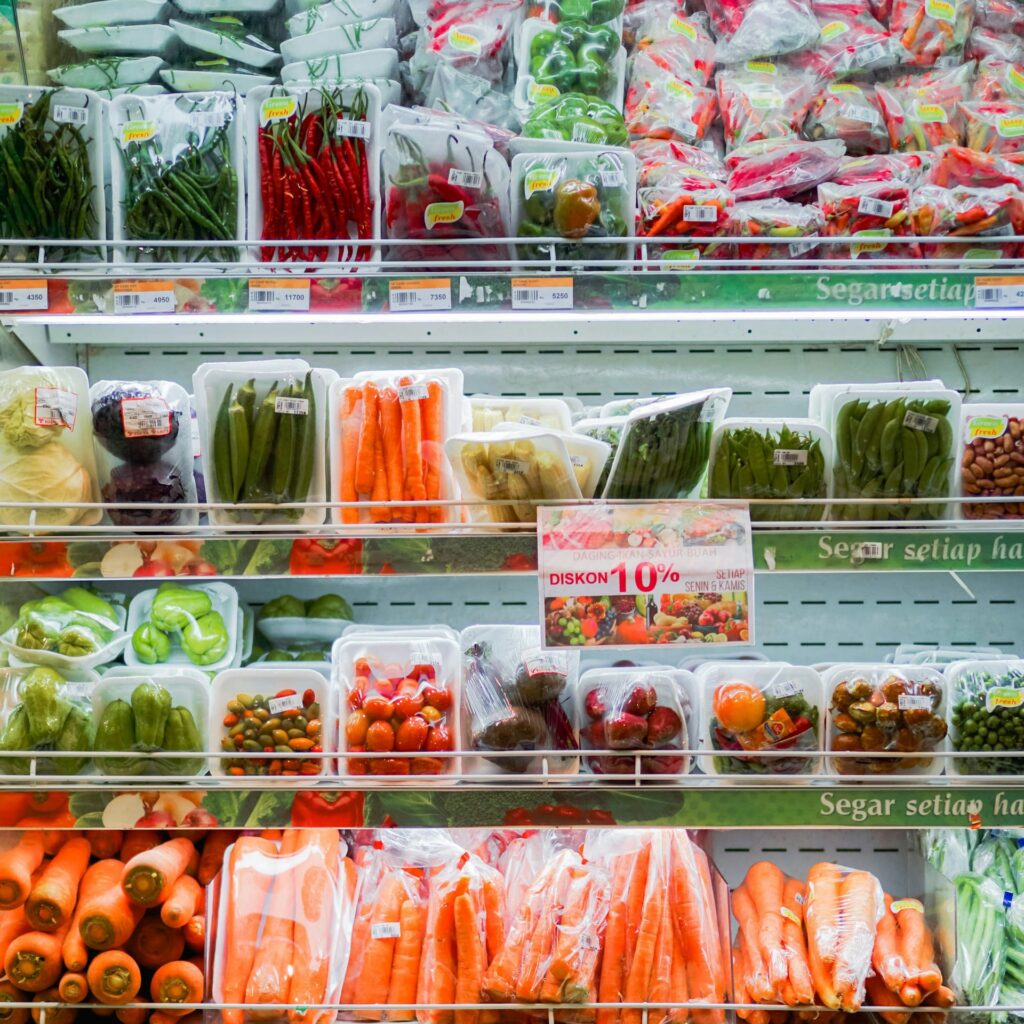
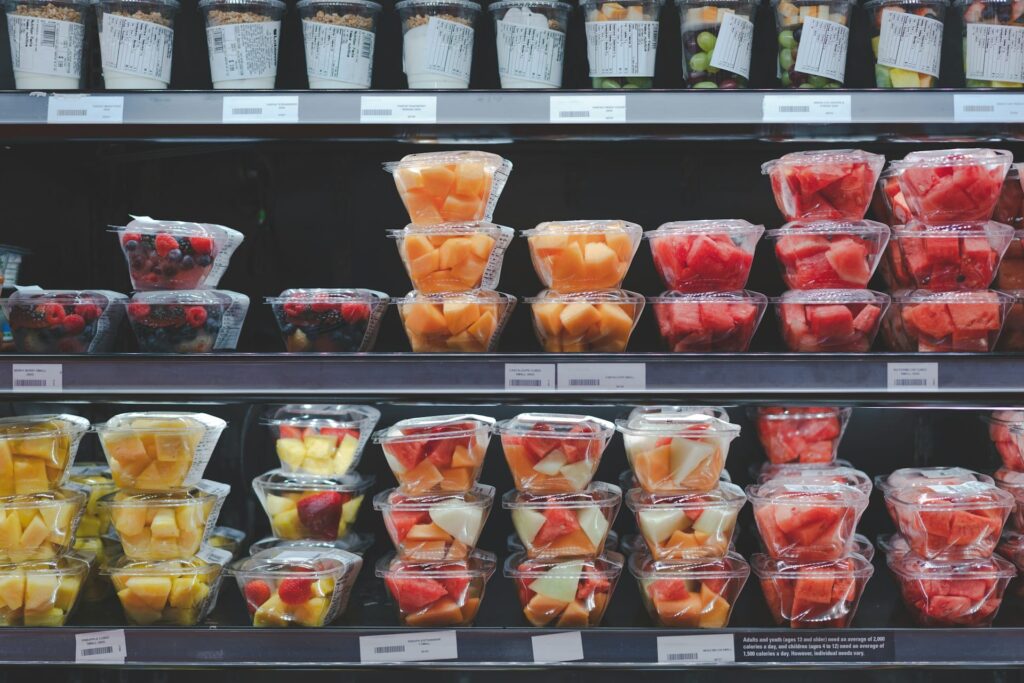
While protection is paramount, visibility and traceability are also important for efficient cold chain management. Packaging should allow for easy identification of contents and provide space for labels, barcodes, and temperature indicators. This facilitates quick sorting, inventory management, and quality control. Transparent sections or windows in produce packaging supplies can also enhance product appeal.
Designing for Cold Chain Success: Reliancepak’s Approach
Reliancepak understands the complexities of cold chain logistics and offers a comprehensive range of produce packaging supplies designed to meet these stringent requirements. Our expertise, coupled with advanced manufacturing capabilities, ensures that your perishable goods are protected every step of the way.
Customization for Diverse Produce
Different fruits and vegetables have unique temperature and humidity requirements. Reliancepak provides professional customization services to design produce packaging supplies that are specifically tailored to your product’s needs. Whether it’s a plastic packaging tray for delicate berries or a robust paper box for root vegetables, our solutions optimize the cold chain environment for each item.
High-Quality Materials and Manufacturing
With 9 production lines and a commitment to quality, Reliancepak utilizes food-grade certified materials (EU, FDA, etc.) that perform exceptionally well in cold chain conditions. Our plastic packaging trays and disposable food containers are engineered for superior insulation and durability, ensuring product integrity even in challenging environments.
Integrated Solutions for Seamless Logistics
Reliancepak offers a one-stop purchase solution for various produce packaging supplies, allowing clients to streamline their procurement process. This integration ensures compatibility across different packaging components, contributing to a more efficient and reliable cold chain. Our fast delivery and free sample options further support seamless logistics for our B2B clients.
The Impact of Effective Cold Chain Packaging on Business
Investing in high-quality produce packaging supplies for cold chain applications yields significant benefits for businesses, impacting profitability, market reach, and brand reputation.
Reduced Spoilage and Waste
By maintaining optimal temperatures and protecting produce from physical damage, effective cold chain packaging drastically reduces spoilage rates. This translates directly into less food waste, lower disposal costs, and increased yield from each harvest or shipment. For large company buyers and food factories, this means substantial cost savings.
Enhanced Product Quality and Safety
Consistent temperature control ensures that produce retains its freshness, nutritional value, and sensory attributes. This leads to higher product quality and, crucially, enhanced food safety by inhibiting harmful microbial growth. Consumers receive safer, more appealing products, strengthening brand trust.
Expanded Market Opportunities
Reliable cold chain packaging enables businesses to transport perishable produce over longer distances and to more diverse markets. This expands sales opportunities globally, reaching clients in countries like Malaysia, Peru, Austria, Spain, and the United States. Reliancepak’s solutions facilitate this global reach.
Improved Operational Efficiency
Well-designed produce packaging supplies that are easy to handle, stack, and track contribute to smoother logistics and improved operational efficiency. This reduces labor costs, speeds up processing times, and minimizes errors throughout the supply chain, from farm to distributor.
Future Innovations in Cold Chain Produce Packaging
The cold chain packaging sector is continuously evolving, driven by advancements in material science, smart technologies, and increasing demands for sustainability. Future trends will further enhance the effectiveness and environmental footprint of produce packaging supplies.
Sustainable Cold Chain Solutions
There is a growing emphasis on developing sustainable cold chain produce packaging supplies. This includes using recycled content, biodegradable materials, and designs that minimize material usage while maintaining thermal performance. Reliancepak is actively exploring and implementing such eco-friendly options.
Smart Packaging with Real-time Monitoring
Integration of smart technologies, such as temperature sensors, RFID tags, and data loggers, will become more prevalent. These smart produce packaging supplies can provide real-time monitoring of conditions within the package, alerting stakeholders to any temperature deviations and enabling proactive intervention. This enhances traceability and quality assurance.
Advanced Phase Change Materials
Further development of PCMs will allow for even more precise temperature control over longer durations, catering to a wider range of temperature-sensitive produce. These advanced materials will offer greater flexibility and efficiency in cold chain logistics.
Conclusion
Effective produce packaging supplies are indispensable for a robust and reliable cold chain. They serve as the critical link in preserving the freshness, safety, and quality of perishable fruits and vegetables from farm to consumer. Key features such as superior insulation, moisture control, durability, and compatibility with refrigerants are paramount. Companies like Reliancepak are at the forefront of this innovation, offering customized, high-quality, and increasingly sustainable produce packaging supplies that empower businesses to navigate the complexities of global cold chain logistics with confidence. Investing in the right cold chain packaging is not just a cost; it is a strategic imperative for ensuring product integrity, reducing waste, and unlocking new market opportunities.
FAQ
Q1: Why is cold chain packaging crucial for produce?
A1: Cold chain packaging is crucial for produce because it maintains optimal low temperatures, slowing down respiration and ripening, inhibiting microbial growth, and preventing physical damage, thereby extending shelf life and preserving quality and safety.
Q2: What are common insulating materials used in cold chain produce packaging supplies?
A2: Common insulating materials include Expanded Polystyrene (EPS) foam, Polyurethane (PUR) foam, Vacuum Insulated Panels (VIPs), and thermal liners/blankets. These materials minimize heat transfer to protect temperature-sensitive produce.
Q3: How do Reliancepak’s produce packaging supplies support cold chain logistics?
A3: Reliancepak offers customized, high-quality produce packaging supplies with superior insulation and durability, compatible with various refrigerants. Our solutions are designed to maintain product integrity, reduce spoilage, and facilitate efficient logistics for global distribution.
Q4: What role do refrigerants play in cold chain packaging?
A4: Refrigerants like gel packs, ice packs, dry ice, and Phase Change Materials (PCMs) are used in conjunction with cold chain packaging to actively maintain the desired temperature range within the package, ensuring the produce remains chilled or frozen as required.
Q5: How does effective cold chain packaging benefit businesses?
A5: Effective cold chain packaging reduces spoilage and waste, enhances product quality and safety, expands market opportunities by enabling longer transit, and improves operational efficiency through better handling and logistics.
Q6: What future trends are expected in cold chain produce packaging?
A6: Future trends include a greater focus on sustainable materials (recycled, biodegradable), integration of smart packaging with real-time monitoring sensors, and the development of advanced Phase Change Materials for even more precise temperature control.