In the dynamic world of food service, selecting the right disposable containers for hot food is crucial for maintaining food quality, ensuring customer safety, and enhancing the overall dining experience. Businesses, from bustling restaurants to catering services, constantly seek packaging solutions that can withstand high temperatures without compromising integrity or taste. This comprehensive guide delves into the heat resistance properties of various materials used in disposable food containers, helping you make informed decisions for your specific needs. Understanding these differences is key to preventing leaks, preserving warmth, and delivering hot meals safely and efficiently to your customers.
Understanding Heat Resistance in Food Containers
Heat resistance refers to a material’s ability to maintain its structural integrity and chemical stability when exposed to high temperatures. For disposable food containers, this is paramount. Inadequate heat resistance can lead to container deformation, chemical leaching into food, and compromised food safety. Therefore, choosing materials that can safely handle the intended food temperatures is essential for any food business.
Common Materials and Their Heat Resistance
Several materials are commonly used for disposable hot food containers, each with distinct properties regarding heat tolerance. Understanding these properties is vital for selecting the most appropriate packaging solution.
Polypropylene (PP)
Polypropylene is a widely used plastic known for its excellent heat resistance, making it suitable for microwave use and hot food applications. PP containers can typically withstand temperatures up to 250°F (121°C). They are durable, resistant to grease, and offer a good balance of rigidity and flexibility. Many deli containers and soup cups are made from PP.
Polystyrene (PS) Foam
Polystyrene foam, often referred to as Styrofoam, is popular for its exceptional insulation properties, keeping hot food warm for extended periods. However, its heat resistance is limited, generally safe for temperatures up to 180°F (82°C). It can deform or melt at higher temperatures, and concerns about environmental impact and potential chemical leaching have led many businesses to seek alternatives.
Paperboard with PE Coating
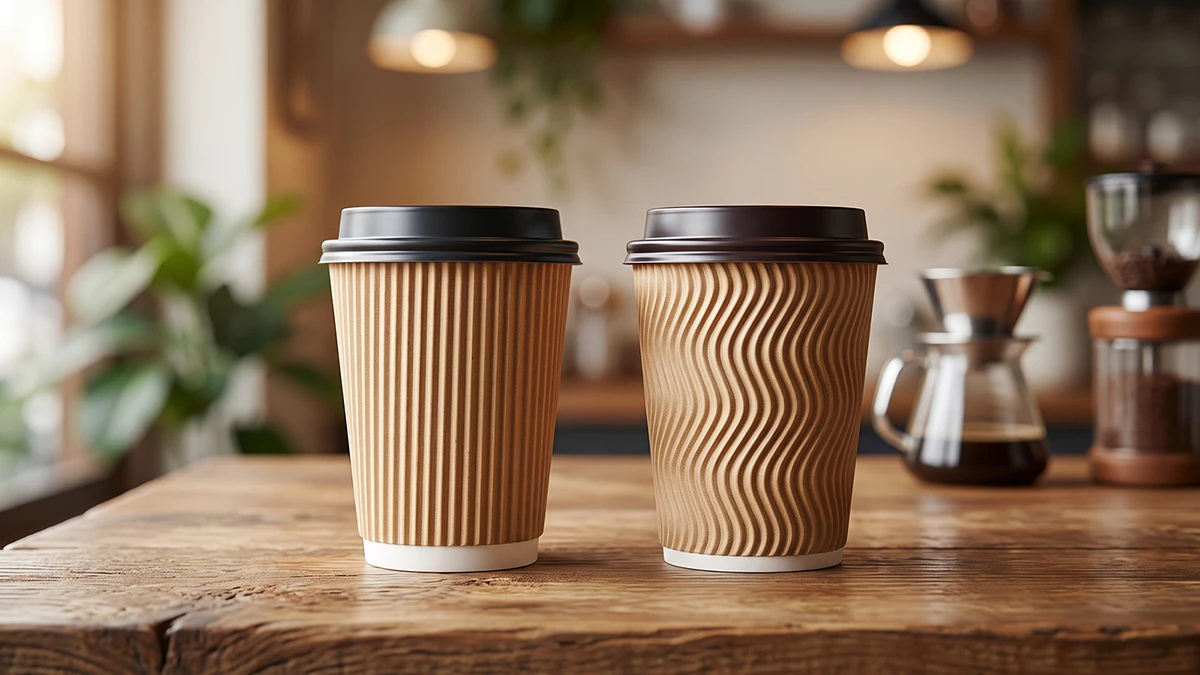
Paperboard containers, often coated with polyethylene (PE) for moisture and grease resistance, are a common choice for hot beverages and some hot food items. While the paperboard itself can withstand high temperatures, the PE coating typically limits its heat resistance to around 200°F (93°C). These containers are often preferred for their eco-friendlier perception compared to foam.
Aluminum
Aluminum containers offer superior heat resistance, capable of withstanding oven temperatures up to 600°F (315°C). They are excellent for baking, reheating, and keeping food warm. Aluminum is also recyclable, adding to its appeal. These are frequently used for casseroles, baked goods, and large catering orders.
Bagasse (Sugarcane Fiber)
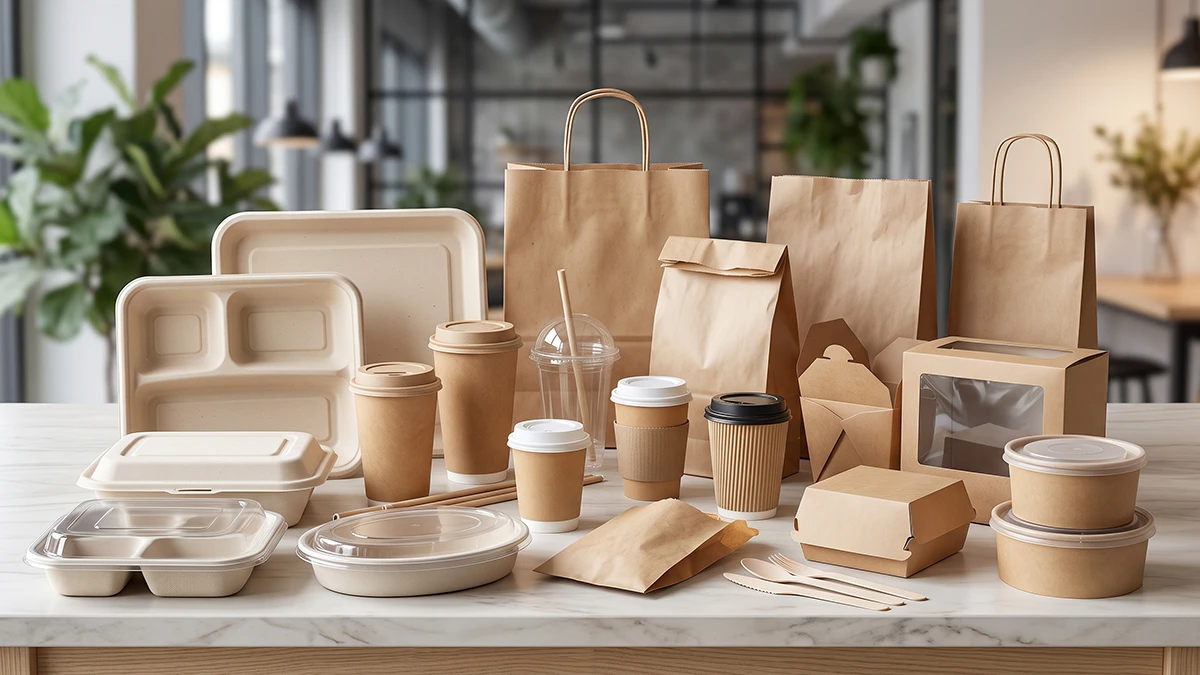
Bagasse is a sustainable and compostable material derived from sugarcane pulp. It offers good heat resistance, typically handling temperatures up to 200°F (93°C), and is microwave-safe. Bagasse containers are an excellent choice for businesses prioritizing environmental responsibility while needing reliable hot food packaging.
Heat Resistance Comparison Table
To provide a clearer overview, here’s a comparison of the heat resistance properties of common disposable food container materials:
| Material | Typical Max. Heat Resistance (°F) | Typical Max. Heat Resistance (°C) | Key Advantages | Key Considerations |
|---|---|---|---|---|
| Polypropylene (PP) | 250 | 121 | Microwave-safe, durable, grease-resistant | Not ideal for oven use |
| Polystyrene (PS) Foam | 180 | 82 | Excellent insulation, lightweight | Low heat resistance, environmental concerns |
| Paperboard (PE Coated) | 200 | 93 | Eco-friendlier perception, good for liquids | PE coating limits heat, not oven-safe |
| Aluminum | 600 | 315 | Superior heat resistance, oven-safe, recyclable | Not microwave-safe, can affect food taste |
| Bagasse | 200 | 93 | Compostable, sustainable, microwave-safe | Can absorb grease, generally higher cost |
Factors to Consider When Choosing
When selecting disposable containers for hot food, consider these critical factors:
- Food Temperature: Always match the container’s heat resistance to the maximum temperature your food will reach, both during packaging and reheating.
- Food Type: Greasy or acidic foods might react differently with certain materials. Ensure the material is compatible with the food’s composition.
- Reheating Method: If customers will reheat food in the container, ensure it is microwave-safe or oven-safe as needed.
- Insulation Needs: For foods that need to stay hot for extended periods, materials with good insulation properties are crucial.
- Environmental Impact: Consider the recyclability, compostability, or biodegradability of the materials to align with your business’s sustainability goals and customer expectations.
- Cost-Effectiveness: Balance the material’s performance and environmental benefits with its cost to find a solution that fits your budget. Reliancepak offers a wide range of cost-effective and high-quality solutions.

Ensuring Food Safety and Quality
Beyond heat resistance, food safety and quality are paramount. Always ensure that your chosen containers are food-grade certified and comply with relevant regulations like those from the EU or FDA. This guarantees that no harmful substances will leach into the food, preserving its taste and safety. High-quality containers also prevent leaks and spills, maintaining the integrity of the meal during transport and delivery.
Conclusion
Choosing the right disposable containers for hot food is a strategic decision that impacts food safety, customer satisfaction, and operational efficiency. By carefully evaluating the heat resistance of materials like polypropylene, paperboard, aluminum, and bagasse, businesses can select packaging that not only performs reliably but also aligns with their sustainability objectives. Reliancepak is committed to providing diverse, high-quality disposable food containers that meet stringent safety standards and cater to the varied needs of the food service industry. Make an informed choice to ensure your hot food reaches customers safely and deliciously.
FAQ
Q1: Can I microwave all disposable food containers?
A1: No, not all disposable food containers are microwave-safe. Polypropylene (PP) and bagasse containers are generally microwave-safe, while polystyrene foam and aluminum containers are not. Always check the manufacturer’s guidelines or symbols on the container.
Q2: What is the most environmentally friendly option for hot food containers?
A2: Bagasse (sugarcane fiber) containers are considered one of the most environmentally friendly options as they are compostable and made from renewable resources. Paperboard containers with appropriate coatings can also be a more sustainable choice compared to traditional plastics.
Q3: How can I tell if a container is food-grade?
A3: Food-grade containers will typically have symbols or certifications indicating their safety for food contact, such as the
FDA or EU food contact material symbols. Always purchase from reputable suppliers like Reliancepak to ensure compliance.
Q4: Why is it important to consider heat resistance for disposable containers?
A4: Considering heat resistance is crucial to prevent container deformation, melting, or chemical leaching when exposed to hot food. It ensures food safety, maintains food quality, and prevents leaks or spills, ultimately enhancing the customer experience.