In the dynamic world of food packaging, the demand for sustainable solutions is rapidly growing. Businesses are increasingly seeking ways to reduce their environmental footprint while maintaining product integrity and consumer convenience. Recyclable plastic deli containers offer a promising avenue, balancing practicality with ecological responsibility. This blog post delves into the materials used in these containers, their recycling processes, and the challenges that arise in achieving a truly circular economy for plastic food packaging. Understanding these aspects is crucial for B2B clients looking to make informed purchasing decisions and contribute to a more sustainable future.
The Growing Demand for Sustainable Food Packaging
Why Sustainability Matters in Food Service
Sustainability in food service extends beyond mere compliance; it’s a strategic imperative. Consumers are more aware than ever of the environmental impact of their choices. They actively seek out brands that demonstrate a commitment to reducing waste and promoting recycling. For B2B clients, offering sustainable packaging solutions can enhance their brand image and attract environmentally conscious customers. It also contributes to a healthier planet, aligning business goals with global environmental objectives.
Consumer and Regulatory Pressures
The push for sustainable packaging is intensified by both consumer demand and regulatory changes. Governments worldwide are implementing policies to reduce plastic waste, such as single-use plastic bans and extended producer responsibility schemes. Consumers, particularly younger generations, are willing to pay more for products packaged sustainably. Businesses that proactively address these pressures by adopting recyclable plastic deli containers can gain a competitive edge and avoid potential penalties. This forward-thinking approach ensures market relevance and fosters customer loyalty.
Understanding Plastic Recycling Codes
To navigate the world of recyclable plastic deli containers, it’s crucial to understand the Resin Identification Codes (RICs). These codes, typically found as a number within a chasing arrows triangle, indicate the type of plastic resin used. While the chasing arrows symbol might suggest recyclability, it primarily identifies the plastic type, which then determines if and how it can be recycled in a given facility. Different plastics have varying properties and recycling requirements.
Decoding the Resin Identification Codes (RICs)
RICs were developed to help recyclers sort plastics efficiently. Each number from 1 to 7 corresponds to a specific type of plastic polymer. For instance, #1 is PET, #2 is HDPE, and #5 is PP. Understanding these codes is the first step in identifying truly recyclable plastic deli containers. It allows businesses to select packaging that aligns with local recycling capabilities and consumer expectations for environmental responsibility. This transparency helps in promoting effective waste management practices.
Common Plastics Used in Deli Containers
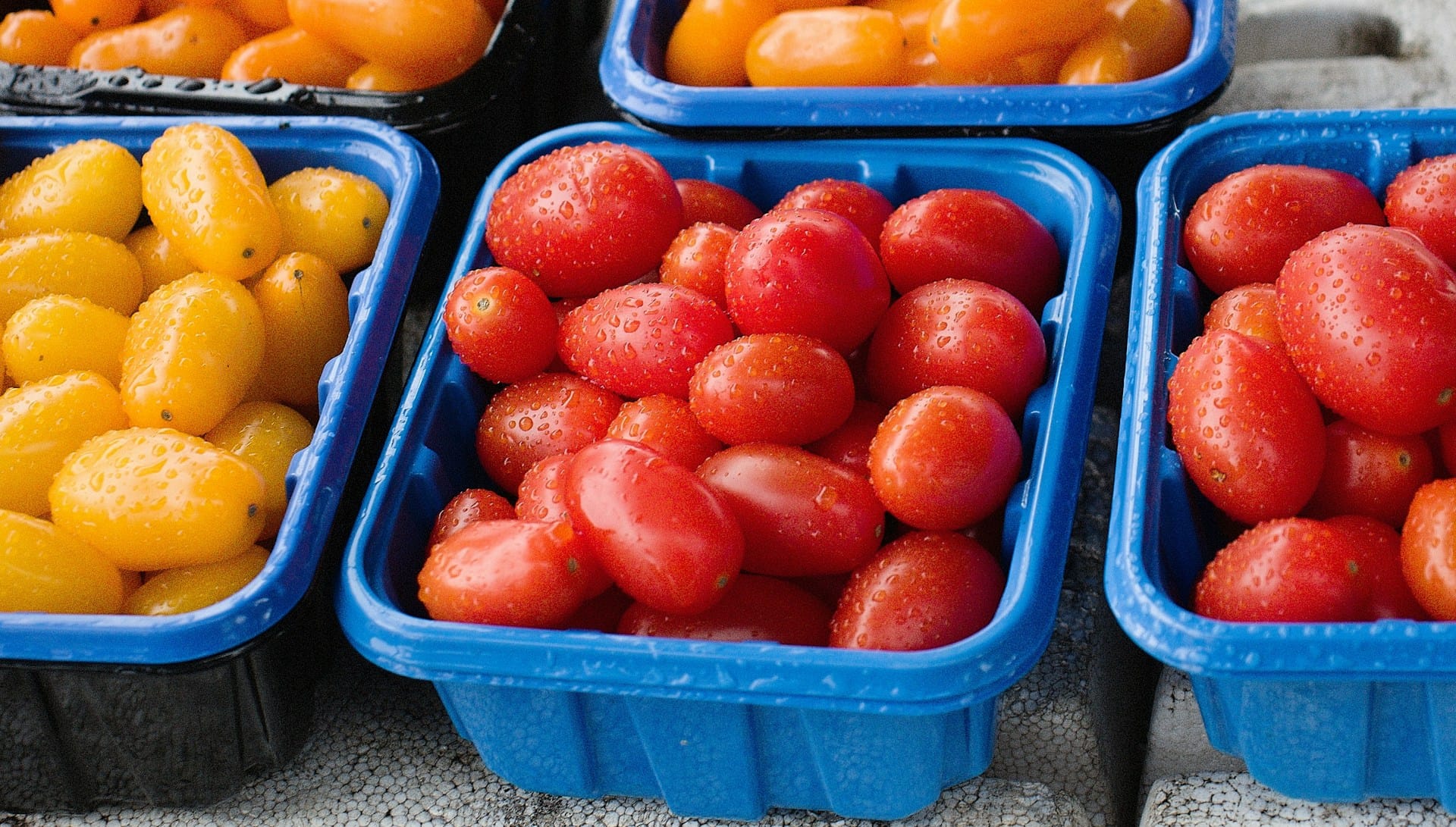
Several types of plastic are commonly used for deli containers, each with distinct characteristics. Polyethylene Terephthalate (PET), Polypropylene (PP), and High-Density Polyethylene (HDPE) are among the most prevalent. These materials are chosen for their durability, clarity, and barrier properties, which are essential for food preservation. However, their recyclability varies significantly, making material selection a critical decision for businesses aiming for sustainability. The choice impacts both product performance and environmental footprint.
| RIC | Plastic Type | Common Uses in Deli Containers |
|---|---|---|
| 1 | PET (PETE) | Clear containers for salads, fruits, cold foods |
| 2 | HDPE | Opaque containers, sometimes lids |
| 5 | PP | Microwave-safe containers, hot food applications |
Recyclable Materials for Deli Containers
The selection of materials for plastic deli containers is crucial for both their functionality and their end-of-life recyclability. While many plastics exist, only a few are widely accepted in recycling streams for food packaging. Understanding the properties and recycling potential of these materials is key for businesses committed to sustainable practices. This knowledge empowers B2B buyers to make informed decisions that support a circular economy.
Polyethylene Terephthalate (PET or PETE)
PET, identified by RIC #1, is a highly popular choice for clear plastic deli containers. Its excellent clarity allows consumers to see the product inside, enhancing visual appeal. PET is also lightweight, durable, and provides a good barrier against oxygen and moisture, which helps in preserving food freshness. Crucially, PET is one of the most widely recycled plastics globally, making it a preferred material for businesses aiming for high recyclability rates. It is commonly used for fruit, salad, and cold food packaging.
Polypropylene (PP)
Polypropylene, marked with RIC #5, is another common material for plastic deli containers, especially those designed for microwave use. PP is known for its heat resistance, chemical resistance, and durability. It is also relatively flexible and has a good moisture barrier. While not as widely recycled as PET in all regions, PP recycling infrastructure is growing. Its versatility makes it suitable for a broad range of deli applications, from hot soups to prepared meals. Businesses often choose PP for its balance of performance and increasing recyclability.
High-Density Polyethylene (HDPE)
HDPE, identified by RIC #2, is less common for clear deli containers but is often used for lids or opaque containers. It is highly durable, resistant to chemicals, and provides an excellent moisture barrier. HDPE is also one of the most recycled plastics, frequently used in milk jugs and detergent bottles. Its robust nature makes it suitable for applications where strength and resistance to impact are important. While not typically the primary material for transparent deli containers, its role in the overall packaging system is significant.
Recycled PET (rPET) and its Benefits
rPET is recycled PET plastic, offering a significant step towards a more circular economy. Using rPET reduces the demand for virgin plastic, conserves energy, and lowers greenhouse gas emissions. Many manufacturers, including Reliancepak, are increasingly incorporating rPET into their plastic deli containers. This not only meets sustainability goals but also appeals to environmentally conscious consumers and businesses. Opting for rPET containers demonstrates a strong commitment to environmental stewardship and supports the growth of the recycling industry.
| Material | RIC | Key Properties | Common Deli Uses | Recyclability |
|---|---|---|---|---|
| PET (PETE) | 1 | Clear, lightweight, good barrier | Salads, fruits, cold foods | Widely recycled |
| PP | 5 | Heat resistant, durable, flexible | Hot foods, prepared meals | Growing recycling infrastructure |
| HDPE | 2 | Durable, chemical resistant, good moisture barrier | Lids, opaque containers | Widely recycled |
| rPET | – | Recycled content, reduced environmental impact | Various clear containers | Excellent, supports circular economy |
The Recycling Process for Plastic Deli Containers
The journey of a plastic deli container from consumer use back into a new product is a complex but vital process. Understanding this journey can help businesses appreciate the importance of proper disposal and material selection. The recycling process typically involves several key stages, each contributing to the transformation of waste into valuable resources. This circular approach minimizes landfill waste and conserves natural resources.
Collection and Sorting
The first step in recycling plastic deli containers is collection. This usually occurs through curbside recycling programs, drop-off centers, or commercial collection services. Once collected, the mixed plastics arrive at a Material Recovery Facility (MRF). Here, advanced machinery and manual labor sort the plastics by type, primarily using their Resin Identification Codes (RICs). Efficient sorting is crucial to ensure that only compatible plastics are processed together, maintaining the quality of the recycled material. Contamination at this stage can significantly hinder the recycling process.
Washing and Grinding
After sorting, the plastic deli containers are thoroughly washed to remove any food residue, labels, and other contaminants. This cleaning step is critical for producing high-quality recycled plastic. Following washing, the clean plastics are then ground into small flakes, often referred to as ‘regrind’ or ‘flaked plastic.’ This size reduction makes the material easier to handle and process in subsequent stages. The quality of these flakes directly impacts the properties of the final recycled product.
Reprocessing and Manufacturing
Once flaked, the plastic material is ready for reprocessing. This involves melting the flakes and extruding them into pellets, which are then used as raw material for manufacturing new products. These recycled plastic pellets can be used to create a wide range of items, including new plastic deli containers, fibers for clothing, or even construction materials. The ability to reprocess these materials reduces the reliance on virgin plastics, closing the loop in the plastic lifecycle. This step is vital for achieving a truly circular economy.
| Stage | Description | Key Challenges |
|---|---|---|
| Collection & Sorting | Gathering and separating plastics by type | Contamination, consumer participation |
| Washing & Grinding | Cleaning and shredding plastics into flakes | Removing all residues, energy consumption |
| Reprocessing & Manufacturing | Melting flakes and forming new pellets/products | Maintaining material quality, market demand for recycled content |
Challenges in Plastic Deli Container Recycling
Despite the growing emphasis on sustainability, the recycling of plastic deli containers faces several significant hurdles. These challenges often stem from a combination of material complexities, infrastructural limitations, and behavioral factors. Addressing these issues is crucial for improving recycling rates and moving towards a more circular economy for food packaging. Businesses must be aware of these challenges to make realistic and impactful decisions regarding their packaging choices.
Contamination Issues
One of the primary challenges in recycling plastic deli containers is contamination. Food residues, labels, and other non-plastic materials can significantly reduce the quality of recycled plastic. Even small amounts of contaminants can render an entire batch of plastic unsuitable for recycling into new food-grade containers. This issue highlights the importance of proper cleaning by consumers before disposal and the need for advanced sorting technologies at recycling facilities. Effective contamination control is vital for maintaining the value of recycled materials.
Lack of Infrastructure
Another major obstacle is the insufficient recycling infrastructure in many regions. While some plastics like PET are widely recycled, the capacity to process other types, such as PP, for food-grade applications is still developing. This lack of robust collection, sorting, and reprocessing facilities limits the ability to recycle all types of plastic deli containers effectively. Investment in new technologies and expansion of existing infrastructure are necessary to support a more comprehensive recycling system. Without adequate infrastructure, even highly recyclable materials may end up in landfills.
Consumer Confusion and Participation
Consumer behavior plays a significant role in the success of recycling programs. Many consumers are confused about which plastic deli containers are recyclable and how to prepare them for recycling. Ambiguous labeling, varying local recycling guidelines, and a lack of clear instructions contribute to this confusion. This often leads to improper sorting or contamination, hindering the recycling process. Educating consumers and simplifying recycling instructions are essential steps to increase participation and improve the quality of collected materials.
Economic Viability of Recycling
The economic viability of recycling plastic deli containers can also be a challenge. The cost of collecting, sorting, cleaning, and reprocessing plastics can sometimes exceed the market value of the recycled material. Fluctuations in virgin plastic prices can further impact the profitability of recycling operations. For recycling to be truly sustainable, it must be economically attractive. Policies that incentivize the use of recycled content and support the development of stable markets for recycled plastics are crucial for overcoming this challenge.
| Challenge | Description | Impact on Recycling |
|---|---|---|
| Contamination | Food residues, labels, non-plastic materials | Reduces quality, makes material unusable |
| Infrastructure | Insufficient collection and processing facilities | Limits recycling capacity, leads to landfilling |
| Consumer Confusion | Lack of clear instructions, varying guidelines | Improper sorting, contamination, low participation |
| Economic Viability | Cost of recycling vs. market value of recycled plastic | Reduces profitability, disincentivizes investment |
Innovations in Recyclable Packaging
The packaging industry is continuously evolving, driven by the urgent need for more sustainable solutions. Significant innovations are emerging to address the challenges in plastic deli container recycling, focusing on improving recyclability and exploring alternative materials. These advancements offer promising pathways towards a more circular and environmentally friendly packaging ecosystem. Businesses should stay informed about these developments to leverage the latest sustainable options.
Advanced Recycling Technologies
Beyond traditional mechanical recycling, advanced recycling technologies are gaining traction. These include chemical recycling, which breaks down plastics into their molecular components, allowing them to be re-polymerized into virgin-quality plastics. This process can handle mixed or contaminated plastics that mechanical recycling cannot, significantly expanding the range of materials that can be recycled. Pyrolysis and gasification are other examples of advanced methods that convert plastic waste into valuable resources. These technologies hold the potential to revolutionize plastic recycling.
Biodegradable and Compostable Alternatives
While not directly recyclable in the traditional sense, biodegradable and compostable alternatives offer another avenue for sustainable deli containers. Materials like PLA (polylactic acid), derived from renewable resources like corn starch, can break down in industrial composting facilities. These options are particularly appealing for food service environments where food contamination makes traditional recycling difficult. However, it is crucial to ensure proper disposal infrastructure exists for these materials to truly realize their environmental benefits. Mismanagement can lead to them ending up in landfills.
Design for Recyclability
“Design for Recyclability” is a critical principle guiding packaging innovation. This approach focuses on creating plastic deli containers that are inherently easier to recycle. This includes using single-material designs, avoiding problematic additives, and ensuring easy separation of components like labels and lids. For example, using clear, uncolored PET for containers and easily removable labels improves their recyclability. Manufacturers are increasingly adopting these principles to simplify the recycling process and increase the yield of high-quality recycled material. This proactive design thinking is essential for a sustainable future.
| Innovation Category | Description | Impact on Deli Containers |
|---|---|---|
| Advanced Recycling | Chemical processes to break down plastics | Recycles mixed/contaminated plastics, creates virgin-quality material |
| Biodegradable/Compostable | Plant-based materials that break down | Alternative for contaminated food packaging, requires specific disposal |
| Design for Recyclability | Designing containers for easier recycling | Improves sorting, reduces contamination, increases recycled yield |
Choosing the Right Recyclable Deli Containers for Your Business
Selecting the appropriate recyclable plastic deli containers is a strategic decision for any B2B client in the food industry. It involves balancing environmental responsibility with operational efficiency and cost-effectiveness. Making informed choices can enhance your brand’s reputation, meet regulatory requirements, and appeal to a growing segment of environmentally conscious consumers. This section provides key considerations for buyers and highlights the importance of partnering with reliable suppliers.
Key Considerations for B2B Buyers
When procuring recyclable plastic deli containers, B2B buyers should evaluate several factors. First, consider the type of food product being packaged; this will influence the required material properties, such as barrier protection and temperature resistance. Second, assess the local recycling infrastructure to ensure the chosen materials are indeed recyclable in your target markets. Third, look for certifications that validate the container’s recyclability or recycled content. Finally, evaluate the cost-effectiveness and supply chain reliability of the chosen packaging solution. A thorough assessment ensures a sustainable and practical choice.
Partnering with Sustainable Suppliers like Reliancepak
Choosing a supplier that understands and prioritizes sustainable packaging is paramount. Reliancepak, for instance, is a leading manufacturer and trading company specializing in disposable food containers, including a range of recyclable plastic deli containers. With their commitment to environmentally friendly materials and food-grade certifications (EU, FDA, etc.), Reliancepak offers solutions that meet both quality and sustainability standards. Their expertise in professional customization and fast delivery ensures that businesses can access the right packaging solutions efficiently. Partnering with such suppliers helps businesses achieve their sustainability goals while maintaining high product quality and operational flow.
Conclusion
The journey towards truly sustainable food packaging is ongoing, and recyclable plastic deli containers represent a significant step forward. By understanding the materials, the recycling process, and the challenges involved, B2B clients can make more informed decisions that benefit both their business and the planet. Embracing materials like PET, PP, and especially rPET, coupled with a commitment to proper recycling practices, is crucial. As the industry continues to innovate, the potential for a circular economy in food packaging grows stronger. Partnering with dedicated suppliers like Reliancepak ensures access to high-quality, sustainable solutions that meet the evolving demands of the market.
Frequently Asked Questions (FAQs)
What are the most common types of recyclable plastic deli containers?
The most common types are those made from PET (Polyethylene Terephthalate, RIC #1) and PP (Polypropylene, RIC #5). PET is widely recycled, especially for clear containers, while PP is gaining more recycling infrastructure and is often used for microwave-safe options. HDPE (High-Density Polyethylene, RIC #2) is also highly recyclable and used for lids or opaque containers.
How can businesses ensure their plastic deli containers are properly recycled?
Businesses can ensure proper recycling by: 1) choosing containers made from widely recyclable materials (like PET or PP); 2) educating their customers on how to clean and dispose of the containers correctly; 3) partnering with local recycling facilities or waste management services that accept these materials; and 4) exploring options for closed-loop recycling programs if available.
Are biodegradable deli containers a better option than recyclable ones?
Not necessarily. While biodegradable containers can break down, they often require specific industrial composting facilities that are not widely available. If sent to landfills, they may not degrade properly. Recyclable containers, when properly collected and processed, can be turned into new products, reducing the need for virgin materials. The best option depends on the available infrastructure and the specific environmental goals.
What role does Reliancepak play in sustainable food packaging?
Reliancepak is committed to providing sustainable food packaging solutions, including recyclable plastic deli containers made from materials like rPET. They focus on offering products that meet food-grade certifications and support environmental responsibility. Reliancepak also emphasizes professional customization and fast delivery, helping businesses integrate sustainable packaging into their operations efficiently.