Introduction
As environmental consciousness grows, the foodservice industry is increasingly seeking sustainable packaging solutions. Biodegradable plastic deli containers have emerged as a promising alternative to traditional plastics, offering the potential to reduce waste and minimize environmental impact. However, for B2B buyers, the critical question remains: do these eco-friendly options truly meet the rigorous demands of foodservice operations? This blog post will explore the world of biodegradable plastic deli containers, examining their types, benefits, limitations, and suitability for various foodservice needs.
Understanding Biodegradable Plastics for Food Packaging
Biodegradable plastics are materials designed to decompose naturally in specific environments, such as compost facilities or landfills, through the action of microorganisms. Unlike conventional plastics that can persist for hundreds of years, biodegradable plastics aim to return to nature more quickly, reducing long-term pollution.
Types of Biodegradable Plastics Used in Deli Containers
Several types of biodegradable plastics are being developed and used for food packaging, each with its own characteristics and decomposition pathways:
- Polylactic Acid (PLA): Derived from renewable resources like corn starch or sugarcane, PLA is a popular bioplastic known for its clarity and rigidity, similar to PET. It is compostable in industrial composting facilities.
- Polyhydroxyalkanoates (PHAs): Produced by bacteria, PHAs are naturally occurring polyesters that are fully biodegradable in various environments, including soil and marine water. They offer good barrier properties and flexibility.
- Starch-Based Plastics: These plastics are made from starches (e.g., corn starch, potato starch) and can be blended with other polymers. They are often designed to be compostable.
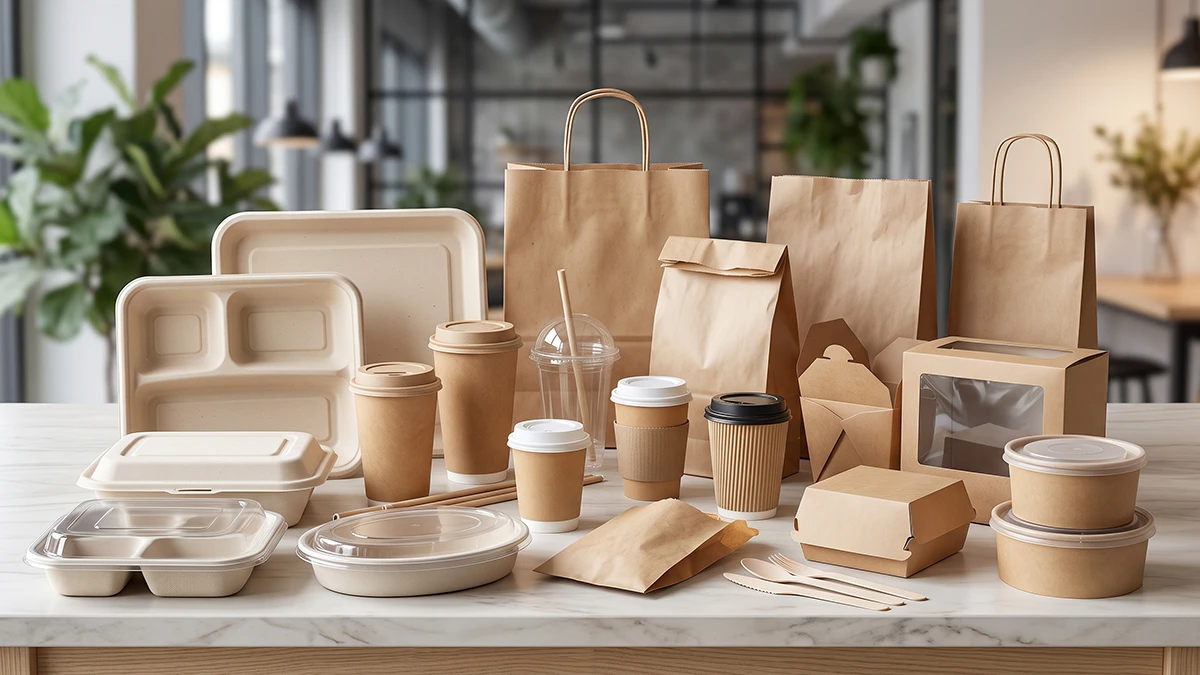
- Sugarcane Bagasse: While not a plastic in the traditional sense, bagasse (the fibrous residue left after sugarcane stalks are crushed) is often molded into containers that are compostable and biodegradable. These are a common alternative for deli containers.
- Cellulose-Based Plastics: Derived from wood pulp or other plant fibers, these materials can be processed into films or rigid containers and are generally biodegradable.
How Biodegradation Works
Biodegradation is a complex process influenced by factors such as temperature, moisture, and the presence of microorganisms. It’s important to distinguish between ‘biodegradable’ and ‘compostable’:
- Biodegradable: Means a material can break down into natural substances (like water, carbon dioxide, and biomass) over time, often requiring specific conditions.
- Compostable: A stricter term, meaning a material will break down into nutrient-rich compost within a specific timeframe and under controlled conditions (e.g., in an industrial composting facility), leaving no toxic residue.
For foodservice applications, ‘compostable’ is often the more relevant term, as it implies a managed end-of-life solution.
The Benefits of Biodegradable Plastic Deli Containers
The adoption of biodegradable plastic deli containers offers several compelling advantages for foodservice businesses, particularly those aiming to enhance their environmental stewardship and appeal to eco-conscious consumers.
Environmental Advantages
- Reduced Landfill Waste: By breaking down naturally, these containers help divert waste from landfills, reducing the burden on waste management systems.
- Lower Carbon Footprint: Many bioplastics are derived from renewable resources, which can lead to a lower carbon footprint compared to petroleum-based plastics over their lifecycle.
- Reduced Plastic Pollution: In environments where they can properly biodegrade, these materials can help mitigate the long-term problem of plastic accumulation in ecosystems.
Marketing and Brand Image
- Enhanced Brand Reputation: Offering sustainable packaging demonstrates a commitment to environmental responsibility, which can significantly improve a brand’s image and appeal to a growing segment of environmentally aware consumers.
- Competitive Advantage: In a crowded market, sustainable packaging can be a key differentiator, attracting new customers and retaining existing ones who prioritize eco-friendly practices.
- Meeting Consumer Demand: There is an increasing consumer preference for sustainable products and packaging. Providing biodegradable options helps businesses meet this demand and stay relevant.
Potential Regulatory Compliance
- Anticipating Regulations: As governments worldwide implement stricter regulations on single-use plastics, adopting biodegradable alternatives can help businesses stay ahead of potential bans or taxes, ensuring long-term operational continuity.
Limitations and Challenges of Biodegradable Plastic Deli Containers
Despite their environmental benefits, biodegradable plastic deli containers come with certain limitations and challenges that B2B buyers must consider before full adoption.
Performance and Functionality
- Heat Resistance: Many biodegradable plastics, particularly PLA, have lower heat resistance compared to traditional plastics like PP. This can limit their use for hot foods or microwaving, which is a significant consideration for many foodservice operations.
- Durability and Shelf Life: Some biodegradable materials may not offer the same level of durability or barrier properties as conventional plastics, potentially affecting the shelf life of certain food products or their ability to withstand rigorous handling.
- Moisture Sensitivity: Certain bioplastics can be sensitive to moisture, which might impact their structural integrity when exposed to liquids for extended periods.
End-of-Life Management and Infrastructure
- Composting Facilities: The primary challenge for compostable plastics is the lack of widespread industrial composting facilities. If these containers end up in landfills, they may not biodegrade as intended due to the absence of necessary conditions (e.g., oxygen, specific microbial communities).
- Contamination of Recycling Streams: If biodegradable plastics are mistakenly placed in conventional plastic recycling bins, they can contaminate the recycling stream, making it difficult to recycle traditional plastics.
- Consumer Confusion: The terms
‘biodegradable’ and ‘compostable’ can be confusing for consumers, leading to improper disposal and hindering effective waste management.
Cost Considerations
- Higher Production Costs: Biodegradable plastics often have higher production costs compared to conventional plastics, which can translate to higher prices for B2B buyers. This cost difference can be a significant factor for businesses operating on tight margins.
- Economies of Scale: As the demand for biodegradable plastics grows, economies of scale may help reduce costs, but currently, they remain a more premium option.
Meeting Foodservice Needs: A Practical Assessment
For B2B buyers in the foodservice industry, the practicality and performance of deli containers are paramount. While biodegradable options offer environmental benefits, their suitability hinges on how well they perform in real-world scenarios.
Key Considerations for Foodservice
- Food Preservation: The primary function of any deli container is to preserve food quality and freshness. Biodegradable containers must offer adequate barrier properties against moisture, oxygen, and contaminants to prevent spoilage.
- Temperature Range: Foodservice operations involve a wide range of temperatures, from refrigeration to heating. The container must maintain its integrity and not leach substances across this spectrum.
- Durability in Use: Containers need to withstand handling, stacking, and transportation without breaking, leaking, or deforming. This is crucial for both in-store use and delivery services.
- Customer Experience: The container should be easy for the end-user to open, close, and use. Any compromise in functionality can negatively impact customer satisfaction.
- Regulatory Compliance: All food packaging must comply with food safety regulations (e.g., FDA, EU food contact materials regulations). Biodegradable materials are subject to the same stringent standards.
When Biodegradable Containers Excel
Biodegradable plastic deli containers are particularly well-suited for:
- Cold and Ambient Foods: Salads, fresh produce, baked goods, and other items that do not require heating are ideal for many bioplastics like PLA.
- Grab-and-Go Concepts: Businesses focusing on sustainable branding for their ready-to-eat, cold food offerings can leverage these containers to attract eco-conscious consumers.
- Events and Catering: For events with access to industrial composting facilities, biodegradable containers can be an excellent choice for minimizing waste.
- Dry Goods: Items like nuts, dried fruits, or snacks that don’t have high moisture content can be effectively packaged in biodegradable materials.
When Conventional Plastics Might Still Be Necessary
Despite advancements, there are scenarios where traditional plastics like PP or PET might still be the more practical choice:
- Hot Food Applications: For microwavable meals, hot soups, or dishes that need to be kept warm, PP remains the superior option due to its heat resistance.
- Long Shelf-Life Products: If extended shelf life is critical, the superior barrier properties of certain conventional plastics might be necessary.
- Lack of Composting Infrastructure: In regions without accessible industrial composting facilities, the environmental benefit of compostable containers is diminished, as they may end up in landfills.
- Cost-Sensitive Operations: For businesses where cost is the absolute primary driver, conventional plastics often offer a more economical solution.
Reliancepak: Your Partner in Sustainable Food Packaging Solutions
Reliancepak is committed to providing B2B buyers with a diverse range of high-quality food packaging solutions, including increasingly sustainable options like biodegradable plastic deli containers. We understand the growing demand for eco-friendly products and strive to offer choices that align with your environmental goals without compromising on performance or food safety.
Our Commitment to Sustainability and Quality
- Environmentally Friendly Materials: We actively source and utilize materials that are food-grade and environmentally responsible, including those suitable for biodegradable and compostable applications, holding certifications like EU and FDA.
- Professional Customization: Whether you need standard biodegradable containers or custom-designed solutions to fit unique product lines, our team can work with you to develop packaging that meets your specific requirements.
- Reliable Supply Chain: As a trading company and factory with nine production lines, Reliancepak ensures a consistent and timely supply of packaging, helping you maintain operational efficiency.
- Global Reach: We serve a wide range of international markets, including Malaysia, Peru, Austria, Spain, France, Netherlands, Saudi Arabia, the United States, South America, and Tanzania, providing global businesses with access to quality packaging.
- Free Samples: We offer free samples to allow you to evaluate the quality and suitability of our biodegradable and other plastic deli containers before making a bulk purchase.
Conclusion
Biodegradable plastic deli containers represent a significant step forward in sustainable food packaging, offering environmental benefits and appealing to eco-conscious consumers. While they excel in certain applications, particularly for cold and ambient foods, B2B buyers must carefully assess their performance limitations, especially regarding heat resistance and end-of-life infrastructure. Making an informed decision requires balancing environmental aspirations with practical foodservice needs. Reliancepak is dedicated to supporting your journey towards more sustainable packaging, providing a range of options and expertise to help you choose the best solutions for your business.
Frequently Asked Questions (FAQ)
Q1: Are all biodegradable plastics compostable?
No, not all biodegradable plastics are compostable. “Biodegradable” means a material can break down naturally, but it doesn’t specify the conditions or timeframe. “Compostable” is a stricter term, meaning the material will break down into nutrient-rich compost under specific conditions (e.g., industrial composting facilities) within a defined period, leaving no toxic residue.
Q2: Can biodegradable deli containers be microwaved?
Generally, most biodegradable plastic deli containers, especially those made from PLA, are not suitable for microwaving due to their low heat resistance. They can deform or melt at high temperatures. Always check the manufacturer’s specifications for heat tolerance.
Q3: How should biodegradable deli containers be disposed of?
Ideally, compostable biodegradable deli containers should be disposed of in industrial composting facilities. If such facilities are not available, they may end up in landfills, where they might not biodegrade as intended due to a lack of proper conditions. It’s crucial to check local waste management guidelines.
Q4: Are biodegradable containers more expensive than traditional plastic containers?
Typically, biodegradable plastic deli containers are more expensive than traditional petroleum-based plastic containers due to higher production costs and smaller economies of scale. However, prices are expected to decrease as demand and production increase.
Q5: Does Reliancepak offer different types of biodegradable deli containers?
Yes, Reliancepak is committed to offering a range of sustainable packaging solutions, including various types of biodegradable and compostable deli containers. We can discuss your specific needs and recommend suitable options that align with your environmental goals and operational requirements.