The packaging industry is in a constant state of evolution, driven by technological advancements, changing consumer demands, and increasing environmental awareness. Within this dynamic landscape, thermoforming packaging stands out as a versatile and adaptable solution. As we look towards 2025, several key trends are poised to reshape the thermoforming market, influencing everything from material choices to production processes. Understanding these trends is crucial for businesses aiming to stay competitive and meet the future needs of their customers. This blog post will explore the major trends defining the thermoforming packaging market in 2025: sustainability, customization, and automation.
1. Sustainability Takes Center Stage
Sustainability is no longer just a buzzword; it’s a fundamental requirement for modern packaging. Both consumers and regulators are demanding more eco-friendly solutions, pushing the thermoforming industry towards circular economy principles.
Recycled and Bio-based Materials
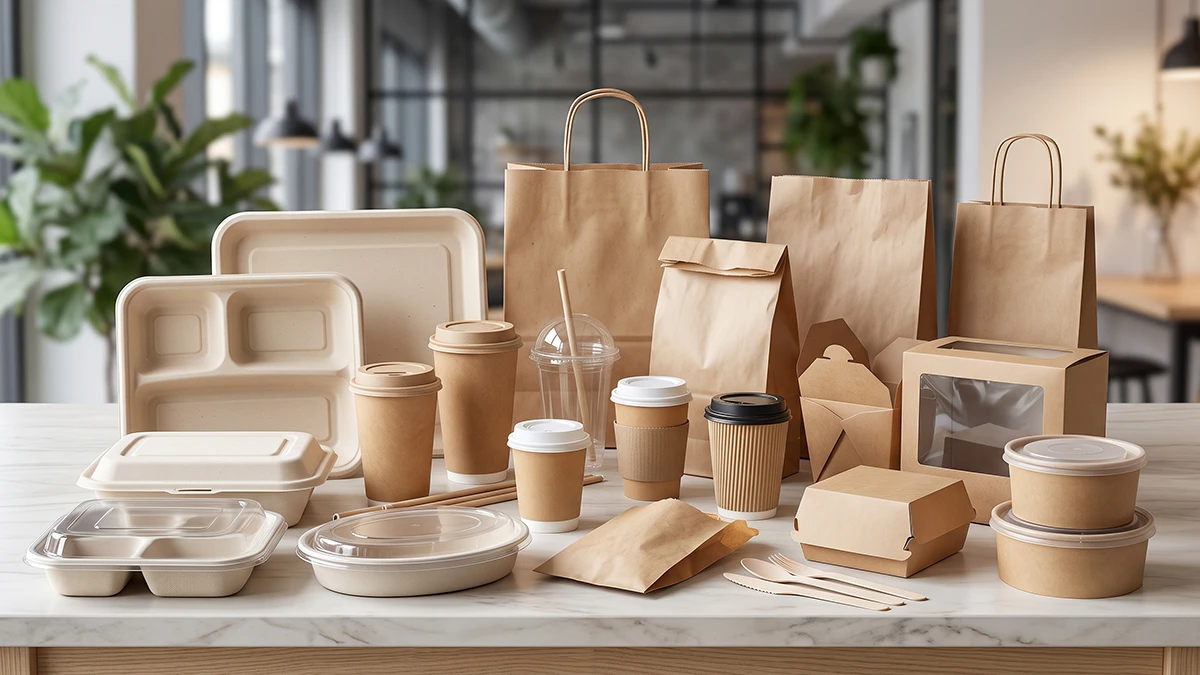
The drive for sustainability is leading to a significant increase in the use of post-consumer recycled (PCR) content in thermoformed packaging. This reduces reliance on virgin plastics and minimizes waste. Alongside PCR, there’s a growing interest in bio-based and compostable plastics derived from renewable resources. These materials offer alternatives that can reduce the environmental footprint of packaging, catering to a market that values ecological responsibility.
Design for Recyclability
Beyond material choice, the design of thermoformed packaging is increasingly focused on recyclability. This means a greater emphasis on mono-material designs, where packaging is made from a single type of plastic, simplifying the recycling process. Innovations in lightweighting also continue, reducing the overall material consumption without compromising package integrity. These design considerations are vital for achieving true circularity in packaging.
Waste Reduction and Circularity
The industry is moving towards more closed-loop systems and take-back programs to ensure that thermoformed packaging is collected, recycled, and reused. Furthermore, thermoforming plays a crucial role in reducing food waste by providing effective barriers that extend the shelf life of perishable goods. This dual benefit—sustainable packaging and food preservation—highlights its importance in a resource-conscious world.
2. The Rise of Customization and Personalization
In a crowded marketplace, standing out is key. Businesses are increasingly seeking unique packaging solutions that not only protect their products but also reflect their brand identity and resonate with consumers. Thermoforming’s inherent flexibility makes it an ideal process for this growing demand for customization.
Advanced Design and Prototyping
The ability to rapidly iterate designs is a significant advantage. The use of advanced technologies like 3D printing for mold prototyping is accelerating the design phase, allowing for quick testing and refinement of new packaging concepts. Sophisticated CAD/CAM software enables the creation of complex and aesthetically pleasing designs that were once challenging to achieve, pushing the boundaries of what thermoforming can deliver.
Short-Run Production Capabilities
Thermoforming is well-suited for both mass production and more specialized, short-run batches. This flexibility allows brands to cater to niche market demands, seasonal promotions, or limited-edition products without incurring prohibitive costs. The agility to produce smaller quantities of highly customized packaging is a major asset in today’s diverse market.
Enhanced Branding and Consumer Experience
Custom thermoformed packaging offers extensive opportunities for enhanced branding. This includes incorporating unique textures, vibrant colors, and distinctive shapes that capture attention. Beyond aesthetics, thoughtful design contributes to a positive unboxing experience, reinforcing brand loyalty and engaging consumers on a deeper level.
3. Automation and Smart Manufacturing
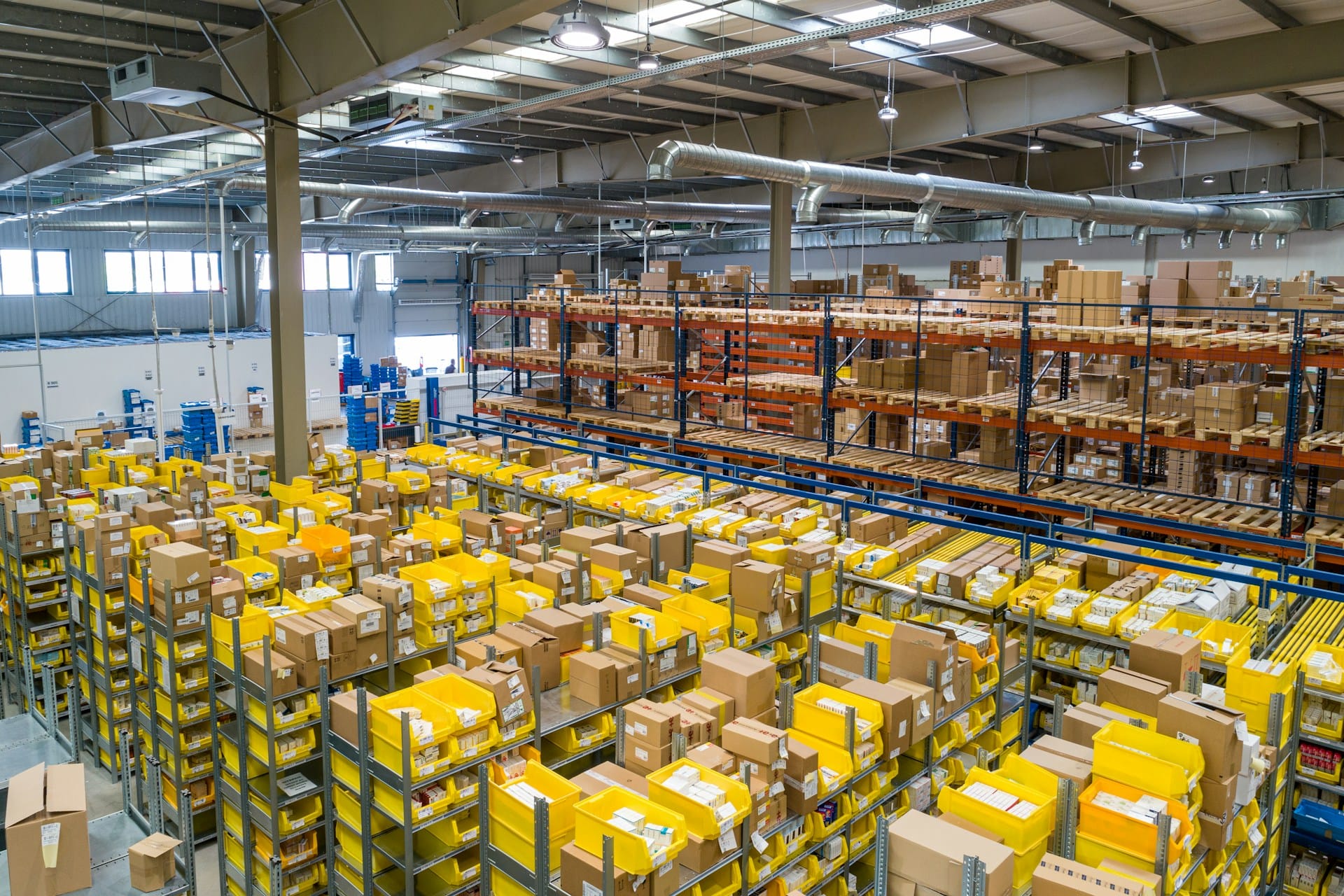
To meet increasing demand, improve efficiency, and address labor challenges, the thermoforming industry is rapidly adopting automation and smart manufacturing principles. This integration of advanced technologies is transforming production lines.
Robotics and AI in Production Lines
Robotics are becoming commonplace for tasks such as automated handling, loading, and unloading of plastic sheets and finished products. This not only speeds up the process but also improves consistency and reduces manual labor. Artificial intelligence (AI) is being integrated for sophisticated quality control, enabling real-time defect detection and minimizing waste, ensuring that only high-quality products reach the market.
Industry 4.0 Integration
The principles of Industry 4.0 are deeply influencing thermoforming operations. IoT (Internet of Things) sensors are deployed across production lines for real-time monitoring and data collection, providing valuable insights into performance. This data fuels predictive maintenance, allowing for proactive machine upkeep and optimized production schedules, leading to fewer downtimes and greater output.
Increased Efficiency and Cost Reduction
The ultimate goal of automation is to streamline operations, reduce human error, and boost overall efficiency. Automated thermoforming lines lead to significantly lower operational costs, improved throughput, and a more consistent product quality. This technological leap ensures that manufacturers can produce more, faster, and with higher precision.
4. Focus on Hygiene and Safety (Especially in Food & Medical)
The global health landscape has amplified the existing stringent requirements for hygiene and safety in packaging, particularly within the food and medical sectors. Thermoforming continues to be a preferred method due to its ability to create highly protective and sterile solutions.
Enhanced Barrier Properties
Innovations in multi-layer films are providing superior barrier properties against moisture, oxygen, and contaminants, crucial for extending the shelf life of food and maintaining the integrity of medical products. The development of active packaging solutions, which can interact with the product or its environment to preserve freshness, is also gaining traction.
Tamper-Evident and Child-Resistant Features
Designing for security is paramount. Thermoformed packaging is increasingly incorporating advanced tamper-evident features to assure consumers of product safety and integrity. For certain products, child-resistant features are also being integrated to meet regulatory requirements and enhance consumer safety.
5. E-commerce Ready Packaging
The explosive growth of e-commerce necessitates packaging that can withstand the rigors of shipping and handling while still delivering a positive brand experience. Thermoforming is adapting to these unique demands.
Durable and Protective Designs
Packaging designed for e-commerce must be robust enough to minimize damage during transit. Thermoformed inserts and clamshells provide excellent product protection, often reducing the need for excessive secondary packaging materials like bubble wrap or void fill. This not only protects the product but also contributes to sustainability by using less material.
Unboxing Experience
Beyond protection, e-commerce packaging contributes significantly to the unboxing experience. Brands are leveraging thermoforming to create memorable and aesthetically pleasing unboxing moments. This includes designs that are easy to open, visually appealing, and made from sustainable materials, enhancing customer satisfaction and brand perception.
Reliancepak’s Role in Shaping the Future
At Reliancepak, we are at the forefront of these evolving trends. As a dedicated manufacturer and trading company, we are committed to providing thermoforming packaging solutions that are not only high-quality but also future-proof. Our focus on utilizing environmentally friendly materials, offering professional customization, and integrating advanced manufacturing processes ensures that our partners receive cutting-edge packaging. With certifications like EU and FDA Food Grade, and a global reach spanning numerous countries, Reliancepak is your trusted partner in navigating the complexities of the modern packaging market. We help you achieve your sustainability goals, enhance your brand’s appeal, and streamline your supply chain.
Conclusion
The thermoforming packaging market is undergoing a transformative period, driven by a strong emphasis on sustainability, a growing demand for customization, and the widespread adoption of automation. These trends are shaping an industry that is more efficient, environmentally conscious, and responsive to market needs. For businesses in the food, medical, and other sectors, embracing these changes and partnering with an innovative supplier like Reliancepak will be key to success in 2025 and beyond.
FAQ
Q: How is sustainability impacting thermoforming packaging?
A: Sustainability is driving the adoption of recycled and bio-based materials, promoting designs that are easier to recycle (e.g., mono-materials), and encouraging waste reduction through circular economy initiatives.
Q: What role does automation play in modern thermoforming?
A: Automation, including robotics and AI, is increasing production efficiency, improving quality control, reducing operational costs, and enabling predictive maintenance in thermoforming production lines.
Q: Why is customization becoming more important in packaging?
A: Customization allows brands to differentiate their products, enhance brand identity, cater to niche markets, and improve the overall consumer experience through unique designs and personalized touches.
Q: How does thermoforming adapt to e-commerce needs?
A: Thermoforming adapts by providing durable and protective designs that withstand shipping rigors, reducing secondary packaging, and contributing to a positive unboxing experience for direct-to-consumer sales.
Q: What are bio-based materials in thermoforming?
A: Bio-based materials are plastics derived from renewable biological resources (e.g., corn starch, sugarcane) rather than fossil fuels. They offer a more sustainable alternative for thermoformed packaging, often being compostable or biodegradable.