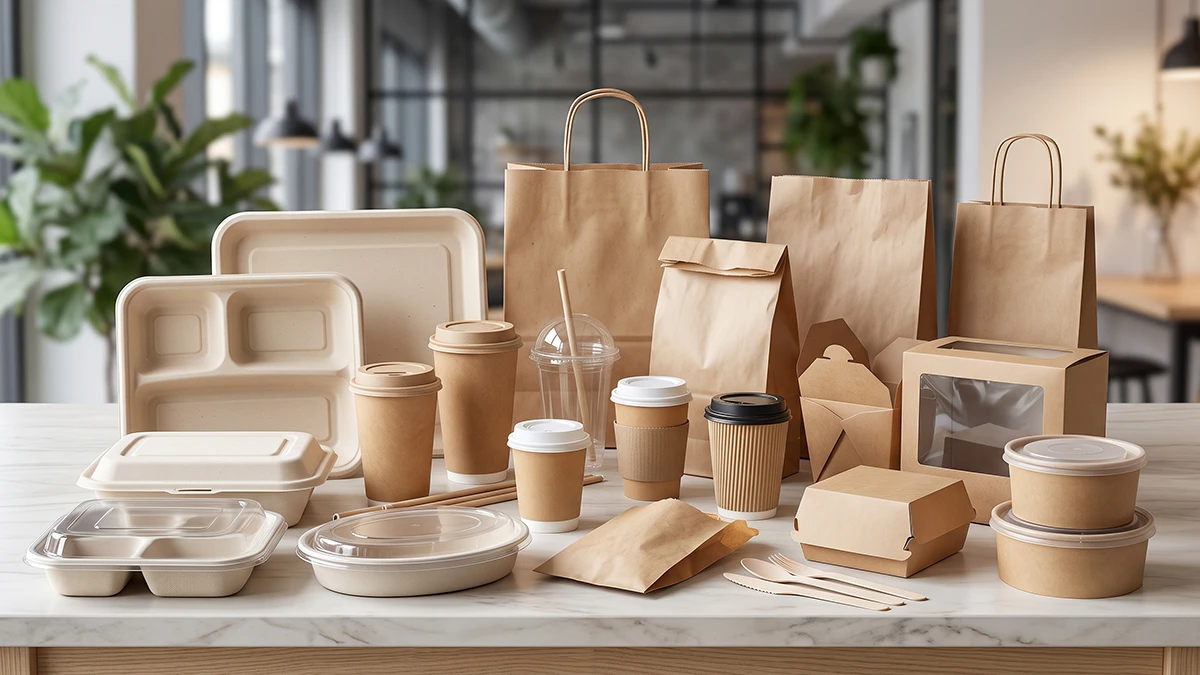
In the dynamic world of food service, convenience and functionality are as crucial as sustainability. As businesses increasingly adopt eco-friendly bagasse plates, a common question arises: can these innovative products withstand the extreme temperatures of microwaves and freezers? The answer is a resounding yes, with important considerations. This guide explores the thermal properties of bagasse plates, ensuring B2B buyers can confidently integrate them into their operations, offering both convenience and environmental responsibility.
The Composition of Bagasse Plates
Bagasse plates are crafted from the fibrous residue of sugarcane, a natural and renewable resource. This material is pressed and molded into various shapes, creating sturdy and versatile tableware. Unlike plastic or foam, bagasse is inherently resistant to a wide range of temperatures, making it suitable for diverse food service applications. Its natural fibers provide structural integrity even when exposed to heat or cold.
Microwave Safety: Heating with Confidence
One of the primary concerns for food service businesses is whether disposable tableware can safely be used for reheating food. Bagasse plates excel in this regard. They are designed to be microwave-safe, allowing for convenient reheating without compromising food safety or plate integrity.
Temperature Tolerance
Bagasse plates typically withstand temperatures up to 220°F (104°C) and sometimes even higher, up to 375°F (190°C) for short durations. This range comfortably covers the average temperatures reached during microwave heating. The natural composition prevents the plates from warping, melting, or releasing harmful chemicals, which can be an issue with some plastic alternatives.
No Chemical Leaching
Unlike certain plastic containers that may leach harmful chemicals when heated, bagasse plates are free from BPA, PFAS, and other synthetic additives. This ensures that food remains uncontaminated, providing a safe dining experience for consumers. This is a significant advantage for businesses prioritizing health and safety.
Practical Applications
For restaurants, catering services, and meal delivery companies, the microwave-safe property of bagasse plates is invaluable. It allows for efficient food preparation and reheating, reducing the need for additional dishes and streamlining operations. Customers can conveniently reheat their meals directly on the plate, enhancing their experience.
Freezer Safety: Storing with Ease
Beyond microwave use, the ability to safely store food in freezers is another critical feature for many food businesses. Bagasse plates are also freezer-safe, maintaining their structural integrity and performance even in sub-zero temperatures.
Maintaining Integrity in Cold
When exposed to freezing temperatures, some materials can become brittle or crack. Bagasse, however, retains its strength and shape, preventing food spoilage due to container failure. This makes bagasse plates ideal for preparing meals in advance, portioning, and storing frozen foods.
Preventing Freezer Burn
While bagasse plates themselves do not prevent freezer burn, their sturdy construction, especially when combined with appropriate lids, helps to create a barrier against air exposure. This contributes to maintaining the quality and freshness of frozen food items. For optimal results, ensure food is properly wrapped or covered before freezing on bagasse plates.
Ideal for Meal Prep and Delivery
Businesses involved in meal kit delivery, institutional catering, or large-scale food production can greatly benefit from freezer-safe bagasse plates. They offer a reliable solution for packaging and distributing frozen meals, ensuring that the product reaches the end-user in perfect condition. This versatility supports a wide range of business models.
Important Considerations for B2B Buyers
While bagasse plates are generally microwave and freezer safe, B2B buyers should consider a few factors to ensure optimal performance and customer satisfaction.
- Moisture Content: Excessive moisture in food can sometimes affect the plate’s rigidity over extended periods, especially during prolonged freezing or heating. For very wet or oily foods, consider plates with specific moisture-resistant treatments.
- Coating and Additives: Some bagasse plates may have coatings for enhanced grease or water resistance. Verify that these coatings are also microwave and freezer safe and do not contain harmful chemicals like PFAS.
- Supplier Verification: Always confirm the microwave and freezer safety claims with your supplier. Reputable manufacturers like Reliancepak provide clear specifications and certifications for their products, ensuring they meet performance expectations.
The Reliancepak Commitment to Performance
Reliancepak is dedicated to providing bagasse plates that not only meet stringent food safety standards but also offer superior performance in real-world applications. Our bagasse products are rigorously tested to ensure they are both microwave and freezer safe, providing reliable solutions for your business needs. We understand the importance of convenience and durability in the food service industry, and our commitment to quality ensures that our bagasse plates can handle the demands of heating, freezing, and serving with confidence. Partner with Reliancepak for bagasse solutions that combine sustainability with unparalleled functionality.
Conclusion
Bagasse plates offer a compelling combination of environmental responsibility and practical functionality. Their inherent ability to withstand both microwave heating and freezer storage makes them an excellent choice for a wide array of food service operations. By understanding their thermal properties and considering key factors like moisture content and coatings, B2B buyers can confidently integrate bagasse plates into their supply chain. This ensures they provide customers with convenient, safe, and sustainable food packaging solutions, ultimately enhancing brand reputation and attracting more inquiries.
FAQ
Q1: Can I put bagasse plates in a conventional oven?
A1: While some bagasse plates may be oven-safe for short periods at low temperatures, it’s best to check with the manufacturer. Microwaves and freezers are generally safe.
Q2: Do bagasse plates get soggy in the microwave?
A2: High-quality bagasse plates are designed to resist sogginess. However, very wet or oily foods heated for extended periods might affect their rigidity.
Q3: Are bagasse plates reusable after microwaving or freezing?
A3: Bagasse plates are designed for single-use. While they maintain integrity, they are not intended for repeated washing and reuse.
Q4: How do bagasse plates compare to plastic in terms of thermal performance?
A4: Bagasse plates generally offer better thermal stability than many plastic alternatives, as they do not melt or deform under microwave heat and remain sturdy in the freezer.
Q5: Do bagasse plates affect the taste of food when heated or frozen?
A5: No, bagasse plates are made from natural fibers and do not impart any taste or odor to food, even when heated or frozen.