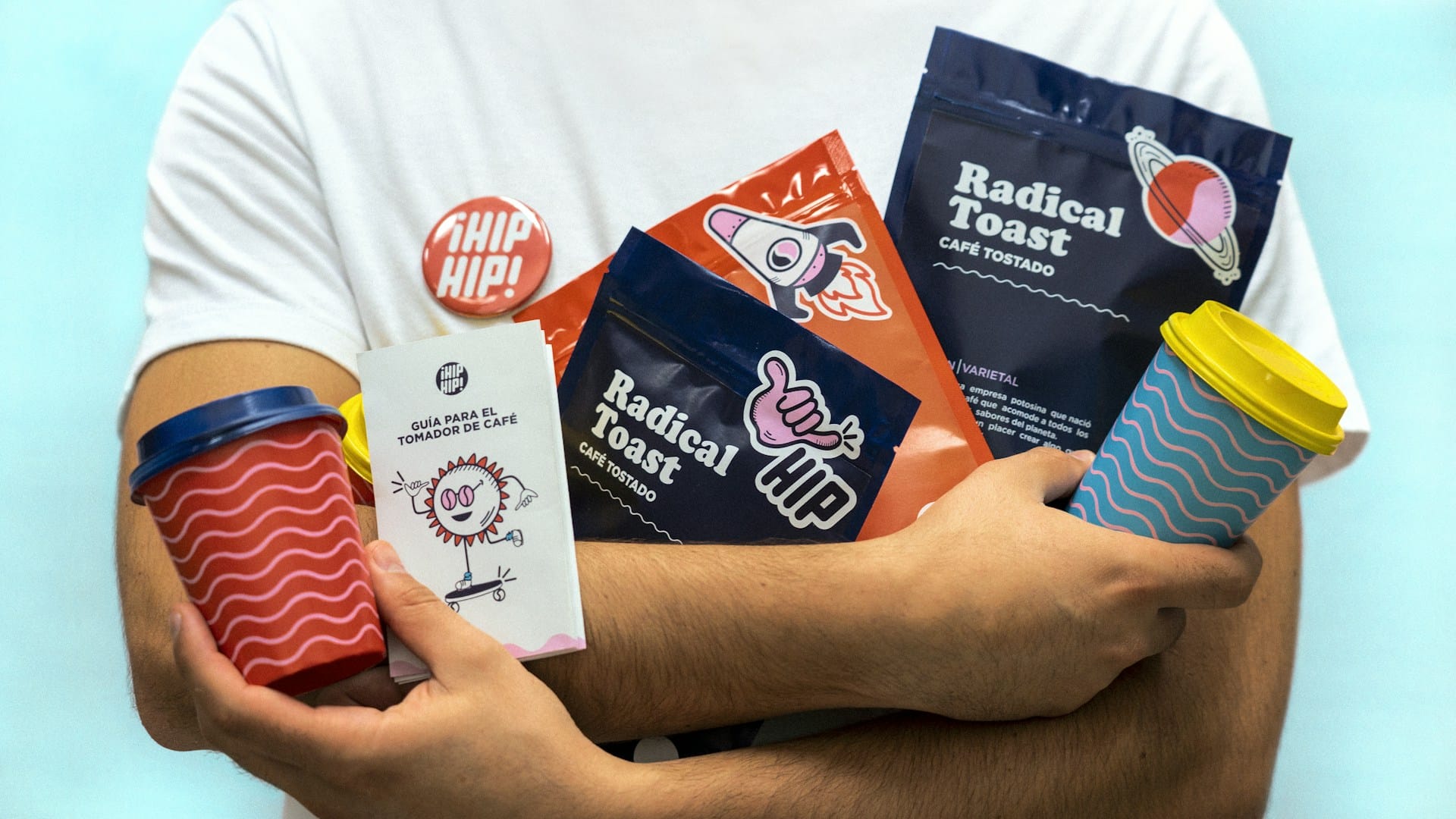
In today’s competitive market, branding is everything. For businesses in the food and beverage industry, every touchpoint with a customer is an opportunity to reinforce brand identity. This includes disposable tableware. As companies increasingly adopt sustainable practices, bagasse plates have become a popular choice. But can these eco-friendly plates also serve as a canvas for branding? The answer is a resounding yes. This article explores the possibilities and benefits of custom printing on bagasse plates.
The Printability of Bagasse Plates
Understanding the surface and material properties of bagasse is key to successful custom printing.
Surface Characteristics
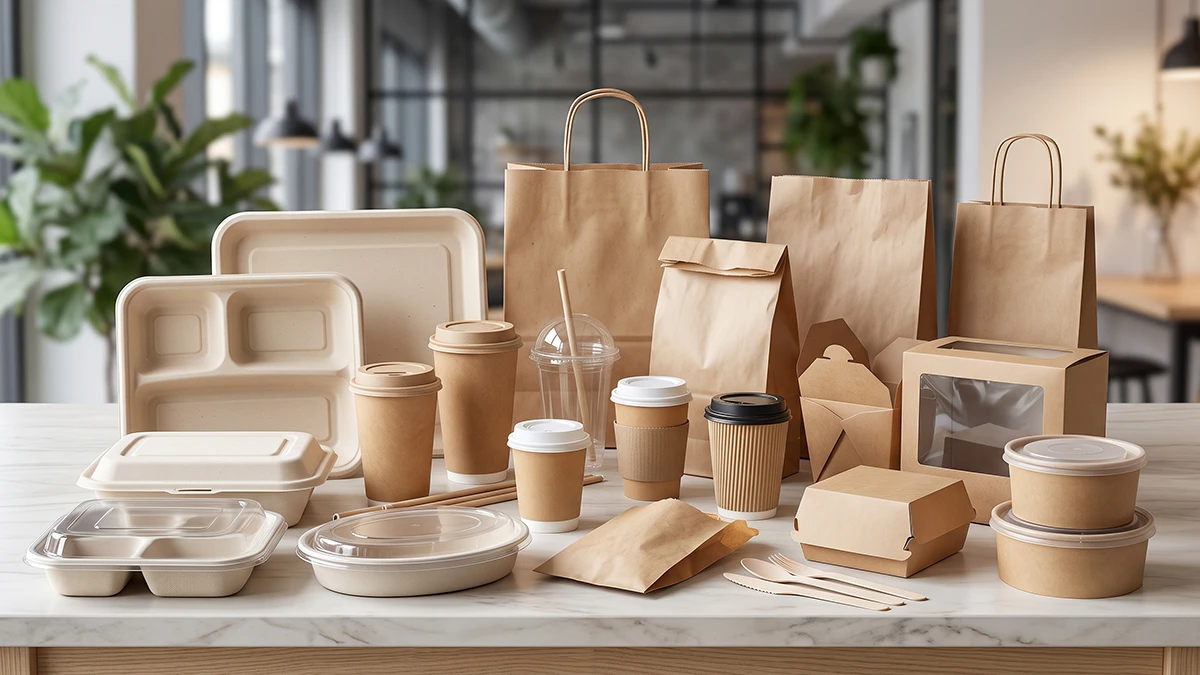
Bagasse plates have a unique, slightly textured surface due to their natural fiber composition. While not as glossy as plastic or coated paper, the surface is smooth enough to allow for clear and vibrant printing. The natural, off-white color of bagasse provides an excellent neutral background for most designs, giving them an earthy and authentic feel.
Ink Absorption
One of the main considerations when printing on bagasse is its absorbency. The fibrous material tends to absorb ink more readily than non-porous surfaces like plastic. This means that the choice of ink and printing method is crucial to prevent bleeding and ensure a sharp, well-defined image. Using food-grade, soy-based or water-based inks is highly recommended to maintain the eco-friendly and non-toxic nature of the plates.
Suitable Printing Methods for Bagasse
Not all printing techniques are created equal when it comes to bagasse. Here are some of the most effective methods:
1. Flexography (Flexo Printing)
Flexography is a popular choice for printing on food packaging, including bagasse plates. It uses flexible printing plates and fast-drying inks, making it efficient for large-scale production. Flexo printing can produce high-quality images and is cost-effective for large orders.
2. Pad Printing
Pad printing is another viable option, especially for irregular or curved surfaces. It involves transferring ink from an etched plate to the bagasse plate using a silicone pad. This method is excellent for applying logos and smaller designs with precision.
3. Embossing/Debossing
For a more subtle and elegant branding approach, embossing (creating a raised design) or debossing (creating an indented design) can be used. This method adds a tactile element to the branding without using any ink, which can be a premium and eco-conscious choice.
The Benefits of Custom-Printed Bagasse Plates
Investing in custom-printed bagasse plates offers numerous advantages for businesses.
- Enhanced Brand Visibility: Custom plates turn a simple disposable item into a mobile advertisement, increasing brand recognition and recall.
- Professional Image: Branded tableware conveys a sense of professionalism and attention to detail, enhancing the overall customer experience.
- Marketing and Promotion: Custom plates can be used to promote special events, new products, or marketing campaigns.
- Differentiation: In a crowded market, unique and branded tableware can help a business stand out from the competition.
- Communicating Values: Using custom-printed, eco-friendly bagasse plates communicates a brand’s commitment to sustainability, which resonates with environmentally conscious consumers.
Reliancepak: Your Partner in Custom Branding
At Reliancepak, we specialize in providing professional customization services for our B2B clients. We understand that your packaging is an extension of your brand. That’s why we offer high-quality custom printing on our food-grade certified bagasse plates. Whether you need a simple logo or a full-color design, our team can help you create branded tableware that elevates your business and aligns with your sustainability goals. With our fast delivery and expertise, we make it easy to get the custom-printed bagasse plates you need.
Printing Method Comparison
| Printing Method | Best For | Advantages | Considerations |
|---|---|---|---|
| Flexography | Large volume orders, complex designs | Cost-effective, fast, high-quality results | Higher initial setup cost for plates |
| Pad Printing | Logos, small designs, irregular surfaces | Precise, versatile, good for smaller batches | Slower than flexography for large runs |
| Embossing | Subtle, elegant branding, no ink needed | Premium look and feel, 100% eco-friendly | Less visually prominent than ink printing |
Conclusion: A Powerful Branding Tool
Custom-printed bagasse plates are more than just a sustainable choice; they are a powerful branding tool. By leveraging the right printing methods, businesses can transform their disposable tableware into a key component of their marketing strategy. The ability to combine eco-friendliness with effective branding makes custom bagasse plates a smart and impactful investment for any food service business looking to grow its brand and appeal to modern consumers.
FAQ
Q1: What kind of inks are used for printing on bagasse plates?
Food-grade, non-toxic inks such as soy-based or water-based inks are used to ensure safety and maintain the plate’s compostability.
Q2: Is there a minimum order quantity for custom printing?
This varies by supplier. At Reliancepak, we work with clients to find solutions for various order sizes.
Q3: Does printing affect the compostability of the plates?
When using appropriate eco-friendly inks, the compostability of the bagasse plates is not significantly affected.
Q4: Can I print a full-color photo on a bagasse plate?
Yes, with methods like flexography, it is possible to print complex, multi-color designs, including photos, though the natural texture of the plate may affect the final look.