Introduction: Understanding the Economics of Kraft Paper Packaging
For B2B clients, managing packaging costs is a critical component of overall operational efficiency and profitability. Kraft paper boxes, while offering numerous benefits in terms of sustainability and product protection, also present a compelling economic case. A thorough cost analysis helps businesses identify opportunities for savings, optimize procurement, and make informed decisions that impact their bottom line.
This blog post will provide a comprehensive cost analysis of kraft paper boxes, breaking down the key factors that influence pricing. We will explore material costs, manufacturing processes, customization impacts, and the long-term value proposition, offering insights for businesses to strategically invest in their packaging solutions.
Key Factors Influencing Kraft Paper Box Costs
The cost of kraft paper boxes is not a single figure but rather a dynamic calculation influenced by several interconnected factors. Understanding these elements is essential for B2B buyers to negotiate effectively and secure the best value.
1. Raw Material Costs
The primary determinant of kraft paper box cost is the price of its raw material: wood pulp. Market fluctuations in timber prices, energy costs for pulp processing, and the availability of recycled content directly impact the cost of kraft paperboard. While generally more affordable than virgin pulp, recycled kraft can also see price variations based on supply and demand.
2. Manufacturing and Production Processes
The complexity of the manufacturing process plays a significant role. This includes:
- Pulping and Papermaking: The initial stages of converting wood chips into kraft paper.
- Corrugation (if applicable): For corrugated kraft boxes, the process of creating fluted layers adds to the cost.
- Die-cutting and Forming: The precision required to cut and form boxes into specific shapes and sizes.
- Adhesives and Coatings: Costs associated with food-safe coatings, grease barriers, or structural adhesives.
Efficient production lines and economies of scale can help reduce per-unit manufacturing costs.
3. Customization and Design Complexity
While customization enhances brand appeal, it also influences cost. Factors such as intricate die-cuts, multiple color printing, special finishes (e.g., embossing, foil stamping), and custom inserts will increase the overall price per unit. However, these investments often yield higher brand recognition and perceived product value.
4. Order Volume and Economies of Scale
As with most B2B procurement, order volume significantly impacts the unit cost of kraft paper boxes. Larger orders typically benefit from economies of scale, leading to lower per-unit prices due to reduced setup costs and more efficient material utilization. Wholesale purchasing is a key strategy for cost optimization.
5. Shipping and Logistics
The weight and bulk of packaging materials directly affect shipping costs. Kraft paper boxes are generally lightweight, which can lead to savings in transportation, especially for large volumes or international shipments. Proximity to manufacturing facilities can also reduce freight expenses.
Cost Comparison: Kraft Paper vs. Other Packaging Materials
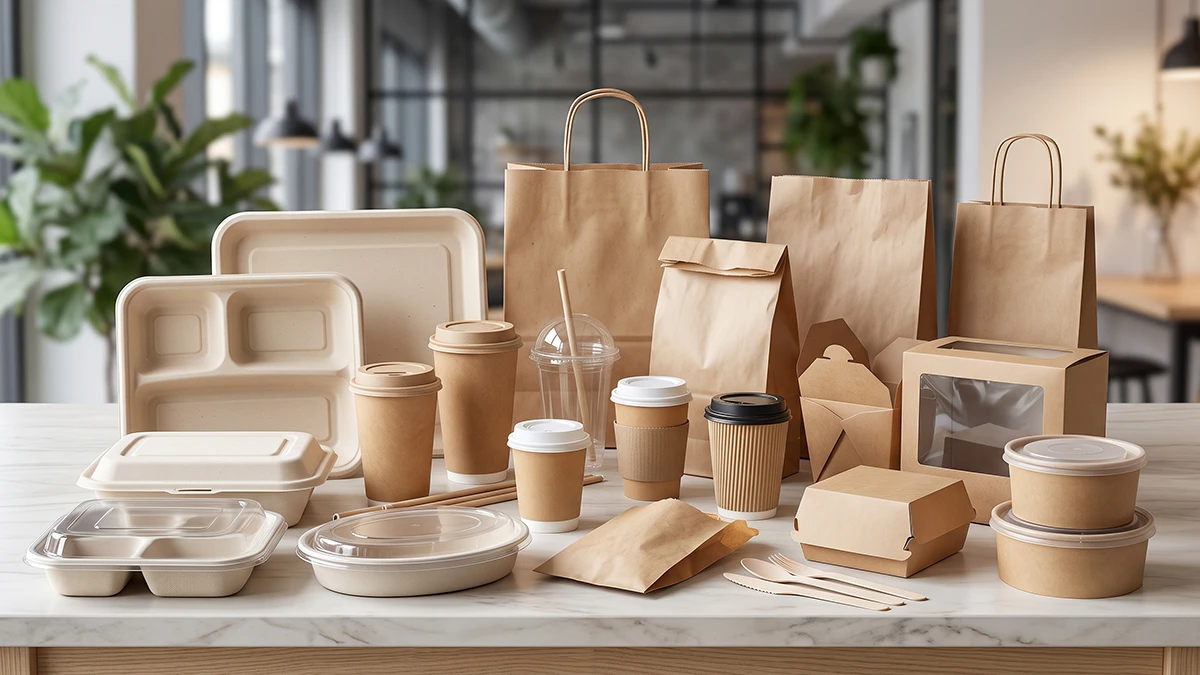
To illustrate the cost-effectiveness of kraft paper boxes, let’s compare them with other common packaging materials. This comparison highlights why many businesses are transitioning to kraft solutions.
| Feature | Kraft Paper Box | Plastic Container | Corrugated Cardboard Box | Glass Jar |
|---|---|---|---|---|
| Material Cost | Low to Moderate | Moderate | Low | High |
| Production Cost | Moderate | Moderate to High | Low to Moderate | High |
| Shipping Weight | Low | Low | Moderate | High |
| Customization | High | Moderate | High | Low to Moderate |
| Sustainability | High | Low | High | Moderate (reusable) |
| Durability | High | Moderate | High | Moderate (fragile) |
Note: Costs are indicative and can vary based on specific designs, volumes, and market conditions.
As the table demonstrates, kraft paper boxes offer a balanced profile of cost-effectiveness, high customization potential, and strong sustainability credentials, making them a competitive choice in the packaging market.
Strategies for Optimizing Kraft Paper Box Costs
B2B buyers can implement several strategies to optimize their investment in kraft paper boxes without compromising quality or brand image.
1. Bulk Purchasing and Long-Term Contracts
Engaging in bulk purchasing or establishing long-term supply contracts with manufacturers like Reliancepak can unlock significant discounts. This strategy provides cost predictability and ensures a consistent supply of materials.
2. Standardize Designs Where Possible
While customization is valuable, standardizing certain aspects of box design across product lines can reduce tooling and setup costs. Minor variations can still be achieved through printing or labeling, maintaining brand consistency without incurring excessive expenses.
3. Optimize for Shipping Efficiency
Design boxes that are lightweight and efficiently stackable to minimize shipping volumes. This directly translates to lower freight costs, especially for businesses with extensive distribution networks. Collaborating with packaging engineers can help achieve optimal structural designs.
4. Leverage Sustainable Materials
Opting for kraft boxes made from a higher percentage of recycled content can sometimes offer cost advantages, in addition to bolstering your brand’s environmental credentials. Furthermore, the long-term benefits of sustainability, such as enhanced brand reputation and compliance with regulations, outweigh initial cost considerations.
5. Partner with Experienced Suppliers
Working with a reputable and experienced packaging supplier is crucial. Suppliers like Reliancepak, with their own production lines and expertise, can offer competitive pricing, professional customization, and fast delivery. They can also provide valuable insights into cost-saving design modifications and material choices.
Conclusion: Smart Investment for Sustainable Growth
Investing in kraft paper boxes is a smart financial decision for B2B clients. By understanding the various cost drivers and implementing strategic procurement practices, businesses can leverage the economic benefits of this versatile packaging solution. Kraft paper boxes not only offer a cost-effective means of product protection and branding but also align with the growing global demand for sustainable business practices.
Reliancepak is dedicated to providing high-quality, customizable, and environmentally friendly kraft paper box solutions. Our commitment to fast delivery and competitive pricing ensures that our B2B partners receive exceptional value, supporting their growth and market leadership.
FAQ
Q1: Is the cost of kraft paper boxes stable?
A1: The cost of kraft paper boxes can fluctuate due to changes in raw material prices (wood pulp), energy costs, and market demand. However, long-term contracts and bulk purchasing can help stabilize pricing for B2B buyers.
Q2: How does customization affect the cost of kraft paper boxes?
A2: Customization, including complex die-cuts, multi-color printing, and special finishes, generally increases the per-unit cost. However, it also enhances brand appeal and product value, often justifying the investment.
Q3: Can choosing recycled kraft paper reduce costs?
A3: Often, yes. Recycled kraft paper can be more cost-effective than virgin kraft, depending on market conditions and availability. It also offers significant environmental benefits, enhancing your brand’s sustainability profile.
Q4: What is the most effective way for B2B buyers to reduce kraft paper box costs?
A4: The most effective strategies include bulk purchasing, standardizing designs where possible, optimizing box dimensions for shipping efficiency, and partnering with experienced suppliers who can offer competitive pricing and expert advice.
Q5: Do kraft paper boxes offer long-term cost savings?
A5: Yes, beyond initial material costs, kraft paper boxes can offer long-term savings through reduced shipping expenses (due to lightweight nature), enhanced brand reputation (due to sustainability), and potential for repeat business from eco-conscious consumers.