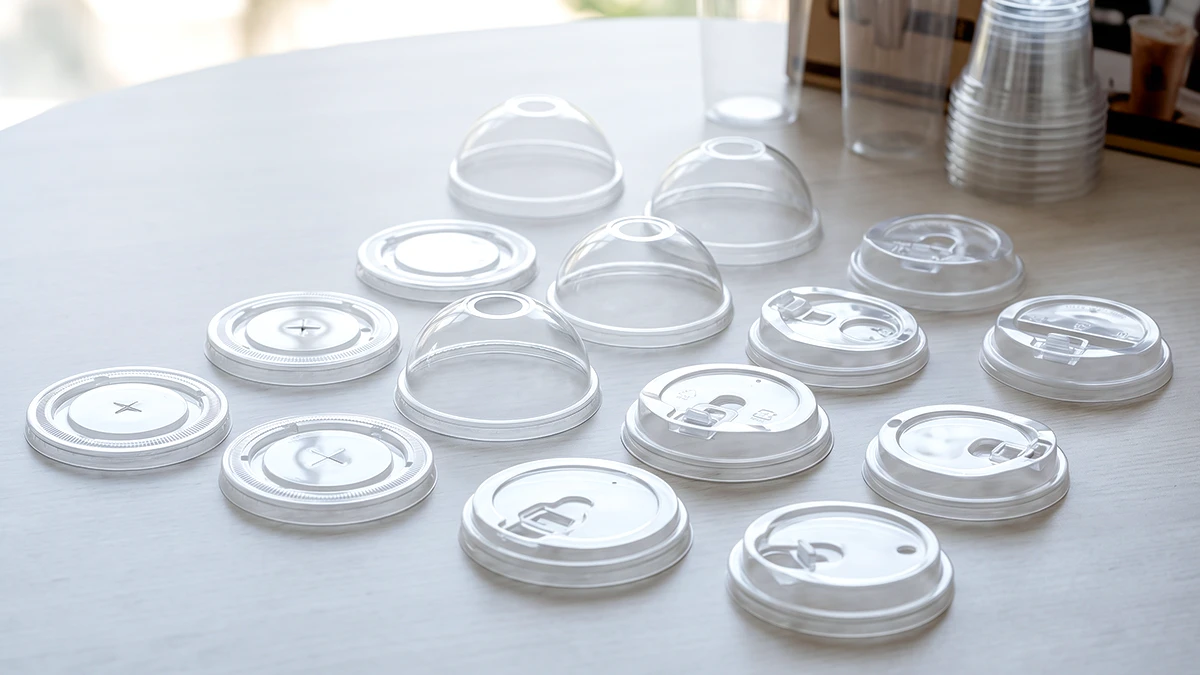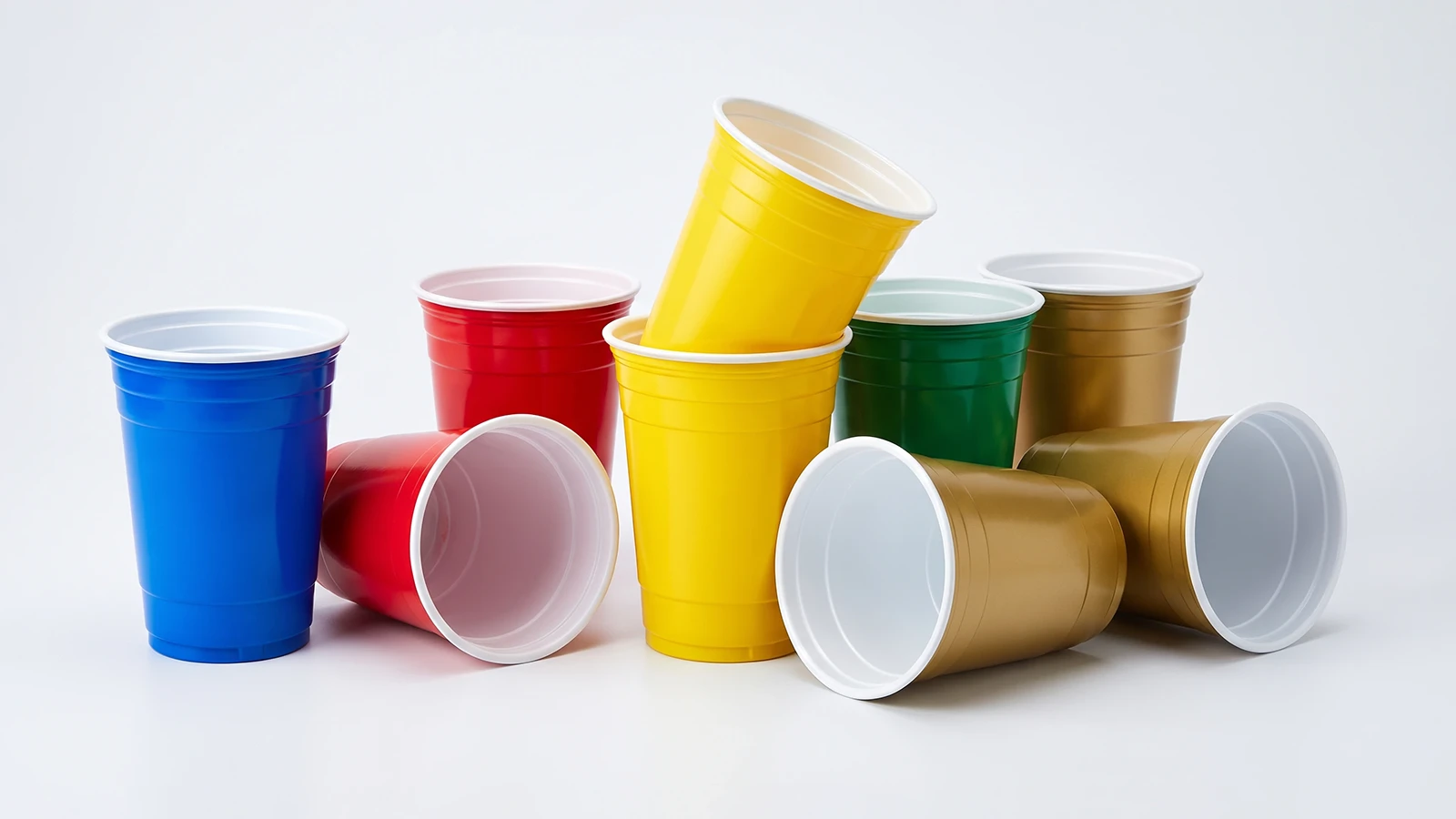

Brand loyalty grows when a company aligns its physical product presentation with the ethical values of its target audience, creating a tangible sense of shared purpose through sustainable material choices. In the modern marketplace, the container holding a product serves as a silent ambassador for a company’s environmental commitments, influencing repeat purchase behavior far beyond the initial transaction.
You might notice that traditional metrics like price and basic quality are no longer sufficient to prevent your clients from exploring other suppliers. When your packaging is perceived as wasteful or environmentally harmful, it creates a friction point that can lead to customer churn and a weakened market position. Transitioning to recycled PET container systems allows your business to address these concerns head-on, providing a visible demonstration of corporate responsibility that secures long-term partnerships.
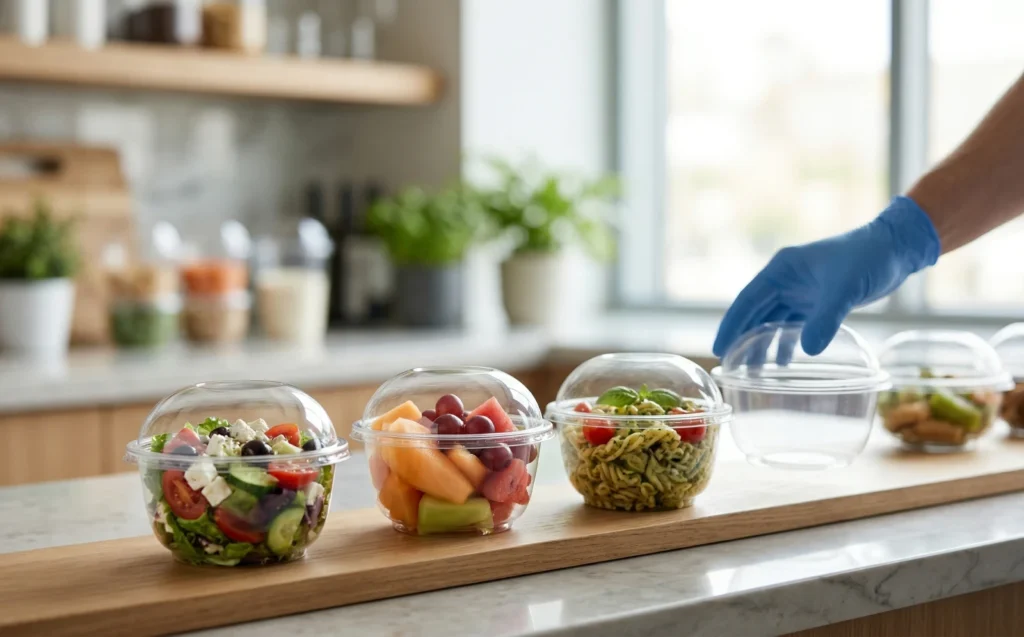
Why do consumers associate sustainability with brand trust?
Consumers associate sustainability with trust because it signals that a business is willing to invest in the future of the planet, which in turn fosters stronger brand loyalty. This perception suggests that a manufacturer who cares about environmental impact is also likely to maintain high standards for product safety and ethical labor practices.
The Psychology of Ethical Purchasing
Here is the deal.
- Transparent sourcing proves that a brand is not hiding its supply chain.
- Using recycled materials demonstrates a commitment to the circular economy.
- Visible sustainability markers act as a badge of honor for the end-user.
Aligning Values with Action
Check this out.
- Buyers feel a sense of personal contribution to environmental goals when using sustainable products.
- Consistency in green initiatives prevents the perception of “greenwashing.”
- Trust is built when a supplier provides verified data rather than vague environmental promises.
| Trust Driver | Influence on Loyalty | Resulting Action |
| Transparency | High | Increased long-term contracts |
| Certification | Moderate | Reduced vendor audit frequency |
| Material Choice | High | Positive brand association |
The link between ethical behavior and consumer confidence is substantiated by market data showing that buyers are increasingly willing to pay a premium for verified sustainability.
Key Takeaway: Trust is the foundation of retention, and sustainable materials are the most visible way to prove your brand deserves that trust.
How does material transparency reduce customer churn?
Material transparency reduces churn by providing the verified proof of origin that modern procurement managers require to satisfy their own internal ESG mandates, thereby cementing brand loyalty. When a supplier offers clear documentation regarding the life cycle of their materials, it removes the risk of regulatory surprises for the buyer.
Verification as a Retention Tool
Look at it this way.
- Detailed material tracking simplifies the reporting process for your clients.
- Food-grade certifications provide the safety assurance that prevents product recalls.
- Consistent material performance ensures that the buyer’s production lines remain efficient.
The Role of Third-Party Audits
Check this out.
- Independent verification removes the burden of proof from the procurement team.
- Audited facilities are perceived as more reliable long-term partners.
- Clear reporting on recycled content helps clients meet their own sustainability targets.
| Transparency Factor | B2B Buyer Benefit | Loyalty Impact |
| Source Tracking | Risk mitigation | Permanent vendor status |
| Compliance Data | Easier reporting | Reduced administrative friction |
| Lifecycle Analysis | Proven ROI | Justified premium pricing |
By providing deep insights into how a product is made, you turn a simple transaction into a strategic partnership that is difficult for competitors to disrupt.
Key Takeaway: Transparency eliminates the uncertainties that lead to vendor switching, making your business an indispensable part of your client’s success.
Can sustainable design create a competitive advantage in B2B?
Sustainable design creates a competitive advantage by allowing B2B buyers to differentiate their own products on the shelf, which directly supports their goals for brand loyalty and market share. High-performance packaging that uses less virgin resin provides a unique selling proposition that traditional alternatives cannot match.
Market Differentiation Through Material Innovation
Here is the deal.
- Lightweight designs reduce the carbon footprint of the entire distribution cycle.
- Aesthetic clarity in recycled materials proves that sustainability does not require a sacrifice in quality.
- Unique structural features can be trademarked to create a signature brand look.
Meeting Legislative and Retailer Mandates
Check this out.
- Proactive adoption of recycled content keeps your clients ahead of emerging plastic taxes.
- Major retailers often prioritize suppliers who can prove a specific percentage of recycled material.
- Compliance with international standards opens doors to restricted high-value markets.
| Advantage Area | Business Outcome | Strategic Value |
| Shelf Appeal | Increased consumer pull | Higher re-order rates |
| Tax Compliance | Lower operational costs | Protected margins |
| Innovation | Market leadership | First-mover advantage |
The data indicates that companies that lead in material innovation are viewed as experts, which naturally attracts larger, more stable clients looking for professional guidance.
Key Takeaway: Sustainable design is a powerful tool for market positioning that turns packaging from a cost center into a growth engine.
Conclusion
Strengthening brand loyalty requires a holistic commitment to the values your customers care about most. Reliancepak is dedicated to helping you build those lasting connections by providing high-performance, certified packaging solutions that reflect your brand’s integrity. By choosing materials that respect the planet, you ensure that your business remains a trusted leader in a competitive global market.
We are committed to being the professional partner you need to secure your future in the circular economy. If you would like to discuss how our certified products can help you meet your retention goals, our team is ready to provide the technical expertise and samples required for your next project.
FAQ
Does switching to sustainable materials always improve loyalty?
Yes, provided the quality remains consistent. When a brand improves its environmental profile without sacrificing performance, it reinforces the buyer’s decision to stay with that supplier.
How do I communicate these changes to my clients?
You might suggest providing technical data sheets and impact reports that show the specific CO2 reductions achieved by switching to recycled materials.
Is the cost of sustainable packaging a barrier to loyalty?
No. While the initial price can be higher, the long-term benefits of reduced plastic taxes, higher consumer demand, and improved brand reputation often result in a higher total return on investment.
Can sustainable packaging help me enter new markets?
Yes. Many regions now have strict entry requirements for plastic products, and having certified, high-recycled-content materials is often a prerequisite for doing business in those areas.
Does Reliancepak offer customized branding on recycled materials?
Yes. We provide professional customization services that allow you to feature your brand identity on our sustainable containers, further strengthening your connection with your audience.