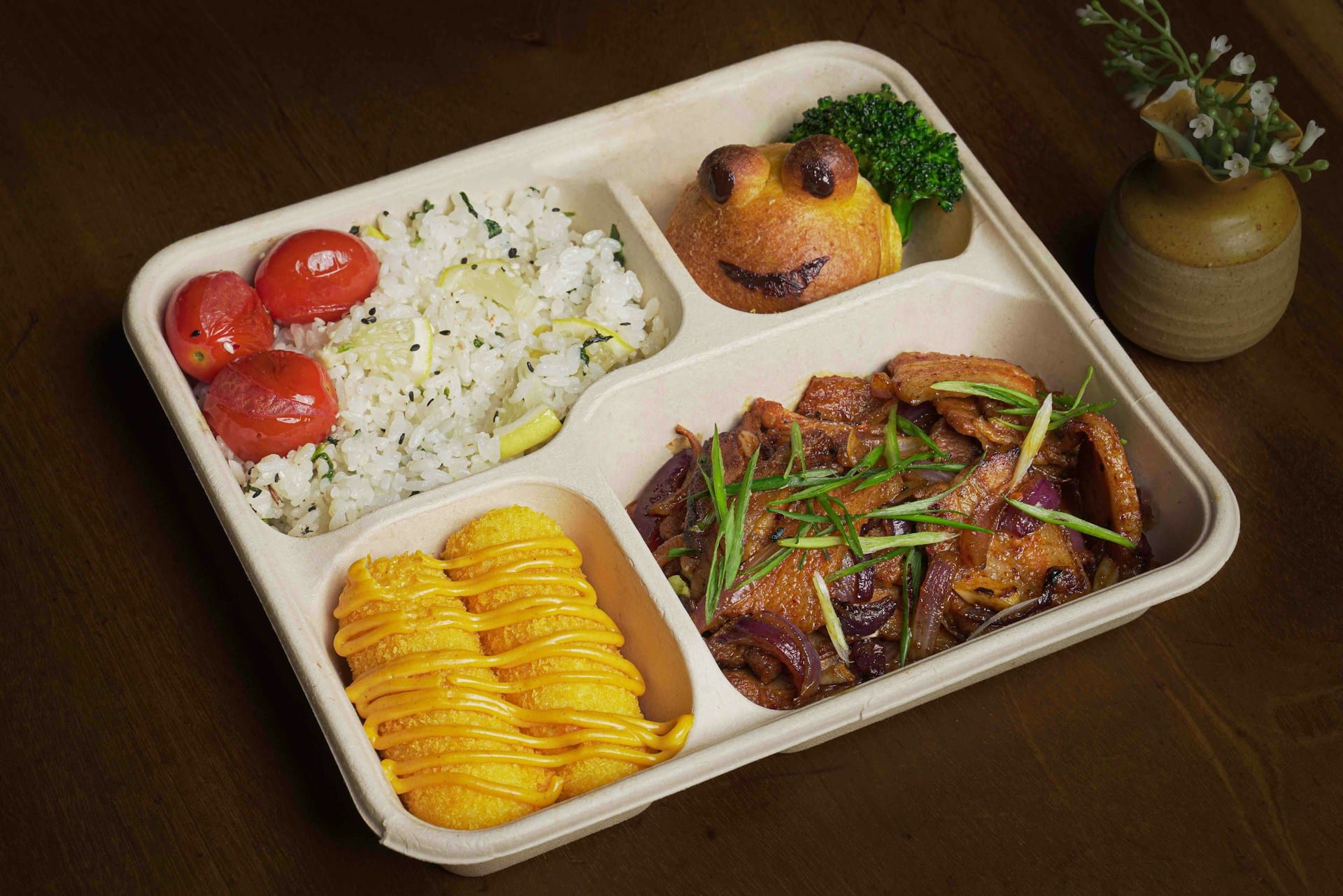
In the fast-paced world of food service, disposable lunch boxes have become indispensable. They offer convenience for both businesses and consumers, simplifying takeout, delivery, and meal prep. However, with a myriad of options available, selecting the right material for your disposable lunch boxes can be a complex decision. This comprehensive guide will walk you through the various materials, their benefits, and considerations, helping you make an informed choice that aligns with your business needs, sustainability goals, and customer expectations. Ultimately, the right material ensures food safety, maintains food quality, and enhances your brand’s reputation.
Why Material Choice Matters for Disposable Lunch Boxes
The material of your disposable lunch box container directly impacts several critical aspects of your food business. From food preservation to environmental responsibility, every choice has consequences. Therefore, understanding the nuances of each material is paramount for any business involved in food packaging.
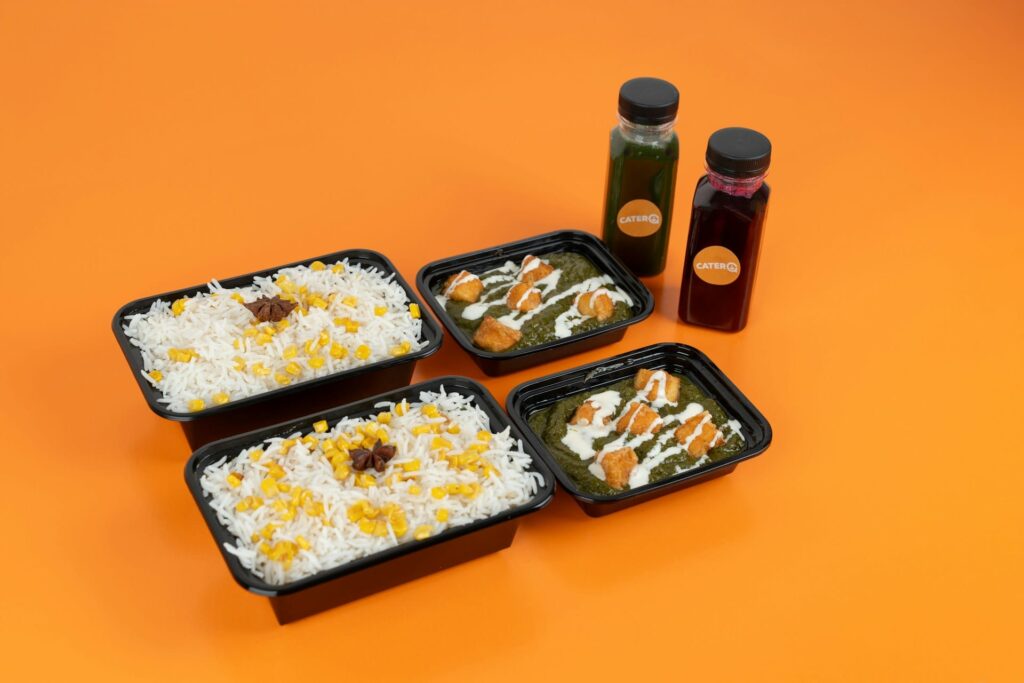
Common Materials for Disposable Lunch Boxes
Let’s delve into the most prevalent materials used for disposable lunch boxes, examining their characteristics, advantages, and disadvantages.
1. Plastic (PP, PET, PS)
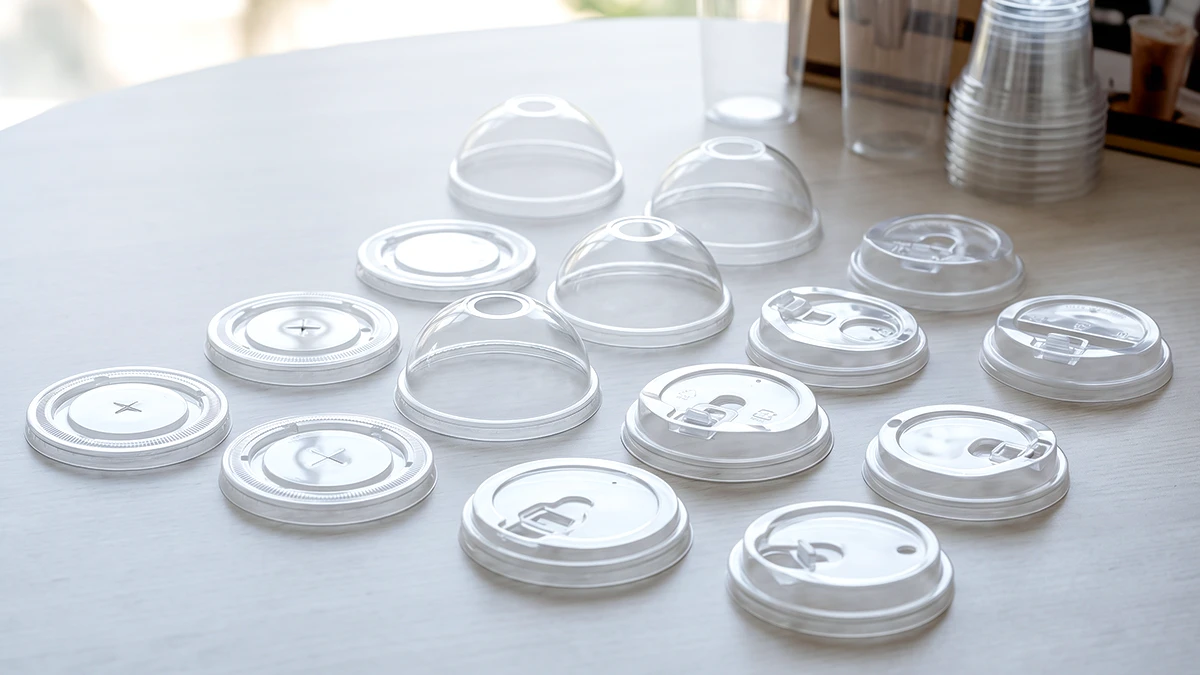
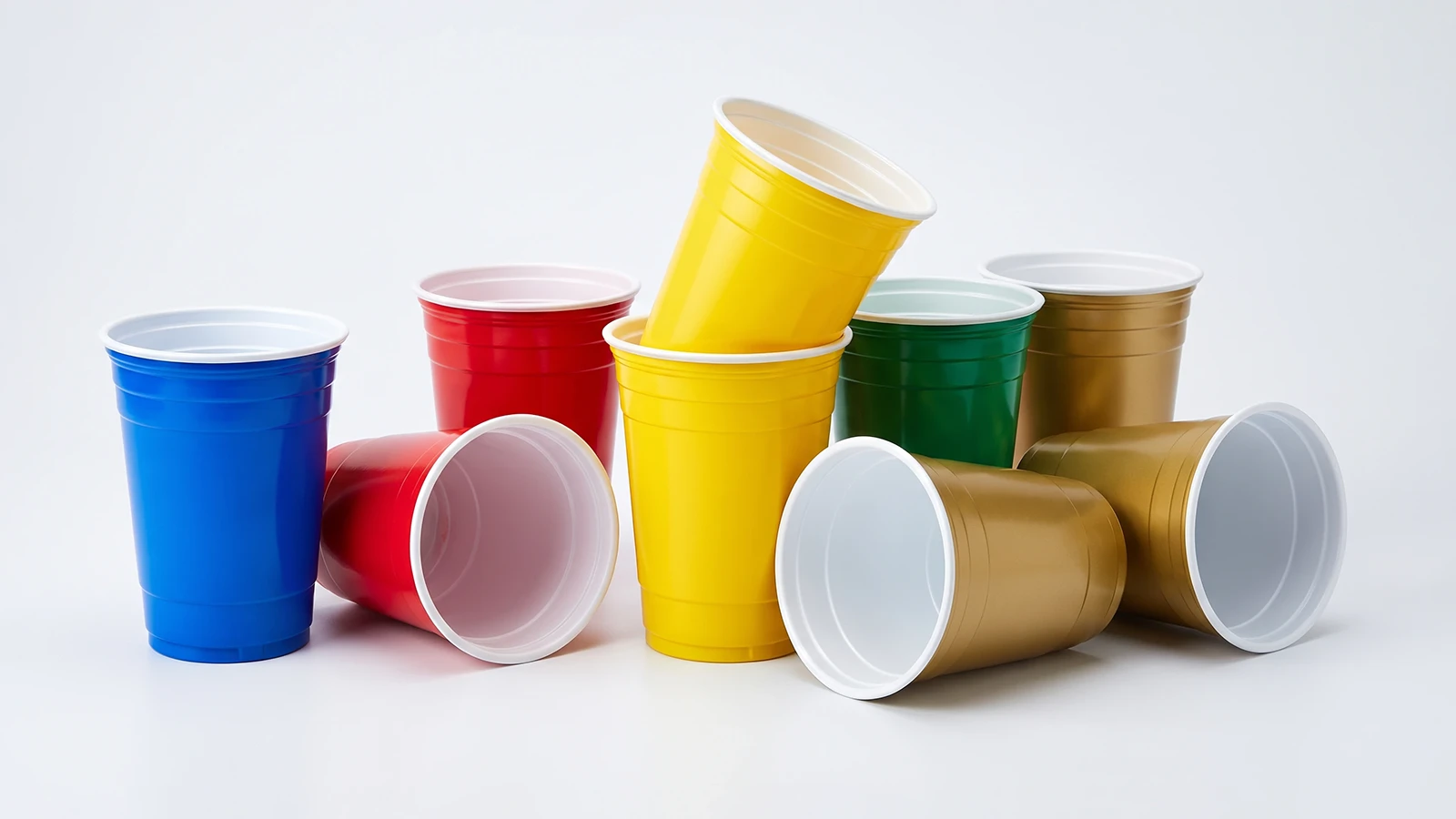
Plastic containers are widely used due to their versatility, durability, and cost-effectiveness. Different types of plastics offer varying properties.
Polypropylene (PP)
PP is a popular choice for disposable food containers because of its heat resistance and microwave-safe properties. It’s often used for hot meals and can withstand a range of temperatures.
- Advantages: Microwave-safe, good heat resistance, durable, cost-effective, recyclable in many areas.
- Disadvantages: Not biodegradable, environmental concerns if not recycled properly.
Polyethylene Terephthalate (PET)
PET is commonly found in clear containers for cold foods, salads, and desserts. Its transparency allows for excellent product visibility.
- Advantages: Excellent clarity, lightweight, strong, recyclable.
- Disadvantages: Not suitable for hot foods, less heat resistant than PP.
Polystyrene (PS)
PS is often used for foam containers (Styrofoam) due to its excellent insulation properties. However, its use is declining due to environmental concerns.
- Advantages: Excellent insulation, lightweight.
- Disadvantages: Brittle, poor environmental profile, difficult to recycle, not microwave-safe.
2. Paper and Paperboard
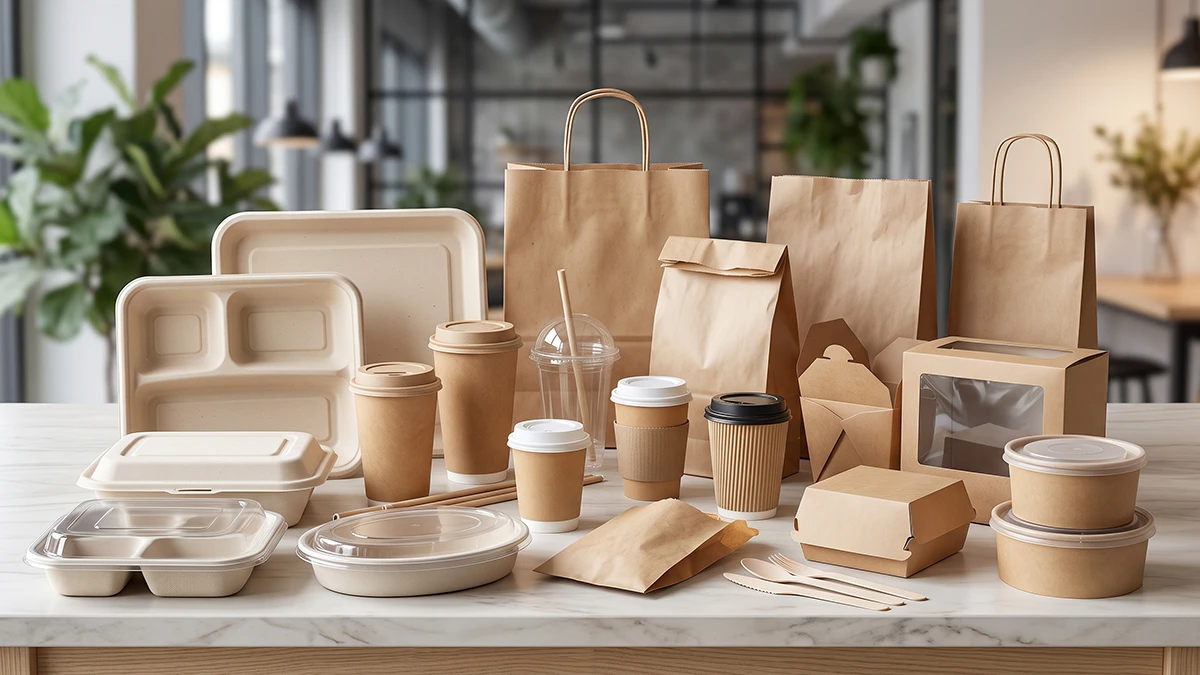
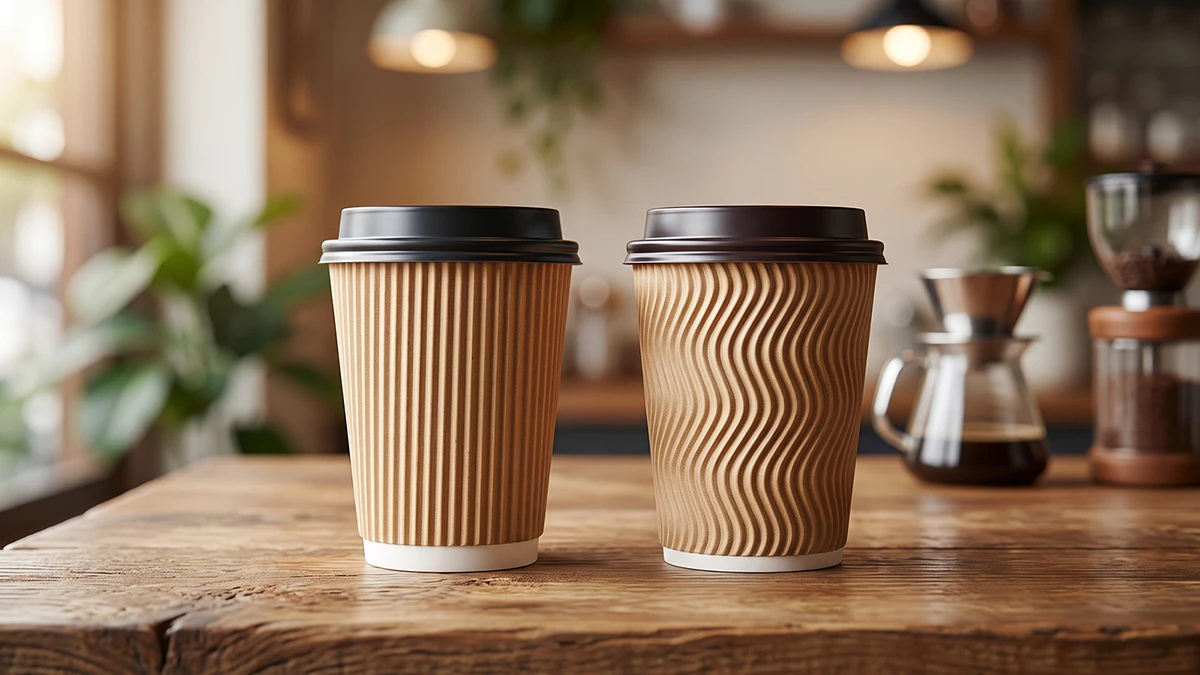
Paper-based disposable lunch box containers are gaining popularity as businesses seek more sustainable options. These are often coated or lined to enhance their functionality.
- Advantages: Biodegradable (if uncoated), recyclable, customizable with branding, renewable resource.
- Disadvantages: Can be less durable than plastic, may require special coatings for liquids, not always microwave-safe.
3. Bagasse (Sugarcane Fiber)
Bagasse is a byproduct of sugarcane processing, making it a highly sustainable and compostable material for disposable lunch boxes. It’s an excellent alternative to foam and plastic.
- Advantages: 100% compostable and biodegradable, microwave and freezer safe, grease and water resistant, renewable resource.
- Disadvantages: Can be more expensive than traditional materials, may not be as widely available.
4. Aluminum
Aluminum containers are known for their excellent heat conductivity and ability to keep food warm or cold for extended periods. They are also widely recyclable.
- Advantages: Excellent heat retention, recyclable, durable, suitable for baking and reheating.
- Disadvantages: Not microwave-safe, can be more expensive, not suitable for acidic foods.
Key Considerations When Choosing Your Material
Selecting the ideal material for your disposable lunch box containers involves weighing several factors. Consider these points carefully to make the best decision for your business.
1. Food Type and Temperature
The nature of the food you serve is a primary determinant. Hot, greasy, acidic, or cold foods each have specific packaging requirements.
- Hot Foods: PP, paperboard with appropriate lining, or aluminum are suitable.
- Cold Foods: PET, paperboard, or bagasse work well.
- Greasy/Saucy Foods: Materials with grease-resistant coatings or inherent resistance like bagasse are essential.
2. Durability and Leak Resistance
Preventing leaks and ensuring the container can withstand transport is crucial for customer satisfaction.
- Plastic: Generally offers good leak resistance.
- Paperboard/Bagasse: Requires proper design and coatings to prevent leaks.
3. Environmental Impact and Sustainability
With increasing consumer awareness, choosing eco-friendly options can significantly boost your brand image.
- Biodegradable/Compostable: Bagasse, certain paper products.
- Recyclable: PP, PET, aluminum, some paper products.
4. Cost-Effectiveness
Balancing quality with budget is always a challenge. Different materials come with different price points.
- Plastic: Often the most economical option upfront.
- Bagasse/Compostable: May have a higher initial cost but offer long-term environmental benefits and appeal.
5. Branding and Customization
Your disposable lunch boxes are an extension of your brand. Consider how easily the material can be customized with your logo and design.
- Paperboard: Highly customizable with printing.
- Plastic/Bagasse: Can also be customized, though printing options may vary.
6. Regulatory Compliance
Ensure your chosen material complies with food safety regulations in your region (e.g., FDA, EU food contact regulations).
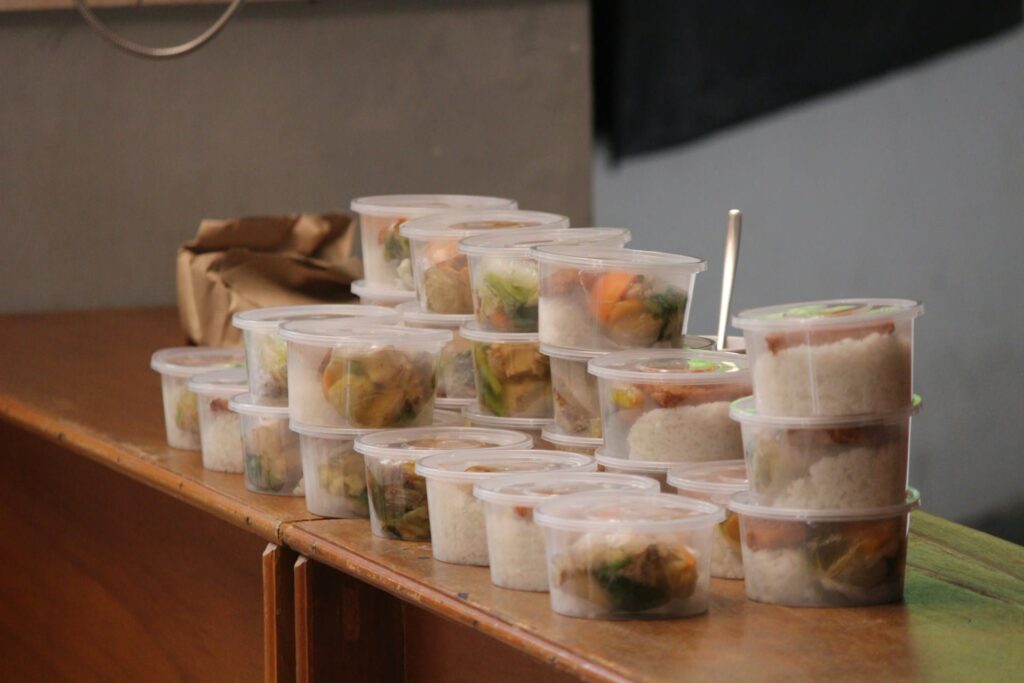
Material Comparison Table
To simplify your decision-making process, here’s a comparative overview of common disposable lunch box materials:
| Material | Food Type Suitability | Heat Resistance | Leak Resistance | Environmental Impact | Cost | Customization | Key Benefit |
|---|---|---|---|---|---|---|---|
| PP Plastic | Hot & Cold | High | High | Recyclable | Low-Medium | Good | Versatility |
| PET Plastic | Cold | Low | High | Recyclable | Low | Good | Clarity |
| Paperboard | Hot & Cold (with coating) | Medium | Medium (with coating) | Recyclable/Biodegradable | Low-Medium | Excellent | Branding |
| Bagasse | Hot & Cold | High | High | Compostable | Medium-High | Good | Sustainability |
| Aluminum | Hot & Cold | High | High | Recyclable | Medium-High | Limited | Heat Retention |
The Reliancepak Advantage: Your Trusted Partner in Disposable Lunch Box Solutions
When it comes to sourcing high-quality disposable lunch box containers, Reliancepak stands out as a reliable partner. As both a trading company and a factory with nine production lines, Reliancepak offers a comprehensive range of packaging solutions, including plastic packaging trays, disposable food containers, paper boxes, and paper cups. We understand the diverse needs of businesses, from large company buyers and disposable product distributors to food factories and fruit and vegetable farm owners.
At Reliancepak, we prioritize:
- Professional Customization: We offer tailored solutions to meet your specific branding and packaging requirements.
- Environmentally Friendly Materials: We provide options made from eco-friendly materials, aligning with global sustainability trends.
- Food Grade Certificates: Our products adhere to stringent food safety standards, including EU and FDA certifications.
- Fast Delivery: Our efficient supply chain ensures timely delivery, crucial for your operational needs.
- One-Stop Purchase: We offer a wide array of products, making us a convenient single source for all your packaging needs.
Whether you’re looking for durable plastic containers for hot meals or compostable bagasse options for an eco-conscious approach, Reliancepak has the expertise and product range to support your business. Our commitment to quality and customer satisfaction makes us the ideal choice for your disposable lunch box container needs.
Conclusion
Choosing the right material for your disposable lunch boxes is a strategic decision that impacts your operational efficiency, customer satisfaction, and environmental footprint. By carefully considering food type, durability, sustainability, cost, branding, and regulatory compliance, you can select the best disposable lunch box container for your business. Partnering with a trusted supplier like Reliancepak ensures you have access to a wide range of high-quality, certified, and customizable options, helping you meet your business goals while making a positive impact.
FAQs
Q1: Are all disposable lunch boxes recyclable?
No, recyclability depends on the material; check local guidelines.
Q2: What are the benefits of using biodegradable disposable lunch boxes?
They reduce landfill waste and plastic pollution, appealing to eco-conscious consumers.
Q3: Can I microwave all disposable lunch box containers?
No, only certain materials like PP and bagasse are generally microwave-safe.
Q4: How can I ensure the disposable lunch boxes I choose are food-safe?
Always choose containers with relevant food-grade certifications like FDA or EU compliance.
Q5: Is it more expensive to choose eco-friendly disposable lunch boxes?
Eco-friendly options may have a higher upfront cost, but offer long-term benefits in brand image and compliance.