
Plastic waste from food packaging is one of the most significant contributors to global pollution. Traditional packaging materials like styrofoam and plastic can take hundreds of years to decompose, overwhelming landfills and ecosystems. Bagasse food boxes, made from sugarcane residue, offer a biodegradable, compostable solution. This article explores how bagasse food boxes are transforming the dining industry for the better.
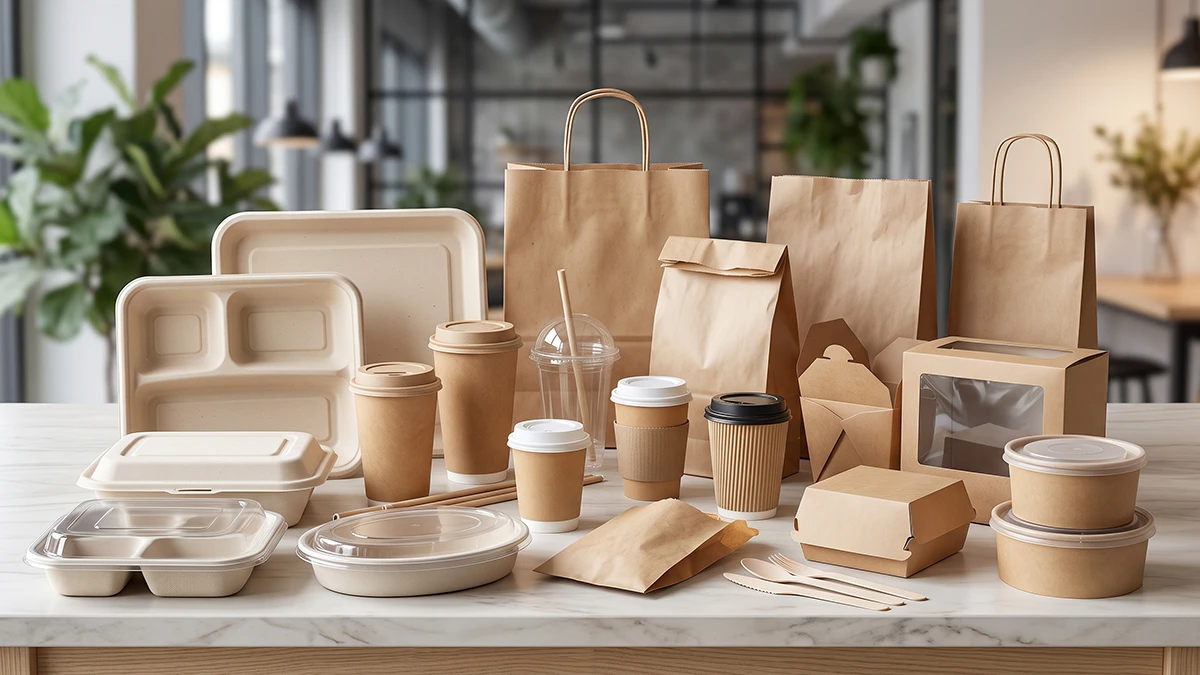
Bagasse food boxes are an eco-friendly solution for food packaging, made from sugarcane waste. They are biodegradable, compostable, and versatile, providing an alternative to plastic packaging in dining. Sustainable, durable, and environmentally friendly, these boxes are an essential step toward reducing the environmental impact of dining and takeaway services.
Explore how bagasse food boxes are reshaping the dining industry by offering sustainable, cost-effective alternatives to traditional packaging materials.
The Growing Problem of Single-Use Plastic in Dining
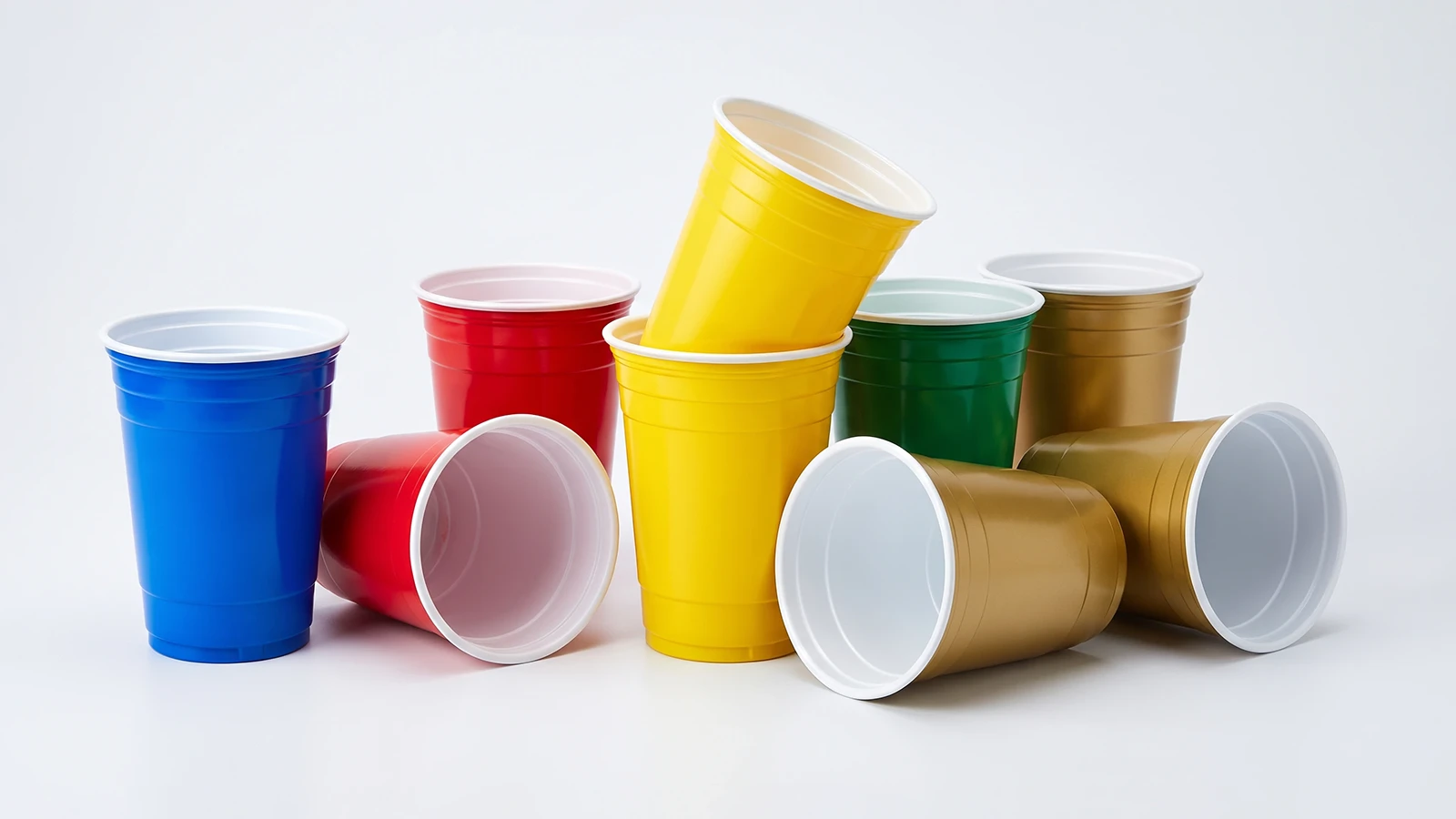
The dining and takeaway industry faces a serious environmental dilemma. Single-use plastic containers, styrofoam trays, and plastic cutlery have long been staples of the foodservice industry, but they come with major environmental drawbacks. These materials contribute to plastic pollution, clogging landfills, polluting oceans, and harming wildlife. Moreover, the production of plastics is energy-intensive and relies heavily on fossil fuels.
The sheer volume of disposable packaging used in foodservice, from restaurants to takeout services, exacerbates this problem. According to environmental reports, billions of plastic containers and packaging items are disposed of each year, making the foodservice industry a major contributor to the global plastic waste crisis. The consequences are dire: environmental degradation, harm to marine and terrestrial life, and the growing urgency for businesses to seek sustainable alternatives.
As environmental consciousness rises and regulatory pressure increases, the foodservice industry is seeking alternatives that align with sustainability goals. Bagasse food boxes, made from the fibrous remains of sugarcane, offer a promising solution to this global challenge.
The Versatility and Benefits of Bagasse Food Boxes
Bagasse is a byproduct of the sugarcane industry, which has traditionally been discarded or burned after sugar extraction. However, when processed, bagasse is transformed into an eco-friendly packaging material. Bagasse food boxes are durable, versatile, and biodegradable, making them an ideal choice for eco-conscious businesses and consumers.
1. Biodegradable and Compostable
Bagasse food boxes are fully biodegradable, meaning they decompose naturally in the environment. In contrast to plastics, which persist in the environment for hundreds of years, bagasse packaging breaks down within a few months under the right conditions. They are also compostable, making them an excellent option for waste management in businesses that focus on zero-waste practices.
2. Eco-Friendly Manufacturing Process
The production of bagasse packaging has a lower carbon footprint compared to plastic alternatives. Sugarcane is a renewable resource, and bagasse is a byproduct that would otherwise go to waste. By repurposing this material for packaging, manufacturers reduce the need for virgin resources and contribute to a circular economy. This reduces both waste and the consumption of non-renewable resources.
3. Versatility in Foodservice Applications
Bagasse food boxes come in a variety of shapes and sizes, making them suitable for various types of foodservice applications. Whether for takeout, delivery, or dine-in, these boxes can store anything from salads and sandwiches to hot meals and soups. Bagasse containers can be designed to hold hot or cold foods, and their sturdy nature ensures they can support heavy items without collapsing.
4. Moisture Resistance and Durability
One of the challenges with using biodegradable packaging is ensuring that it can withstand moisture without compromising food quality. Bagasse food boxes excel in this area, offering excellent resistance to moisture. Unlike some other biodegradable options, bagasse maintains its structural integrity when in contact with wet foods or sauces, making it a reliable choice for packaging a wide range of menu items.
5. Cost-Effective Sustainability
While bagasse food boxes may be slightly more expensive than their plastic counterparts, their long-term benefits outweigh the initial cost. Many businesses are finding that consumers are willing to pay a premium for eco-friendly products, and some even offer incentives or discounts for customers who bring their own reusable containers. Furthermore, the demand for sustainable packaging has led to more competitive pricing as production scales up, making bagasse a more affordable option for foodservice operations.
The Role of Bagasse Packaging in the Circular Economy
As businesses around the world seek to meet sustainability goals, bagasse packaging is an essential part of the circular economy. The circular economy is a model focused on reducing waste and promoting the reuse and recycling of resources. Bagasse, being biodegradable and compostable, contributes directly to this model by ensuring that packaging does not end up as long-lasting waste in landfills or oceans.
In addition, the growing consumer preference for eco-friendly products and the increased availability of composting facilities make bagasse packaging a key part of the solution. By adopting sustainable practices such as using bagasse food boxes, foodservice businesses can not only reduce their environmental footprint but also improve their market positioning by aligning with the values of their environmentally conscious customers.
Enhancing Brand Image and Customer Loyalty
In today’s market, consumers are increasingly prioritizing sustainability when making purchasing decisions. A survey by Nielsen found that 66% of global consumers are willing to pay more for sustainable brands. For foodservice businesses, adopting eco-friendly packaging like bagasse food boxes can help enhance their brand image and attract environmentally conscious customers.
By demonstrating a commitment to sustainability, businesses can build customer loyalty and differentiate themselves from competitors who continue to use traditional plastic packaging. This can lead to increased sales, positive word-of-mouth, and long-term business growth as consumers increasingly demand eco-conscious dining options.
The Future of Bagasse Packaging in the Dining Industry
As regulations surrounding plastic waste tighten and consumer demand for sustainable products grows, the future of bagasse packaging in the dining industry looks promising. Innovations in packaging design and manufacturing processes will likely lead to more advanced and cost-effective solutions. As production volumes rise, the cost of bagasse food boxes is expected to decrease, making them an even more attractive option for businesses of all sizes.
Additionally, as more foodservice providers make the switch to eco-friendly packaging, there will be a growing emphasis on educating consumers about the benefits of bagasse and how it supports sustainability goals. Increased awareness will likely drive broader adoption of bagasse packaging, helping to reduce the environmental impact of dining and takeaway services worldwide.
Conclusion
Bagasse food boxes offer a versatile, sustainable, and cost-effective solution to the growing environmental concerns surrounding plastic packaging in the foodservice industry. As biodegradable, compostable, and renewable alternatives, these boxes help reduce waste, protect the environment, and support sustainable practices across the foodservice sector. By adopting bagasse food boxes, businesses can play a crucial role in advancing eco-friendly dining and contribute to a more sustainable future for all.